

Gilded Rococo Mirror Frame
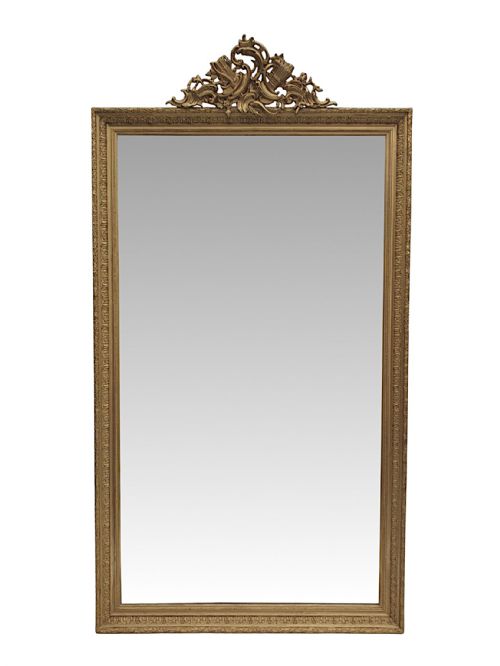
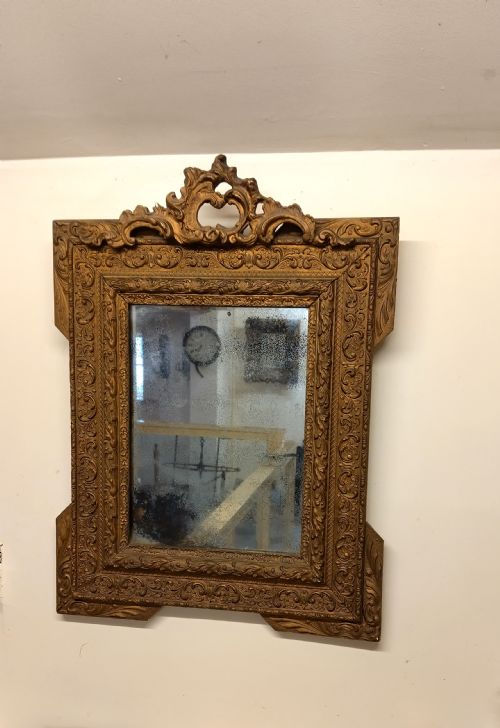
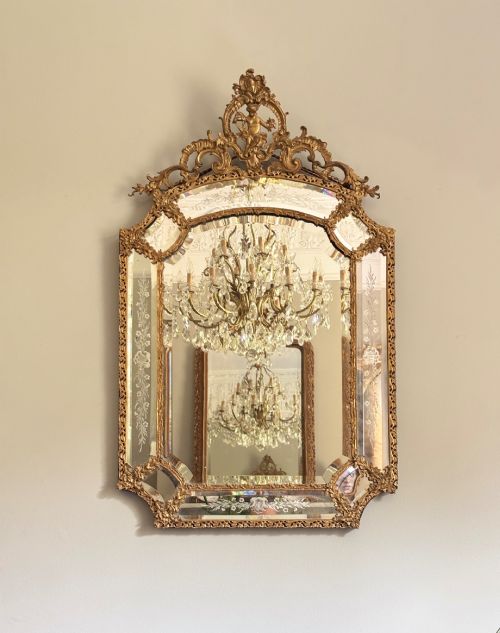
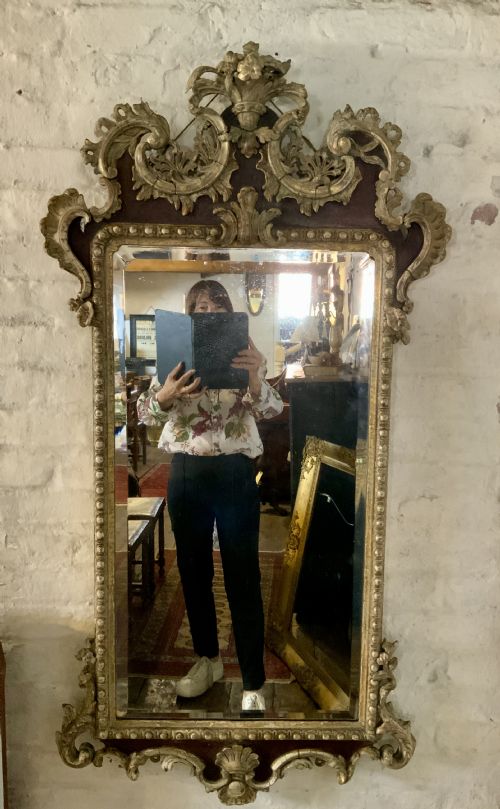
These pieces combine asymmetrical scrolls, organic leaf motifs and reflective glass to bring dramatic light and movement into a room.
Gilded Rococo Mirror Frame
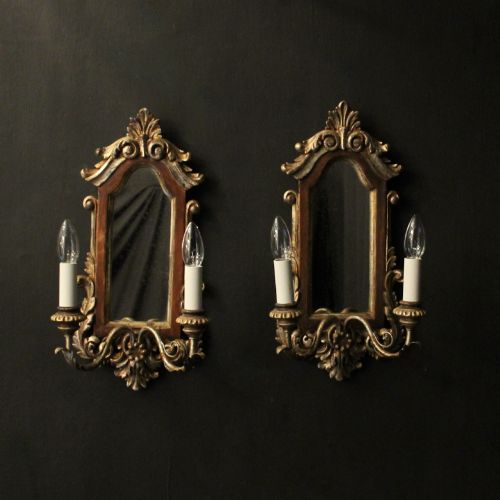
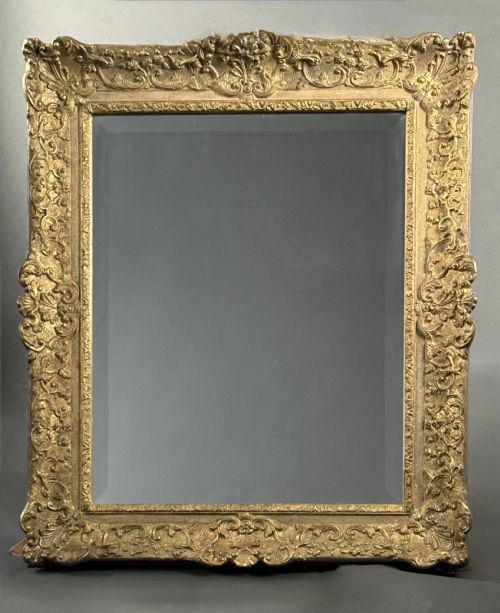
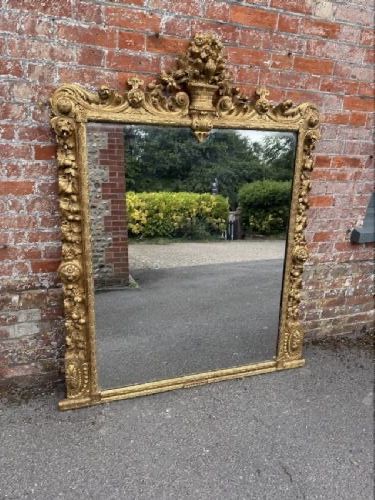
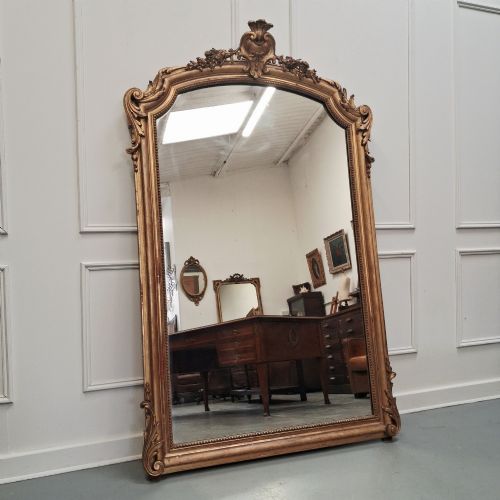
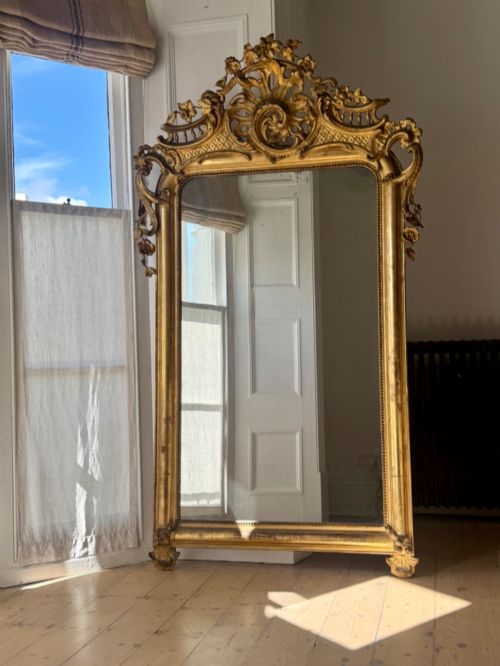
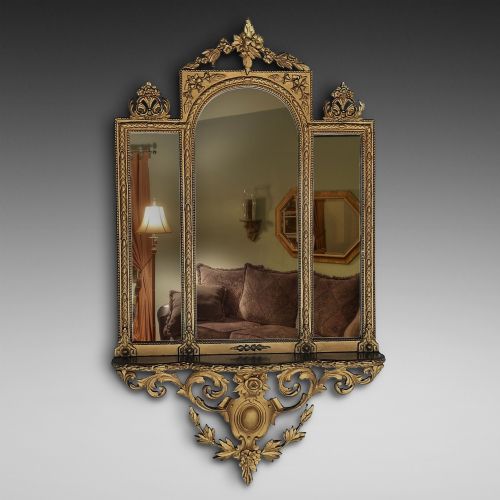
A gilded rococo mirror frame provides an ornate, curving surround for wall, overmantel and pier mirrors, drawing inspiration from mid-eighteenth-century continental design and its later nineteenth-century revivals. The listings here contain walnut, parcel gilt, and heavily gilded timber structures that vary from intimate dressing mirrors to large architectural overmantels.
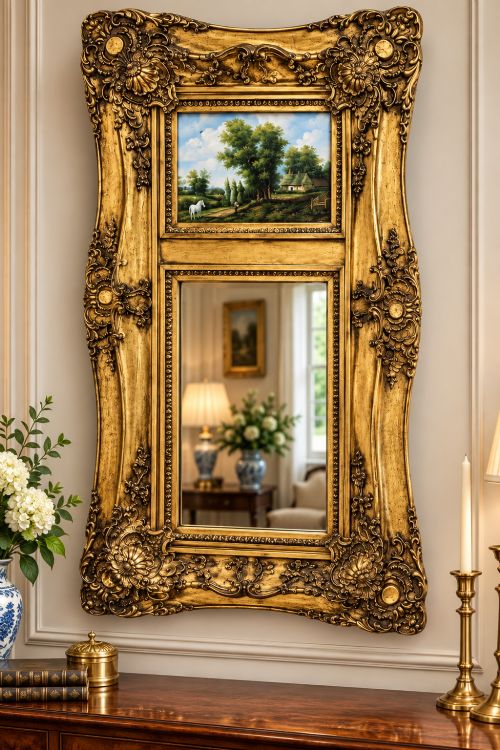
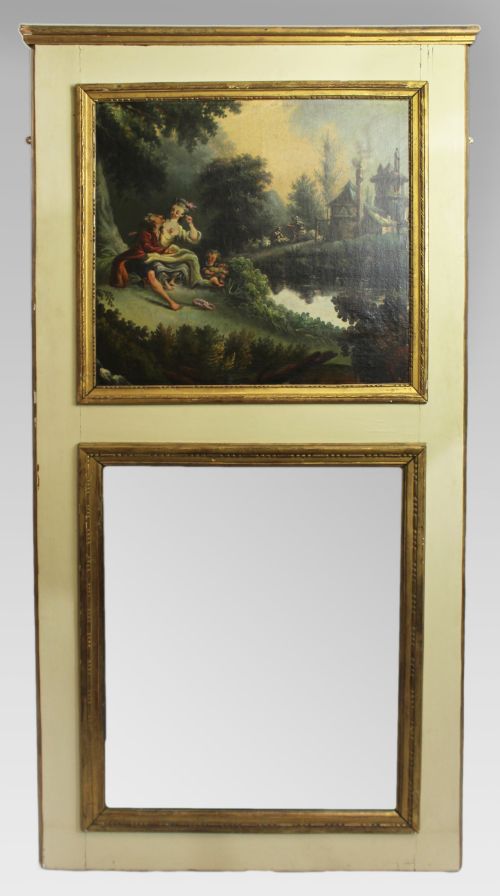
Most examples originate from French and Italian workshops, alongside English interpretations from the eighteenth and nineteenth centuries. Buyers encounter wall mirrors, girandoles with candle arms, trumeau mirrors incorporating oil paintings, and expansive overmantel frames designed to sit above a fireplace.
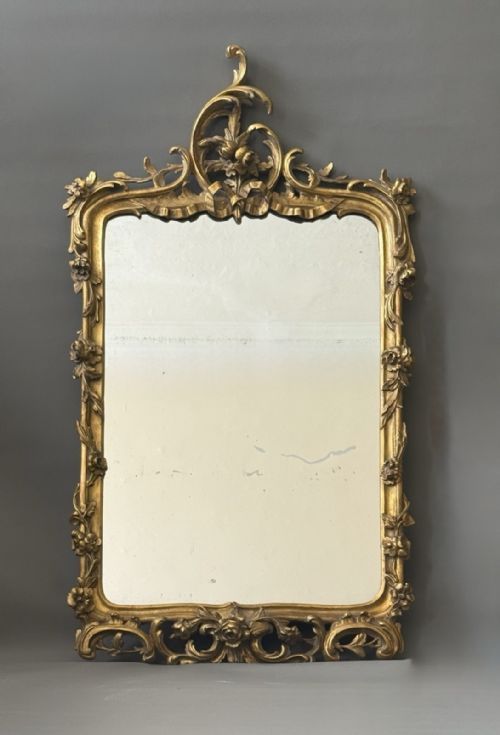
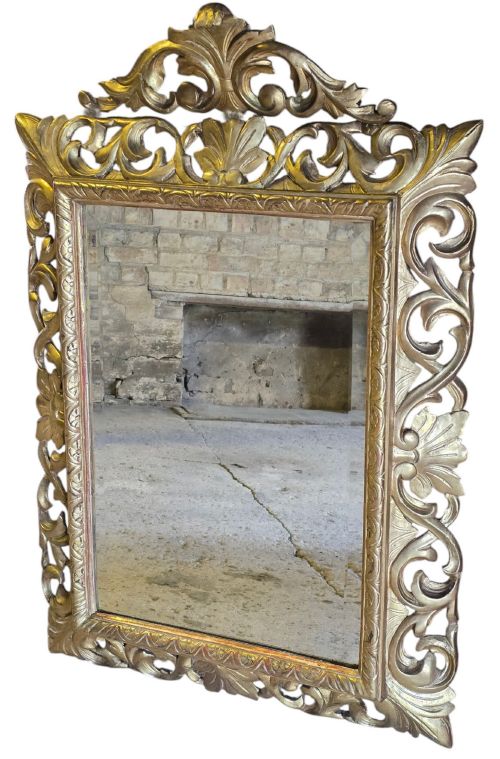
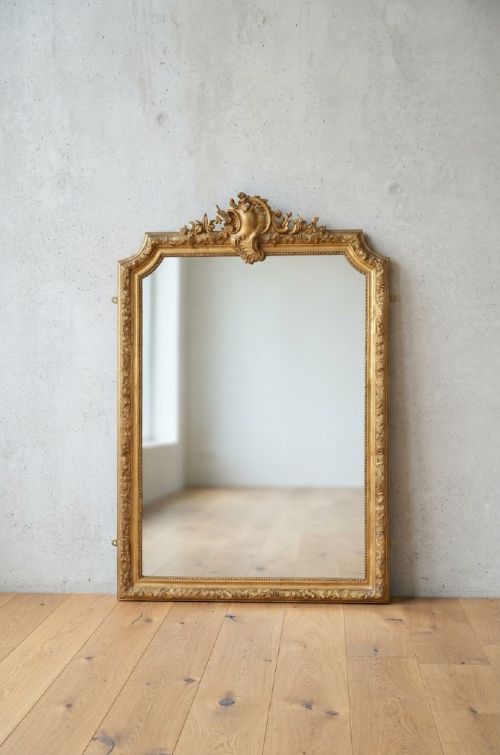
Stylistic influences range from strict French Rococo and Louis XV forms to Florentine carvings and Victorian revivals. The overarching characteristic remains the fluid, naturalistic interplay of C-scrolls, floral garlands and asymmetrical cartouches.
How they were made
Carvers shaped the foundational wooden structures - predominantly using softwoods or hardwoods such as walnut - before applying layers of gesso to build up the intricate relief details. Gesso provided a smooth, responsive ground that carvers could sharpen and tool before applying gold or silver leaf.
Artisans applied thin sheets of gold leaf or silver-gilt directly onto the prepared surface, often burnishing sections to create contrast between matte and reflective areas. Many pieces incorporate mercury glass or early antique mirror plates held securely within the carved rebate.
Listings feature items from the eighteenth, nineteenth, and twentieth centuries, spanning periods from George III and Victorian eras to Edwardian revivals.
What varies in quality
The depth and crispness of the carving dictate much of the visual success, separating pieces with sharp, undercut foliage from softer, more generalized mouldings. Hand-carved wooden relief work holds detail with greater definition than heavily cast composition ornament.
The integrity of the original gilding and the character of the mirror plate also determine quality. Retained gold leaf with natural ageing and original mercury or antique bevelled glass carry significantly more visual depth than later repainted surfaces and modern replacement glass.
The Gilded Rococo Mirror Frame Glossary
- Giltwood
- Wood that has been coated with gold leaf or gold paint. This finish forms the primary reflective surface for the carved frames on this page.
- Gesso
- A plaster mixture applied to wood to create a smooth surface for carving and gilding. It allows for the sharp relief work seen on rococo frames.
- Girandole
- A decorative wall mirror featuring attached candle branches or sconces. These fixtures amplify candlelight through the reflective mirror plate.
- Trumeau
- A decorative wall mirror paired with an oil painting or panel within a single frame. The upper section frequently depicts pastoral or marine scenes.
- Overmantel
- A large mirror specifically proportioned to hang above a fireplace mantelpiece. These pieces often feature wide horizontal formats to anchor the hearth.
Gilded Rococo Mirror Frame: Frequently Asked Questions
How do I hang a heavy overmantel mirror?
Heavy carved frames require secure fixing directly into masonry or wall studs using heavy-duty brackets suited to the weight of the timber and glass. Professional installation ensures the frame remains stable and safe.
Position the mirror at a height that reflects natural light from windows or counterbalances the scale of a fireplace mantel below it.
What is the difference between mercury glass and modern plate?
Mercury glass uses a backing process that often produces characteristic dark speckling, clouding, and a deep, soft reflection. It indicates considerable age.
Modern glass offers a uniform, bright reflection without historical foxing or distortion, which changes the visual mood of the frame considerably.
Can these mirrors be used in modern interiors?
The organic curves and reflective surfaces of these frames provide a strong focal point that contrasts sharply with minimalist contemporary architecture. They work well placed above modern sideboards or plain walls.
Scale is the main consideration when mixing periods, allowing the ornate carving to command the room without competing with surrounding furniture.