

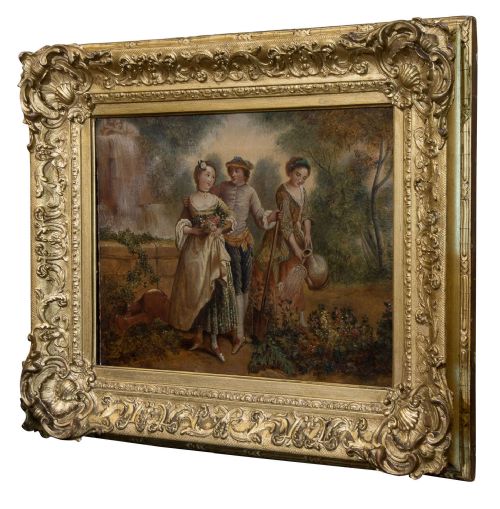


Gilded Rococo Framed Painting
When you search for a gilded rococo framed painting, you are looking at ornate oil on canvas portraits, pastoral scenes, and elaborate wall mirrors from the eighteenth and nineteenth centuries.
Gilded Rococo Framed Painting
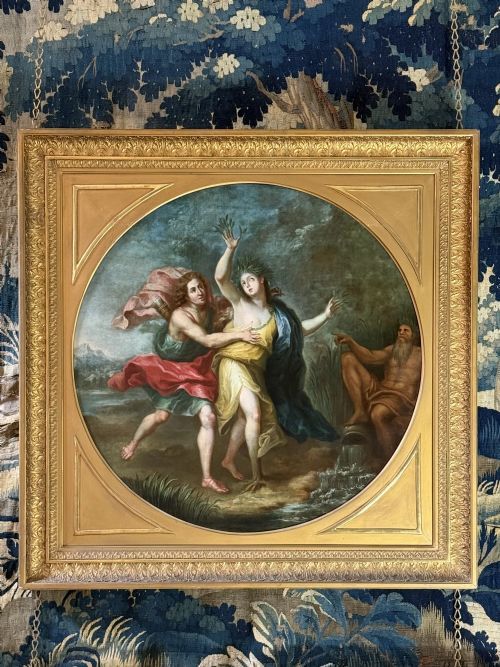
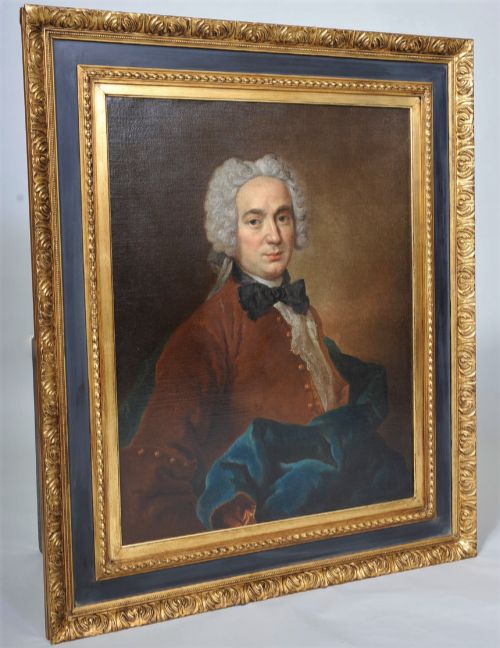
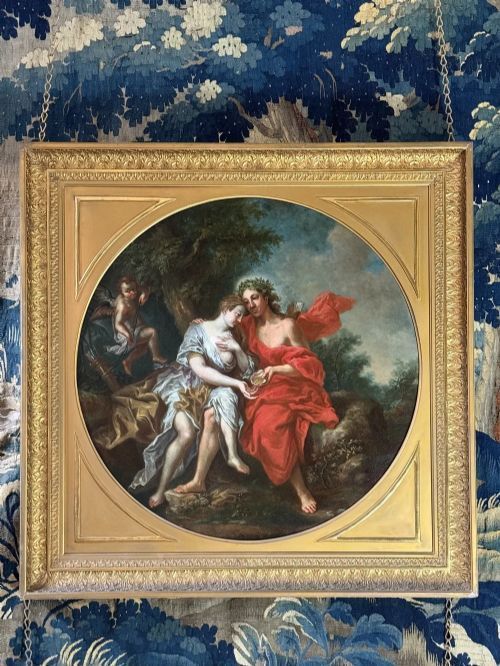
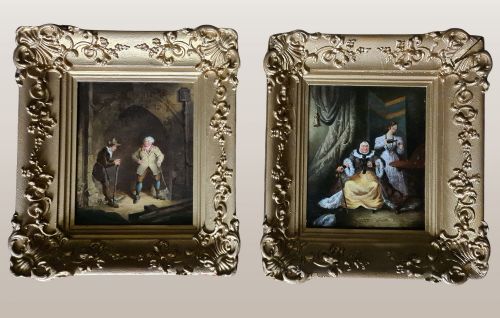
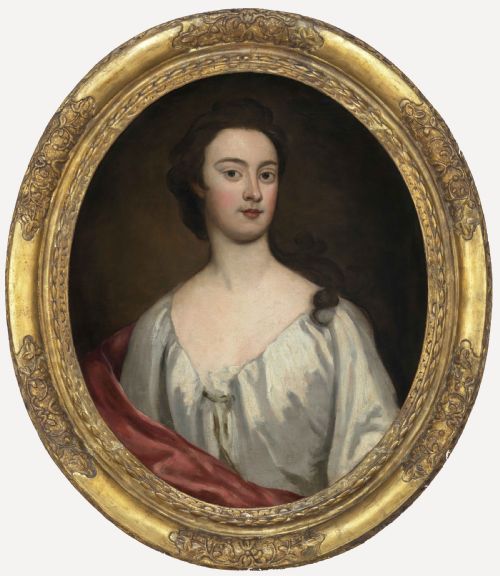
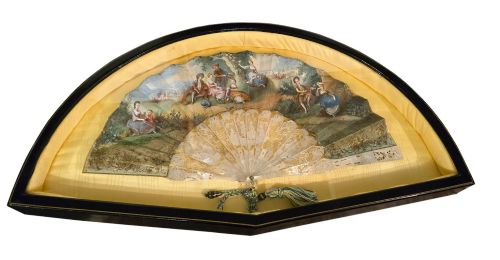
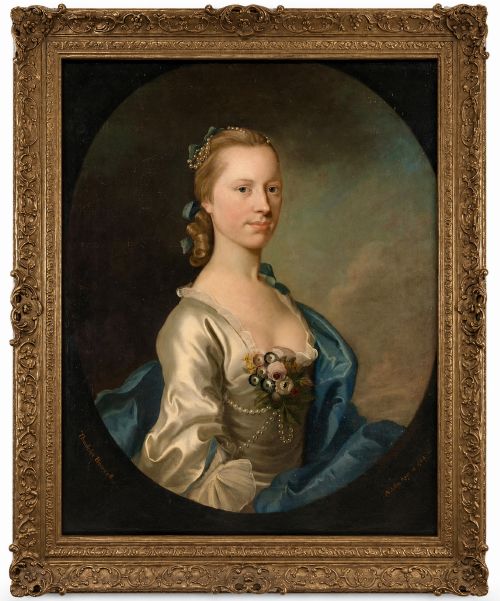
A gilded rococo framed painting encompasses oil paintings on canvas or board enclosed within highly decorative wooden surrounds shaped by eighteenth and nineteenth-century revival styles. These works frequently feature classical figures, pastoral scenes, and aristocratic portraits executed in French and Italian tastes.
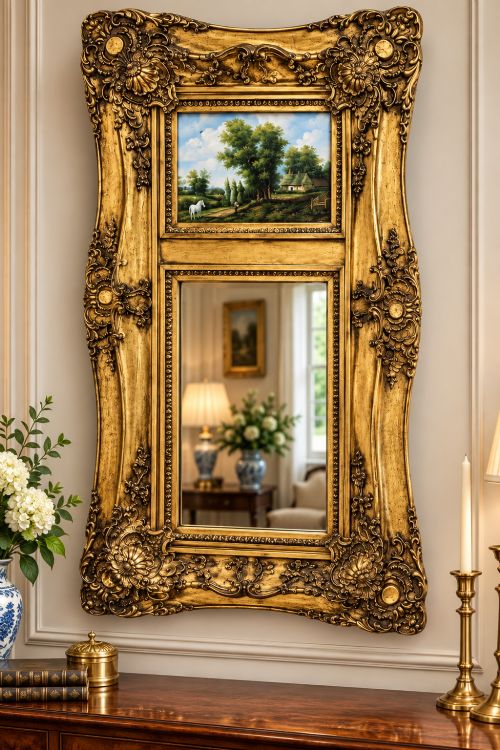
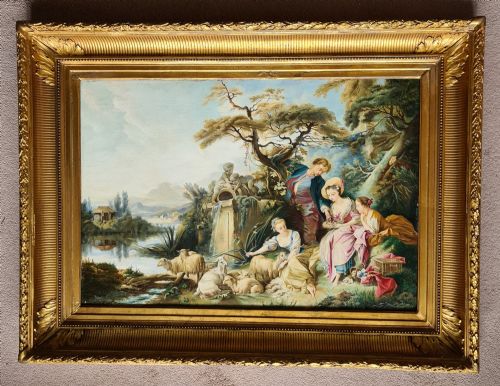
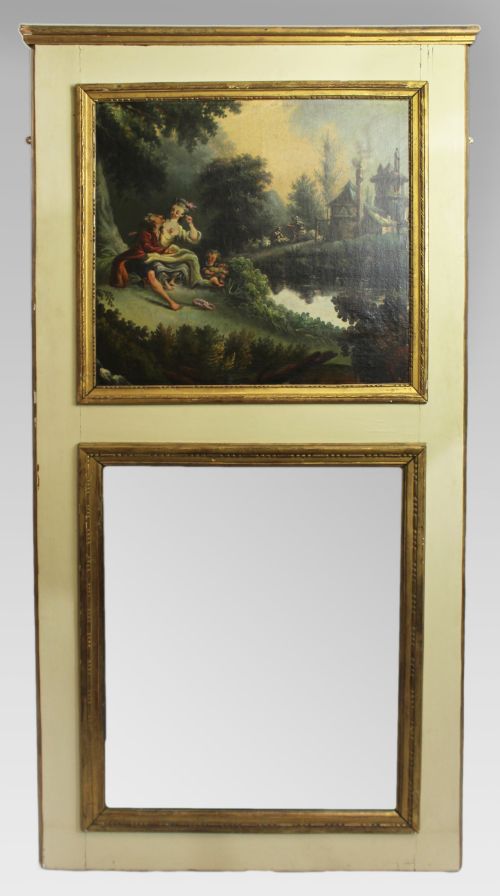
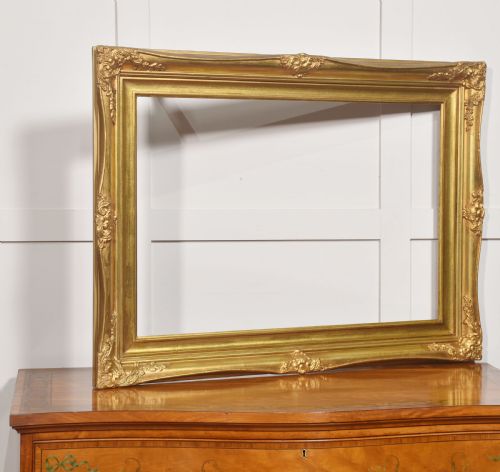
The selections available range from eighteenth-century portraits and classical pairs to later nineteenth-century interpretations after canonical artists like Boucher and Watteau. Buyers will also encounter substantial trumeau mirrors and ornate picture frames sharing the same characteristic giltwood aesthetic.
Originating largely from British, French, and Italian contexts, these objects bridge the gap between fine art and decorative wall furnishings. Their primary appeal lies in the theatrical interplay between the painted subject and the sculptural, scrollwork frame.
How they were made
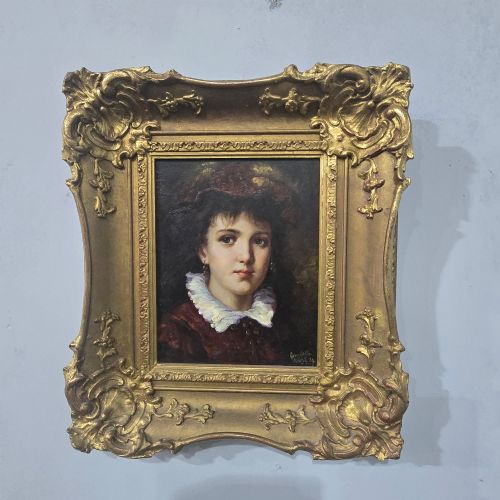
The underlying frames are constructed from carved wood, upon which layers of gesso are applied to build up the intricate asymmetrical scrolls, foliage, and C-curves typical of the style. Gilding is achieved through the application of gold leaf or metallic paint over the prepared gesso base.
Paintings are executed primarily in oil on canvas or wood board, utilising classical layering techniques seen in eighteenth-century and nineteenth-century European schools. Frames and canvases are frequently paired historically to create a unified decorative statement.
Several eighteenth-century ladies captured in these oil portraits gaze past the viewer with secret smiles.
What varies in quality
Quality reveals itself in the depth and crispness of the hand-carved gesso work upon the frame, where sharper undercut foliage distinguishes superior artisan output from softer, moulded plaster copies. The finesse of the gilding, whether showing subtle burnishing or flat application, further separates the tiers.
On the canvas side, the precision of brushwork, anatomical proportion in portraiture, and the fidelity of an old master attribution dictate the upper echelon of value. Original patination on the gilt surfaces without heavy modern intervention marks the better-preserved examples.
Charles-Antoine Coypel·Francois Boucher·Jeremiah Davison·Allan Ramsay·Jean-Baptiste Greuze·Jean-baptiste Joseph Pater·Jean-Marc Nattier·Jean-Antoine Watteau·Louis Leopold Boilly·Pompeo Batoni·William Miller Frazer·Edward Alcock·Marcel Brunery·Pompeo Massani
The Gilded Rococo Framed Painting Glossary
- Giltwood
- Wood that has been coated with thin sheets of gold leaf or gold powder. This surface treatment provides the characteristic bright, reflective metallic finish seen on period frames.
- Gesso
- A plaster-like mixture consisting of a binder mixed with chalk, gypsum, or pigment. It is applied to wooden frames to create a smooth surface for intricate carving and subsequent gilding.
- Trumeau
- A decorative wall mirror featuring an oil painting or panel set into the upper section above the glass plate. These architectural fittings originated in eighteenth-century French interior design.
- Rococo Revival
- A nineteenth-century design movement that reinterpreted the asymmetrical scrolls, shell motifs, and exuberance of the original eighteenth-century French style. It dominates many Victorian and continental decorative pieces.
- Oil on Canvas
- A painting medium where pigments are bound with drying oils and applied to stretched fabric. It remains the principal medium for historical European portrait and landscape art.
Gilded Rococo Framed Painting: Frequently Asked Questions
How do I identify a true rococo revival frame?
Look for characteristic asymmetrical C-scrolls, shell motifs, and abundant floral carving built up in gesso over a wooden base. True period examples show hand-tooling and natural age wear rather than uniform modern resin casting.
Examine the reverse of the frame to check for old timber construction, handmade fixings, and the natural oxidation of the underlying materials over the centuries.
Are these paintings original eighteenth-century works?
The selection includes both authentic eighteenth-century portraits and classical scenes, alongside nineteenth-century revival pieces painted in the manner of earlier masters like Boucher or Watteau. Catalogues and signatures usually clarify whether a work is period or a later tribute.
Examining the canvas texture, stretcher frames, and pigment composition helps determine the exact age and studio origin of each individual artwork.
How should I hang a heavy giltwood frame?
Due to the substantial weight of carved wood and gesso frames, secure wall fixings directly into structural studs or use heavy-duty masonry anchors. Avoid relying on simple picture wire alone for very large overmantel mirrors or canvases.
Ensure the hanging height keeps the artwork away from direct heat sources and strong sunlight, which can damage both the oil pigments and the delicate gilded surface.