
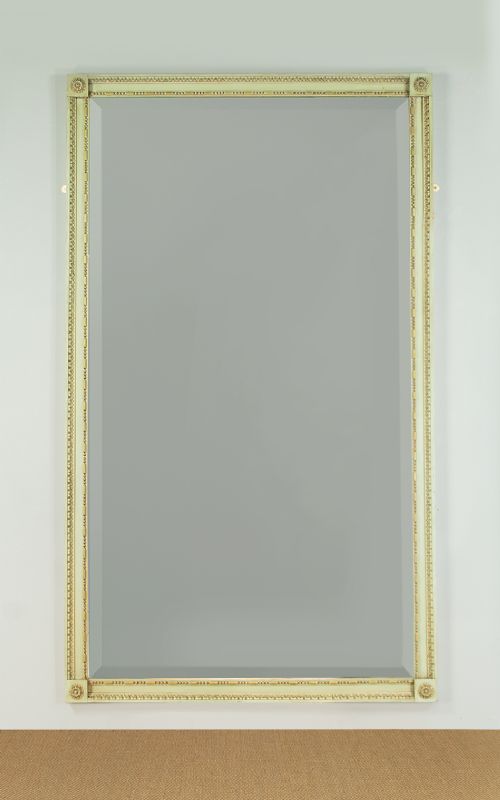
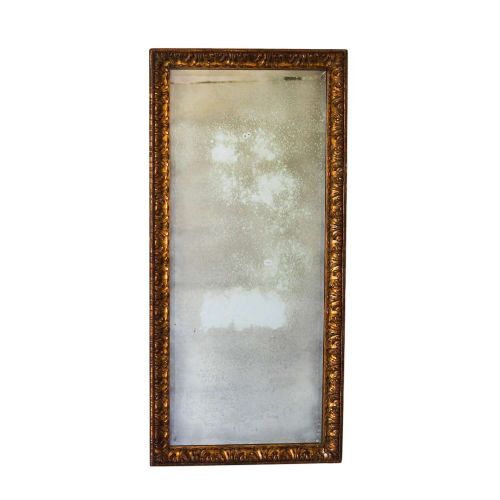
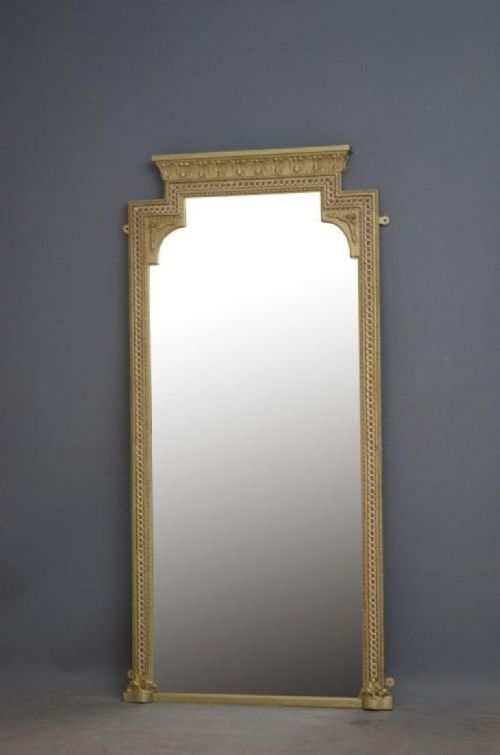


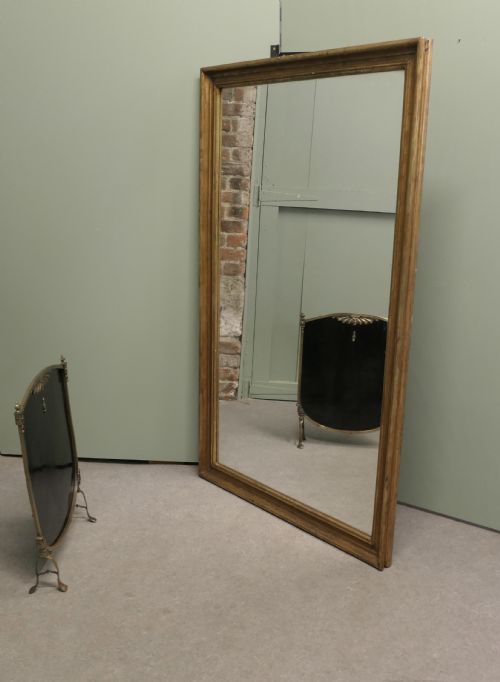
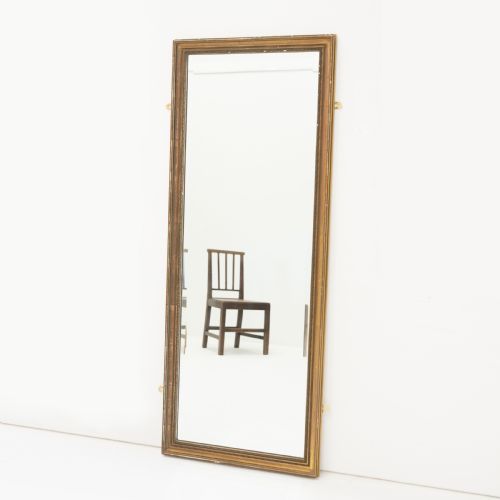


Gilded Rectangular Pier Mirror
These gilded rectangular pier mirrors bring height and reflected light to a room, exactly as they did when first placed between windows centuries ago.
Gilded Rectangular Pier Mirror
A gilded rectangular pier mirror is a wall-hanging glass plate set within a gilt frame, designed originally to hang on the narrow wall space between windows. The examples seen here span from the eighteenth century through the Regency period and into the nineteenth and early twentieth centuries, drawing on English and French workshops.
The forms range from restrained English Regency designs to ornate French nineteenth century and Edwardian interpretations. Buyers encounter taller rectangular formats alongside cushion-framed variants and overmantel combinations intended to anchor a principal room.
Originating in formal reception rooms to maximise natural daylight, these mirrors survive in both carved giltwood and gesso finishes. Each piece reflects the decorative priorities of its period, whether Neoclassical Revival symmetry or the simpler lines of early twentieth century production.
How they were made
The construction relies on timber frames built from wood, which serve as the foundation for layers of gesso. Artisans then applied gold leaf or gilding over the prepared surface to achieve a brilliant metallic sheen.
Mirror glass, occasionally bevelled, is fitted into the rebate of the frame, supported at the rear by traditional wooden backing boards. Carved details on eighteenth century and Regency pieces demonstrate hand-chiselled woodwork beneath the gilding.
Haberdashery shops once used oversized mirrors to help customers inspect outfits from every conceivable angle before purchase.
What varies in quality
Quality rests in the crispness of the carved wooden or gesso ornamentation and the depth of the gilding. Finer examples retain their original gold leaf layers, showing an even tone that integrates naturally with age.
The integrity of the mirror glass itself distinguishes finer items, particularly where original plates survive alongside well-proportioned rectangular frames. Superior craftsmanship is evident in the seamless joinery of the corners and the weight of the timber substructure.
The Gilded Rectangular Pier Mirror Glossary
- Pier mirror
- A tall mirror designed specifically for the wall space between two windows. These pieces often sat above a console table.
- Giltwood
- Timber that has been coated with gold leaf or a metallic powder finish. It provides a reflective surface that catches interior candlelight and daylight.
- Gesso
- A plaster mixture applied to wood frames to create a smooth surface for gilding. Carved details are frequently moulded in gesso.
- Regency
- A British design period spanning the early nineteenth century. Furniture and mirrors from this era often feature Neoclassical motifs.
- Bevelled glass
- Glass with an angled edge cut and polished around the perimeter. This technique adds a decorative prismatic border to the reflection.
Gilded Rectangular Pier Mirror: Frequently Asked Questions
Where should I hang a pier mirror?
These mirrors suit narrow wall spaces, hallways, or above low furniture such as sideboards and console tables. Their vertical proportions help draw the eye upward and brighten darker corners.
Historically, they occupied the pier wall between windows to reflect maximum light back into the room. Placing one opposite a window achieves a similar effect in a modern interior.
How do I clean a gilded frame?
Dust the frame gently with a dry, soft-bristled brush to remove surface particles without disturbing the gilt surface. Avoid liquid cleaners, polishes, or abrasive cloths entirely.
Moisture can lift gesso and gold leaf from the underlying wood. Professional conservation is recommended for deep cleaning or repairing damaged gilding.
Are these mirrors heavy?
The combination of dense timber, gesso, and glass makes these frames substantial in weight. Proper wall fixings into masonry or direct wooden studs are essential for secure hanging.
Wall fixings should be rated well above the actual weight of the mirror. Consult a professional installer if the wall construction is uncertain.
How do I tell a Regency mirror apart?
Regency mirrors typically display clean architectural lines influenced by classical antiquity, often featuring ebonised details or reeded frames. They differ from heavily carved eighteenth century Chippendale styles and more ornate Victorian pieces.
The proportions tend to be balanced and restrained, reflecting the neoclassical taste of the early nineteenth century.