


Regency Giltwood Pier Mirror
When you search for a regency giltwood pier mirror, you find vertical wall glasses designed to sit between tall windows.
Regency Giltwood Pier Mirror
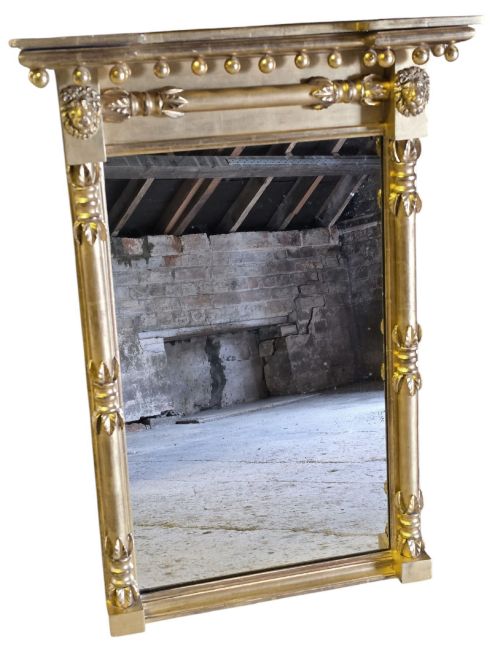
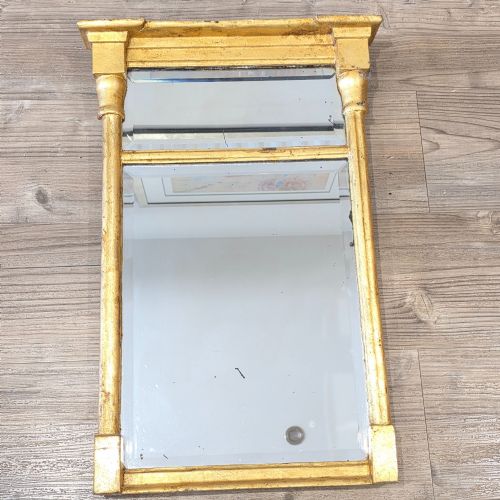
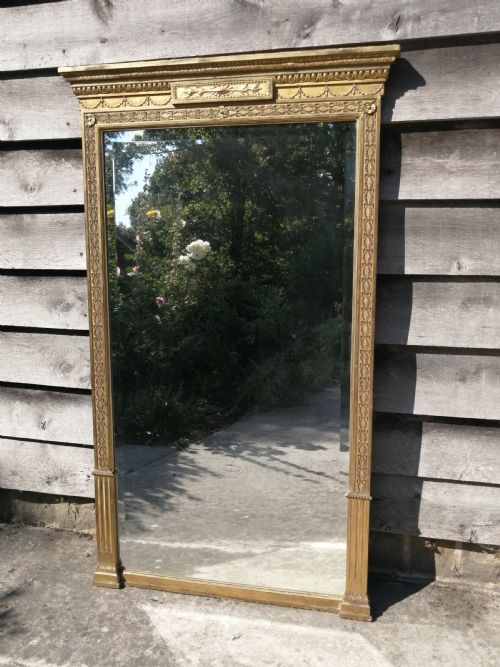
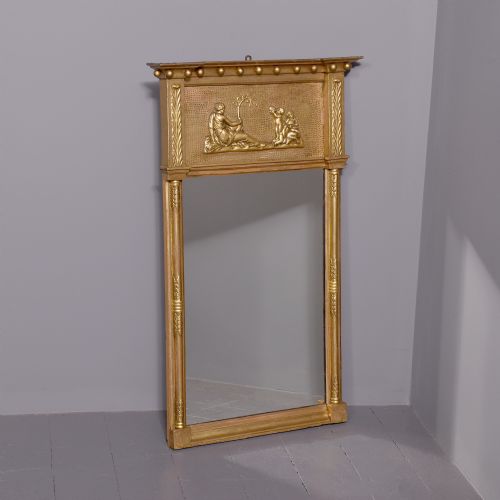
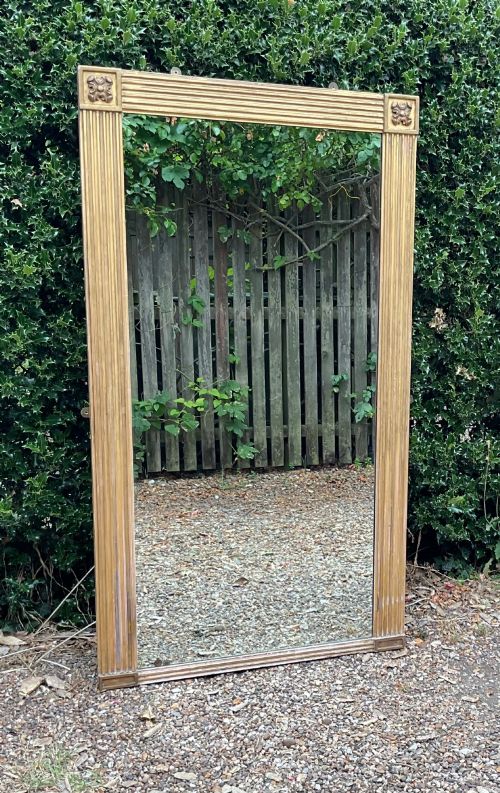
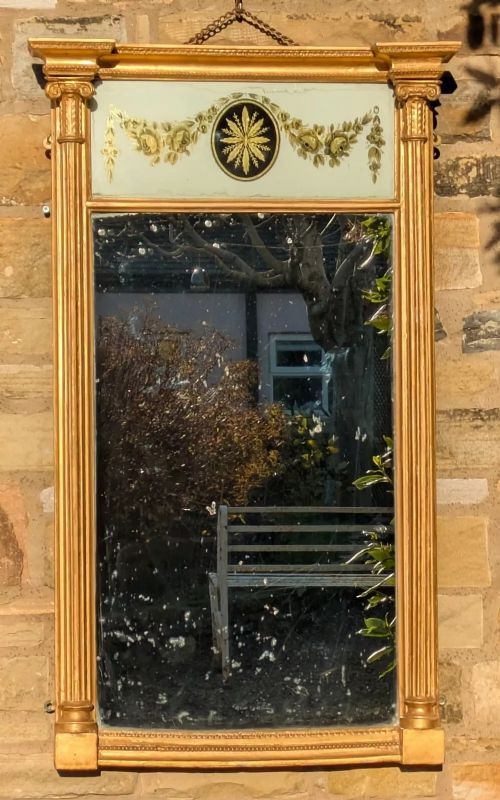
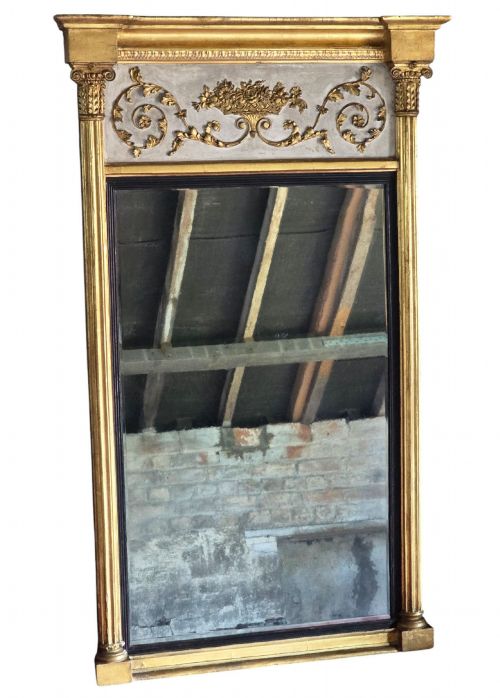
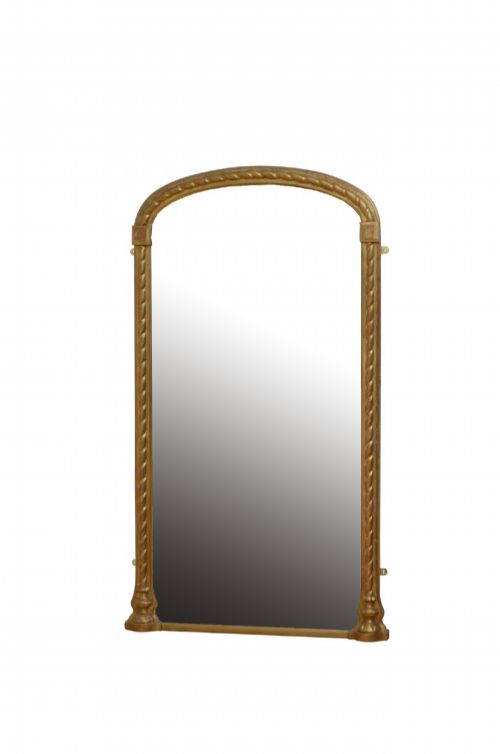
A regency giltwood pier mirror is a vertical wall glass designed to occupy the narrow wall space between windows, known as the pier. These objects date predominantly from the Regency period, the early nineteenth century, and the Georgian era, appearing frequently in subsequent nineteenth-century revivals.
The form is tall and upright, often framed by carved columns or pilasters, and occasionally paired with console tables or decorated with upper panels. Surviving examples range from neat, modest dimensions to generous proportions intended for large drawing rooms.
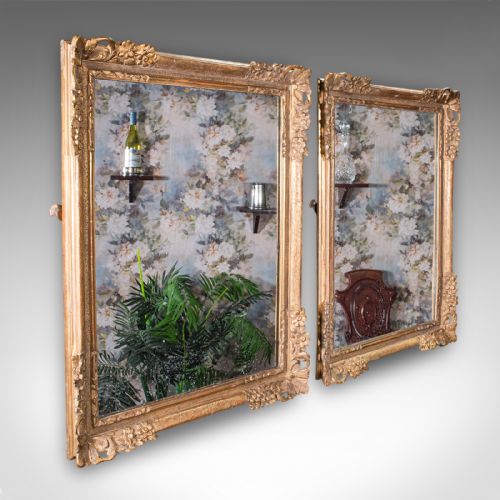
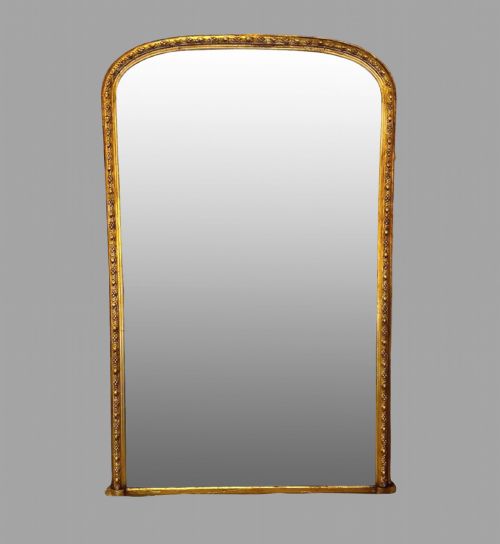
Most pieces seen here adhere strictly to the classic aesthetic of the early nineteenth century, though variations span from French Empire and Neoclassical styles to later Victorian revivals.
Materials and construction
Makers built these frames using timber carcase work ornamented with layered gesso, which accepted sharp, intricate carving before receiving a finish of gold leaf. Many surfaces combine genuine giltwood with moulded composition ornament to achieve crisp architectural details like rope carving or Egyptian Revival columns.
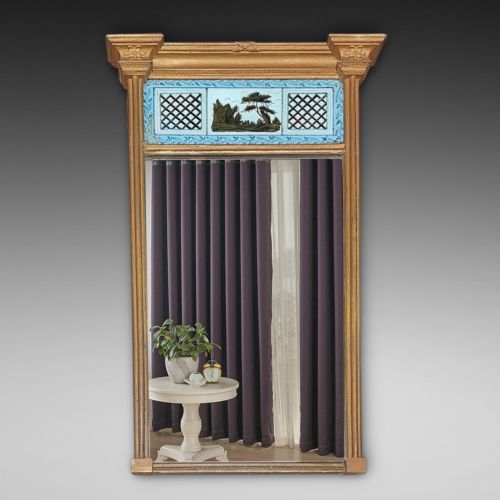
The optical core consists of original mirror glass plates, frequently accompanied by verre eglomise panels - reverse-painted glass sections set above the main looking glass. Ebonised wood and secondary timbers such as mahogany or walnut also appear within the construction of the frames and associated console tables.
Several mirrors include fierce lion masks keeping watch over the drawing room from the top of the frame.
Distinctions in quality
The upper tier of the range is defined by the survival of the original mirror plate and intact verre eglomise panels, showing the subtle ageing and foxing appropriate to the early nineteenth century. High quality manifests in the crispness of the carved gesso work and the depth of the gold leaf application over the timber carcase.
Finer examples display sophisticated decorative elements such as lion masks, carved rope moulding, or distinct architectural motifs like Egyptian Revival columns executed with precision. Lesser pieces rely more heavily on simplified composition mouldings and lack the refined proportions seen in authenticated works from notable makers.
Sir Willian Trotter
The Regency Giltwood Pier Mirror Glossary
- Pier mirror
- A vertical wall glass specifically proportioned to hang on the narrow expanse of wall between two windows. These objects were often positioned above small console tables to reflect light into formal rooms.
- Verre eglomise
- A process of cold painting and gilding on the reverse side of glass panels. In these mirrors, such panels are typically incorporated into the upper section of the frame above the main mirror plate.
- Gesso
- A plaster-like mixture applied to wooden frame substrates to provide a smooth, flexible surface for intricate carving and subsequent gilding. It allows for sharp relief details in Neoclassical and Regency ornamentation.
- Giltwood
- Timber, usually soft or hardwood, that has been coated with thin leaves of gold. This finish creates the luminous metallic surface characteristic of formal Regency wall furniture.
- Trumeau
- An architectural term for a wall section between openings, which evolved to describe mirrors featuring an integrated painted or glass panel above the main looking glass.
Regency Giltwood Pier Mirror: Frequently Asked Questions
Where were pier mirrors placed in historical homes?
These mirrors were traditionally hung on the narrow strip of wall situated between two tall drawing room windows. This placement maximised the natural light entering the room by reflecting it back across the floor.
They were frequently paired directly with matching console tables positioned immediately beneath the glass to create a unified architectural arrangement.
What is a verre eglomise panel?
A verre eglomise panel is a decorative section of glass featuring designs painted and gilded on the reverse side. Located at the top of the mirror frame, it adds colour and visual interest above the primary reflection.
These panels often feature dark backgrounds with classical motifs that complement the gilded architectural framing of the Regency period.
How do I date a Regency mirror?
Dating relies on examining construction methods, framing styles, and the characteristics of the glass plate itself. Early nineteenth-century examples often feature heavy gesso over timber, candle sconces, or distinct Neoclassical and Egyptian Revival motifs.
Original mirror plates frequently display slight distortions, uneven thickness, and characteristic ageing known as foxing, which helps distinguish period pieces from later nineteenth-century revivals.
Can these mirrors be hung safely on modern walls?
Yes, provided the weight of the timber and gesso frame is properly supported by appropriate wall fixings. Because many of these objects are exceptionally heavy, professional installation into structural wall studs or masonry is recommended.
Evaluating the stability of the original wooden backing and frame joints before hanging ensures the antique remains secure.