

Gilded Porcelain Cup Saucer
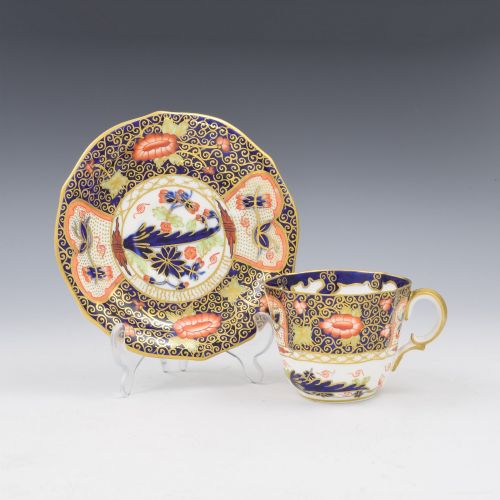
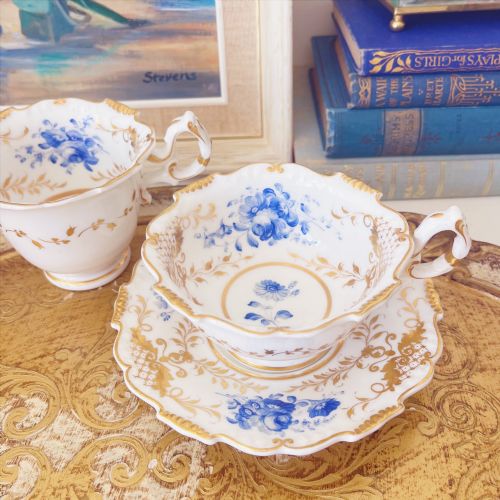
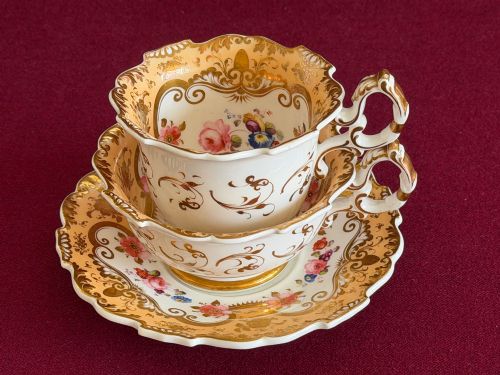
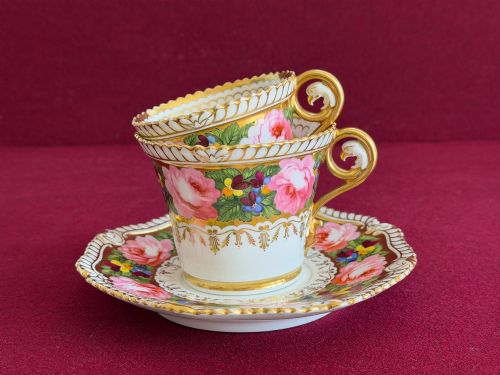
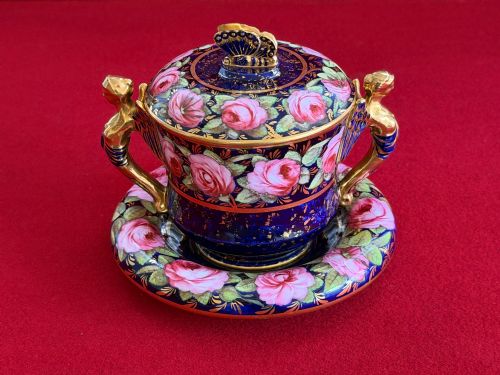
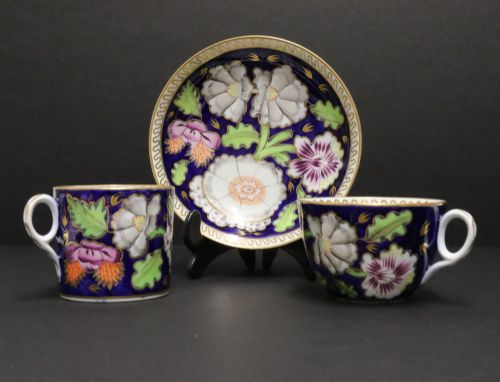
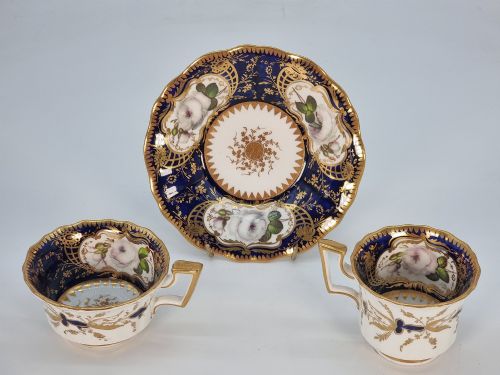
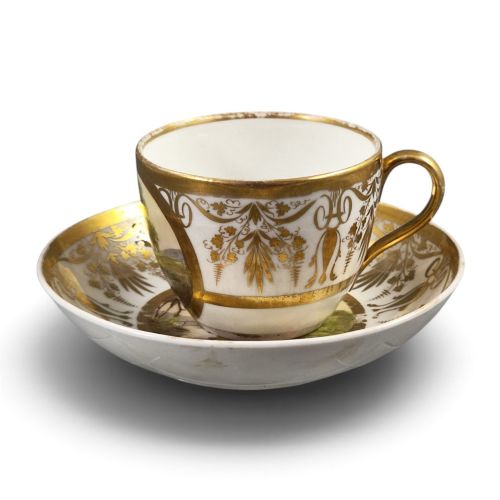
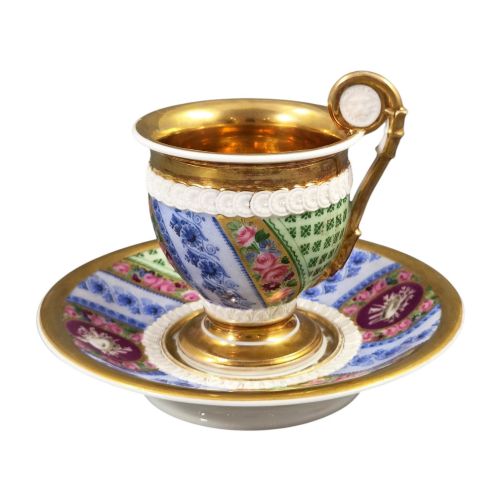
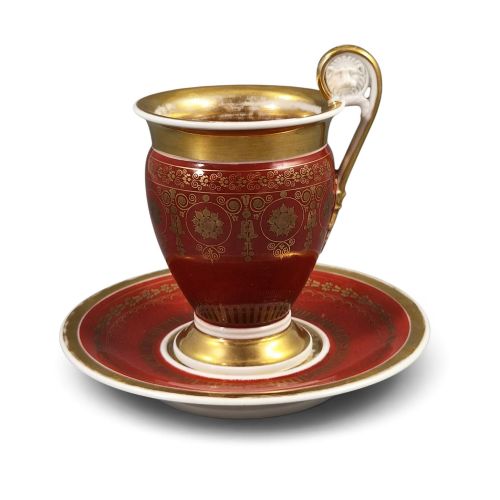
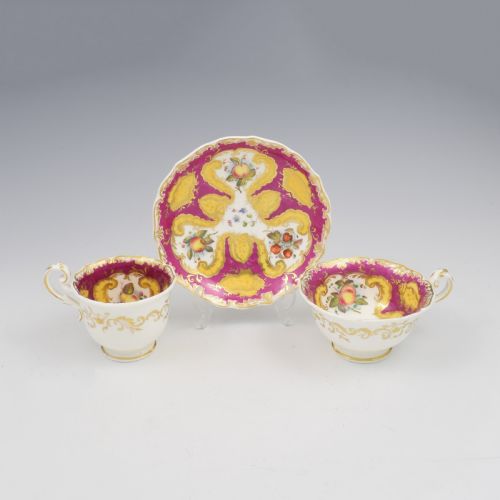
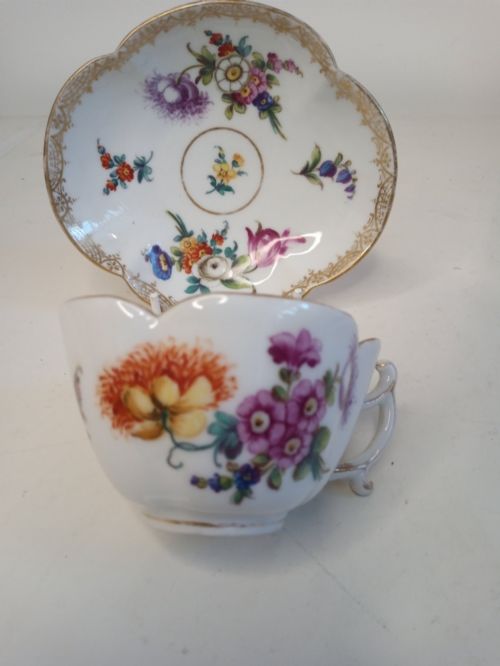
These gilded porcelain cup saucer sets span the eighteenth century to the early twentieth century, offering finely painted scenes and rich gold embellishment.
Gilded Porcelain Cup Saucer
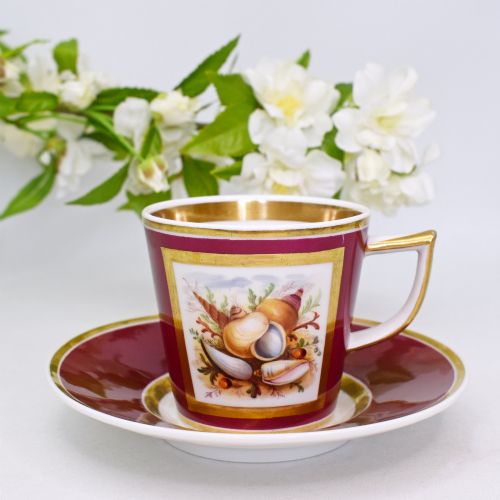
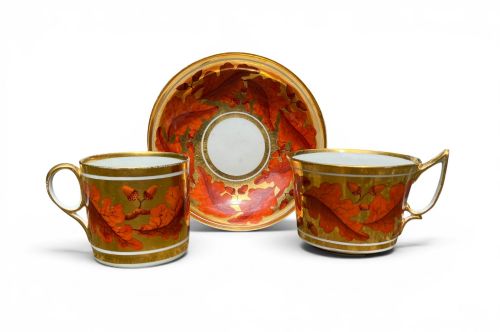
A gilded porcelain cup saucer set encompasses individual teacups, coffee cans, chocolate cups, and matching saucers produced across European and Chinese workshops. Pieces frequently arrive as part of larger trios or full tea services.
The selection ranges from eighteenth-century Worcester tea bowls to Regency, Victorian, and Edwardian productions, including continental examples from Berlin, Paris, and Russia. Forms include cabinet cups, image handles, and pedestal shapes.
Makers recorded in the evidence encompass English factories like Worcester, Coalport, Spode, Derby, and Minton alongside international manufacturers such as KPM Berlin and Old Paris.
Materials and Technique
Items utilise hard-paste porcelain, bone china, and ironstone as bodies, decorated with hand-painted enamels and applied gold leaf or gilding. Gold gilt highlights rims, handles, and intricate motifs.
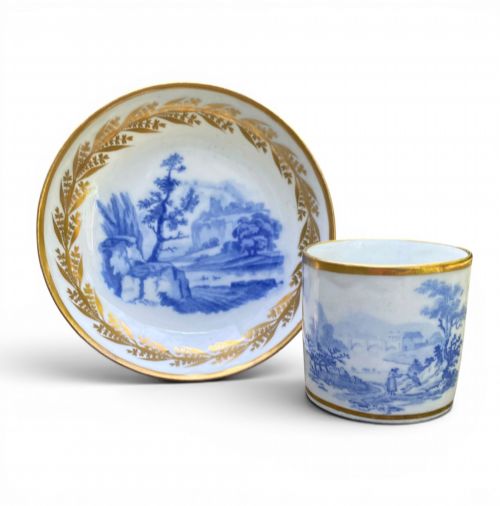
Techniques combine thrown or moulded ceramic bodies with meticulous brushwork, creating painted landscapes, birds, and botanical subjects framed by gilded detail.
Listings feature hard-paste porcelain, bone china, and ironstone decorated with gold leaf, enamel, and hand-painted motifs across multiple centuries.
Quality and Execution
Quality rests upon the precision of the hand-painted decoration, the weight and purity of the porcelain body, and the depth of the gold gilding. Superior examples display intricate pictorial scenes and crisp moulded handles like lion masks.
Factory attribution also influences standing, with named porcelain works such as Flight Barr and Barr or Chamberlain Worcester commanding distinct interest compared to unmarked wares.
Royal Crown Derby·H & R Daniel·Chamberlain Worcester·Spode·Newhall·Coalport·KPM Berlin·Flight & Barr·Rockingham·Minton·Sevres·Grainger's Worcester·Flight Barr & Barr·Hicks Meigh And Johnson·Kusnetzoff·Royal Worcester·Doric China
The Gilded Porcelain Cup Saucer Glossary
- Cabinet cup
- A decorative cup and saucer intended for display rather than everyday use. These pieces often feature elaborate painted landscapes or portraits.
- Coffee can
- A straight-sided cylindrical cup designed specifically for drinking coffee. They frequently accompany matching saucers in Regency sets.
- Trio
- A matched set consisting of a teacup, a coffee cup or tea bowl, and a saucer. They were popular in nineteenth-century English porcelain services.
- Hard-paste porcelain
- A durable ceramic composition fired at high temperatures using kaolin and petuntse. It provides a bright white base for enamels and gilding.
Gilded Porcelain Cup Saucer: Frequently Asked Questions
What is the difference between a tea bowl and a teacup?
Tea bowls were produced without handles during the eighteenth century, requiring the drinker to hold the vessel directly in the hands.
Teacups with applied handles emerged later, offering a more secure grip as hot beverages became standard.
How do I identify a coffee can?
Coffee cans feature straight, vertical sides without the flared rim typical of teacups. They were shaped to keep coffee warm while seated in a saucer.
Many Regency sets paired one coffee can alongside a wider teacup and saucer to form a trio.
Were these cups used daily?
Many surviving pieces functioned as part of afternoon tea services in wealthy households. Elaborate cabinet cups, however, were made strictly for display behind glass.
Hand-painted gilt decoration meant owners often reserved these ceramics for special guests.
How can I tell the period?
Factory marks printed or painted underneath the glaze offer the most reliable guide to dating. Stylistic details, such as Regency shapes or Victorian blush ivory grounds, also indicate the era.
Porcelain bodies transitioned from soft-paste compositions to refined bone china and hard-paste over time.