
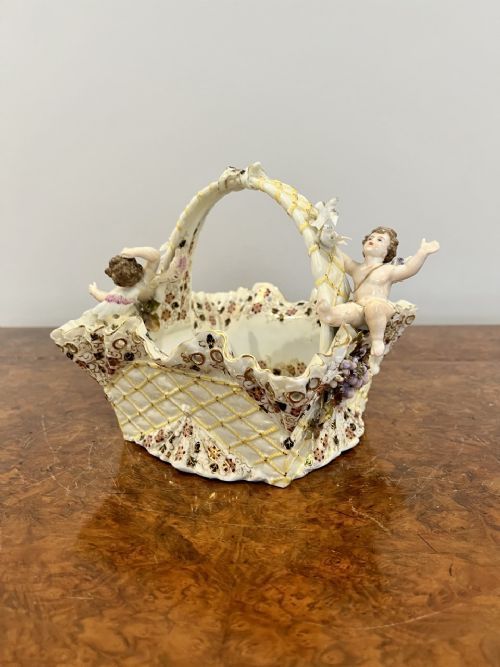


Gilded Porcelain Basket
These gilded porcelain basket pieces bring refined historical artistry to a room, offering ornamental appeal through intricate ceramic forms and metallic highlights.
Gilded Porcelain Basket
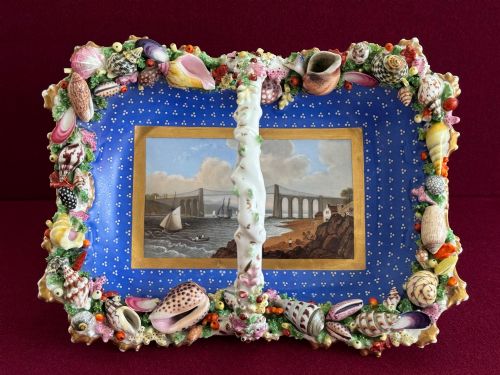
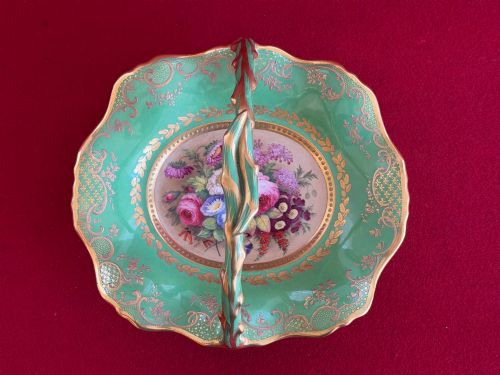
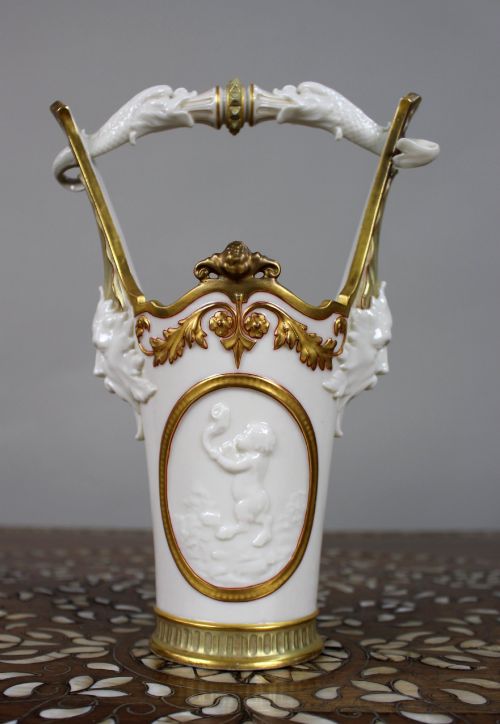
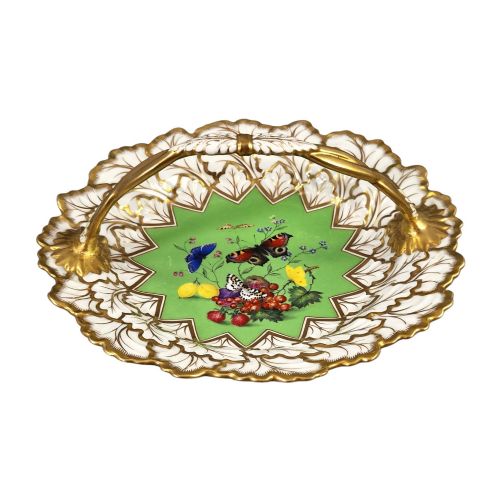
A gilded porcelain basket combines glazed ceramic bodies with metallic leaf or paint, resulting in decorative containers and figural groupings that reflect historical tastes from the Georgian era through to the early twentieth century. Collectors encounter various forms here, ranging from topographical landscape views to figural sweetmeat dishes and flower-encrusted centerpieces.
Most examples function primarily as decorative objects or centrepieces rather than utilitarian vessels, often incorporating applied botanical details or hand-painted scenery. Buyers find both standalone decorative baskets and porcelain figures holding baskets among the available selections.
Materials and production techniques
Makers shaped fine ceramic and porcelain bodies, frequently combining moulded structural elements with meticulous hand-modelling for botanical or figural additions. Applied flowers and intricate handles required immense skill from artisans before the initial firing stages.
Painters applied enamel colours and detailed landscape scenes by hand, often depicting specific British or European locations. Artisans then added gold leaf, gilding, or gilt highlights to rims, handles, and decorative motifs before a final low-temperature firing to fix the metallic sheen.
Listings span the nineteenth century, incorporating Regency, Victorian, and Edwardian periods with materials including porcelain, enamel, and gold leaf.
Factors determining quality
The precision and delicacy of the hand-modelled elements separate standard output from superior work, particularly in the crispness of applied flower petals and the naturalism of figural drapery. Early nineteenth-century examples often display sharper relief moulding in comparison to later mass-produced wares.
The preservation of the hand-painted enamel and the integrity of the gold leaf application heavily influence desirability. Superior items retain rich, burnished gilding without rubbing, alongside finely detailed miniature landscape paintings or crisp cobalt and polychrome borders.
Flight Barr And Barr·Royal Worcester·Rockingham Porcelain·Samson Of Paris·Chamberlain Worcester·Royal Dux Bohemia·Meissen Porcelain·Volkstedt Porcelain·Limbach Porcelain
The Gilded Porcelain Basket Glossary
- Gilding
- The application of gold leaf or gold powder to the surface of porcelain. This technique creates metallic highlights that contrast with the white ceramic body.
- Sweetmeat figure
- A small porcelain sculpture designed to hold small confections or nuts during formal dining. These figures often depict musicians, vendors, or pastoral characters.
- Enamel
- Vitreous coloured glass fused to the porcelain surface during firing. It provides the vibrant palette seen on painted landscape views and floral motifs.
- Biscuit porcelain
- Unglazed ceramic fired once to a matte, porous state. It resembles marble and appears frequently on figures from continental factories.
- Flower encrusted
- A decorative technique involving individually shaped ceramic blooms applied by hand across the surface. Artisans often tint these petals with delicate enamel colours.
Gilded Porcelain Basket: Frequently Asked Questions
How were antique porcelain baskets used originally?
These pieces served primarily as ornamental centrepieces for dining tables or decorative display items on mantelpieces and sideboards. Figures holding baskets often functioned as sweetmeat holders for small delicacies during formal gatherings.
Over time, their role shifted entirely to cabinet pieces and interior decoration, prized for their detailed craftsmanship and hand-painted vistas.
How do I identify a Regency period piece?
Regency items, particularly those from Worcester factories, typically feature refined neoclassical shapes combined with rich gilding and carefully rendered topographical views. The paste used in this era often has a specific weight and translucency characteristic of early nineteenth-century British production.
Consulting factory marks and comparing the style of painted landscapes helps confirm the manufacturing window between eighteen hundred and eighteen thirty.
What is flower encrusted porcelain?
This decorative method involves artisans hand-modelling individual petals and leaves and attaching them densely to the basket body or base before firing. It requires exceptional dexterity to prevent the delicate ceramic flowers from collapsing in the kiln.
Such work appears frequently on nineteenth-century pieces from British and European kilns, adding rich texture and three-dimensional depth.
How should I care for gilded porcelain?
Keep these items away from direct sunlight and areas prone to heavy temperature fluctuations to protect the enamel and ceramic body. Dust them very gently with a soft, dry brush rather than using water or cleaning solutions.
Because the gold leaf and enamel can be sensitive to abrasion, handle the pieces by their sturdy structural sections rather than applied flowers or delicate handles.