

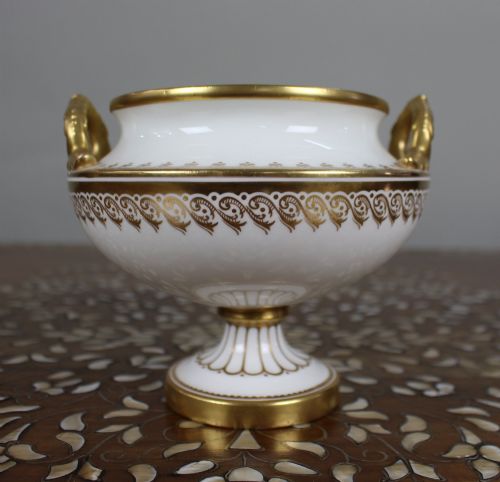
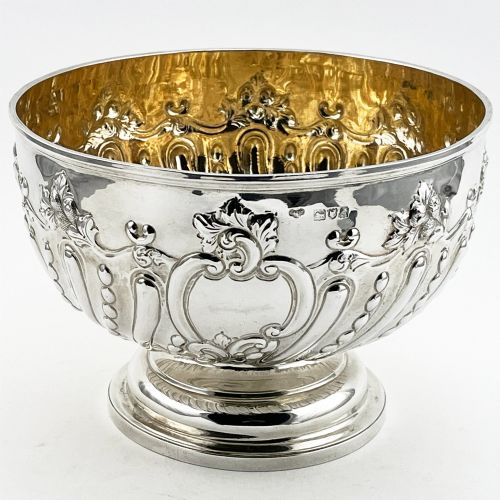
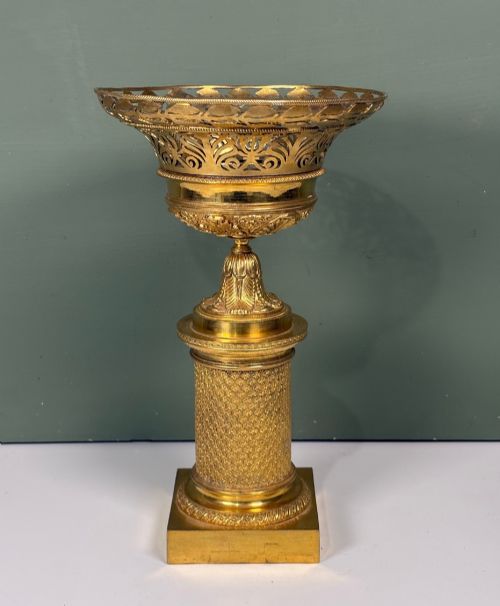
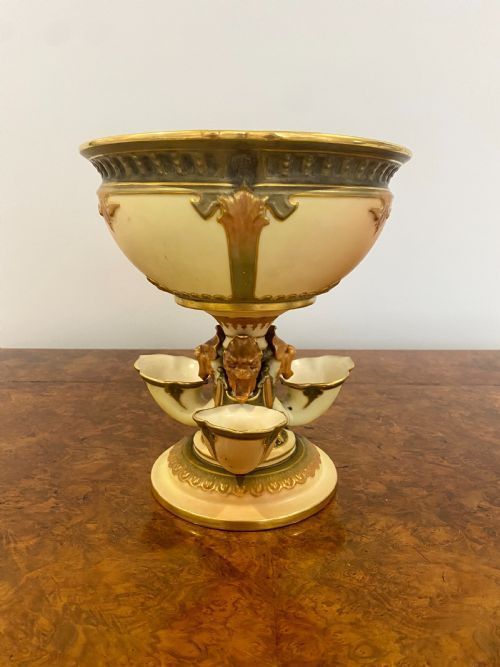


Gilded Pedestal Bowl
These gilded pedestal bowl pieces are elevated serving vessels and centrepieces, prized for their rich ornamentation and historical presence on any dining or display table.
Gilded Pedestal Bowl
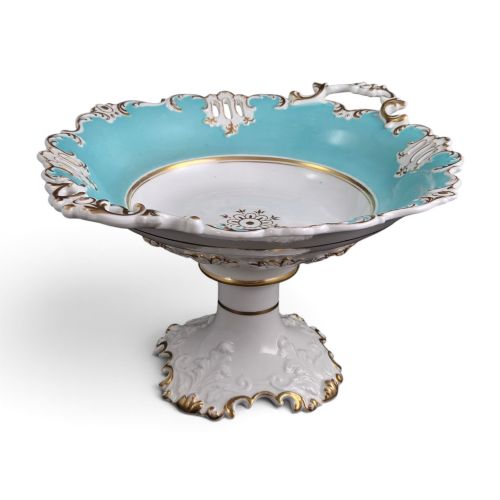
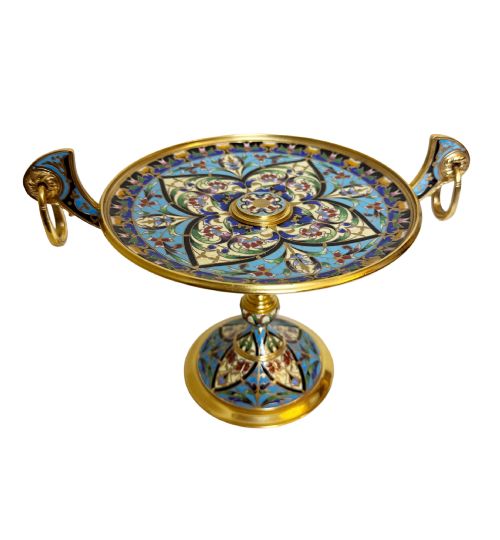
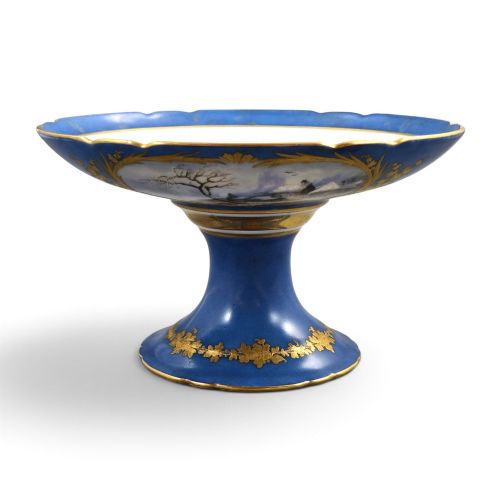
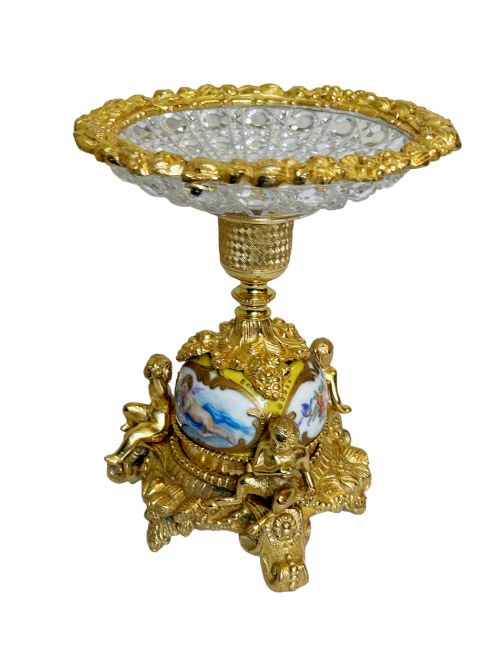
A gilded pedestal bowl serves as a grand focal point, often taking the form of a tazza, comport, or centrepiece raised on a distinct foot. When you search for a gilded pedestal bowl, you encounter diverse nineteenth-century iterations ranging from ornate French ormolu mounts to delicate English bone china.
The selection encompasses Victorian and Edwardian examples alongside earlier nineteenth-century productions, frequently manifesting as tazzas or decorative centrepiece bowls. These vessels were historically designed to display fruit, sweetmeats, or simply to command attention in a formal reception room.
Originating across European centres of production, these pieces combine functional vessel forms with sculptural metalwork, porcelain, or glass. The elevation provided by the pedestal gives each piece a distinct architectural quality suited to traditional interiors.
Materials and construction methods
The fabrication of these pieces relies on the union of vitreous or ceramic bodies with applied metalwork, utilising porcelain, bone china, and glass alongside gilt bronze and ormolu. Glass examples frequently feature engraved or overlaid decoration, while ceramic bodies showcase hand-painted scenes or enamel work.
Gilding was applied using gold leaf or mercurial gilding techniques on bronze mounts, creating a durable and lustrous finish that highlights the cast or chased details. Master craftsmen combined materials such as marble, cut crystal, and pewter to construct complex multi-part garnitures and tazzas.
Gilded Pedestal Bowl Retail Price Guide 2026
Typical asking prices for gilded pedestal bowl among the pieces listed under this phrase on Sellingantiques today, from the lower quarter to the upper quarter. They describe what is for sale here now, not the wider market.
Some nineteenth-century glass tazzas were designed with such enthusiasm for grapes that the foliage appears to be escaping the rim.
Assessing quality and execution
Quality reveals itself in the crispness of the casting on bronze or ormolu mounts and the fineness of hand-painted details on porcelain surfaces. Superior examples demonstrate a careful balance between the supporting pedestal and the upper vessel, ensuring structural harmony alongside decorative brilliance.
The depth and preservation of the gilding further distinguish exceptional pieces from standard production, as does the clarity and weight of cut crystal or coloured glass components. Maker attribution and the complexity of integrated elements like enamel plaques or figural supports elevate the standing of an individual piece.
Royal Worcester·Mason·Orivit·Sèvres·Coalport
The Gilded Pedestal Bowl Glossary
- Tazza
- An elevated shallow bowl or cup on a pedestal foot, traditionally used for serving fruit or small dishes at the table. This form serves as a primary precursor to the modern decorative centrepiece.
- Ormolu
- Finely ground high-carat gold applied to a bronze base using a mercury amalgamation process, popular in French decorative arts. It provides a warm, enduring metallic lustre.
- Comport
- A decorative dish or bowl raised on a high foot, frequently utilised during the nineteenth century for dessert services. These pieces often match larger garniture sets.
- Champlevé
- An enamelling technique where troughs are carved into the metal surface and filled with vitreous paste before firing. This creates intricate patterns of coloured glass within a metallic framework.
- Garniture
- A set of three or more decorative objects designed to be displayed together on a mantelpiece or sideboard. They typically comprise a central urn or tazza flanked by matching companions.
Gilded Pedestal Bowl: Frequently Asked Questions
How were these pedestal bowls used historically?
These vessels occupied prominent positions on dining tables, sideboards, or mantelpieces, often serving as centrepieces for formal meals. They held fruit, sweetmeats, or simply acted as decorative display items to demonstrate household status.
In larger reception rooms, matching garniture sets created a unified visual scheme across furniture surfaces.
How should I clean and maintain gilt bronze?
Maintenance requires gentle dusting with a soft, dry microfibre cloth to prevent the accumulation of particles without disturbing the underlying surface. Water and chemical cleaning agents must be avoided, as they can strip or discolour delicate gold leaf and ormolu finishes.
Handling should be done with clean hands or cotton gloves to protect vulnerable metallic patinas from natural skin oils.
Can I use these antique bowls for serving food today?
While structurally sound, many nineteenth-century pieces feature delicate enamel work, hand-painted glazes, or mercury gilding that can be compromised by modern detergents and acidic foods. It is generally advisable to treat them as decorative display objects rather than functional tableware.
Dry contents such as fruit or potpourri can be displayed safely without risking moisture damage to the interior surfaces.
How do I identify French nineteenth-century ormolu mounts?
French ormolu mounts from the nineteenth century typically display precise hand-chasing after casting, which sharpens details like foliage and scrollwork. The underlying bronze has a heavy, substantial feel, and the gold coloration exhibits a deep, rich hue.
Examining the underside often reveals construction screws or pins consistent with period manufacturing techniques.