



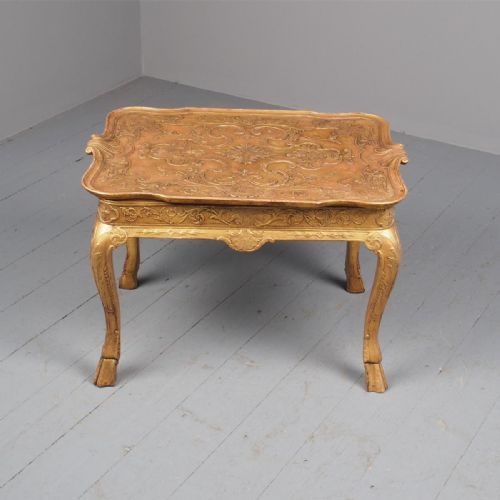


Gilded Low Table
A gilded low table brings metallic warmth and low proportions to a room, offering surface space with an ornate decorative finish.
Gilded Low Table
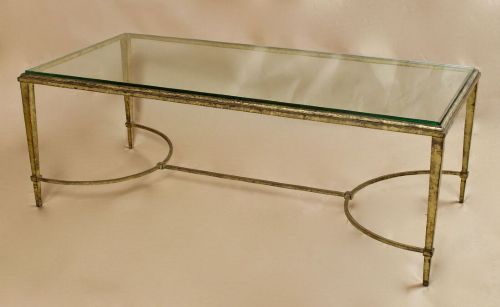
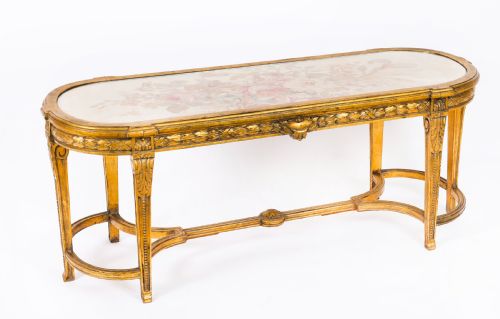
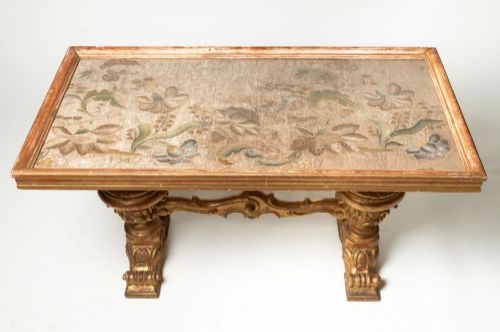
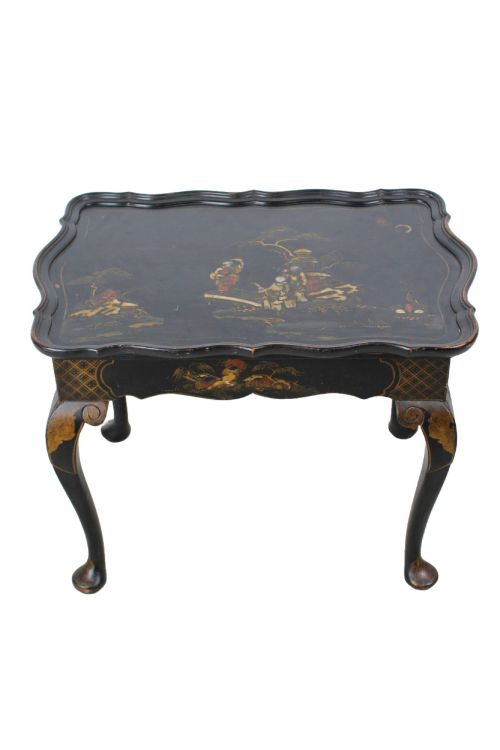
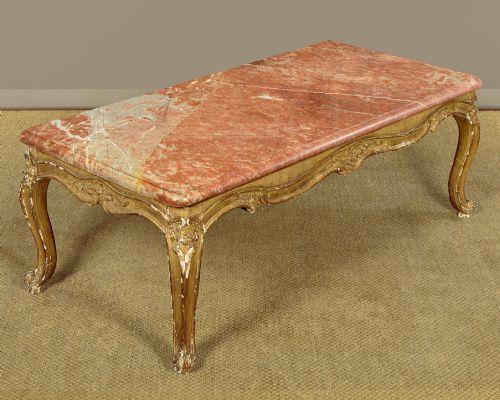
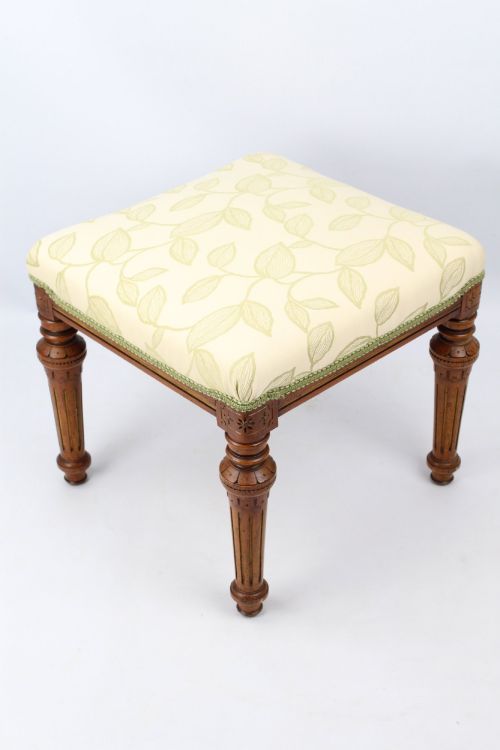
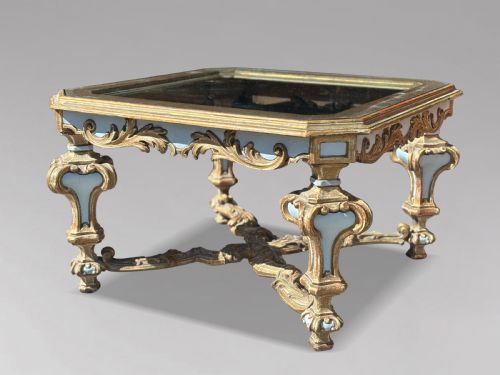
A gilded low table combines low-level surface utility with a metallic gold or silver finish, appearing across coffee tables, occasional tables, and low stools from the nineteenth and early twentieth centuries. These pieces draw on French Neoclassical, Italian Baroque, and Edwardian Chinoiserie styles, reflecting diverse aesthetic traditions from periods such as the Edwardian era and the nineteen-twenties.
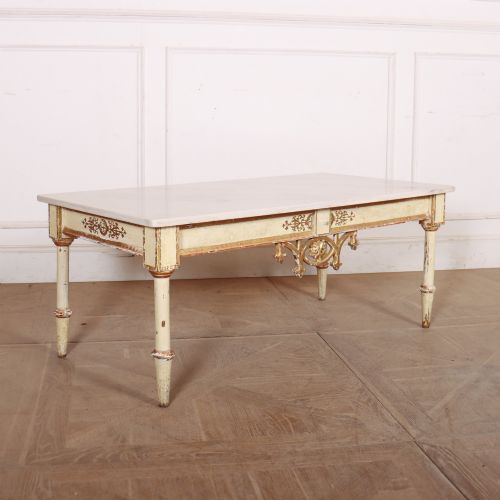
Buyers will most frequently encounter low coffee tables and occasional tables featuring painted wood, giltwood, and marble tops. Proportions tend to be compact, accommodating various interior spaces while retaining the decorative characteristics seen in revival designs like Louis XVI and French Rococo.
Materials and construction
Construction relies heavily on wood frameworks finished with gesso, paint, or applied leaf to achieve the characteristic gilt surface. Many examples incorporate inset marble or glass tops, providing durable upper surfaces supported by carved wooden frames.
Makers utilised techniques ranging from hand-applied paint and parcel-gilding to detailed lacquering, particularly in pieces influenced by Chinoiserie styles. These material combinations create the reflective surfaces and ornate detailing typical of the period.
Gilded Low Table Retail Price Guide 2026
Typical asking prices for gilded low table among the pieces listed under this phrase on Sellingantiques today, from the lower quarter to the upper quarter. They describe what is for sale here now, not the wider market.
Evaluating craftsmanship
Quality depends on the precision of the carving and the application of the gilding or paintwork across the wooden frame. Finer examples display crisp detail in gesso work and secure fitting of marble or glass inserts within the table structure.
The integrity of the underlying timber and the depth of the finish separate standard items from superior pieces. Hand-finished details and original decorative schemes indicate higher workshop standards.
Harrods·E Daligny
The Gilded Low Table Glossary
- Giltwood
- Wood that has been coated with gold leaf or a gold-coloured metallic finish. This technique creates a bright, reflective surface characteristic of many formal tables.
- Gesso
- A plaster-like mixture applied to wood surfaces as a base for paint or gilding. It allows craftsmen to carve intricate relief details before finishing.
- Chinoiserie
- A decorative style reflecting European interpretations of Chinese art and motifs. It frequently appears on lacquered tables with painted figures and landscapes.
- Parcel-gilt
- A finish where only specific parts of an object are gilded, leaving other areas painted or exposed as natural wood. This creates contrast within the carved design.
Gilded Low Table: Frequently Asked Questions
What periods do these tables come from?
The available pieces span the nineteenth and early twentieth centuries, including Victorian, Edwardian, and nineteen-thirties examples.
Design styles draw heavily on earlier European movements, such as French Neoclassical and Italian Baroque revivals.
What materials are used on the tops?
Tops frequently feature inset marble, glass, or painted wood surfaces supported by gilded frames.
Some examples also utilise lacquered finishes or tray top designs for functional use.
Are these tables suitable for daily use?
Most pieces function well as coffee tables, occasional tables, or low stands in living spaces.
Care should be taken with delicate gilded surfaces and inset stone or glass tops during everyday placement.
How do revival styles differ from original periods?
Revival pieces, such as those from the Louis XVI or Italian Baroque revivals, adapt historical motifs for later interiors.
Construction techniques and materials typically reflect the manufacturing standards of the nineteenth or early twentieth century rather than the original eighteenth-century dates.