




Gilded Low Seat
These gilded low seat examples bring gold leaf, velvet, and low proportions into period interiors.
Gilded Low Seat
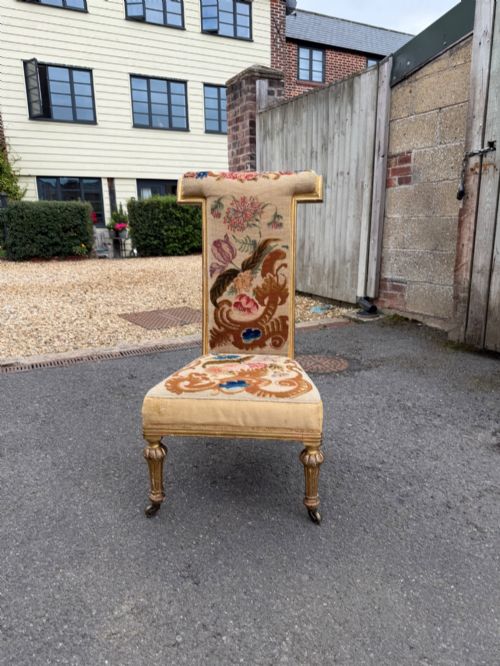
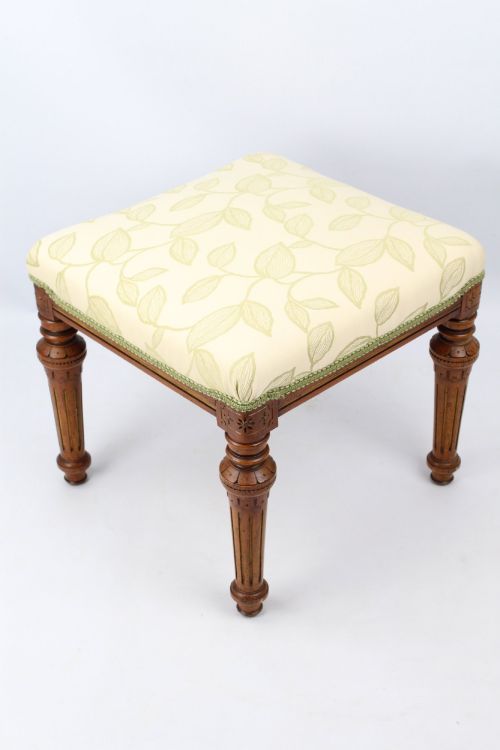
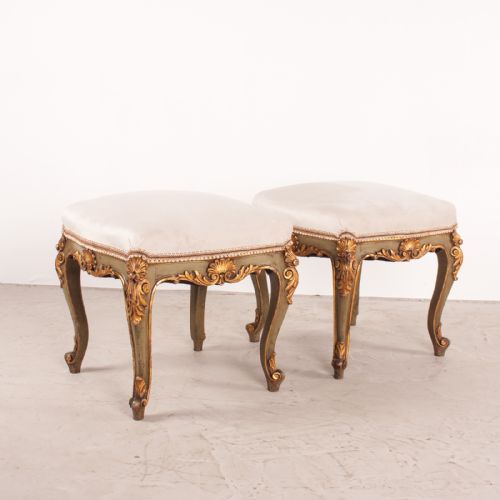
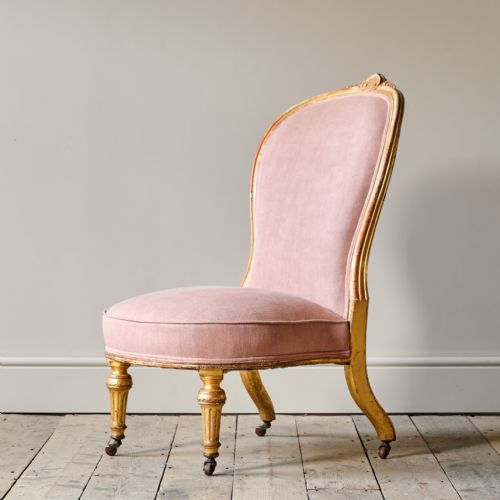
A gilded low seat brings decorative presence and low seating to period rooms, taking the form of stools, nursing chairs, and bedroom chairs. These pieces sit low to the ground, designed for dressing areas, bedrooms, and intimate reception spaces.
The versions most commonly met on this page date from the nineteenth century and the Edwardian period. They span styles from Victorian Rococo Revival and Continental Rococo to Louis XVI style, Edwardian Chinoiserie, and Middle Eastern designs.
How they were made
Makers shaped these low frames from timber such as oak, applying giltwood, gold leaf, silver gilt, paint, or ebonisation to the surfaces. Carved details define the structures, reflecting nineteenth-century and Edwardian craftsmanship.
Upholstery forms an essential part of these pieces, incorporating fabric, textile, velvet, needlepoint, and wool. These materials combine with brass components on selected frames to complete the construction.
Some nineteenth-century makers lowered seat heights specifically for Victorian dressing rituals, creating chairs that still make guests smile at their petite scale.
What varies in quality
Quality reveals itself in the crispness of the carved woodwork and the depth of the gilding on the frame. Superior examples display refined proportions and hand-carved detail rather than plain or cast decoration.
The execution of the upholstery and the choice of textile also separate standard production from finer work. Intricate needlepoint or rich velvet elevates the overall character of the seat.
Lamb of Manchester
The Gilded Low Seat Glossary
- Giltwood
- Timber coated with gold leaf or metal leaf to create a bright, reflective surface. This finish defines many nineteenth-century low seats.
- Nursing chair
- A low-seated chair historically designed for feeding infants or personal grooming. These items feature short legs and upholstered backs.
- Prie Dieu
- A devotional chair fitted with a low shelf or kneeling rail. Nineteenth-century examples often incorporate gilt decoration.
- Chinoiserie
- European decorative style imitating Chinese artistic traditions. Edwardian makers applied this aesthetic to black lacquered footstools.
Gilded Low Seat: Frequently Asked Questions
What is a gilded low seat?
A gilded low seat is a historic chair or stool designed with short legs and a gold-leaf or gilt finish. These forms include nursing chairs, slipper chairs, and low stools.
They were intended for bedrooms, dressing rooms, and intimate sitting areas where lower furniture provided comfort and decorative elegance.
How were these chairs used?
Historic users placed these seats in bedrooms and dressing rooms for daily routines like lacing boots or styling hair. Their low stature made them practical for close-up tasks.
Over time, they also served as decorative accent pieces in formal reception rooms and parlours.
How do I date a gilded low seat?
Dating relies on examining the underlying wood, the style of the carving, and the gilding technique. Nineteenth-century pieces often show revival styles like Rococo or Louis XVI.
Edwardian examples introduce different decorative motifs, such as black lacquered Chinoiserie finishes, distinguishing them from earlier Victorian pieces.
How do I live with one?
Integrate a gilded low seat into a modern interior as an accent piece in a bedroom or beside a fireplace. Their compact proportions allow them to fit easily into smaller spaces.
Protect the gilt surface from moisture and direct sunlight, and treat historic textiles with gentle cleaning methods.