

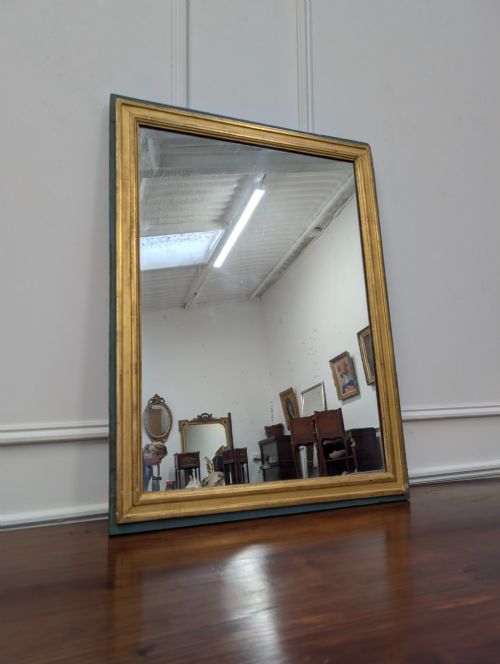

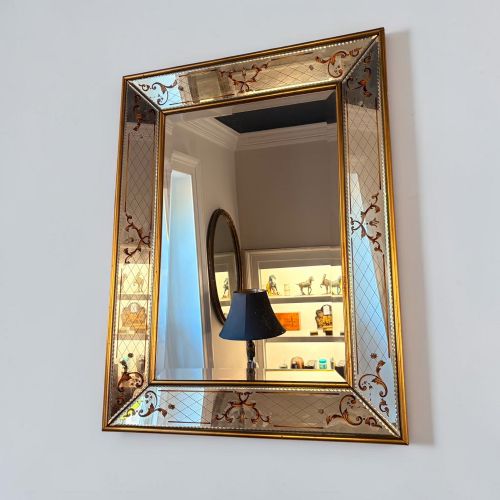

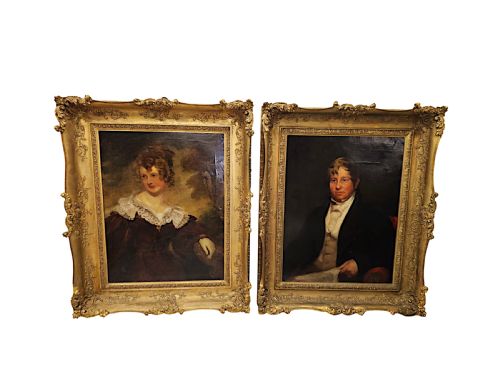
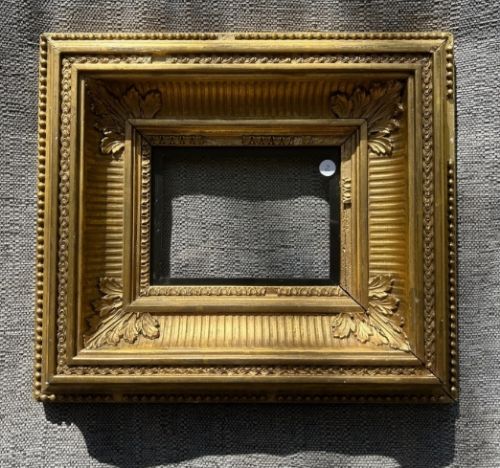


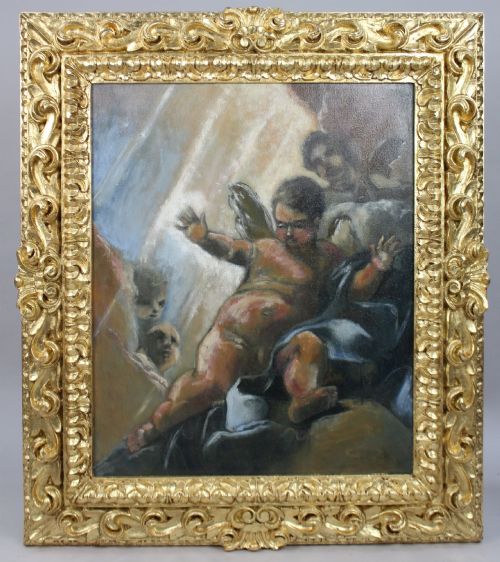

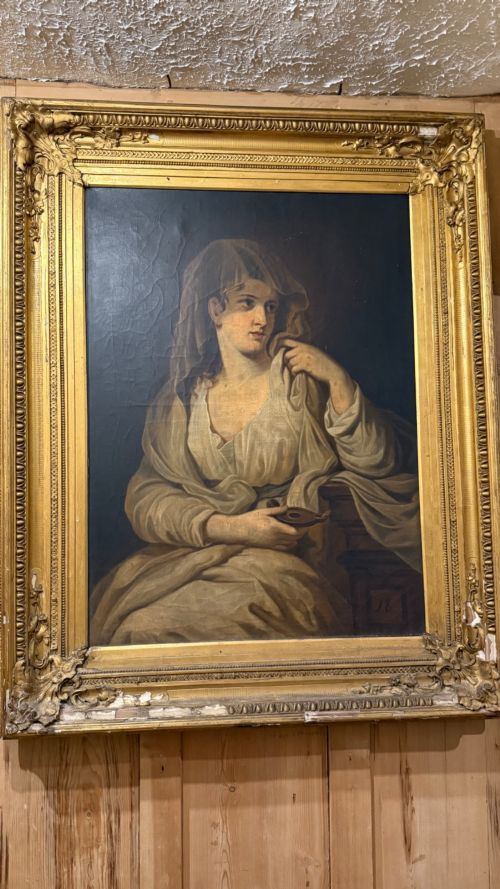
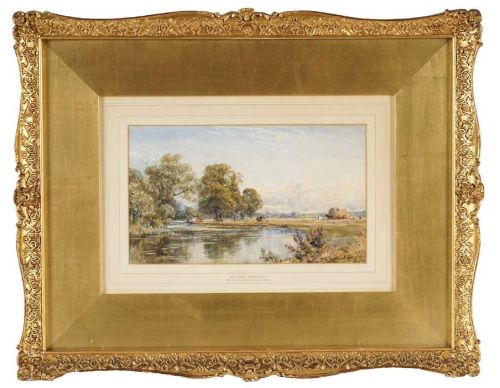
Gilded Leaf Frame Painting
A gilded leaf frame painting brings together the reflective gleam of gold leaf and the focused depth of canvas, paper or wood.
Gilded Leaf Frame Painting
A gilded leaf frame painting unites traditional framing craft with pictorial art spanning the seventeenth through to the early twentieth centuries. These works include oil on canvas portraits, delicate watercolours, tempera icons and pastels enclosed within ornamented surrounds.
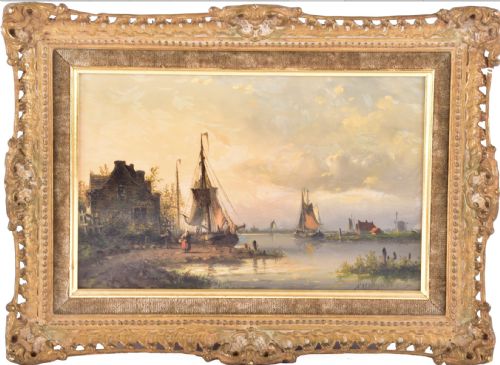
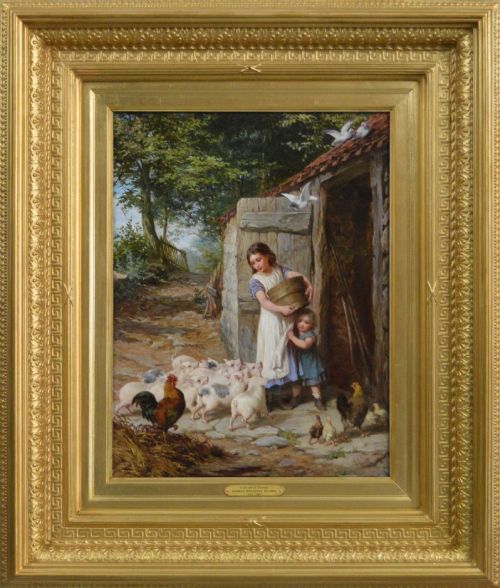
The assortment on this page reflects a wide range of historic periods, moving from seventeenth-century Dutch and French portraiture through Victorian genre scenes to the decorative mirrors and picture frames of the early nineteen-hundreds. Buyers encounter works shaped by Renaissance Revival, French Baroque, Regency and Rococo tastes.
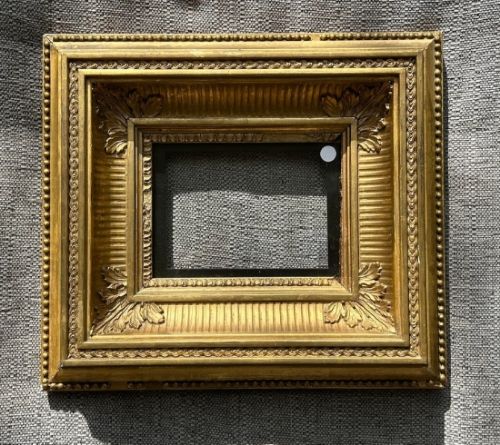
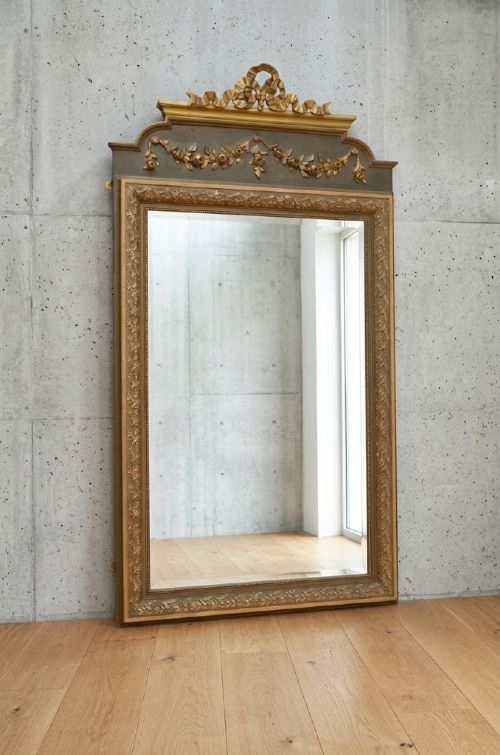
The primary focus rests on the interplay between the artwork itself and the reflective, metallic surface of its housing. Giltwood and gesso frames amplify the visual weight of the paintings, turning flat wall art into sculptural focal points.
How they were made
Makers built the foundational structures of these pieces using timber, applying layers of gesso to smooth the surface before laying down fine gold leaf or gilt. This preparation allowed carvers to shape intricate details, scrollwork and mouldings that caught ambient light.
Artisans applied oil paint, tempera, watercolour or pastel onto stretched canvas, prepared wood panels, paper or glass supports. The integration of verre eglomise panels and painted wood bindings demonstrates a breadth of decorative techniques alongside traditional easel painting.
Gilded Leaf Frame Painting Retail Price Guide 2026
Typical asking prices for gilded leaf frame painting among the pieces listed under this phrase on Sellingantiques today, from the lower quarter to the upper quarter. They describe what is for sale here now, not the wider market.
Materials recorded on this page include oil on canvas, watercolor, tempera, glass, gesso, giltwood and paper.
What varies in quality
The standard of carving and the purity of the gilding set individual pieces apart, distinguishing deeply sculpted wooden mouldings from simpler surface treatments. Crisp definition in floral crests, ribbon motifs and corner scrolls indicates skilled handwork by period artisans.
The harmony between the artwork and its specific frame structure defines the overall success of the piece. Well-matched proportions ensure that neither the heavy gilding nor the painted canvas overwhelms the other.
Pieter Borsseler·George Augustus Holmes·Henrietta Rae·Charles Hunt·Jacob Akkersdijk·Theodore Jensen·Henry Robinson Hall·Icilio Federico Joni·George Bernard O'Neill·Alfred George Morgan·Charles Burton Barber·Henry John Yeend King·Hyacinthe Rigaud·Eugene Verboeckhoven·William Andrews Nesfield·Juan Ruiz Soriano·Frank Moss Bennett
The Gilded Leaf Frame Painting Glossary
- Giltwood
- Wood covered with a thin layer of gold leaf or gold powder. This material forms the primary structure for many decorative historic picture frames and wall mirrors.
- Gesso
- A plaster mixture applied to wood or canvas as a base for gilding and painting. It provides a smooth surface that carvers can shape into detailed ornaments.
- Verre eglomise
- A cold decoration technique where artists apply gold or silver leaf to glass and engrave designs into it. It frequently appears in Regency and Victorian mirror panels.
- Tempera
- A permanent, fast-drying painting medium consisting of coloured pigments mixed with a water-soluble binder. It is often found on early religious icons and wooden book covers.
- Genre painting
- The pictorial representation of scenes from everyday life. These works typically depict ordinary people engaged in common activities rather than formal portraits.
Gilded Leaf Frame Painting: Frequently Asked Questions
How do I clean a gilded frame?
Dust the gilded surfaces gently using a soft, dry brush to prevent accumulation without disturbing the delicate metal leaf. Avoid liquid cleaners or chemical agents that can strip historical finishes.
Keep the frame away from direct sunlight and damp environments to protect the underlying gesso and wood from cracking or warping over time.
Can I change the painting inside?
Historic frames and their original artworks are generally conceived as a unified whole where the proportions and weight are balanced. Altering the contents can disrupt the historical integrity of the piece.
If you choose to house a different artwork, ensure the rabbet depth and internal dimensions match precisely to prevent pressure damage to the antique timber.
How do I identify the period?
Examine the construction methods of the wooden frame, noting whether the gesso layer shows hand-carved tool marks or standardised casting. Stylistic indicators like Rococo scrolls or Regency motifs provide clear dating clues.
The medium of the artwork itself, such as nineteenth-century oil on canvas or seventeenth-century panel painting, helps narrow down the exact decade of creation.
Where should I hang these pieces?
Position your gilded frame painting on an interior wall away from direct heat sources and moisture fluctuations. Stable room temperatures protect both the canvas and the gilded wood structure.
Select a location with adequate ambient lighting to capture the reflective qualities of the gold leaf and highlight the depth of the painted surface.