



Grand Tour Oil Landscape
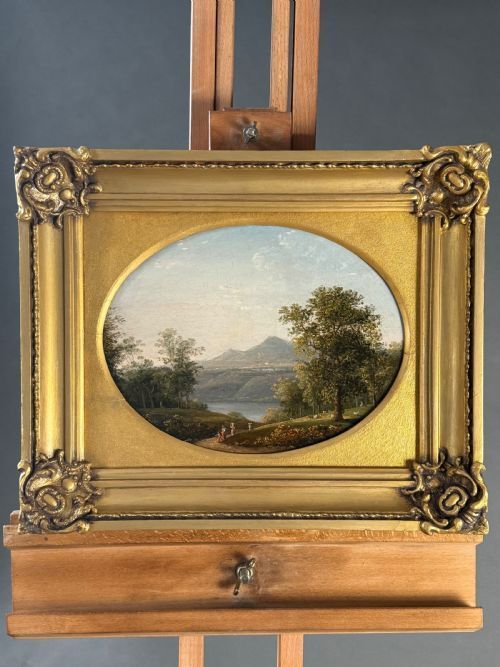
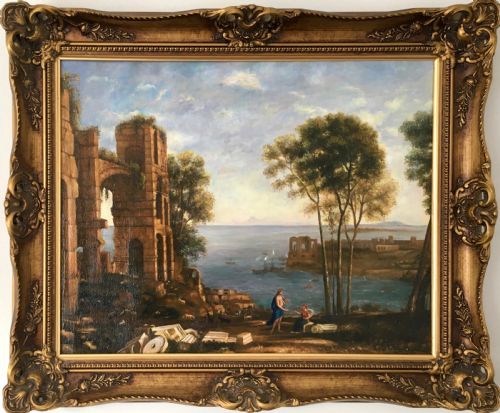
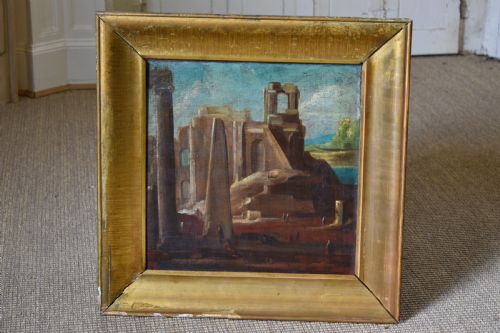
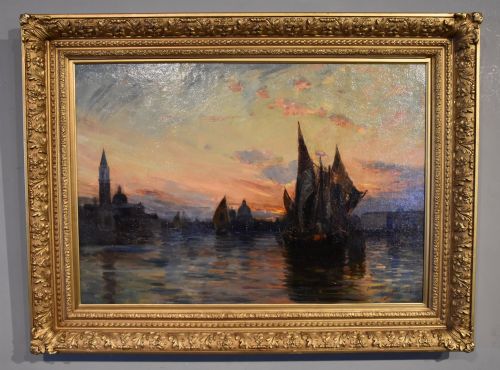
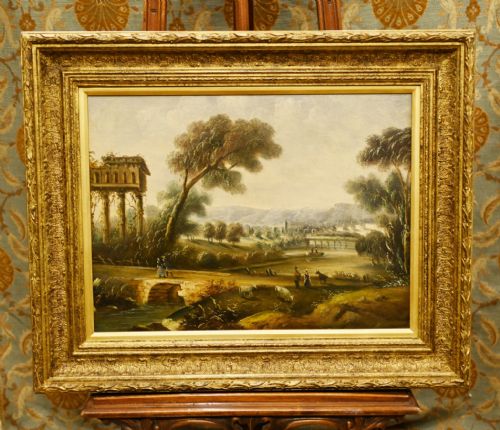
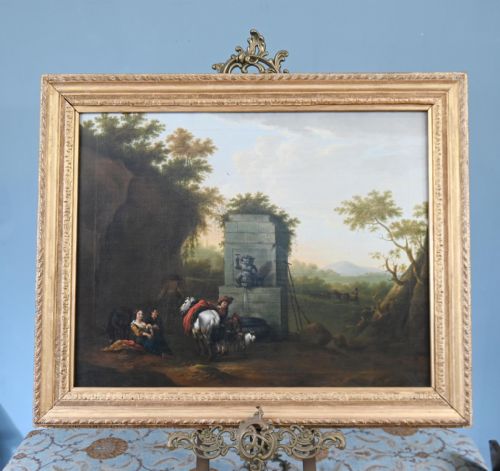
These grand tour oil landscape paintings capture classical ruins, sunlit canals and Mediterranean views brought home by travellers across the eighteenth and nineteenth centuries.
Grand Tour Oil Landscape
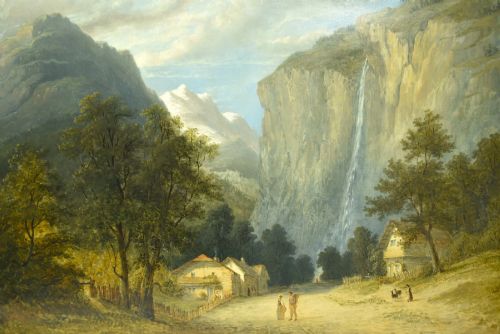
A grand tour oil landscape records the classical vistas, Venetian canals and Italianate ruins encountered by travellers journeying through Europe. You meet these works in framed canvas formats depicting sites ranging from Rome and Sicily to the Swiss Alps.
The pieces on this page span from the eighteenth century into the twentieth century, encompassing British and continental schools working in romantic, neoclassical and impressionist styles. Many examples present pastoral scenes, architectural capriccios and coastal views of Venice and Sorrento.
Regional subjects dominate the selection, including Tuscan countryside, Sicilian streetscapes and Venetian lagoons painted by named artists and regional schools. These artworks served as tangible memories of foreign travel for collectors of past centuries.
Materials and technique
These works utilise oil paint applied to canvas supports, allowing artists to build rich atmospheric depths and luminous Mediterranean light. The physical construction relies on stretched canvas secured within wooden frames.
Many period frames feature gesso mouldings finished in giltwood or gilded wood, providing the ornate architectural surrounds typical of the era. The combination of oil on canvas with carved and gilded framing defines the physical presence of these paintings.
Grand Tour Oil Landscape Retail Price Guide 2026
Typical asking prices for grand tour oil landscape among the pieces listed under this phrase on Sellingantiques today, from the lower quarter to the upper quarter. They describe what is for sale here now, not the wider market.
Subject matter centres on Venetian canals, Roman ruins, Tuscan pastures and Swiss waterfalls captured by British and continental painters.
Evaluating quality and execution
Quality separates through the dexterity of brushwork and the precision with which architectural elements, such as classical ruins and Venetian palazzos, are rendered. Superior canvases display confident handling of light and shadow, particularly in capturing atmospheric skies and water reflections.
The integrity of the original canvas and the preservation of the paint surface dictate the standing of a piece. Finer works retain their vibrant pigments and sit within period giltwood frames that complement the scale and subject of the painting.
Augusto Alberici·Jacob Philipp Hackert·Thomas Hodgson Liddell·Jan Miel·Marc Aldine·Antoine Bouvard Senior·E. Perez Senet·Jane Vivian·Alfred Pollentine·Francesco Guardi·Hugo Vogel·Guido Agostini·Thomas Jones
The Grand Tour Oil Landscape Glossary
- Capriccio
- An architectural fantasy placing together classical ruins, buildings and other architectural elements in a fictitious fictional landscape composition. This style was favoured by eighteenth-century painters working in Italy.
- Giltwood
- Wood carved and covered with a thin layer of gold leaf or gilt. It provides the ornate framing material seen on many period grand tour paintings.
- Neoclassical
- An artistic style inspired by the classical art and culture of ancient Greece and Rome. It influences the balanced compositions and architectural subjects found in these landscapes.
- Gesso
- A plaster-like mixture used as a base for moulding decorative details on wooden frames before gilding. It allows for crisp relief ornamentation around the canvas.
Grand Tour Oil Landscape: Frequently Asked Questions
What is a grand tour oil landscape?
A grand tour oil landscape is a painting depicting classical ruins, Italian vistas or Venetian scenes collected by travellers during their European journeys in the eighteenth and nineteenth centuries.
These artworks functioned as sophisticated souvenirs, recording the topography and architecture of Mediterranean sites for homes back in Britain and across Europe.
Who painted these grand tour scenes?
The works were produced by continental artists, British painters working abroad, and regional art schools capturing foreign sights for travellers.
Many pieces bear signatures of professional painters active in Rome, Venice and Naples, while others originate from unnamed British or European schools.
How do I date an antique landscape?
Dating relies on the style of the painting, costume of any figures present, framing techniques, and signatures or biographical dates of the artist recorded on the canvas.
Eighteenth-century works often favour classical ruins and softer tonal palettes, whereas nineteenth-century pieces lean towards brighter impressionist or romantic lighting.
How should I display an antique painting?
Display these works on walls away from direct sunlight and moisture fluctuations to protect the oil pigments and the integrity of the canvas.
Allow the piece adequate wall space to showcase its original giltwood or gesso frame without crowding from neighbouring artworks.