


Gilded Imari Porcelain Jar
These gilded imari porcelain jar options bring together bold palettes, metallic leaf, and ceramic craftsmanship from both Japanese workshops and British factories.
Gilded Imari Porcelain Jar
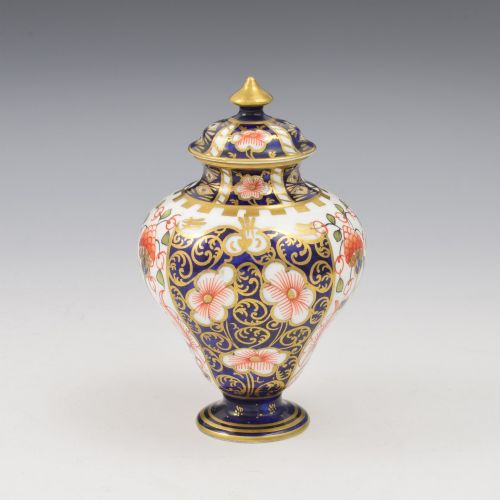
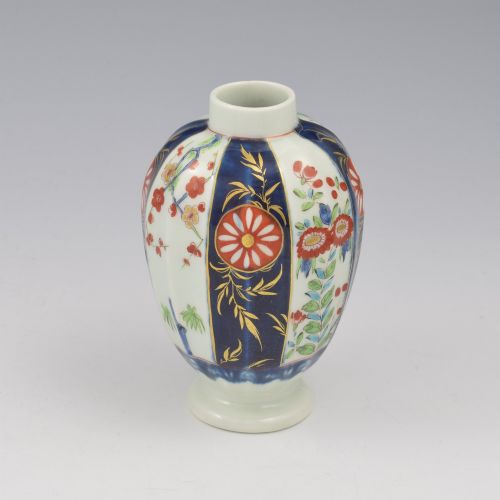
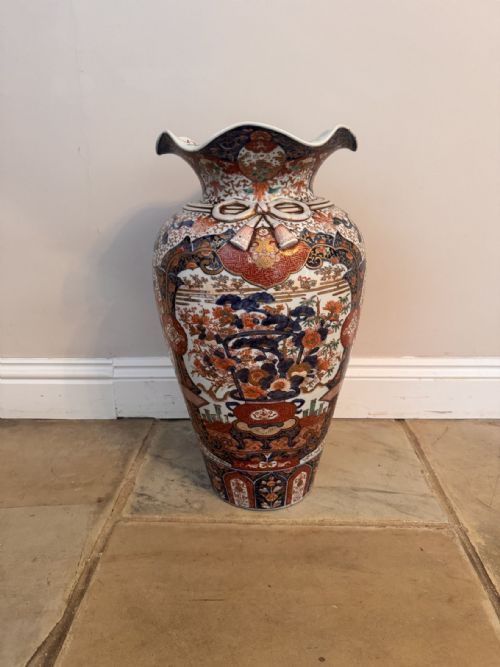
A gilded imari porcelain jar combines traditional cobalt blue and iron red painting with applied gold leaf or metallic gilding across ceramic forms. When searching for a gilded imari porcelain jar, buyers encounter everything from large lidded floor vessels to miniature tea canisters and pot-pourri pots.
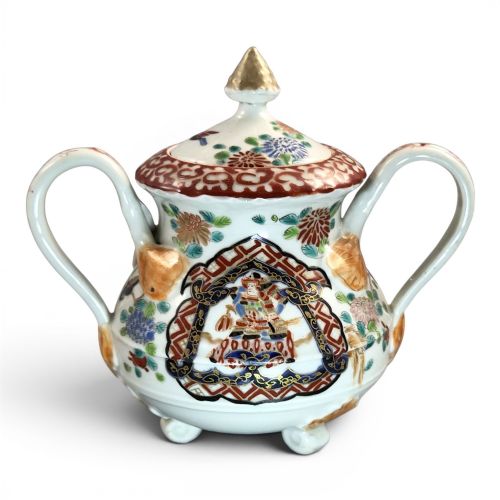
The selections span several periods, notably featuring 18th-century Edo pieces alongside 19th-century Japanese examples and British interpretations from factories like Royal Crown Derby and Mason's. Lidded vases, koro incense burners, and sugar bowls dominate the available forms, often decorated with characteristic samurai motifs or geometric panels.
Origin points vary significantly, encompassing authentic Japanese export wares from the Meiji and Edo periods as well as European responses styled in the Japanese manner. Buyers find both individual display vessels and matched pairs or garnitures designed for symmetrical mantelpiece display.
How they were made
Potters shaped these vessels using porcelain, soft-paste porcelain, bone china, or ironstone, firing the clay bodies to create durable ceramic structures. Artisans then applied underglaze cobalt blue and overglaze enamel pigments before adding gold leaf or gilt details to highlight the surface patterns.
Firing techniques required multiple stages to fix the underglaze cobalt before applying enamels and gold gilding in subsequent low-temperature kilns. Many pieces incorporate hand-painted details alongside moulded elements like covers, handles, and foot rims.
Several jars feature resolute samurai warriors standing guard among vibrant floral panels, watching over the mantelpiece.
What varies in quality
The refinement of the hand-painted enamel work and the precision of the gilding set superior examples apart from standard production pieces. Finer vessels display crisp brushwork in the cobalt and iron red panels, with well-preserved gold leaf that retains its brilliance across the ceramic body.
The weight and purity of the porcelain body, whether bone china or hard-paste ceramic, influence the tactile quality and structural integrity of the jar. Maker marks, such as specific factory stamps or artist signatures, also distinguish exceptional studio pieces from unmarked or derivative wares.
Royal Crown Derby·Fukagawa·Mason's·Samson
The Gilded Imari Porcelain Jar Glossary
- Imari palette
- A decorative colour scheme typically comprising underglaze blue, iron red, and supplementary gold. This distinctive combination originated in Japanese export porcelain before inspiring European ceramics.
- Gilding
- The application of gold leaf or powdered gold onto the surface of a ceramic object. It accents specific design elements and adds reflective depth to the glazed body.
- Koro
- A traditional Japanese incense burner featuring a perforated lid to release fragrance. These ceramic vessels often stand on small feet and carry rich surface decoration.
- Garniture
- A set of three or more matching vases or jars designed to be displayed together as a decorative unit on a mantelpiece or sideboard.
- Soft-paste porcelain
- A ceramic composition made from clay and glass frit rather than hard-paste materials. It produces a slightly warmer tone and a softer glaze texture.
Gilded Imari Porcelain Jar: Frequently Asked Questions
How do I identify Edo period pieces?
Edo period pieces display authentic Japanese export characteristics, often featuring hand-painted Imari palettes on hard-paste porcelain bodies.
These early vessels usually show subtle potting variations and traditional subject matter like samurai figures within compartmentalised panels.
Were these jars used for storage?
Many lidded vessels served as decorative display items, while specific forms like tea canisters and sugar bowls held dry goods.
Larger jars and koro incense burners functioned primarily as ornamental centrepieces in period interiors rather than utilitarian containers.
What is the difference between Japanese and British Imari?
Japanese examples originate from export workshops during the Edo and Meiji periods, utilising traditional local clays and hand-painting techniques.
British interpretations, produced by factories like Royal Crown Derby and Mason's, adapt the iconic palette onto bone china or ironstone bodies.
How should I clean my porcelain jar?
Dust the surface gently with a soft, dry brush to prevent any accumulation of particles within the glazed and gilded recesses.
Avoid using liquid cleaners or abrasive cloths, as moisture and harsh scrubbing can damage delicate overglaze enamels and gold leaf.