

Gilded Hallway Wall Mirror
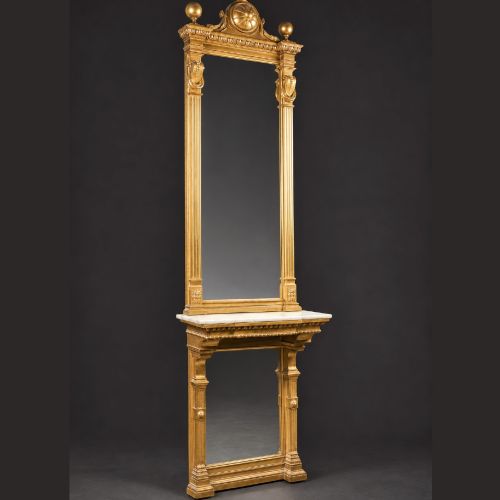
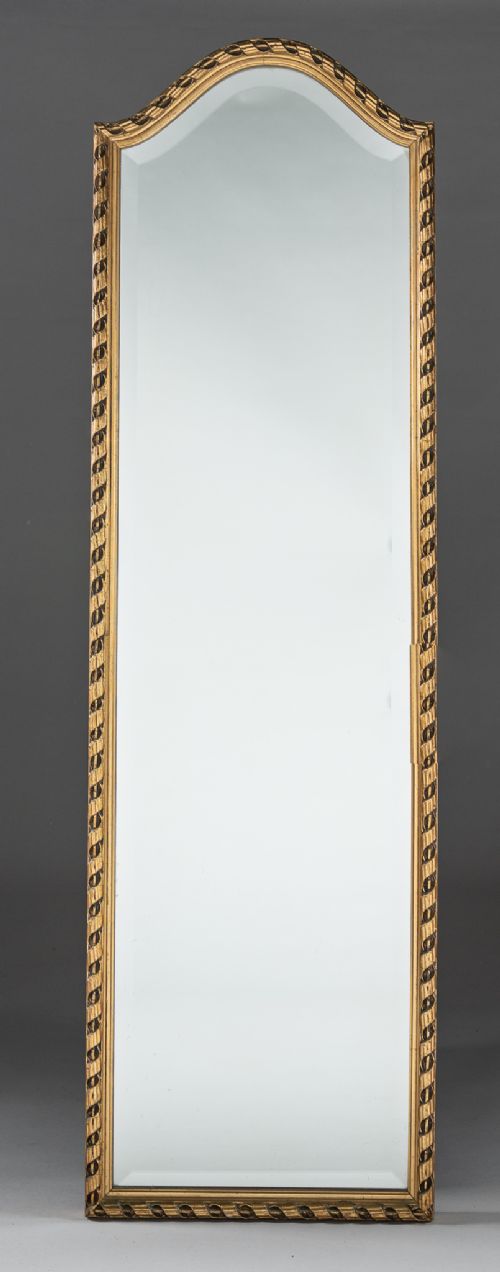
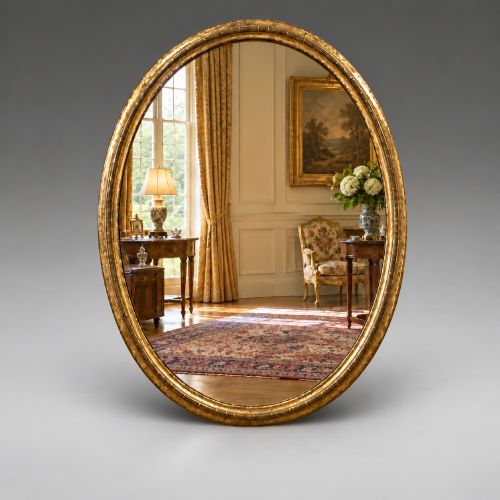
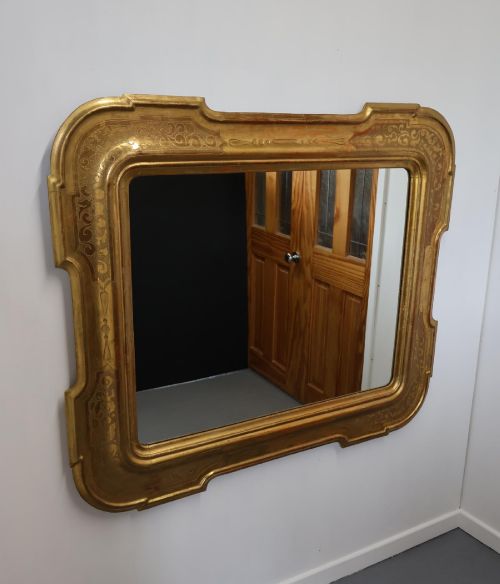
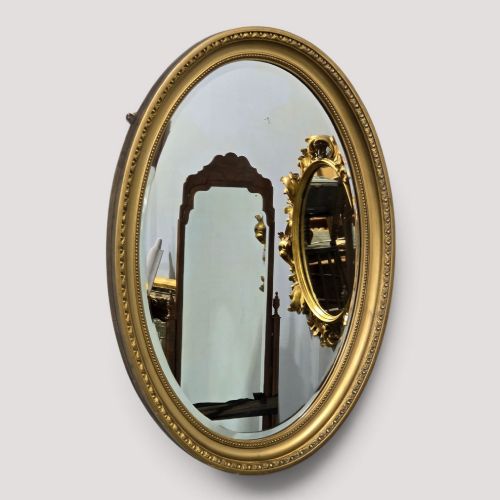
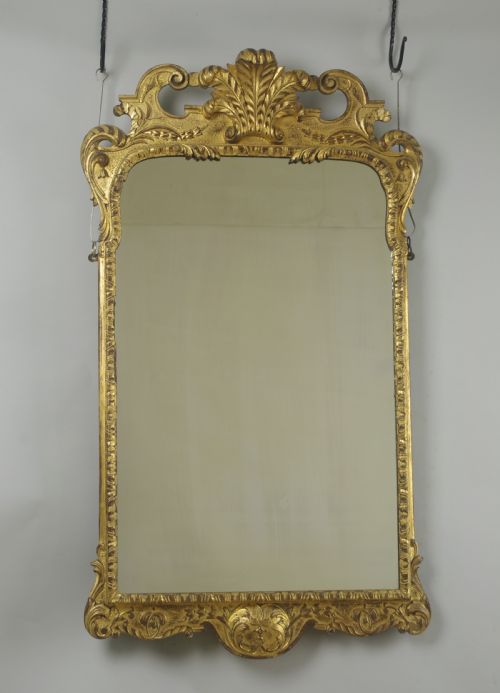
A gilded hallway wall mirror brings light and presence to a narrow space, drawing the eye with gold leaf and carved detail.
Gilded Hallway Wall Mirror
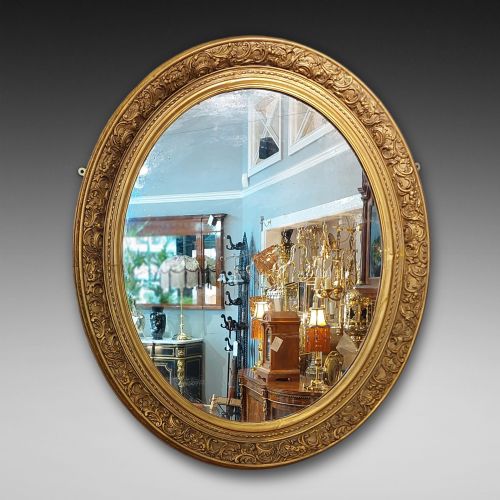
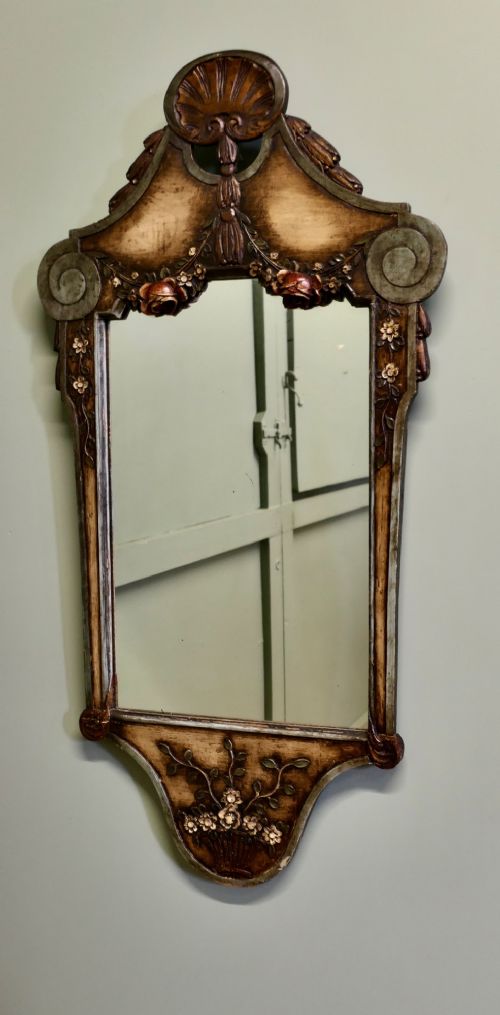
A gilded hallway wall mirror is designed to hang in an entrance passage, reflecting light and making the space feel larger. When searching for a gilded hallway wall mirror, a buyer encounters pieces originating primarily from the nineteenth century, including Victorian, Regency, and Edwardian periods.
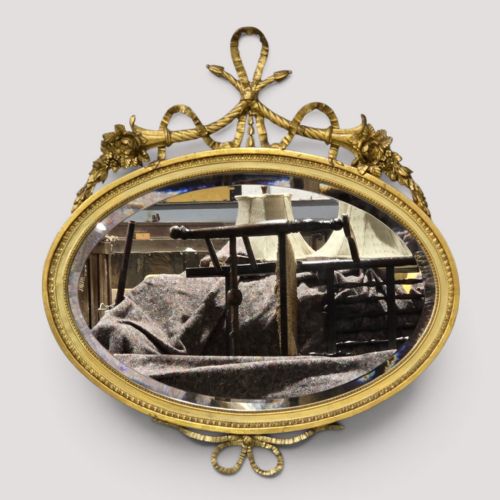
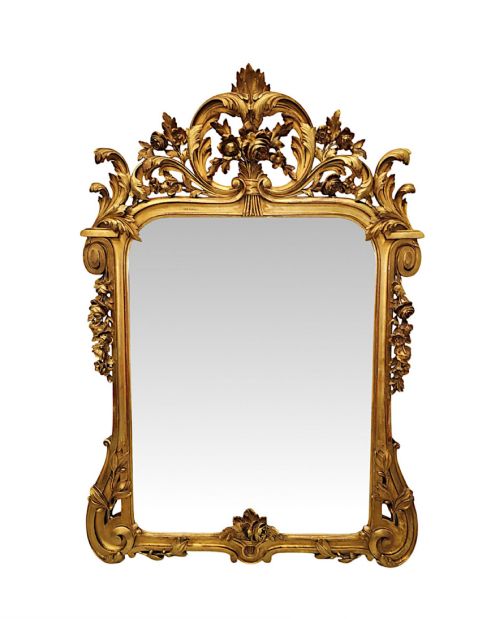
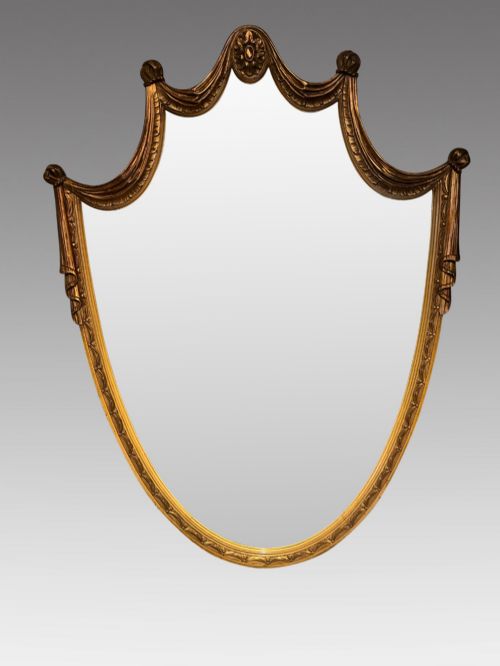
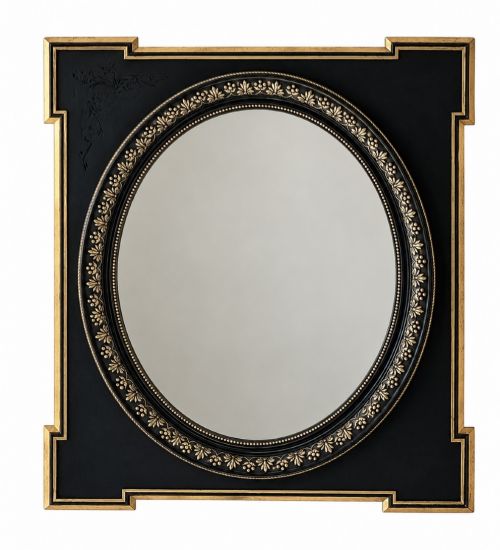
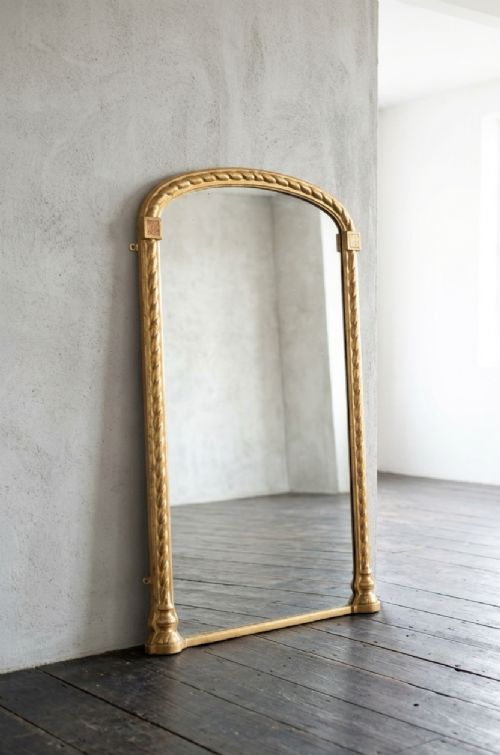
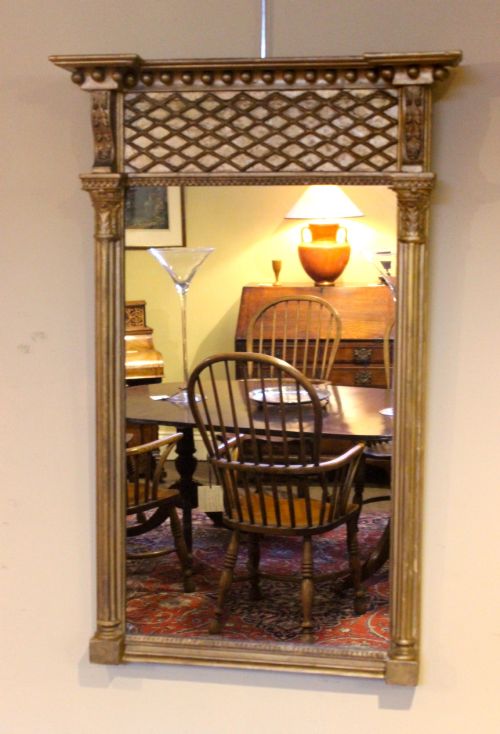
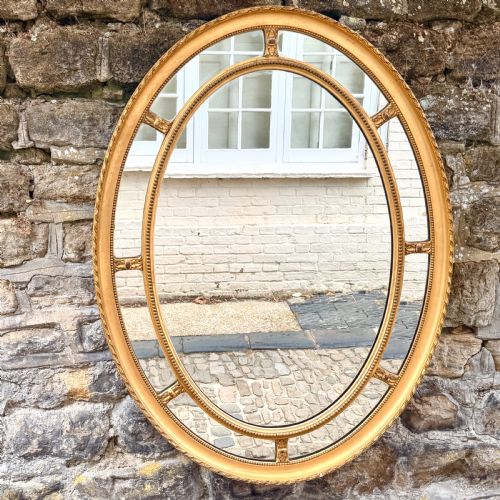
The objects take various shapes, from tall rectangular pier mirrors and arched overmantles to compact shield and oval frames. Styles span from grand Rococo Revival and Neoclassical designs to French Art Deco examples.
Materials and construction
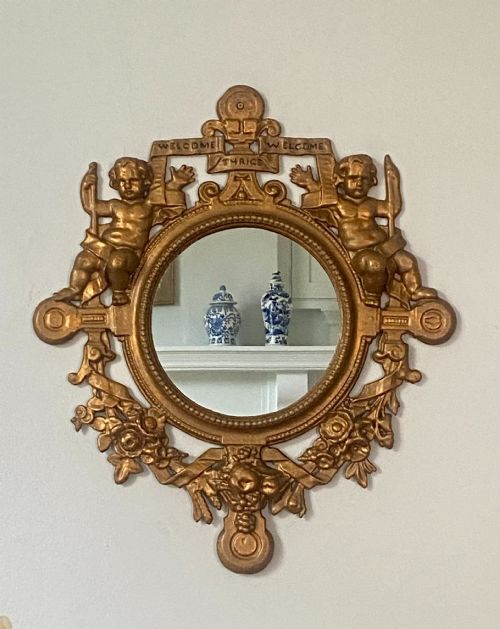
Makers built these frames using wood, gesso, composition, plaster, and occasionally cast iron. Giltwood and gold leaf provide the characteristic bright surface finish over carved wooden or moulded substrates.
Mirrors often feature original glass, sometimes with foxing or bevelled edges, set within frames secured by traditional joinery and carved ornamentation.
Gilded Hallway Wall Mirror Retail Price Guide 2026
Typical asking prices for gilded hallway wall mirror among the pieces listed under this phrase on Sellingantiques today, from the lower quarter to the upper quarter. They describe what is for sale here now, not the wider market.
Some nineteenth-century iron mirrors carry cast mottos, offering daily advice to anyone checking their hat before stepping outside.
Evaluating quality
The distinction between ordinary and superior examples lies in the crispness of the carved detail and the depth of the gilding. Hand-carved wooden frames display sharper botanical motifs and cleaner lines than moulded plaster or composition alternatives.
The integrity of the original mirror glass and the stability of the underlying timber frame further separate standard production from finer workmanship.
Coalbrookdale·John Belchier
The Gilded Hallway Wall Mirror Glossary
- Giltwood
- Wood that has been coated with gold leaf or gold paint. This finish creates a reflective, warm surface on antique frames.
- Gesso
- A plaster-like mixture applied to wood frames to provide a smooth base for gilding and intricate moulding. It allows for detailed relief work.
- Pier Mirror
- A tall mirror designed to hang on the wall between windows or above a console table. These pieces often feature elongated proportions.
- Foxing
- Age-related spots and discolouration within the silver backing of old mirror glass. It manifests as small dark patches that confirm age.
Gilded Hallway Wall Mirror: Frequently Asked Questions
Where should I hang a hallway mirror?
These mirrors suit narrow passages, entrance areas, and walls opposite light sources to brighten the interior.
They function best when mounted at eye level to maximise their reflective qualities in a confined space.
How do I identify original mirror glass?
Original glass often exhibits minor surface imperfections, slight distortion, and foxing spots where the backing has aged.
Modern replacement glass typically appears completely uniform and lacks the characteristic depth of nineteenth-century panes.
How do I clean a gilded frame?
Dust the surface gently with a soft, dry brush to prevent damage to the delicate gold leaf and gesso layers.
Avoid liquid cleaners and moisture, as water can lift the historical gilt finish from the wood substrate.
What is an overmantle mirror?
An overmantle mirror is a large wall glass originally manufactured to hang specifically above a fireplace mantelpiece.
Many examples feature proportions and weight similar to hallway mirrors and adapt well to entrance spaces.