







Gilded Glassware
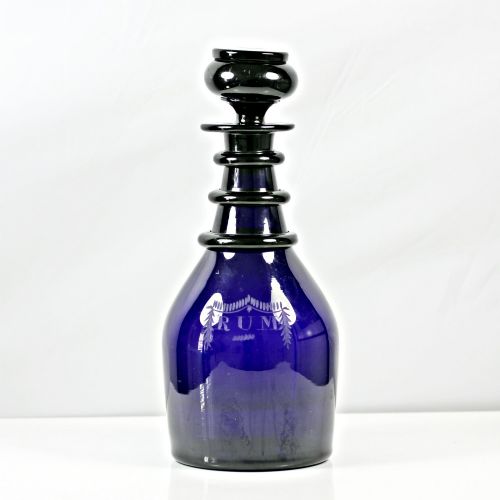
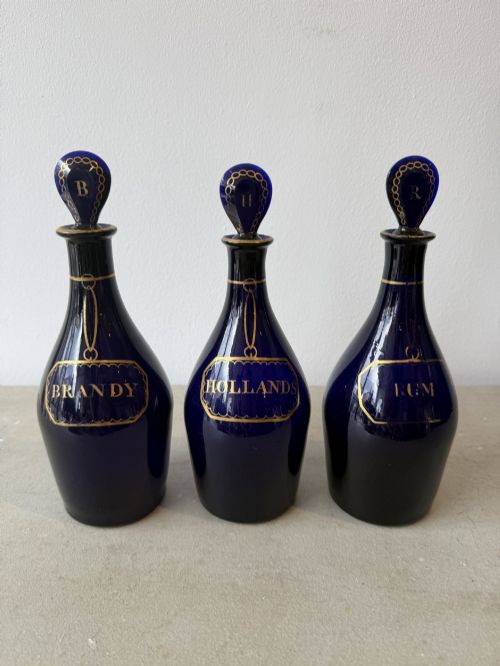
These gilded glassware pieces combine lustrous metallic leaf with coloured glass vessels from the eighteenth century onward.
Gilded Glassware
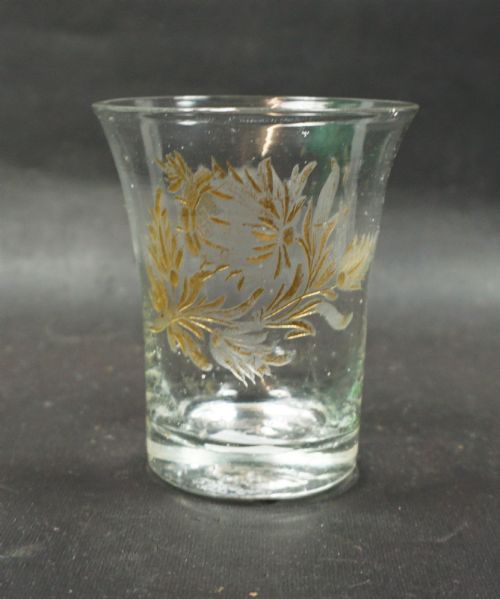
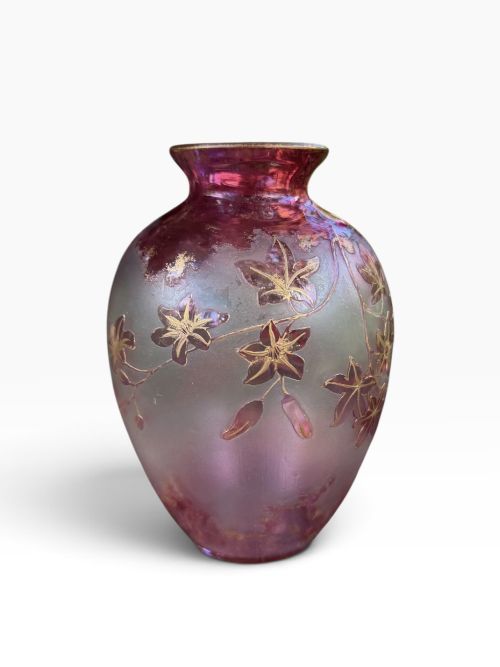
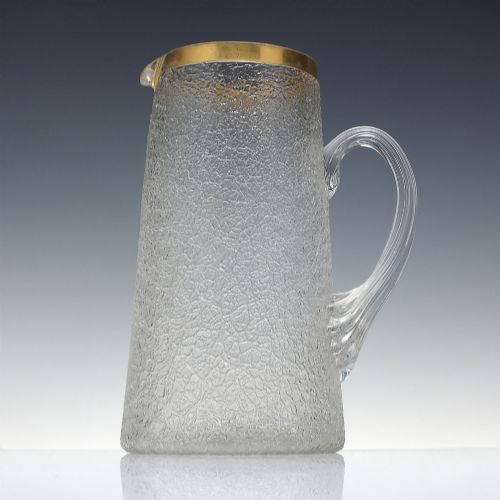
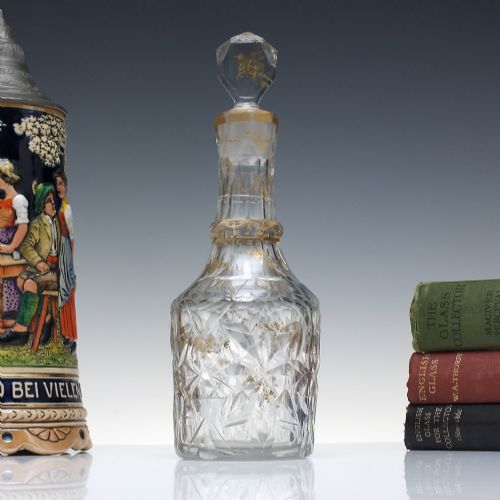
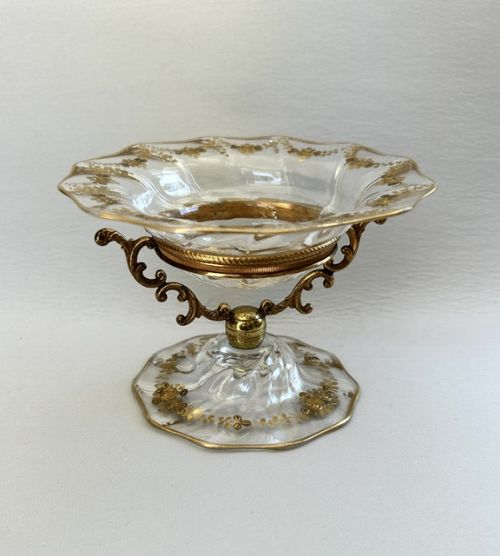
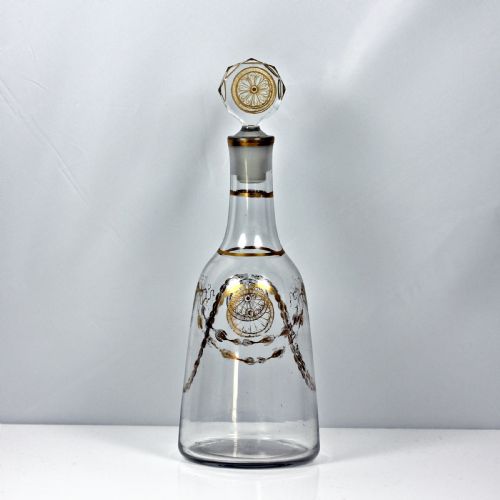
When you search for gilded glassware, you encounter an array of decorative objects including decanters, vases, tazzas, and apothecary jars. The selection spans distinct periods from Georgian and Victorian eras through to Art Nouveau and 1910 designs.
The objects originate from English, French, German, and Bohemian workshops, reflecting diverse regional tastes. Vases and drinking vessels dominate the selection, often enriched with enamel or cut glass details alongside the gold leaf.
How they were made
Craftsmen applied gold leaf or liquid gold to lead crystal, ruby glass, cobalt glass, and opaline substrates using hand-painting and acid-etching techniques. Many items combine this gilding with vibrant enamel decoration and raised botanical or heraldic motifs.
The underlying glass often underwent complex cutting, facet-cutting, or overshot treatments before the metal application. Workshops utilised brass mounts and ormolu stands to complete specific decorative vessels and tazzas.
Gilded Glassware Retail Price Guide 2026
Typical asking prices for gilded glassware among the pieces listed under this phrase on Sellingantiques today, from the lower quarter to the upper quarter. They describe what is for sale here now, not the wider market.
Several sets include ganging bells designed to summon Victorian servants with a merry, gilded chime.
What varies in quality
The crispness and durability of the hand-applied gilding dictate much of the visual distinction between standard items and exceptional pieces. Intricate chased or enamelled detailing requires superior craftsmanship compared to plain metallic rims.
The clarity and weight of the underlying lead crystal or coloured glass establish the foundational merit of each vessel. Pieces attributed to notable ateliers display superior precision in their cut facets and harmonious proportions.
James Giles·Baccarat·Moser·Theresienthal·Fritz Heckert
The Gilded Glassware Glossary
- Tazza
- A shallow ornamental bowl or cup set upon a stem and foot, frequently utilised for display.
- Opaline glass
- An opaque or translucent glass, often pastel in colour, popular during the nineteenth century for decorative vases and jars.
- Ratafia glass
- A narrow eighteenth-century drinking glass designed for sweet cordials and liqueurs, sometimes featuring opaque twist stems.
- Hock glass
- A tall-stemmed wine glass traditionally used for German white wines, frequently embellished with enamel and gilding.
Gilded Glassware: Frequently Asked Questions
How should I clean gilded glassware?
Wash pieces gently by hand in lukewarm water using a mild, non-abrasive detergent.
Avoid soaking the glass or using harsh scrubbing brushes that might damage the delicate gold leaf and enamel.
Can I use antique decanters for serving?
Many historical decanters remain structurally sound for holding liquids, provided you inspect them thoroughly.
Consider whether past use or sediment staining affects the interior before pouring drinks for guests.
How do I date Victorian coloured glass?
Examine the pontil mark on the base, manufacturing techniques, and the specific hues popular during the reign.
Stilistic cues like Art Nouveau motifs or earlier Georgian cut patterns also help narrow the timeline.
Where were Bohemian glass pieces made?
Bohemian glass originates from the historical region of Bohemia, now part of the Czech Republic.
This area gained renown for master glassmakers who specialised in coloured glass, heavy crystal, and elaborate gilding.