



Gilded Glass Urn
A gilded glass urn brings reflective depth and metallic warmth to a room, drawing the eye with its combination of translucent material and bright gilding.
Gilded Glass Urn
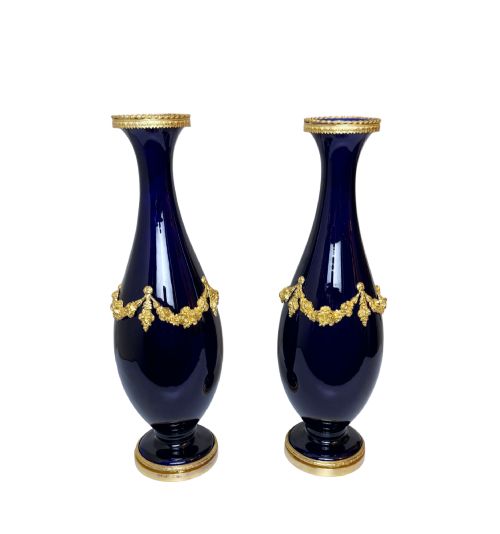
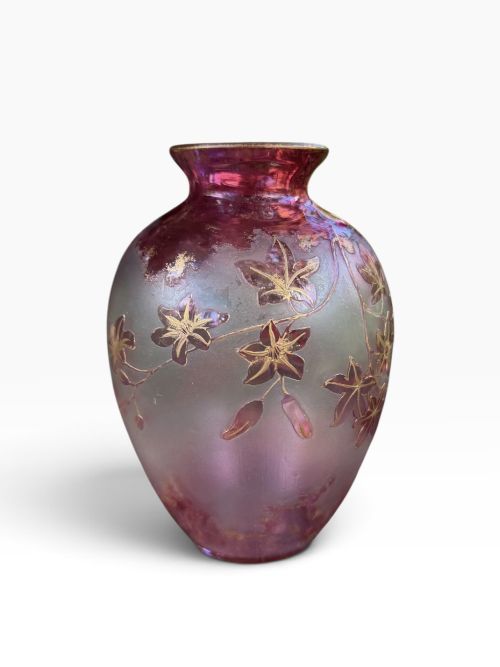
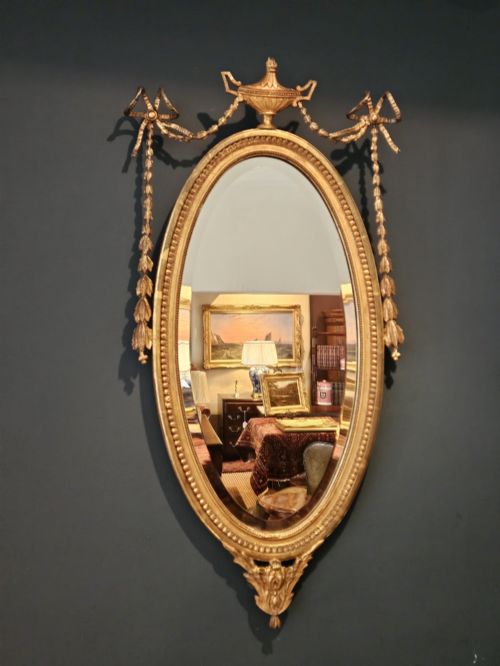
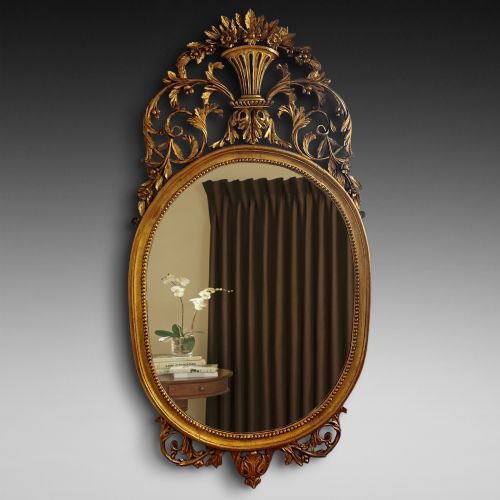
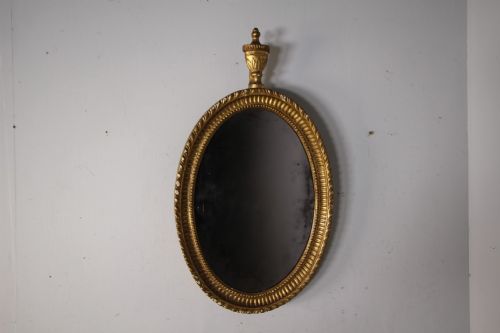
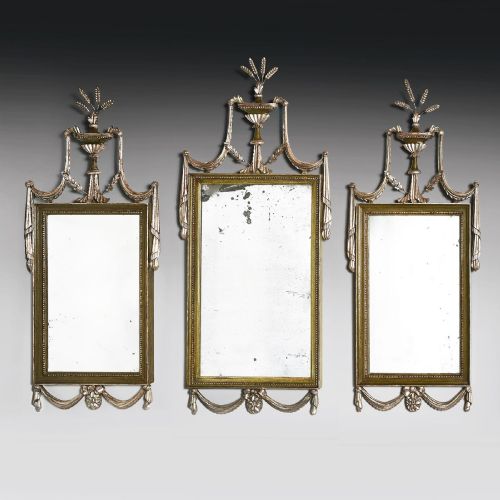
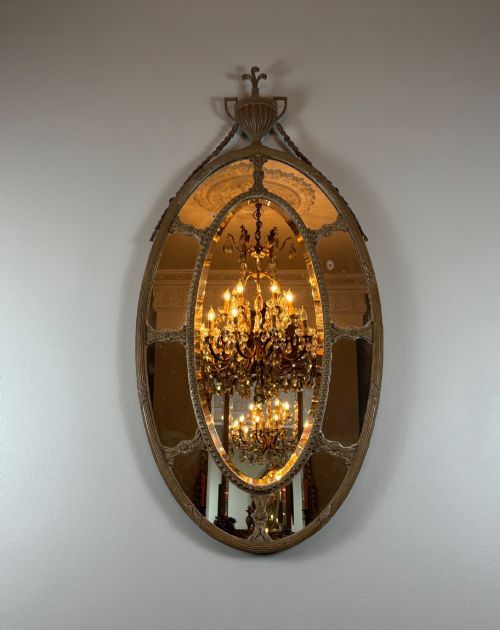
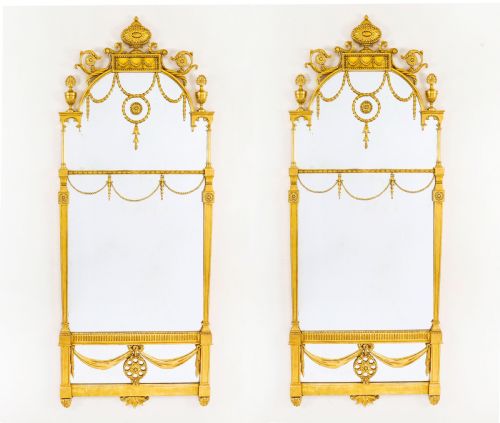
When you search for a gilded glass urn, you encounter vessels that merge transparent or coloured glass bodies with applied gold decoration, often appearing alongside related ornamental glass vessels and framed mirrors from the eighteenth and nineteenth centuries.
The pieces on this page span Georgian, Victorian, and later periods, capturing styles from Neoclassical Revival to Art Nouveau.
Vessels range from cranberry and opaline glass vases to crystal bowls and decanting pieces, reflecting a broad tradition of decorative glasswork.
What varies in quality
The distinction between tiers rests upon the crispness of the gilding and the clarity of the glass, where precise hand-painted enamel and clean leaf adhesion mark superior workmanship.
Structural integrity in associated mounts, frames, or handles dictates the enduring character of each piece, separating standard production from exceptional examples.
Gilded Glass Urn Retail Price Guide 2026
Typical asking prices for gilded glass urn among the pieces listed under this phrase on Sellingantiques today, from the lower quarter to the upper quarter. They describe what is for sale here now, not the wider market.
Listings span the eighteenth, nineteenth, and early twentieth centuries, incorporating Georgian, Victorian, and Art Nouveau styles.
Gillows Of Lancaster·Paul Heller·Booms glass
The Gilded Glass Urn Glossary
- Gilding
- The application of gold leaf or powder to a surface. This technique provides the metallic sheen seen on glass and wood frames.
- Enamel
- Opaque glass fused to a surface through firing. It supplies the colourful painted details found on many period vessels.
- Opaline glass
- An opaque, pale glass popular during the nineteenth century. It often serves as the canvas for delicate gilt decoration.
- Garniture set
- A matching group of ornamental objects, typically three pieces, designed for display on a mantelpiece.
- Neoclassical
- A style drawing on classical antiquity, frequently featuring urn motifs, swags, and strict symmetry in design.
Gilded Glass Urn: Frequently Asked Questions
How do I date a glass piece?
Dating relies on stylistic clues, manufacturing techniques, and material types recorded in the period context, such as Victorian opaline or Georgian neoclassical motifs.
Examining the depth of the glass and the composition of any applied gilding helps narrow the production era.
Where were these pieces displayed?
These decorative objects typically occupied prominent positions on mantelpieces, sideboards, and pier tables within period reception rooms.
Paired garnitures and mirrors often balanced the proportions of large wall spaces and furniture arrangements.
What is cranberry glass?
Cranberry glass is a pinkish-red transparent glass created by adding gold chloride to the molten mixture during production.
It gained popularity during the Victorian era and frequently appears with paste gilt or enamelled embellishments.
How do I care for gilded glass?
Maintenance requires gentle dusting with a soft, dry cloth to protect delicate gold leaf and enamel from abrasion.
Moisture and harsh cleaning agents should remain entirely away from the gilded surfaces to preserve the finish.