
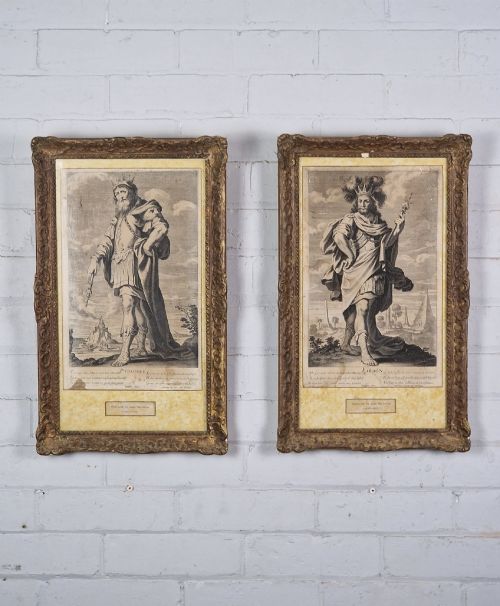
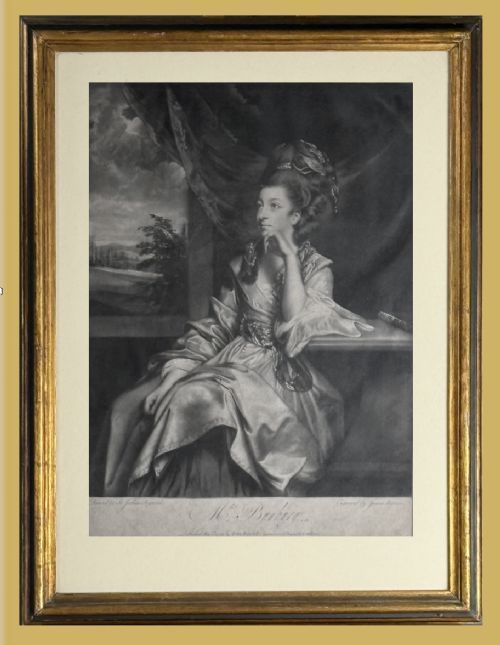
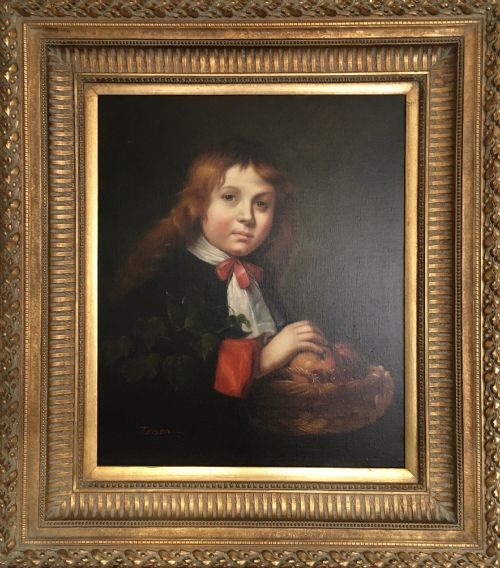
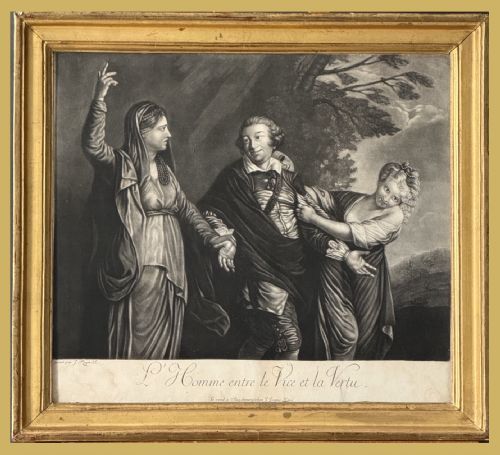
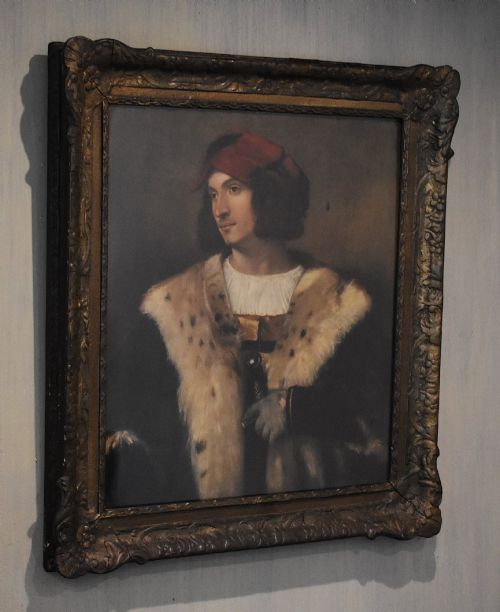


Gilded Framed Classical Print
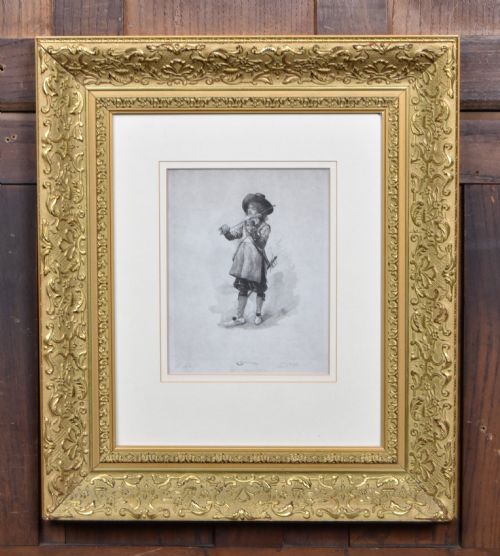
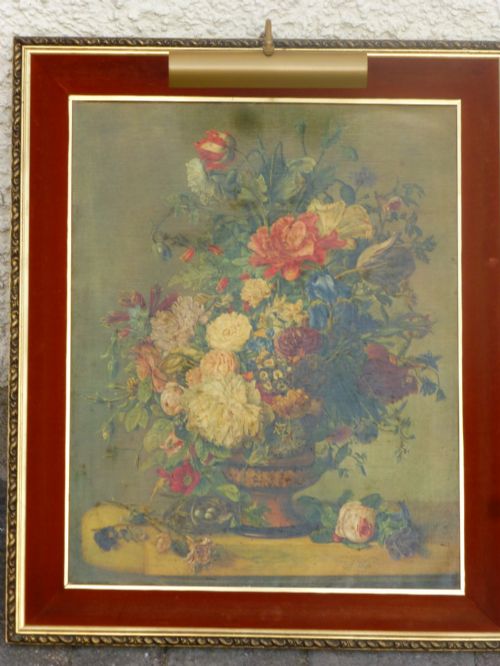
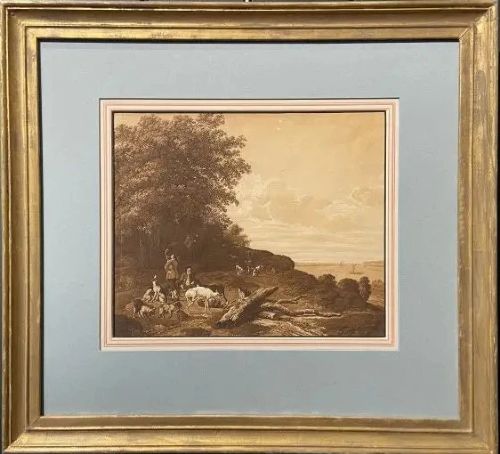
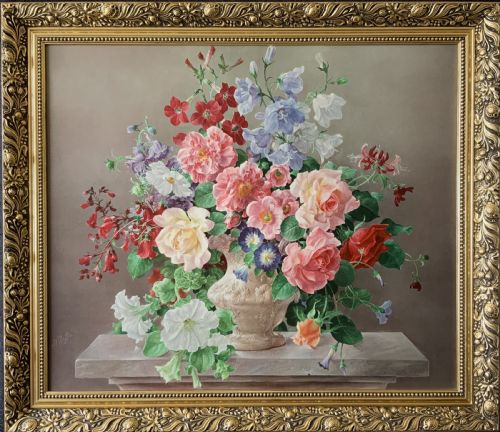
These gilded framed classical print pieces bring historical portraiture and mythological scenes into a room with traditional gravitas.
Gilded Framed Classical Print
A gilded framed classical print search covers framed artworks, engravings, mezzotints, and oleographs rooted in historical styles. These pieces capture portraiture, mythological subjects, and landscapes originating from periods ranging from the seventeenth century through to the mid twentieth century.
Buyers encounter eighteenth-century mezzotints, nineteenth-century Victorian engravings, and twentieth-century oleographic reproductions on this page. The subjects often follow major artists and classical themes, mounted inside decorative wood frames finished with gold leaf or gilt.
The selection ranges from Georgian sepia prints and French engravings to Pre-Raphaelite romantic compositions and Dutch Golden Age interpretations. Each work offers a distinct window into historical printmaking and painting traditions.
Materials and construction
The construction relies on traditional printmaking and painting supports housed within timber mouldings. Paper, canvas, and ink form the basis of the printed or painted imagery, while glass frequently protects the more delicate works on paper.
Frames are constructed from wood and finished with gold leaf, gilt, or gilt wood to create a reflective border around the artwork. These frames vary from simple mouldings to ornate designs matching the historical period of the piece.
Pan plays his panpipes across these listings, accompanied by gods, poets, and flowerpieces.
Judging quality
Quality rests in the crispness of the impression and the fidelity of the technique, whether dealing with a fine mezzotint, an engraving, or a textured oleograph. Early impressions carry sharper detail in the lines and tones compared to later or more heavily reproduced versions.
The craftsmanship of the framing matters significantly, as period gilt wood frames contribute substantially to the character and preservation of the artwork. The integrity of the paper or canvas surface, free from excessive fading or damage, also dictates the desirability of the piece.
Jean Mariette·James Watson·Sir Joshua Reynolds·Robert Sayer·John Boydell
The Gilded Framed Classical Print Glossary
- Mezzotint
- A printmaking process of the intaglio family where the plate is roughened to produce dark tones and scraped to create light areas. This technique allows for subtle gradations of light and shade, making it popular for portraiture.
- Oleograph
- A type of chromolithography printed on canvas to imitate an oil painting, often finished with a textured varnish. These reproductions became common in the nineteenth and twentieth centuries.
- Engraving
- A method of cutting a design into a hard surface, usually a metal plate, using a sharp tool. The resulting lines hold ink to be transferred under pressure to paper.
- Gilt wood
- Wood that has been coated with a thin layer of gold leaf or gilt paint. This finish provides a bright, reflective surface characteristic of traditional picture frames.
- Chrystoleum
- A Victorian method of applying a coloured photograph or print to glass, hand-painting it, and then making it translucent to create a layered picture.
Gilded Framed Classical Print: Frequently Asked Questions
What is a mezzotint?
A mezzotint is an intaglio printmaking technique where the artist works from dark to light by roughening a metal plate.
This method produces rich tonal gradations and deep shadows, which explains its frequent use for historical portraits.
How do I date a framed print?
Dating relies on examining the paper stock, the printing technique, and the style of the framing materials.
Evidence from the plate mark, ink type, and framing construction helps place the piece within periods like the Georgian or Victorian eras.
What is an oleograph?
An oleograph is a chromolithographic reproduction printed on canvas to simulate the appearance of an oil painting.
These pieces often feature a textured finish applied to mimic brushstrokes from the original artwork.
Are these works original prints?
The selection includes original period engravings and mezzotints alongside later oleographic and photographic reproductions.
Checking the medium and the printing characteristics clarifies whether a piece is a contemporary print of the period or a later copy.