
Gilded Frame Still Life
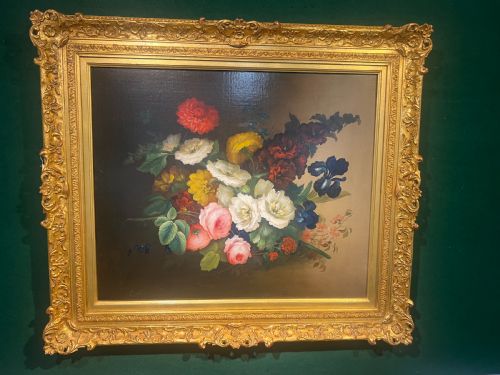
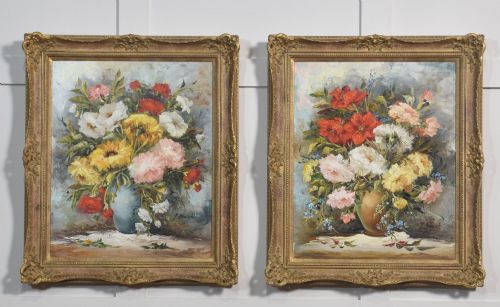
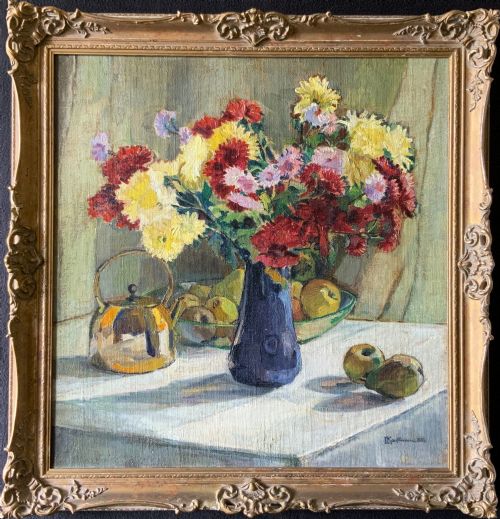
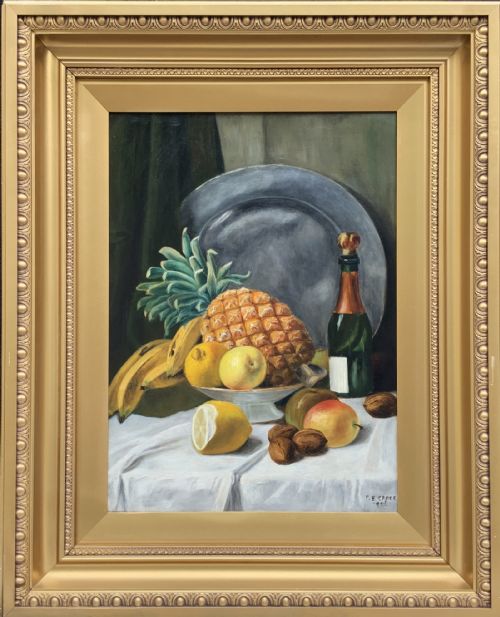
These gilded frame still life pieces bring centuries of oil painting tradition and botanical study directly onto your wall.
Gilded Frame Still Life
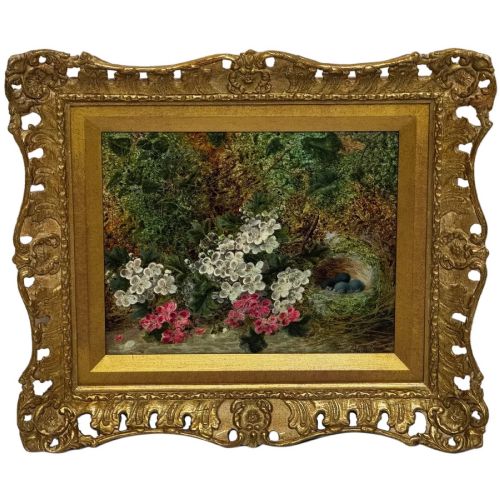
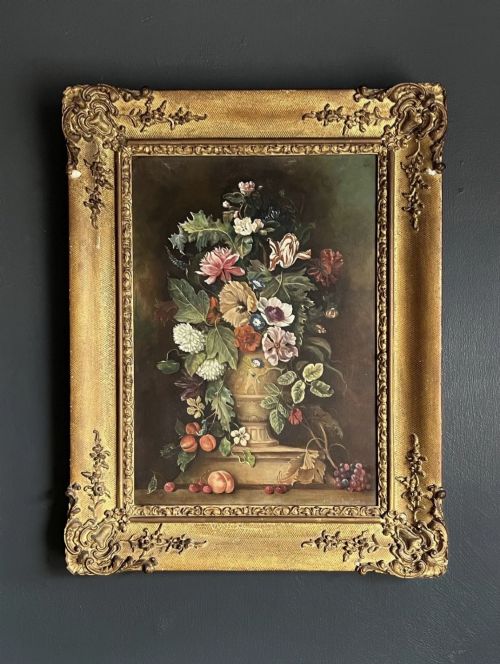
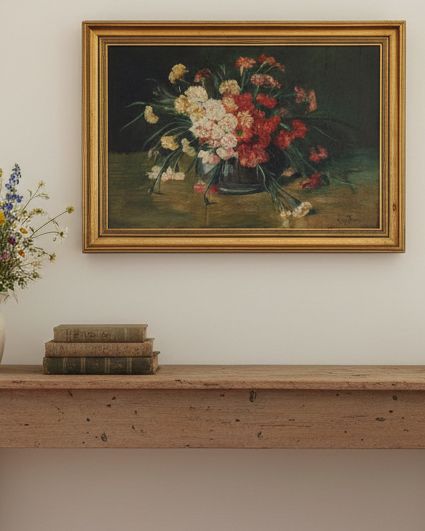
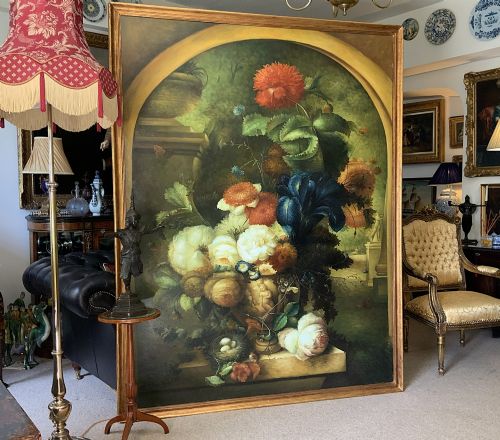
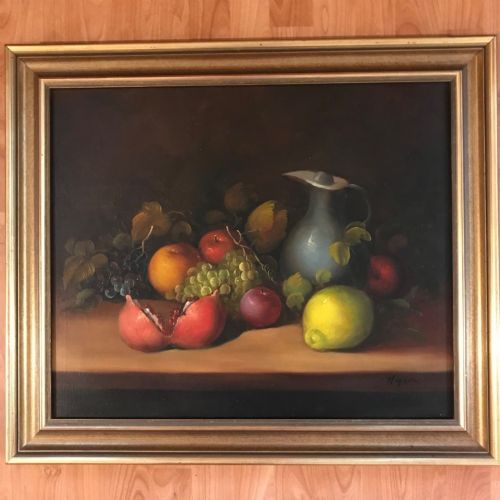
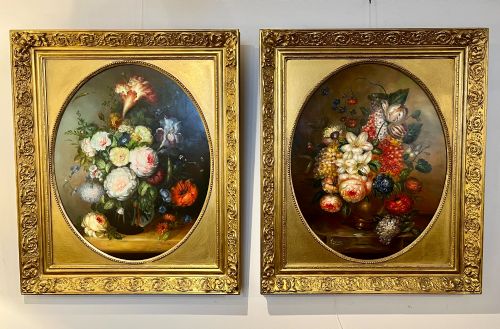
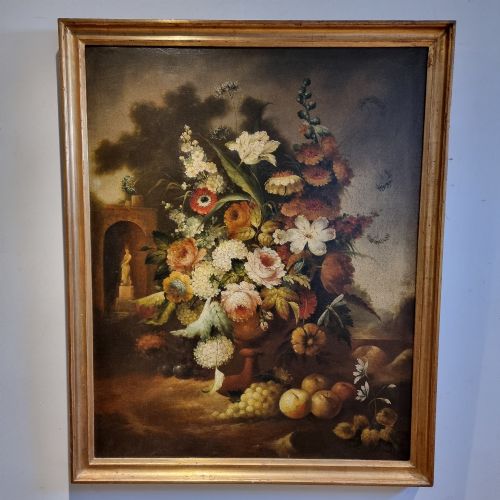
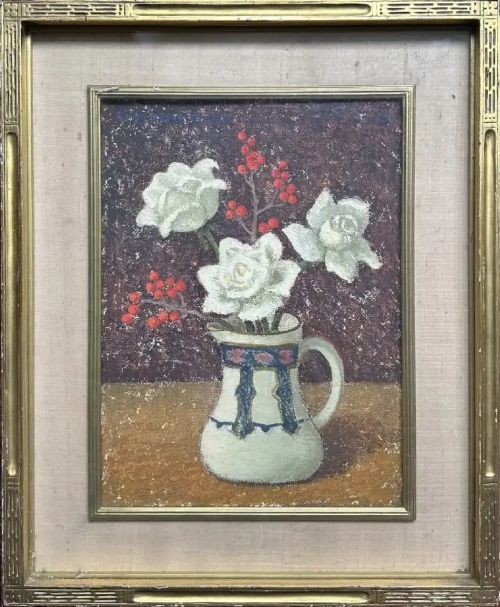
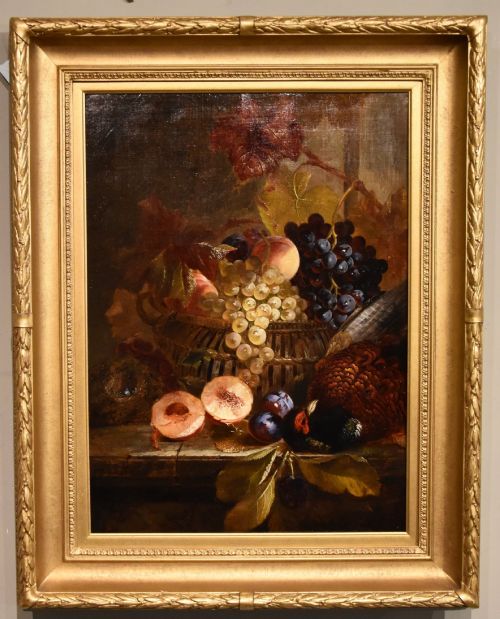
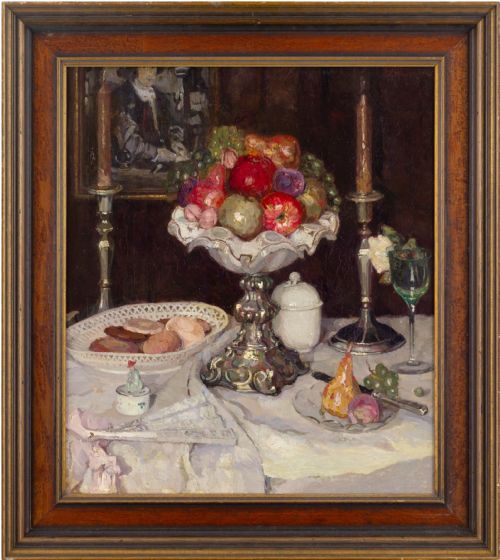
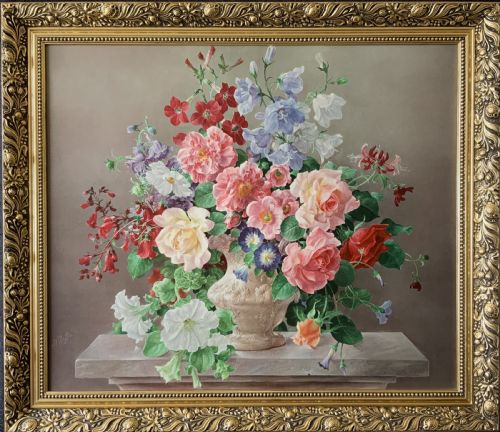
A gilded frame still life presents arranged compositions of flowers, fruit, and tabletop objects housed within gold-toned surrounds. These works range from small Victorian floral studies to monumental Dutch style pieces spanning the nineteenth and twentieth centuries.
Buyers encounter oil on canvas and oil on board creations reflecting movements such as British Impressionism, Post-Impressionism, and French Modernism. The grouping includes works by named artists alongside traditional studio pieces from periods like the Edwardian era and the 1920s.
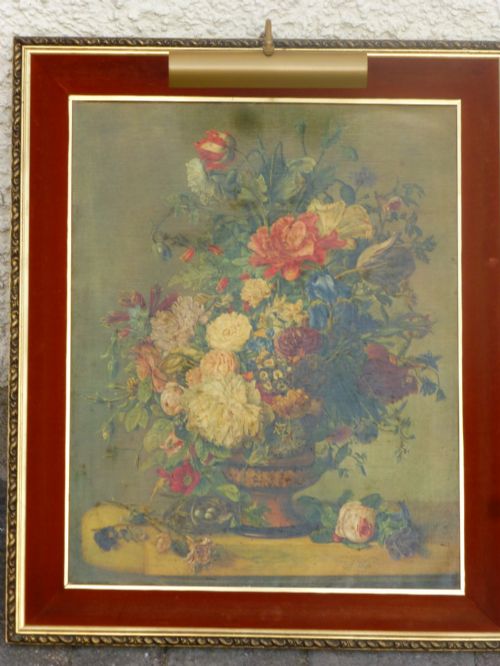
The subjects focus heavily on domestic observations, including bird's nests, vases, and baskets alongside seasonal blooms. Such works offer a direct window into historical interior aesthetics and regional European painting schools.
Materials and construction
The physical objects rely on traditional painting supports such as woven canvas and rigid board prepared for pigment application. Artists utilised oil paint layers to build depth and texture within fruit and floral subjects.
Surrounding enclosures combine timber frames finished with gold leaf, gilt, or moulded gesso decoration. These ornamental borders complement the painted surface by reflecting light across the composition.
Listings feature works spanning the nineteenth century through the 1960s, employing oil on canvas, oil on board, and watercolour.
Assessing the works
Visual strength depends upon the confidence of the brushwork and the balance of light across the subject matter. Masterly handling of petal textures and fruit surfaces distinguishes superior artistic execution from simpler decorative studies.
The integration between the painting and its housing also influences the overall character of the piece. Period frames that harmonise with the age and style of the canvas elevate the presentation considerably.
Oliver Clare·Emma Fordyce MacRae·William Henry Ward·Edwin Steele·Manuela Bonati·Victor Simonin·George Lance·William Duffield·Vincent Clare·Owen Bowen·Thomas Hooper·Maud Frances Eyston Sumner·Alice Macallan Swan·Emily Selinger
The Gilded Frame Still Life Glossary
- Gesso
- A plaster-like mixture applied to wooden frames before gilding to create smooth or moulded decorative reliefs. This preparation allows artisans to carve intricate patterns that catch the light.
- Oil on canvas
- A traditional painting medium where coloured pigments suspended in drying oils are applied to stretched fabric. This combination provides flexibility and long-term durability.
- Still life
- An artwork depicting inanimate subject matter, typically commonplace objects such as fruit, flowers, or glassware. These arrangements allow artists to focus on light, colour, and composition.
- Gilt
- A thin layer of gold or gold-coloured material applied to the surface of a wooden frame. This finish adds warmth and luminosity to the boundary of the artwork.
Gilded Frame Still Life: Frequently Asked Questions
How do I date a still life painting?
Dating relies on stylistic clues, stretcher construction, canvas types, and the method of framing used at the time of creation.
Examining artist signatures or inscriptions on the reverse often provides a direct link to a specific active period.
What subjects are most common?
Floral arrangements, baskets of fruit, and tabletop scenes dominate the available subjects across these centuries of painting.
Artists frequently included items like bird's nests, glassware, and domestic vessels to add textural variety.
Where should I hang these works?
These paintings suit dining rooms, drawing rooms, or hallways where traditional lighting enhances the gilded frame.
Direct sunlight should be avoided to protect the oil pigments and the underlying canvas from fading.
What is the difference between oil and watercolour?
Oil paintings utilise heavy pigments suspended in oil on canvas or board, offering rich texture and depth.
Watercolours employ water-soluble pigments on paper, resulting in a lighter and more delicate finish.