




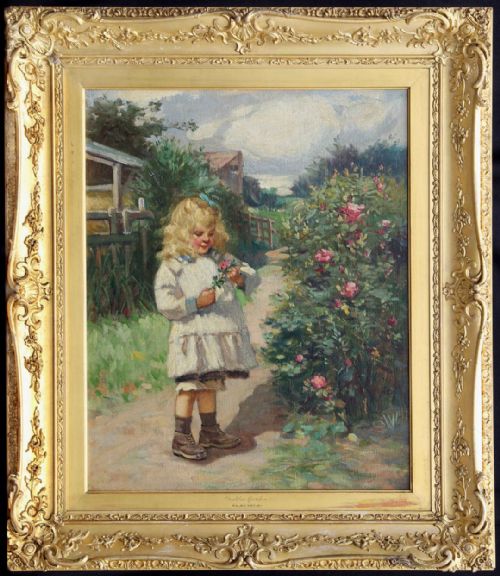
Heavy Gilt Framed Artwork
Heavy gilt framed artwork brings rich texture and bright warmth to a room through oil paint and carved wood.
Heavy Gilt Framed Artwork
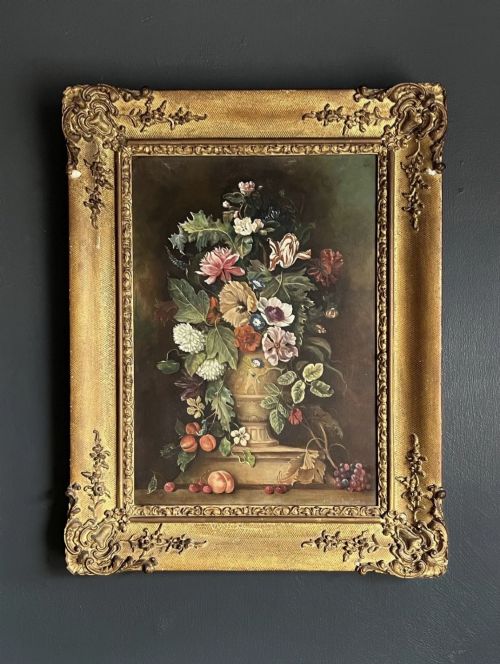
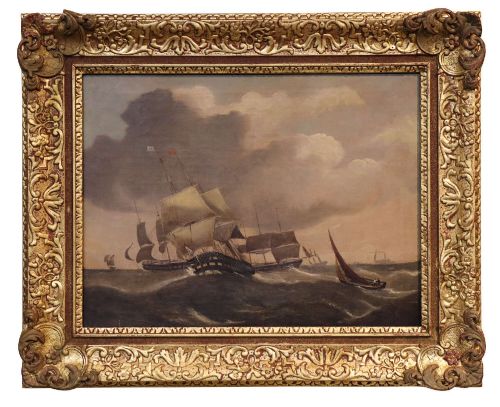
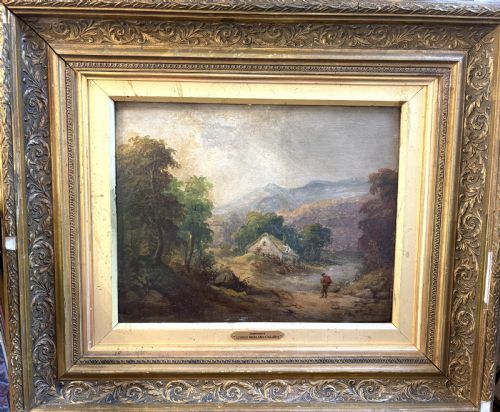
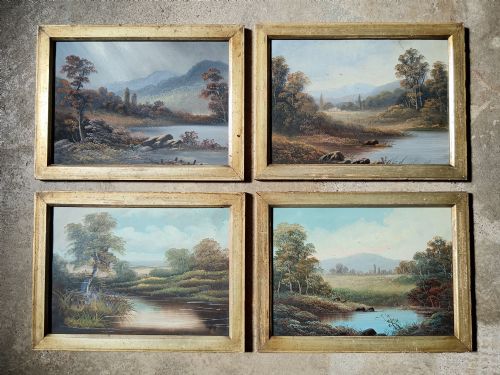
When buyers search for heavy gilt framed artwork, they seek striking compositions encased in substantial, metallic frames that command attention on a wall. The pieces available span several eras, bringing together oil paintings, landscapes, marine scenes, and portraits housed within elaborate enclosures.
You are most likely to encounter Victorian and mid-century items, ranging from deep nineteenth-century frames to twentieth-century oil paintings on canvas and board. These works capture traditional subjects like agricultural horses, shipping scenes, and floral studies, all complemented by generous gilded surrounds.
Materials and construction methods
The physical presence of these pieces relies on oil paint applied to canvas, wood, or board, often paired with linen slips for added depth. Artists utilised traditional pigments and canvas supports during the nineteenth and twentieth centuries to build enduring visual narratives.
The frames themselves are constructed from wood and gesso, then heavily gilded to create a brilliant metallic finish. Craftsmen carved intricate patterns into the gesso layers before applying gold leaf or metallic paint, resulting in robust housings designed to protect and elevate the artwork within.
Listings feature items dated across the nineteenth and twentieth centuries, including Victorian, Edwardian, and mid-century examples.
Assessing quality in frames and paintings
The distinction between standard and superior pieces rests on the depth of hand-carved detail in the gesso and the finesse of the brushwork. A masterfully executed oil painting paired with a heavily moulded, deep gilt frame demonstrates a higher level of craftsmanship than a plain moulding enclosing a flat print.
Proportion and execution define the hierarchy of these works, where harmonious colour palettes and confident brush strokes indicate superior artistic ability. The weight and complexity of the wooden frame further signal the care invested by the original maker.
George Morland·Andre de Moller·W E Millner·Ralph Hedley RBA·Alexandre Decamps
The Heavy Gilt Framed Artwork Glossary
- Gesso
- A plaster-like mixture applied to wood frames to create a smooth surface for carving and gilding. It allows craftsmen to fashion elaborate relief decorations.
- Giltwood
- Wood that has been covered with gold leaf or a similar thin metallic coating. This material catches the light and defines the ornate character of the frame.
- Linen slip
- A narrow fabric border placed between the painting and the outer frame. It creates a visual buffer that draws the eye toward the canvas.
- Oil on canvas
- Pigments bound in a drying oil medium applied to a stretched cloth support. This combination offers rich textures and lasting depth of colour.
- Barbizon influence
- A style reflecting the French landscape movement focusing on direct observation of nature. Painters working in this manner emphasised atmospheric light and realistic terrain.
Heavy Gilt Framed Artwork: Frequently Asked Questions
What periods do these artworks represent?
The pieces span from the nineteenth century through to the mid-twentieth century. You will find Victorian marine and landscape works alongside later twentieth-century cityscapes and floral studies.
Each era brings distinct framing styles, moving from deep, highly ornate Victorian mouldings to simpler mid-century profiles. Examining the canvas support and frame construction helps determine the precise period of origin.
How should I clean a gilded wooden frame?
Dust the frame gently using a soft, dry artist's brush or a feather duster to remove loose particles. Avoid using water, chemical sprays, or abrasive cloths, as moisture can lift the delicate gesso and gold leaf.
If stubborn grime is present, consult a professional conservator rather than attempting wet cleaning. Preserving the original metallic surface ensures the frame retains its historic character.
Can I mix different frame styles in one room?
Combining various frame styles creates an eclectic, gallery-like wall display rather than a uniform look. The shared presence of heavy gilding ties diverse subjects - such as landscapes, portraits, and maritime scenes - together visually.
Allow enough breathing room between large, ornate pieces so each frame can be appreciated individually. Balancing heavy mouldings with simpler frames prevents the wall from feeling overcrowded.