

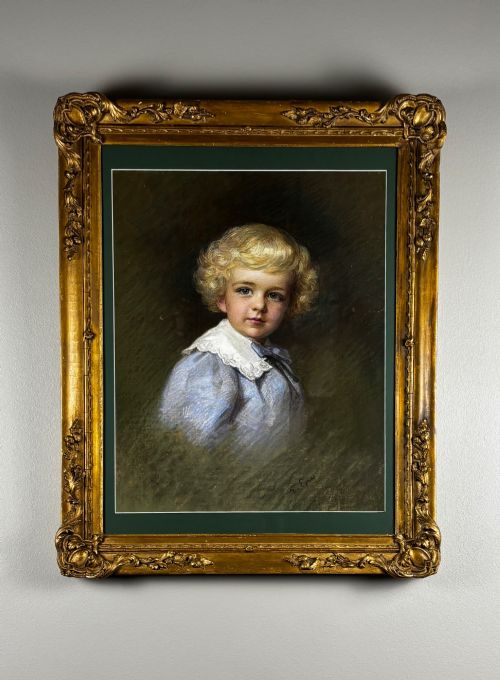

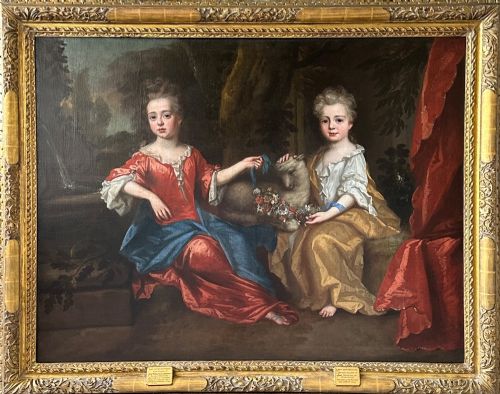
Gilded Frame Child Portrait
A gilded frame child portrait brings the solemnity and grace of past centuries directly onto a modern wall.
Gilded Frame Child Portrait
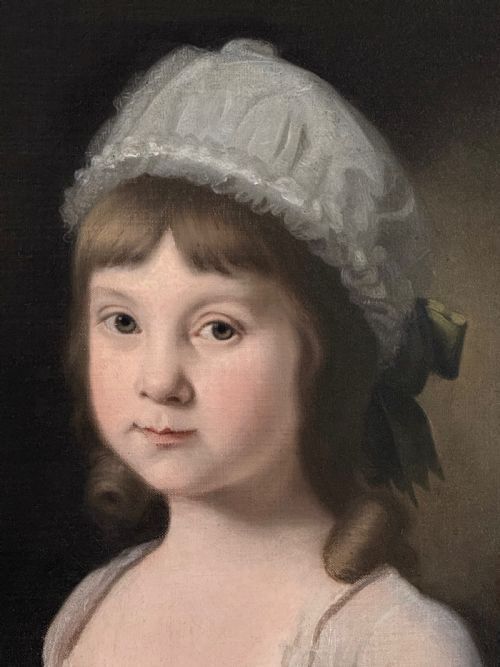
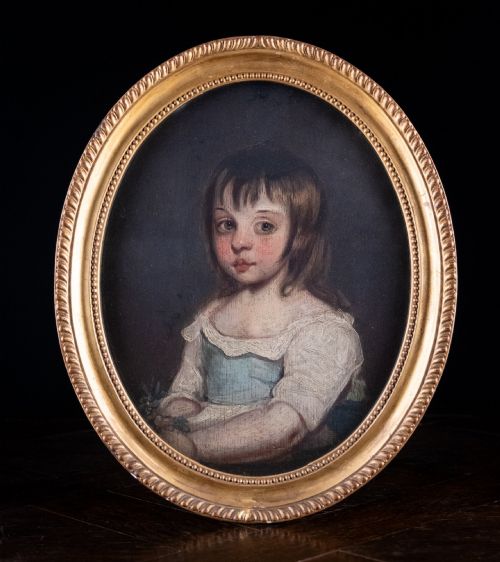
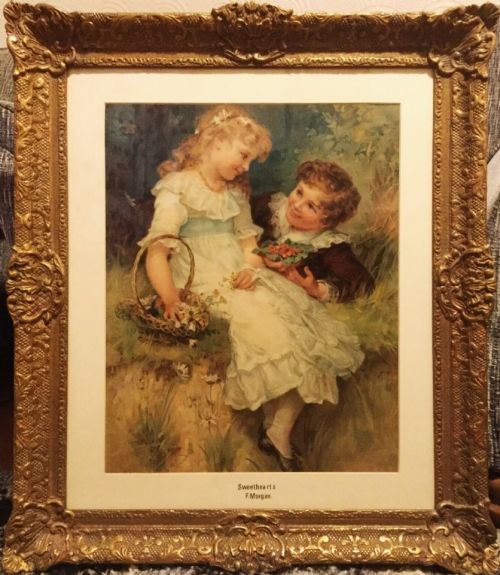
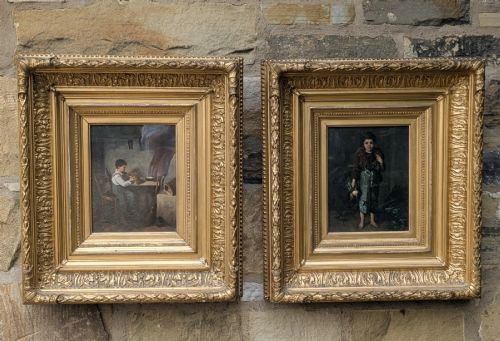
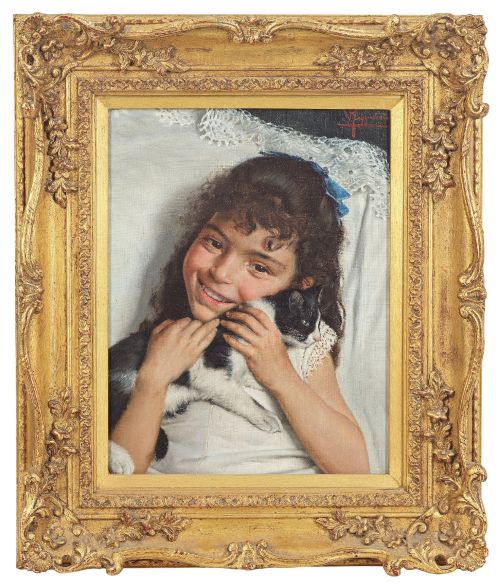
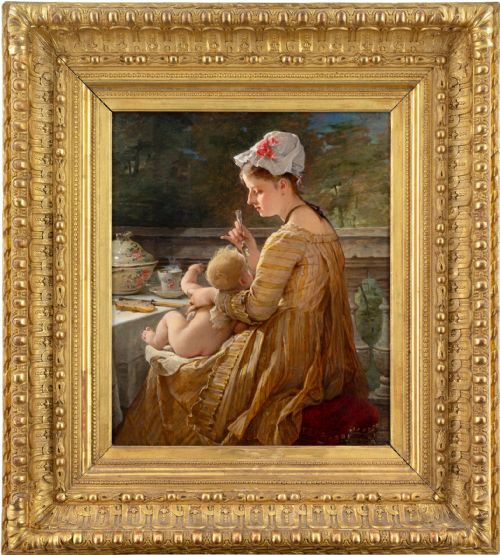
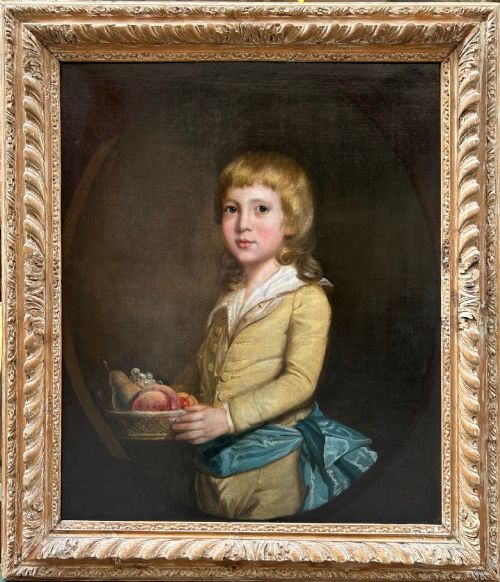
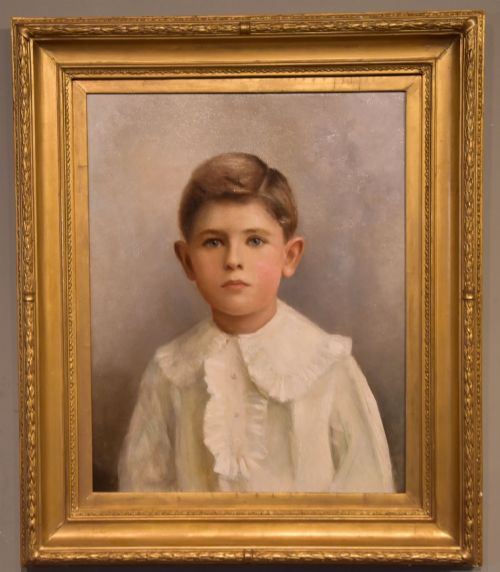
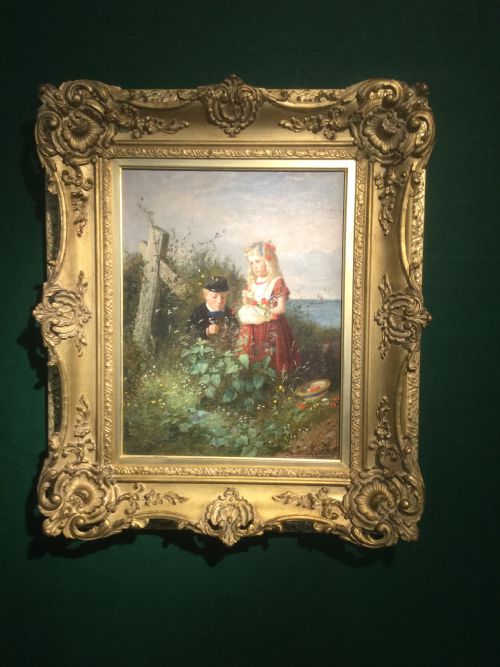
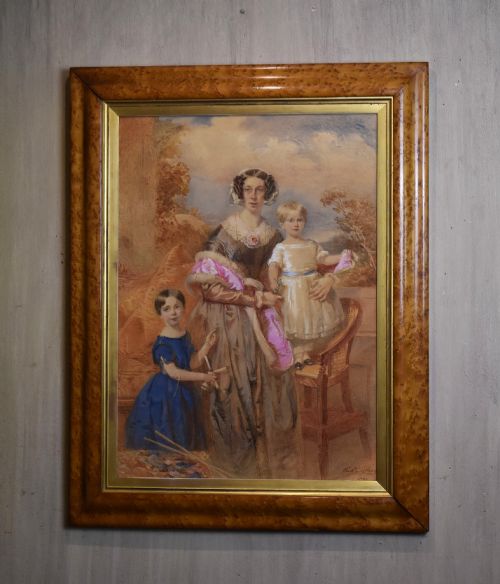
A gilded frame child portrait captures the likeness of young subjects within ornamental surrounds shaped by centuries of tradition. Buyers searching this phrase encounter oil paintings, pastels, and watercolours set into polished wooden borders.
The versions most commonly met across these listings originate in the eighteenth and nineteenth periods, reflecting Victorian and Georgian aesthetic values. These works range from informal studies of country youths to formal depictions of aristocratic families.
Makers often employed traditional mediums like oil on canvas or delicate pastel on paper, housed within heavy wooden surrounds. The resulting objects preserve both the likeness of the subject and the decorative taste of the period.
Materials and Techniques
Artists relied primarily on oil on canvas and pastel on paper to render their subjects, layering pigment to achieve depth in skin tones and garments. These panels and canvases were then secured inside timber surrounds coated in gesso before receiving their metallic leaf.
Giltwood and gilded wood frames required meticulous application of thin gold leaf over a prepared plaster base to create a luminous border. Carvers shaped the wood into floral, beaded, or baroque motifs that complemented the mood of the painted subject.
Frames incorporate materials such as gesso, giltwood, and rosewood alongside traditional canvas and paper supports.
Evaluating Quality
Quality rests upon the skill of the hand that rendered the subject's expression and the integrity of the surrounding woodwork. Superior examples display subtle tonal transitions in the face alongside crisply carved details on the gilded surround.
The relationship between the artwork and its border determines the harmony of the piece. Masterworks integrate the ornamentation of the frame with the proportions of the canvas, whereas lesser examples pair generic surrounds with standard compositions.
Emily Eyres·Joshua Reynolds·Thomas Beach·Henry Windsor Fry·Frederick Tatham·James Maubert·Joseph Highmore·Arthur Percy Dixon·Arthur William Devis·George Bernard O'Neill·William Egley·Mary Beale·Franz Xaver Winterhalter·Jane Maria Bowkett·Adam Buck
The Gilded Frame Child Portrait Glossary
- Giltwood
- Wood carved and coated with gold leaf. This material provides a bright, reflective boundary around historical paintings.
- Gesso
- A plaster mixture applied to wooden frames before gilding. It creates a smooth surface for capturing intricate relief details.
- Pastel
- A dry medium composed of powdered pigment and a binder. Artists applied these sticks to paper or canvas to achieve soft textures.
- Oleograph
- A mechanical colour print made to imitate an oil painting. These reproductions appeared in homes as affordable alternatives to original works.
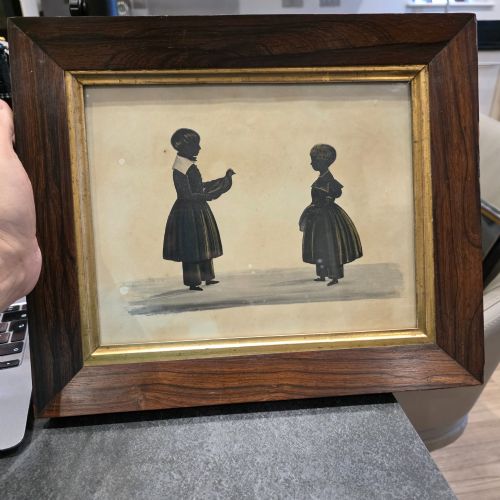
- Silhouettist
- An artist specialising in cut paper profiles. These monochrome likenesses offered an economical form of portraiture before the advent of photography.
Gilded Frame Child Portrait: Frequently Asked Questions
How do I date a child portrait?
Clothing styles, hairstyles, and painting techniques offer the clearest chronological markers for these works. Portraits from the Georgian era often feature formal dress, whereas Victorian examples lean toward sentimentality.
The construction of the frame also provides clues. Earlier surrounds utilise hand-carved wood and distinct gesso layers that differ from later moulded plaster borders.
Were these painted from life?
Many professional commissions required the young subjects to sit for the artist over several sessions. This accounts for the lifelike expressions captured in oil and pastel.
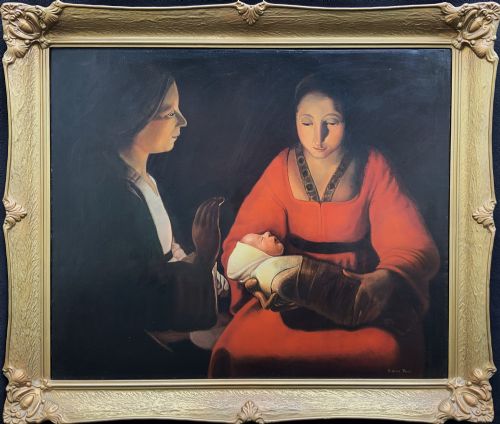
Some works, particularly religious subjects or copies after earlier masters, were produced in studios without a direct sitter present.
How should I hang these portraits?
Heavy gilded surrounds require robust wall fixings anchored directly into structural studs or solid masonry. Position the centre of the canvas at average eye level to ensure proper viewing.
Keep these artworks away from direct sunlight and damp environments to protect both the canvas pigments and the delicate metallic leaf on the frame.
What is the difference between oil and pastel?
Oil paintings utilise pigments suspended in drying oils on canvas or panel, yielding durable surfaces that tolerate gentle cleaning. Pastel works consist of pure powdered pigment pressed into sticks, creating a velvety matte texture.
Pastel portraits require glass protection to prevent the loose pigment from disturbing over time.