

Gilded English Bone China
Gilded English bone china brings together porcelain body and gold leaf enrichment across plates, vases and tea services from the Georgian to the Art Deco periods.
Gilded English Bone China
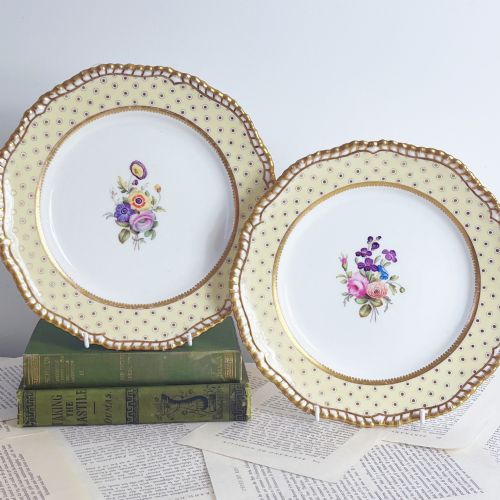
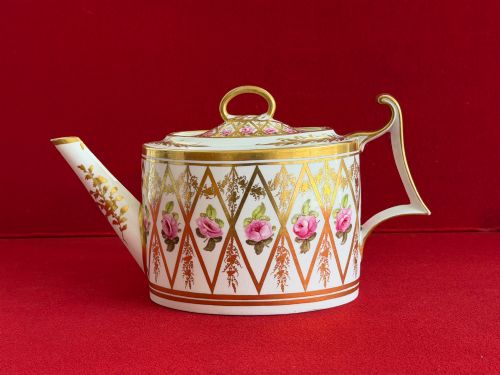
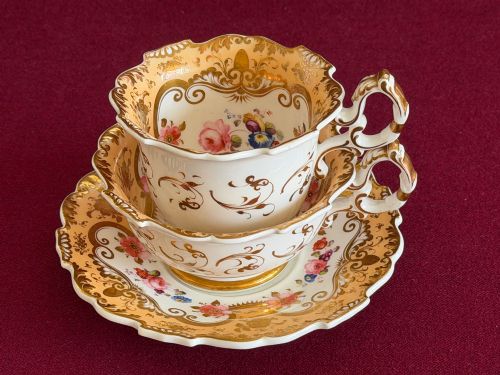
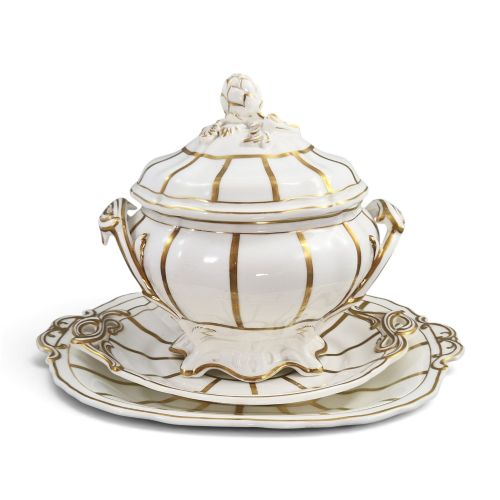
Gilded English bone china encompasses tableware and decorative objects produced across the nineteenth and twentieth centuries by historic potteries. Collectors encounter cabinet plates, trios, teapots and twin-handled vases bearing gold leaf decoration alongside handpainted motifs.
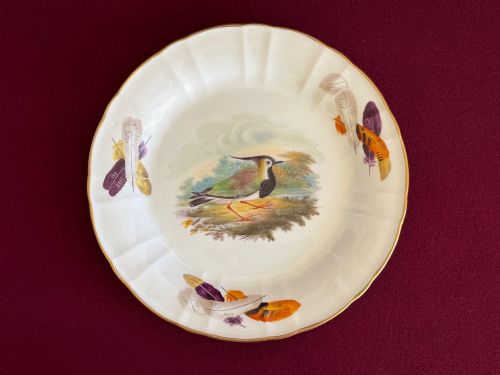
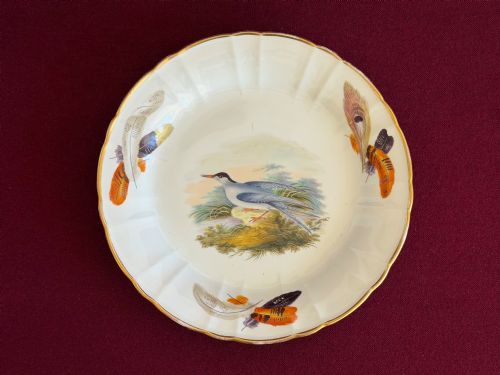
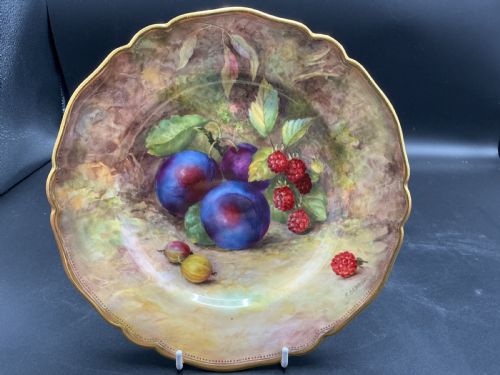
The pieces originating from this search span Georgian, Regency, Victorian and Edwardian eras, extending into later twentieth-century production. Forms range from utilitarian tea services to individual cabinet dishes painted with birds, landscapes and fruit.
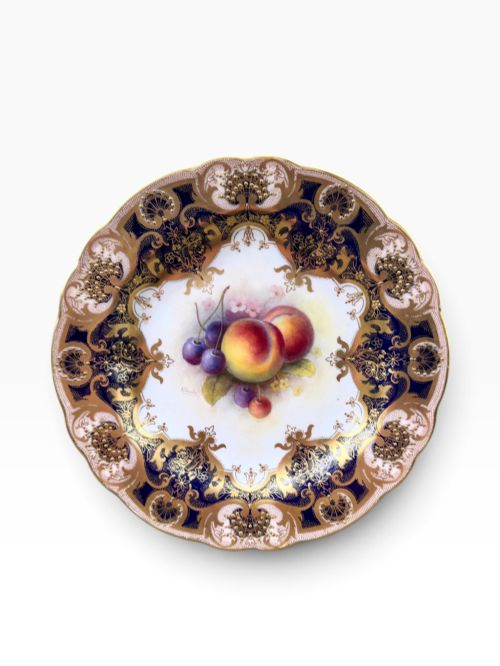
Makers such as Royal Crown Derby, Spode, Coalport and Royal Worcester dominate the selection available. Each period contributes distinct shapes and painting styles, from early Imari patterns to botanical studies and signed fruit plates.
Materials and Techniques
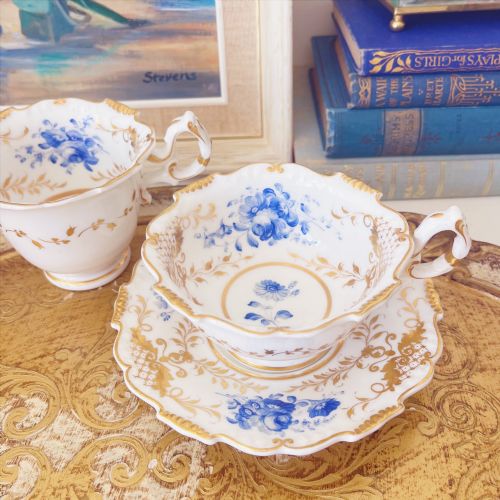
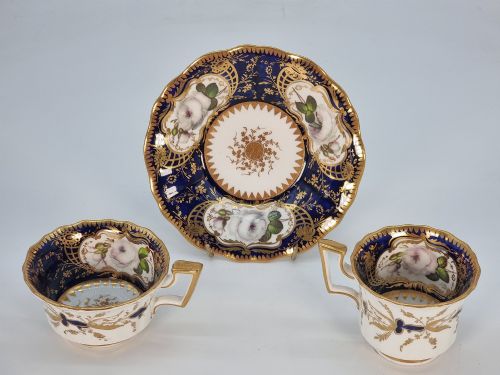
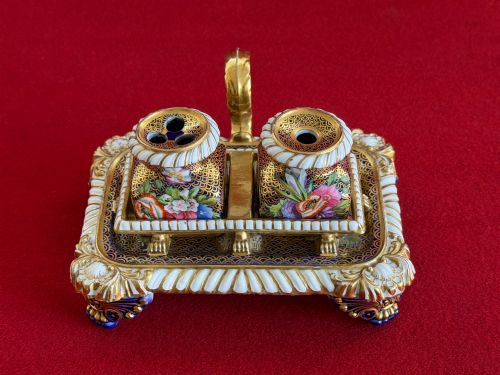
Manufacturers utilised bone china and porcelain bodies, shaping them into plates, saucers, sugar bowls and inkstands. Enamel colours were applied by hand to create intricate scenes of birds, lakes and floral compositions.
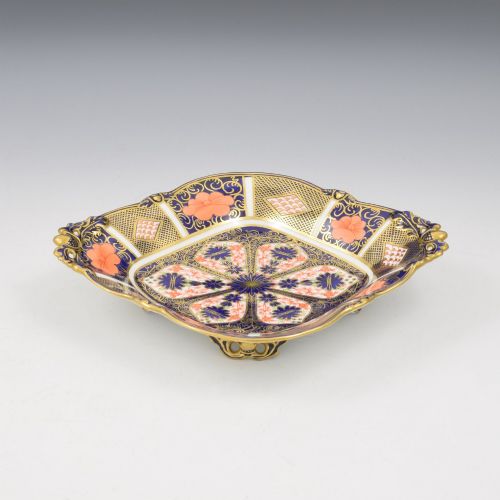
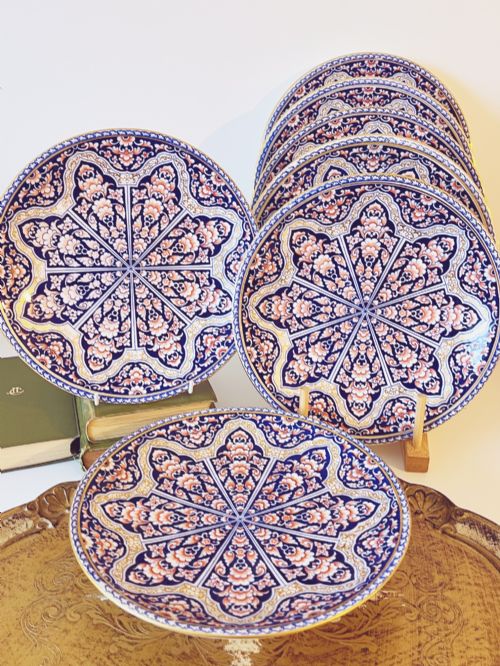
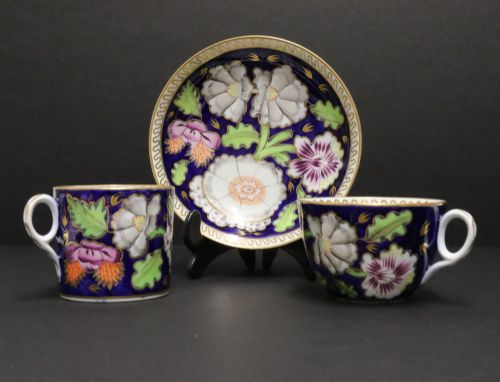
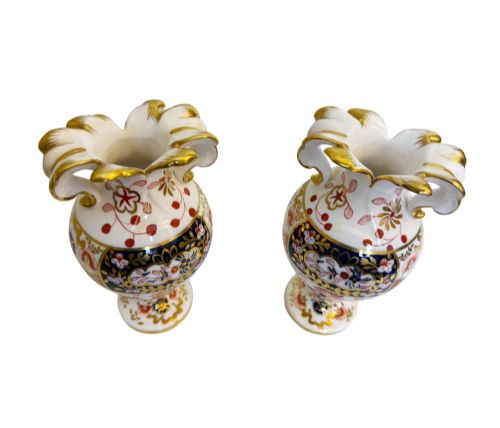
Gold leaf, gilt and gold gilding were hand-applied to rims, handles and borders, then fired to fuse with the ceramic glaze. Artisans combined these metallic highlights with cobalt blue and rust red, particularly in traditional Imari colourways.
Listings feature porcelain forms spanning the Georgian, Regency, Victorian, Edwardian, 1920 and 1930 periods, incorporating gold leaf, enamel and bone china.
Assessing Quality and Execution
Quality rests in the precision of the handpainted detail and the crispness of the porcelain moulding. Pieces featuring signed artist work or elaborate pierced porcelain trays represent the upper tier of production.
The weight and purity of the gold gilding differ noticeably across examples, with thicker burnished gold indicating superior execution. The complexity of the ceramic form, such as twin-handled vases and rococo profiles, further separates standard wares from exhibition-grade commissions.
Royal Crown Derby·Spode·H & R Daniel·Wedgwood·Coalport·Royal Worcester·Davenport·Royal Doulton·Minton·Newhall
The Gilded English Bone China Glossary
- Bone china
- A type of porcelain incorporating bone ash, yielding a strong, translucent white body suitable for intricate tableware.
- Gilding
- The application of gold leaf or gold paint to ceramic surfaces, typically accenting rims, handles and decorative borders.
- Imari
- A decorative style inspired by Japanese export wares, utilising rich cobalt blue, iron red and abundant gold leaf.
- Cabinet plate
- A decorative ceramic plate intended for display in a cabinet rather than for everyday dining.
- Trio
- A matching set comprising a teacup, coffee cup and saucer, or a teacup, saucer and matching small plate.
Gilded English Bone China: Frequently Asked Questions
How do I date these pieces?
Dating relies on factory backstamps, impressed marks, pattern numbers and stylistic changes spanning the Georgian to Edwardian eras.
Individual artists often signed their work in later periods, providing precise years of production.
Were these items used daily?
Many tea services and plates saw actual service in nineteenth-century dining rooms, while cabinet plates were made strictly for display.
Fine gilding and handpainted surfaces meant that utilitarian items required careful handling.
What is an Imari pattern?
Imari decoration draws on Japanese traditions, combining deep underglaze blue with burnt orange and generous gold leaf highlights.
English potteries adapted this aesthetic extensively during the Regency and Victorian periods.
How should I clean gilded porcelain?
Washing requires warm water and mild soap, avoiding abrasive sponges that wear away delicate gold leaf over time.
Pieces should be dried immediately with a soft cloth to protect the painted enamel details.