

Gilded Display Plates
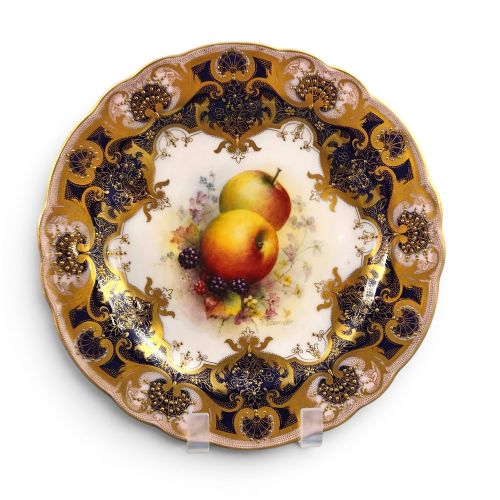
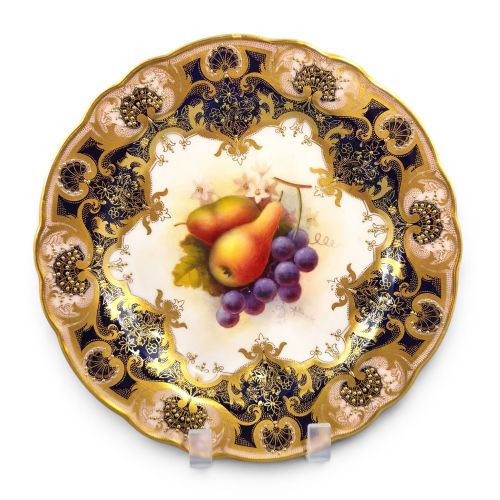
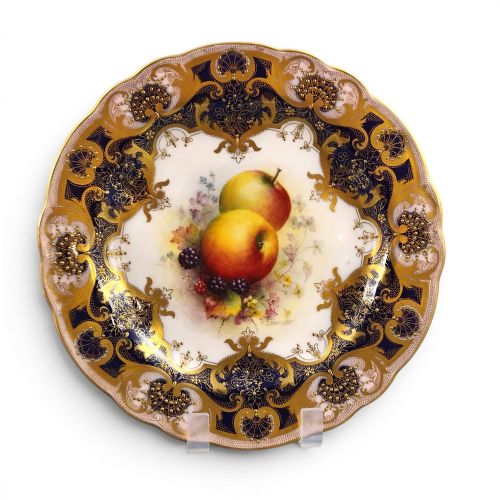
Gilded display plates bring hand-painted artistry and metallic lustre to wall brackets and cabinet shelves.
Gilded Display Plates
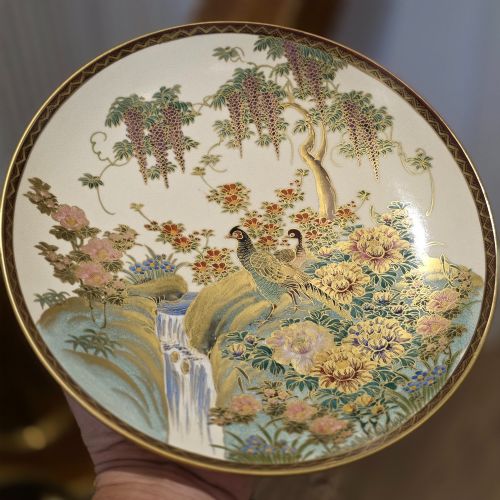
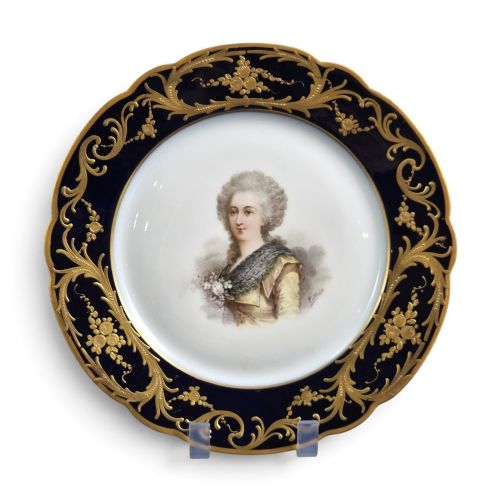
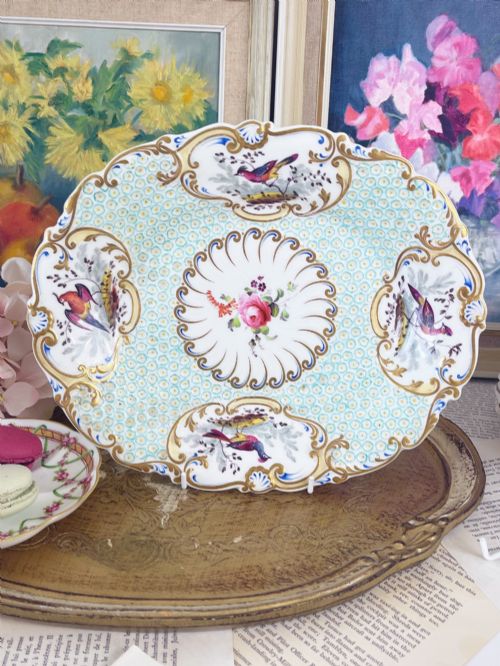
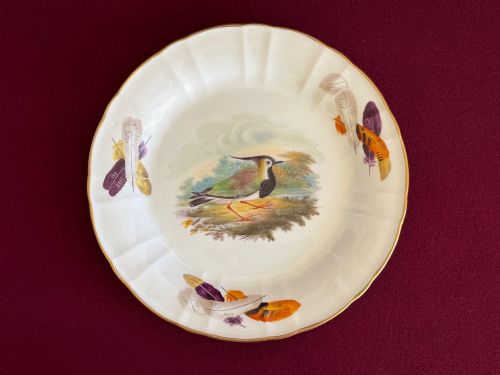
Gilded display plates encompass decorative porcelain and bone china dishes produced for visual appreciation rather than daily dining. These pieces arrive from various periods including Georgian, Regency, Victorian, and early twentieth-century workshops.
Buyers encounter items intended for display in dining rooms and drawing rooms, often marked by scalloped edges, pierced borders, and rich surface embellishment.
Materials and Technique
These items rely on porcelain, bone china, and earthenware bodies shaped into plates, dishes, and chargers. Potters fired the clay bases before applying detailed hand-painting in enamels and pigments.
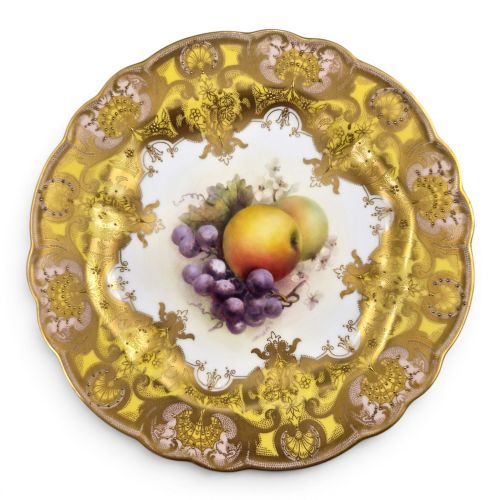
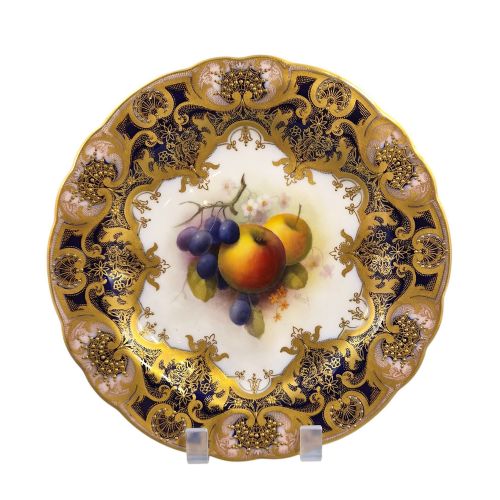
Artisans integrated gold leaf, gilding, and gold paint along borders and motifs to create contrasting metallic highlights against painted backgrounds. Firing fixed the metallic elements and pigments permanently to the ceramic surface.
Squirrels and fairies occasionally peer out from behind gilded foliage on Victorian aesthetic plates.
Factors of Quality
Quality rests upon the skill of the hand-painting, where named artists and signed works separate standard production from superior pieces. The precision of botanical, ornithological, or figurative detail dictates the artistic merit.
The application of gold leaf and the complexity of the ceramic body, such as reticulated or pierced rims, influence the overall execution. Well-preserved gilding without rubbing elevates the standing of an individual piece.
Royal Worcester·Royal Crown Derby·Wedgwood·Minton·Royal Doulton
The Gilded Display Plates Glossary
- Cabinet plate
- A decorative ceramic plate intended for display in a cabinet or on a wall rather than for table service. These examples typically feature intricate hand-painted subjects and rich gilding.
- Charger
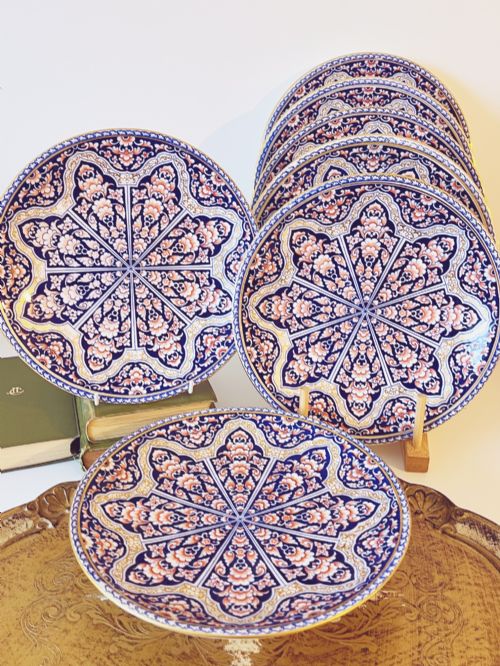
- A large decorative plate or dish used primarily as a base or for presentation. Imari chargers display bold Japanese patterns in iron red, cobalt blue, and gold.
- Gilding
- The application of gold leaf, gold dust, or gold paint to a ceramic surface. This technique highlights rims, handles, and decorative borders.
- Reticulated
- Describes a ceramic rim or border pierced with openwork patterns during manufacture. This technique adds delicate structural detail to display plates.
- Dessert service
- A matching set of plates and serving pieces designed for the final course of a meal. Surviving sets often function as display items due to their decorative painted motifs.
Gilded Display Plates: Frequently Asked Questions
How were gilded display plates used historically?
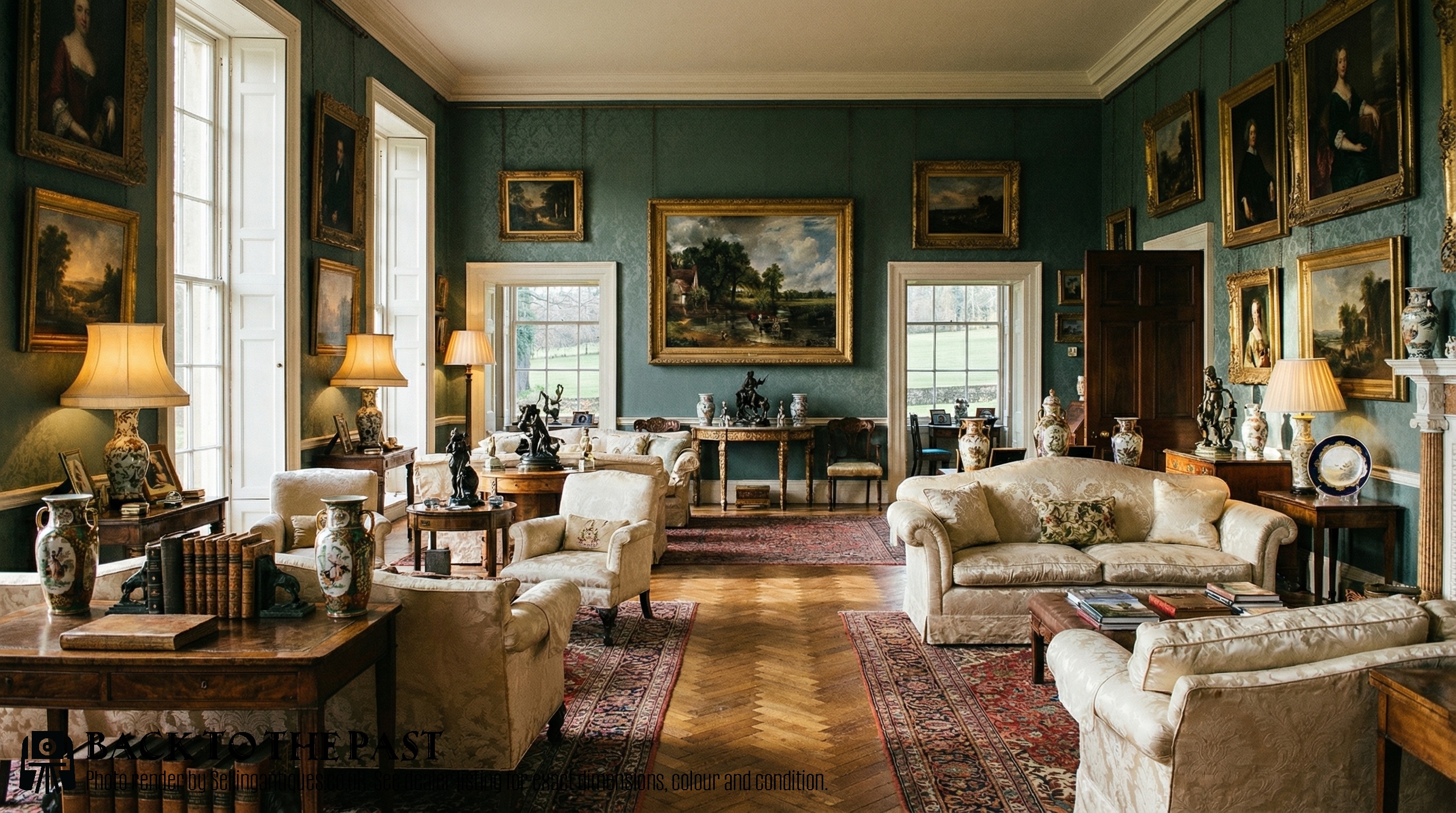
These items served as decorative objects within formal rooms, displayed on specialised shelves, mounted on walls, or housed inside glass cabinets. Wealthy households utilised them to showcase artistic taste and fine ceramic manufacture.
Unlike utilitarian tableware, they remained protected from regular use to preserve the hand-painted surfaces and delicate gold leaf details.
How do I identify the period of a plate?
Dating relies on factory backstamps, impressed marks, and painted signatures found on the underside of the ceramic body. Stylistic indicators, such as Victorian aesthetic motifs or Regency shapes, provide further chronological clues.
Comparing pattern numbers and artist signatures against factory records helps narrow the date of manufacture.
Can these plates be hung on walls safely?
Wall display requires specialised spring-loaded plate hangers with protective rubber tips that distribute pressure evenly across the rim. Ensuring the wall fixing is secure prevents accidental drops.
Heavy chargers and large plates need robust hardware designed to support heavier ceramic weights.
What subjects appear on painted cabinet plates?
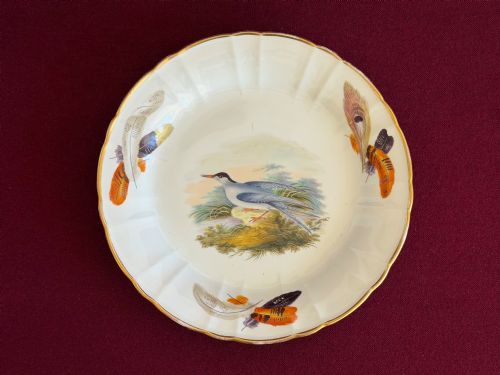
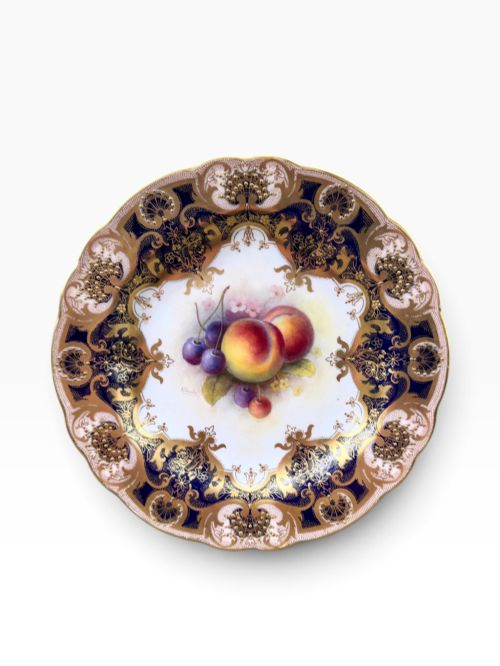
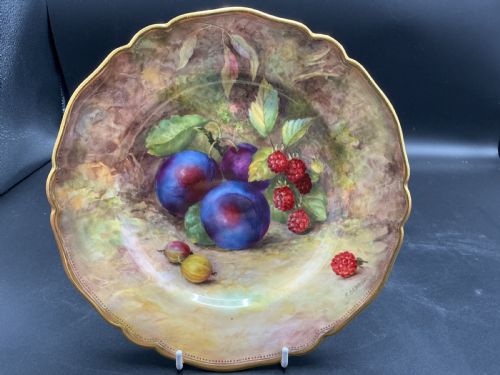
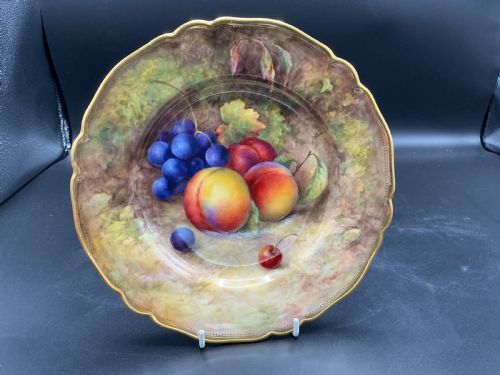
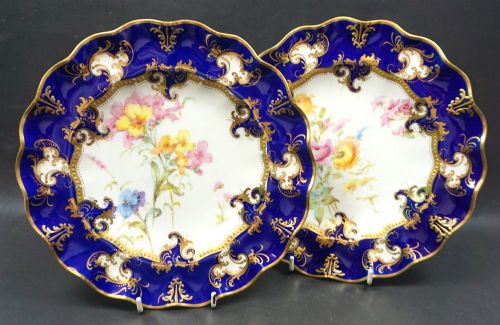
Decorations frequently feature botanical studies, British and exotic birds, detailed fruit arrangements by named artists, and scenic landscapes. Portraiture and armorial crests also appear on nineteenth-century examples.
Artists signed their work to attribute these miniature paintings directly to skilled porcelain decorators.