


Gilded China Urn
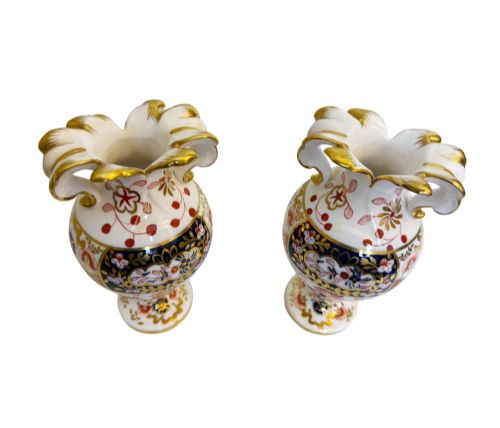
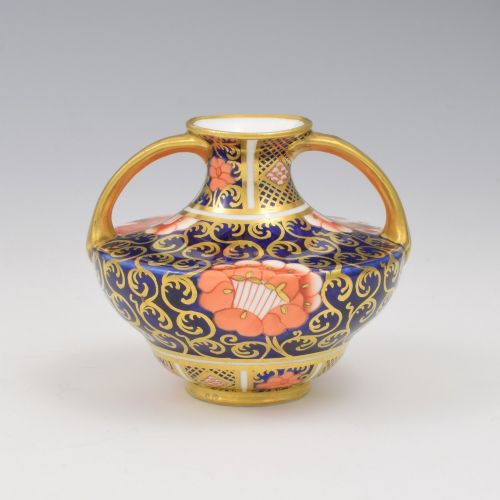
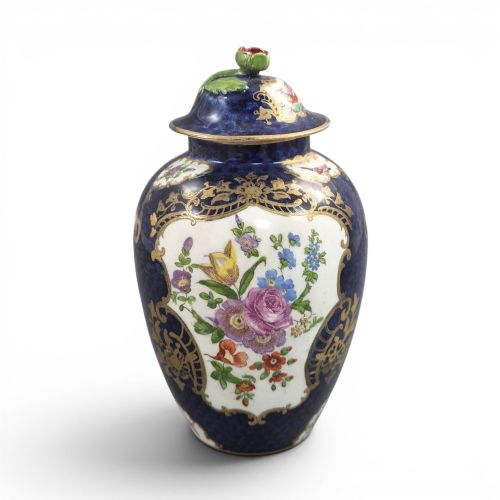
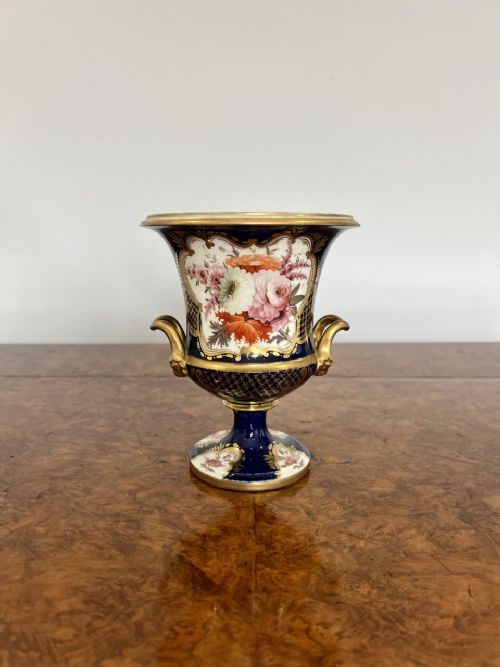
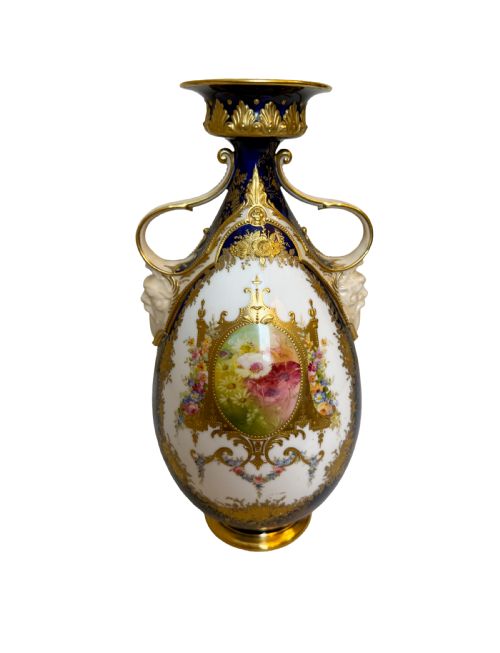
These gilded china urn pieces bring cabinet presence and painted detail to a room, drawing the eye with gilt highlights.
Gilded China Urn
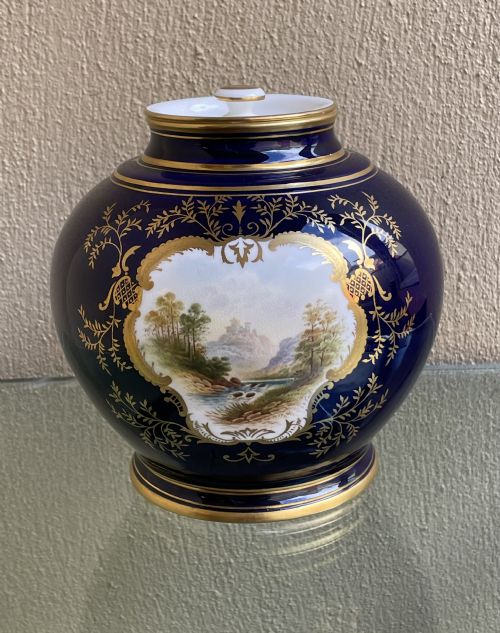
A gilded china urn takes the form of a decorative vessel, ginger jar, or pot pourri container designed to sit on a mantelpiece or side table. These pieces emerge in porcelain, bone china, and ironstone across periods from the eighteenth century through to the mid twentieth century. Buyers seeking this phrase meet nineteenth century examples alongside Edwardian and later twentieth century productions.
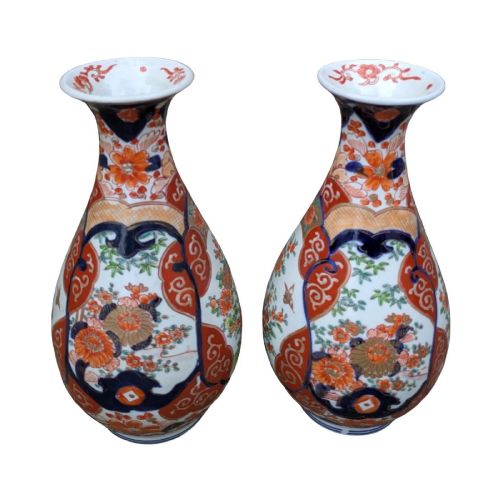
The aesthetic ranges from traditional English floral and fruit painting to Japanese Imari patterns and Chinese export styles. Many items arrive in matched pairs, while others stand alone as covered vases or ewers with twin handles. Makers from Spode, Royal Crown Derby, and Royal Worcester dominate the forms available.
Materials and construction
Potters shaped porcelain, bone china, and ironstone on the wheel or in moulds before firing the body to create a hard ceramic base. Artisans then applied enamel colours and gold leaf or gilding by hand, often returning the piece to the kiln multiple times to fix the painted scenes and metallic lustre.
Detailed hand painting by named artists decorates the surfaces, depicting fruit, exotic birds, and landscapes against scale blue or white grounds. Skilled gilders added gold leaf outlines and handles to accentuate the classical urn and vase shapes.
Several pieces preserve the exact handwriting of nineteenth century artists who signed their fruit studies directly onto the ceramic base.
Distinctions in quality
The standard of the hand painting separates standard production from exceptional studio work, particularly when executed by known artists working for major factories. Fine brushwork depicting fruit, birds, or landscapes commands greater attention than stencilled or transfer printed decoration.
The crispness of the gilt work and the weight of the porcelain body contribute to the overall calibre of the piece. Intricate mouldings, well preserved gold leaf, and signed artist panels indicate superior craftsmanship.
Spode·Royal Crown Derby·Royal Worcester·Coalport·Booth
The Gilded China Urn Glossary
- Bone china
- A type of soft-paste porcelain containing bone ash, which produces a strong, slightly translucent ceramic body suitable for delicate vessel walls.
- Imari
- A style of decorative pattern originating in Japan, characterised by cobalt blue, iron red, and abundant gilt details adopted by English factories.
- Pot pourri
- A covered vase or jar pierced with holes in the lid to allow scented dried plant materials to fragrance a room.
- Ironstone
- A heavy, durable type of ceramic developed as a tougher alternative to porcelain while maintaining a smooth surface for painting.
- Gilding
- The application of gold leaf or gold paint to ceramic surfaces to highlight handles, rims, and decorative panels.
Gilded China Urn: Frequently Asked Questions
How were these urns used?
These vessels functioned primarily as decorative mantel ornaments or centrepieces in period drawing rooms. Some variations held dried scented petals to freshen the air within the home.
Covered versions and pot pourri jars allowed homeowners to conceal aromatic blends while displaying colourful hand painted ceramic art to visitors.
How do I date a piece?
Dating relies upon factory backstamps underneath the glaze, alongside stylistic cues from periods like the Victorian era or Edwardian years. Artist signatures often correspond to specific working dates recorded in factory archives.
The choice of palette, from eighteenth century Derby styles to mid twentieth century fruit studies, also points to the decade of manufacture.
Are these pieces fragile?
The ceramic bodies and delicate handles require careful handling during dusting and relocation. Glazed porcelain withstands normal indoor conditions when kept secure on stable furniture.
Placement away from heavy traffic areas protects the protruding handles and gilt rims from accidental knocks.