
Vintage Floral Vases
These vintage floral vases bring botanical forms into interior spaces through centuries of varied ceramic, bronze, and glass production.
Vintage Floral Vases
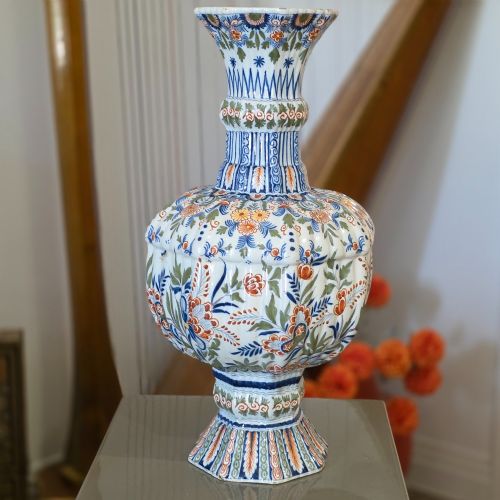
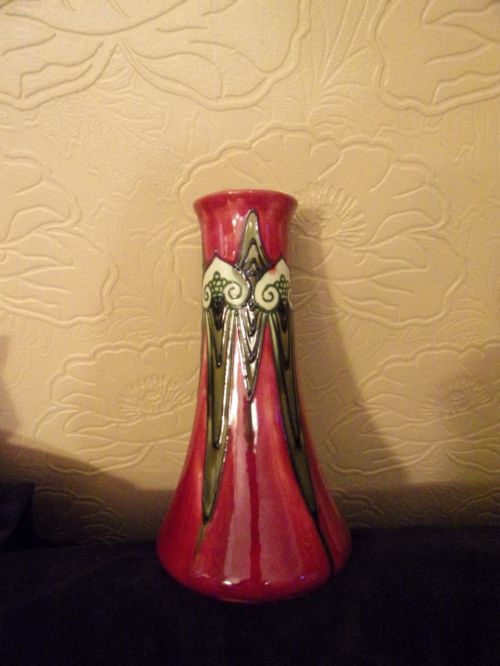
When you search for vintage floral vases, you encounter a diverse array of vessels decorated with botanical motifs, spanning periods from the eighteenth century to the mid-twentieth century.
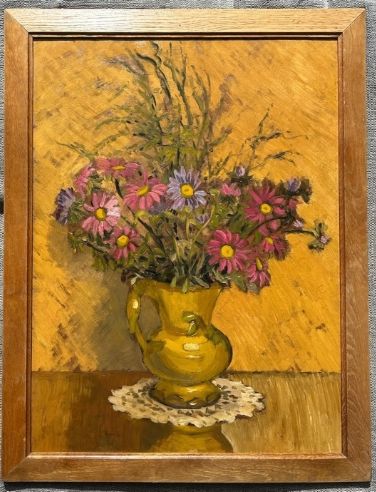
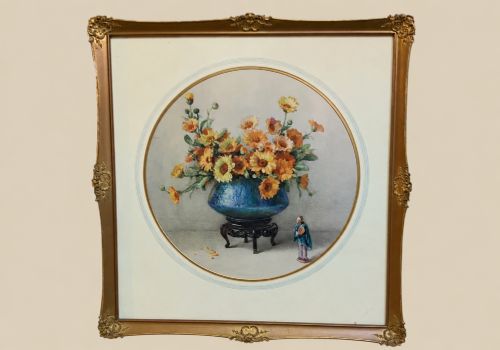
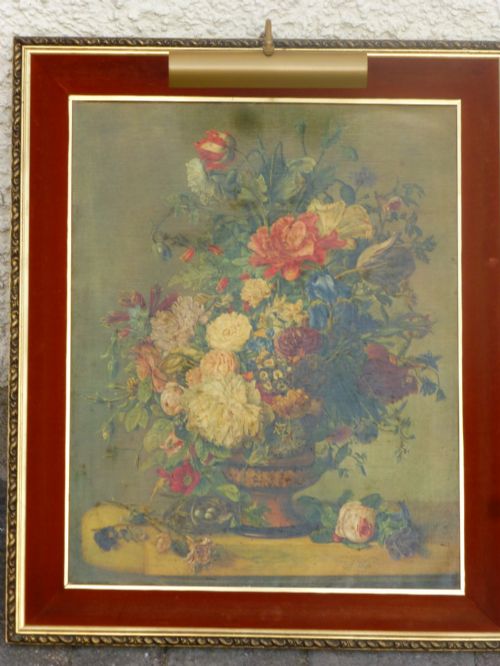
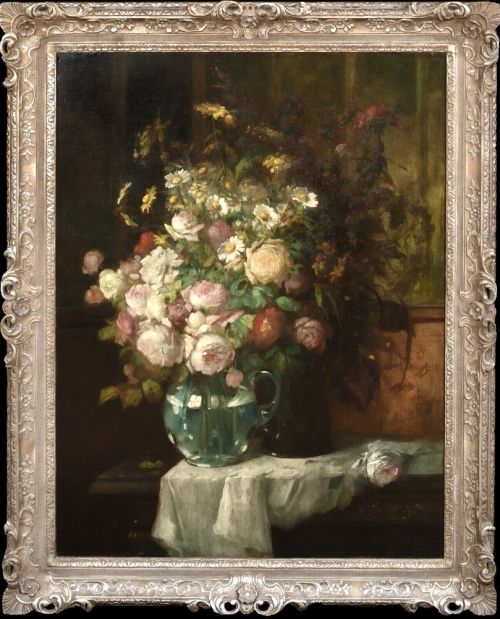
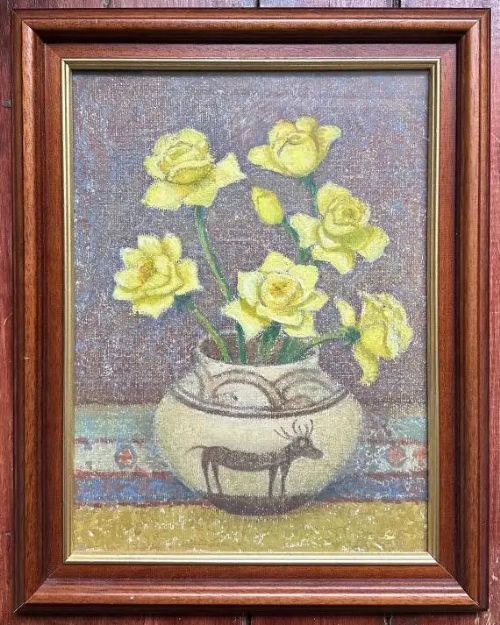
The selections on this page include earthenware, porcelain, and cloisonné pieces alongside oil paintings depicting flower arrangements.
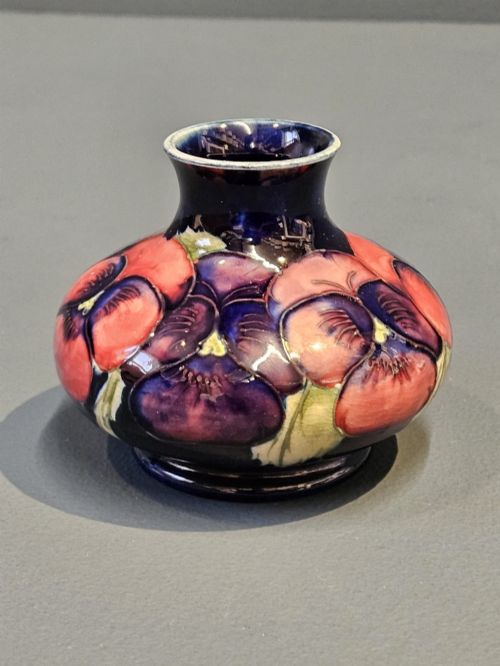
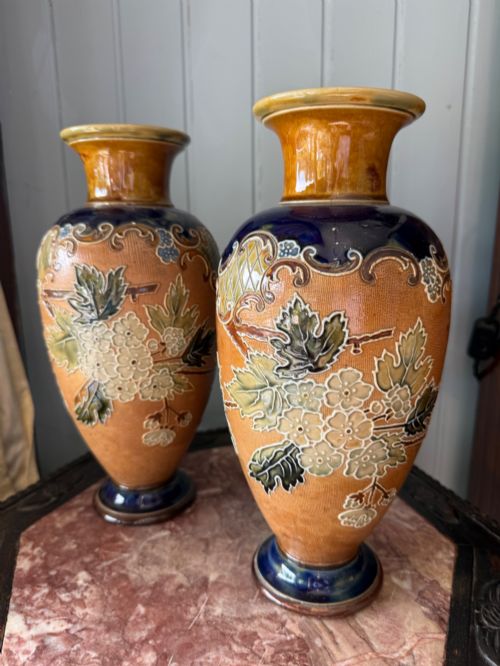
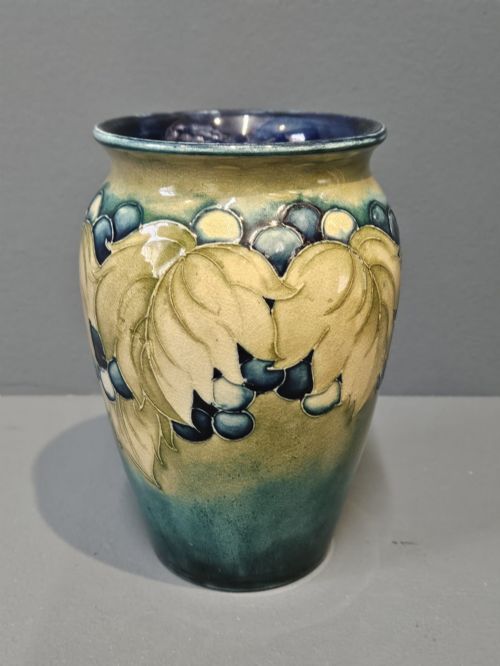
Moorcroft, Royal Doulton, and Japanese Imari wares represent the most frequent ceramic and decorative traditions you will meet within this selection.
Materials and construction
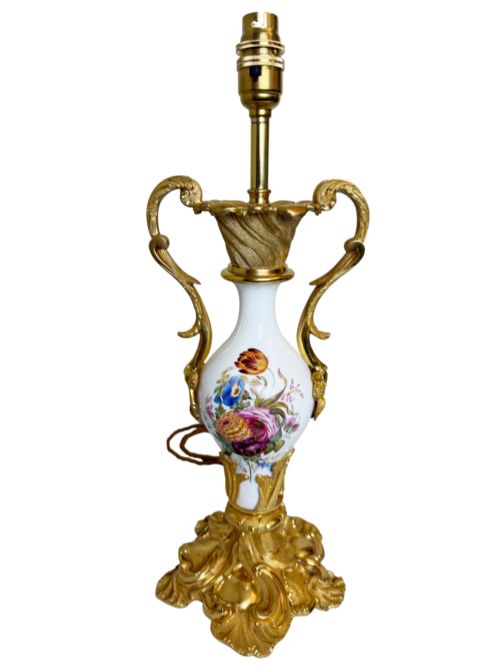
Potters and artisans utilised porcelain, earthenware, and ceramic bases, often applying glazes, tube-lined enamel, or hand-painted pigments to render botanical details.
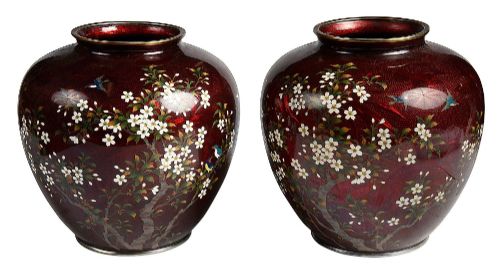
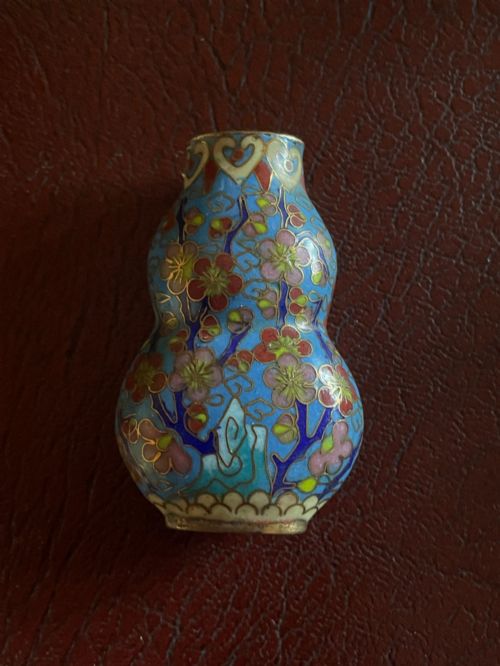
Metalwork pieces involve bronze and gilt bronze shaped through champlevé or embellished with applied cloisonné wirework.
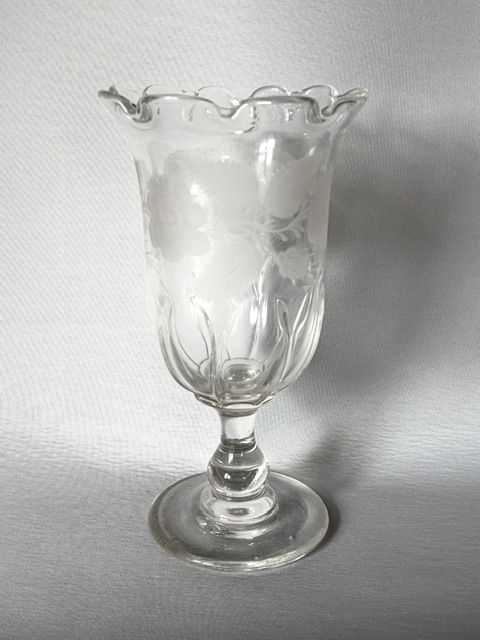
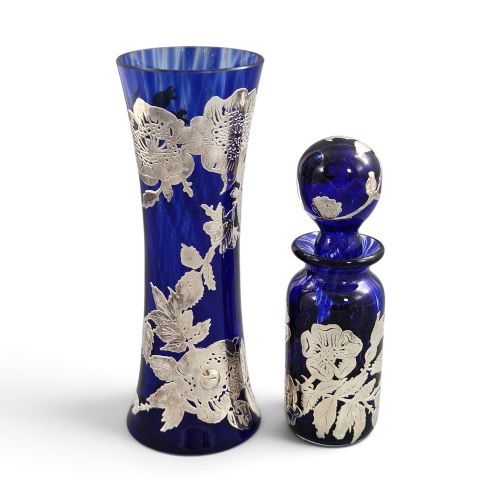
Glass vessels employ techniques such as acid-etching, silver overlay, and opalescent moulding to achieve translucent floral relief.
Listings feature porcelain, earthenware, and bronze pieces across periods from the eighteenth century to the mid-twentieth century.
Evaluating craftsmanship
The standard of a piece rests upon the precision of the hand-painting, the complexity of the glaze chemistry, and the crispness of any applied metalwork or tube-lining.
Pricier examples demonstrate superior depth in pigment layering and more meticulous finishing in the kiln, whereas simpler commercial output shows broader brushwork and standard glazes.
Moorcroft·Royal Doulton·Lalique·Minton·Meissen
The Vintage Floral Vases Glossary
- Cloisonné
- Enamelling technique where metal wire forms compartments on a vase surface to hold coloured pastes before firing.
- Tube-lined
- Pottery decoration method using a small nozzle to trail raised lines of slip onto the clay body before glazing.
- Imari
- Japanese export porcelain style characterised by underglaze blue and contrasting iron-red and gold overglaze decoration.
- Faience
- Tin-glazed earthenware produced in imitation of fine porcelain forms and painted with botanical or figurative designs.
- Champlevé
- Enamelling process where troughs are dug into a bronze or metal surface to receive vitreous enamel powders.
Vintage Floral Vases: Frequently Asked Questions
How do I date a ceramic vase?
Examine the base for factory marks, impressed numbers, and glaze characteristics that correspond to known production periods. Stylistic cues such as tube-lining or hand-painted signatures also help narrow the decade of manufacture.
Compare the weight, clay body, and potting technique with documented examples from the same maker to confirm the era.
Are these vases waterproof?
Many older ceramic and glass vessels hold water safely, but pieces with applied metal overlay, delicate enamels, or porous earthenware bodies require caution. Inspect the interior for cracks or historical repairs before filling.
Using a removable liner protects fragile interiors from moisture damage and mineral deposits.
How do I style a floral vase?
Display these decorative vessels on sideboards, mantels, or tables where natural light highlights their glazes and surface textures. Pairing them with complementary still life paintings creates a cohesive interior scheme.
Allow the piece to stand alone as a sculptural object or fill it with seasonal stems that echo its painted motifs.