
Gilded China Cabinet
These items encompass gilded china cabinet pieces, display furniture and fine porcelain plates meant for interior presentation.
Gilded China Cabinet
Buyers searching for a gilded china cabinet encounter a mix of display furniture, vitrines and porcelain objects designed for exhibition. The selection ranges from nineteenth-century ormolu-mounted mahogany cabinets to hand-painted bone china plates.
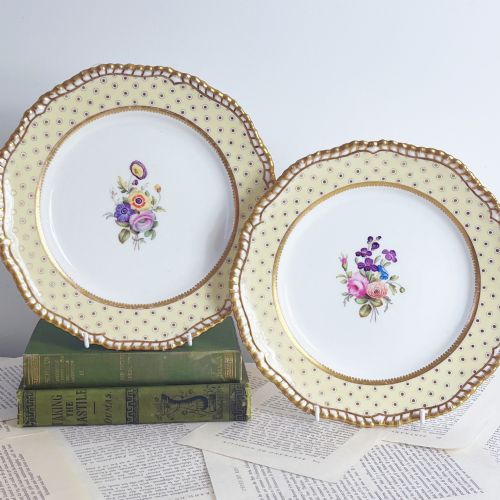
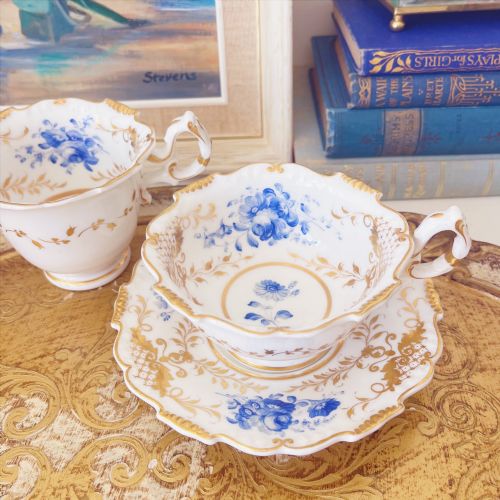
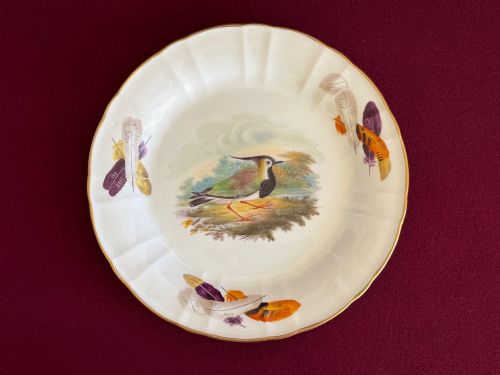
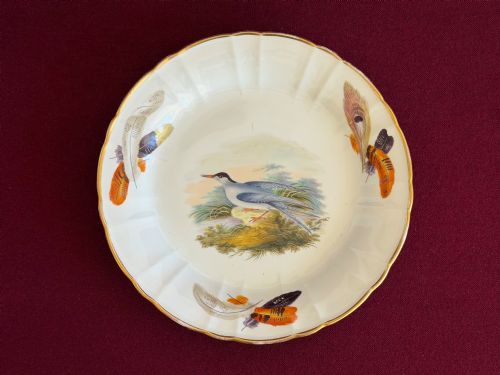
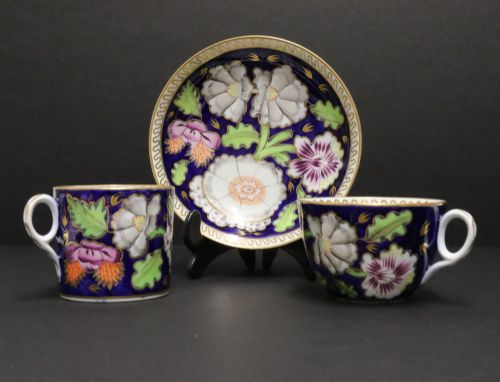
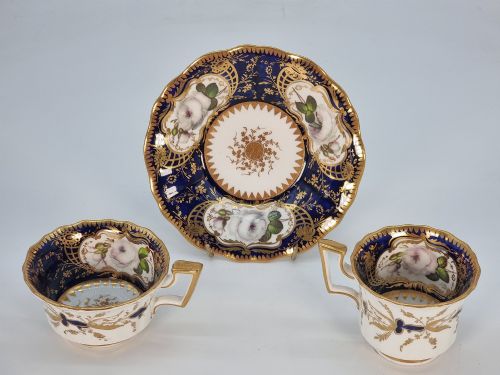
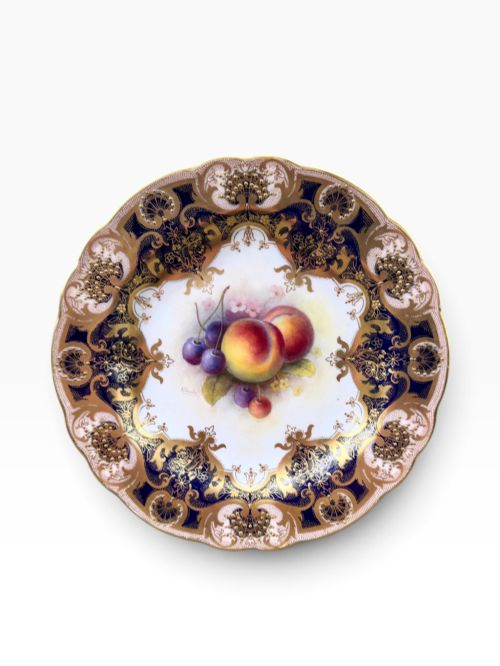
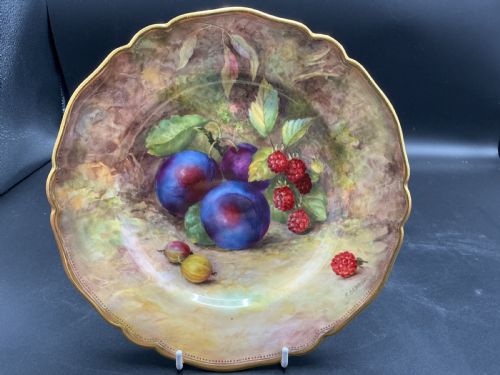
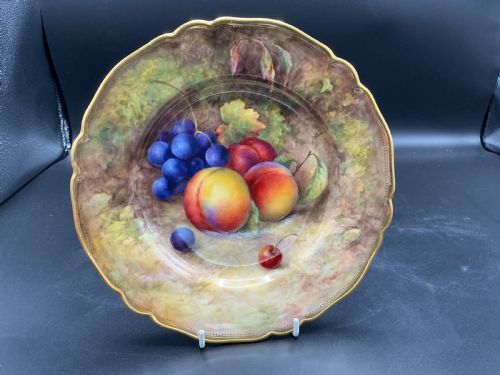
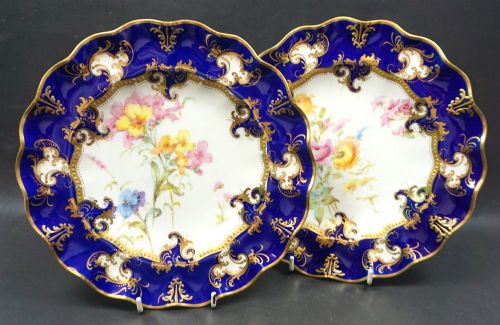
Most items on this page lean towards decorative ceramics intended for display within cabinetry rather than everyday service. These include cabinet plates, dessert plates and cups produced by factories such as Royal Worcester and Wedgwood.
Period examples span Georgian, Regency, Victorian and Edwardian eras, incorporating styles from Rococo Revival to Art Deco. Alongside timber display furniture, the focus rests heavily on porcelain decorated with gold leaf and gilding.
How They Were Made
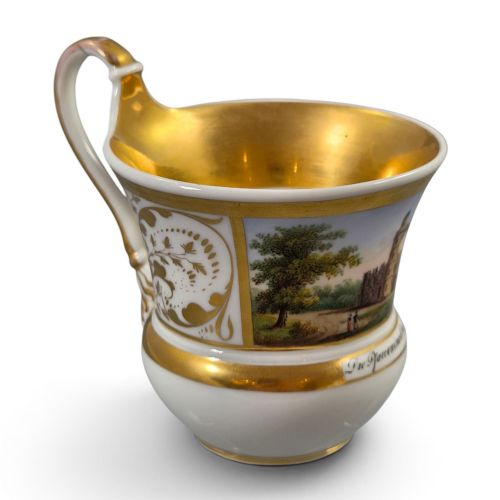
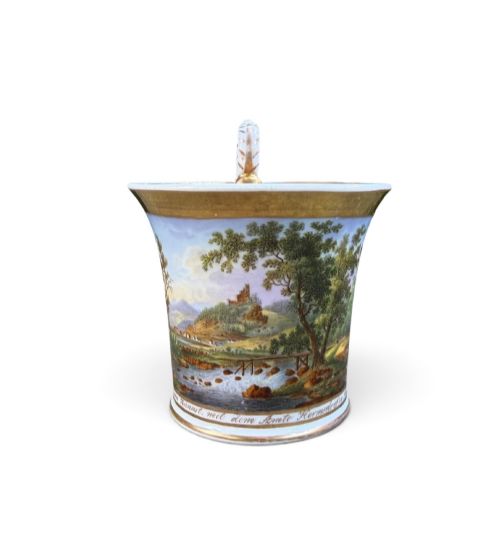
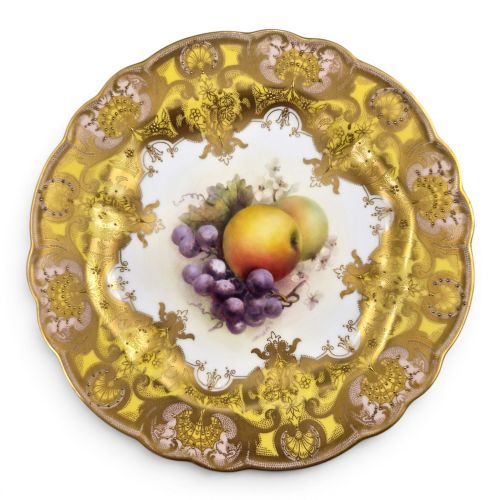
Ceramics in the listings combine bone china and porcelain bodies finished with hand-painted details and gilding. Artisans applied gold leaf and metallic pigments to plates and cups, often pairing porcelain with glass and ormolu mounts in cabinet construction.
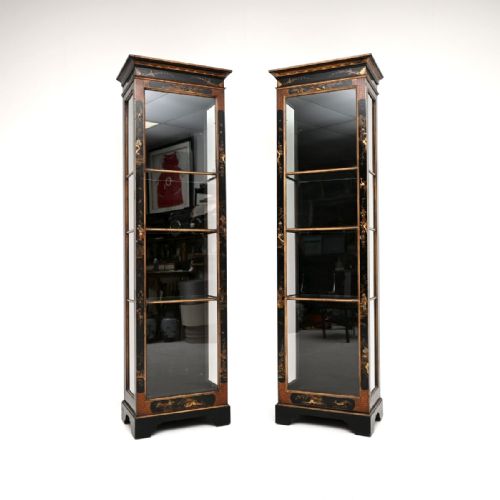
Cabinetry pieces utilise woods such as mahogany and kingwood, shaped into vitrines and display cabinets. These structures frequently incorporate glass panels and cast ormolu mounts, reflecting French and traditional English styles.
Listings feature porcelain, bone china, glass and ormolu across Georgian, Victorian and Edwardian periods.
What Varies in Quality
Quality rests in the execution of the painting and the precision of the gilding applied to the porcelain. Named artists and recognised factories elevate individual plates and cups above standard decorative ware.
In furniture and vitrines, the grade of timber, the crispness of ormolu casting and the complexity of marquetry or Vernis Martin decoration determine the standard of the piece.
Spode·Wedgwood·Coalport·Royal Worcester·KPM Berlin·Royal Crown Derby·Royal Doulton·Minton
The Gilded China Cabinet Glossary
- Ormolu
- Gilded bronze mounts used extensively on French furniture and display cabinets. This technique adds metallic enrichment to timber frames.
- Bone china
- A type of porcelain composed of bone ash, feldspathic material and kaolin. It provides a durable and bright white body for painted decoration.
- Vitrine
- A glass-fronted display cabinet designed for showcasing porcelain and objets d'art. These pieces often feature fine wood veneers and ormolu details.
- Cabinet plate
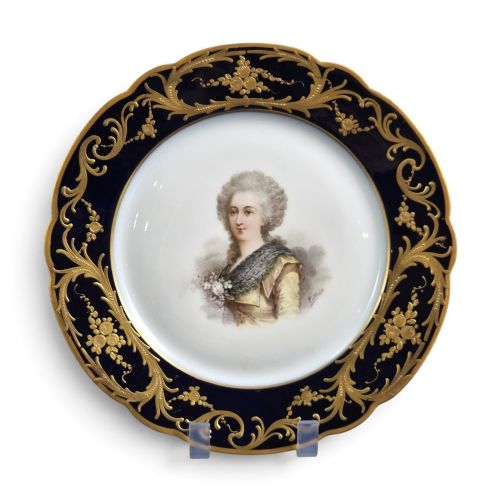
- A decorative plate intended for display on a wall or within a cabinet rather than for dining. These often feature hand-painted scenes or portraits.
- Gilding
- The application of gold leaf or gold powder to ceramics or wood. It highlights decorative borders and painted motifs.
Gilded China Cabinet: Frequently Asked Questions
What is a cabinet plate?
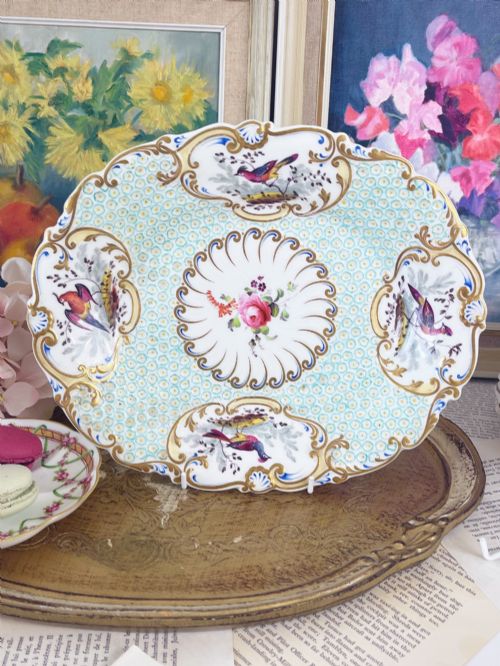
A cabinet plate is a decorative ceramic dish intended purely for display in a cabinet or on a wall. They usually feature detailed hand-painted scenes, birds or botanical studies rather than being used for food.
These pieces were produced by major English and continental porcelain factories. Their primary function was to showcase artistic skill and wealth within a domestic interior.
How do I identify a vitrine?
A vitrine is a glass-fronted display cabinet designed to protect and exhibit porcelain, silver and curiosities. They often feature glazed sides and doors to allow light to enter from multiple angles.
Examples seen here include nineteenth-century French models utilising mahogany, kingwood and ormolu mounts. They serve as the traditional housing for fine cabinet plates and cups.
What periods do these pieces date from?
The items span from the Georgian and Regency eras through the Victorian, Edwardian and Art Deco periods. Each era brought distinct stylistic influences, from Rococo Revival curves to clean Edwardian lines.
Understanding the date helps determine the manufacturing techniques used for both the porcelain bodies and the display furniture.
Are painted porcelain plates functional?
Most painted porcelain and bone china plates from the nineteenth and early twentieth centuries are intended for display. The presence of delicate gilding and detailed hand-painted artwork means they are rarely suited for heavy daily use.
Collectors generally exhibit them inside glass cabinets or on specialist stands to preserve the painted surface and gold leaf.