





Gilded Ceramic Pot Pourri
These gilded ceramic pot pourri vessels bring scented elegance and intricate hand-painted detail straight into any room.
Gilded Ceramic Pot Pourri
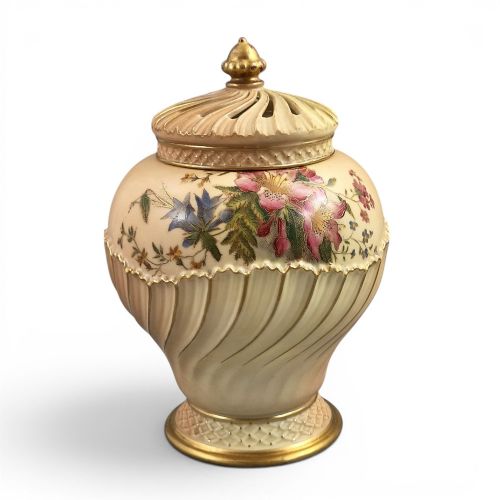
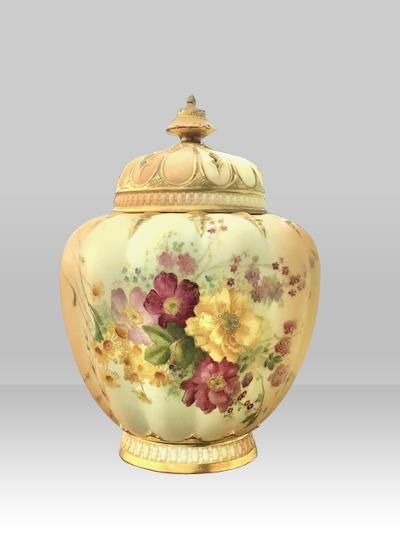
When you search for gilded ceramic pot pourri, you encounter decorative jars, vases, and urns designed to hold dried fragrant petals. The selection centres heavily on Edwardian and twentieth-century English pieces, particularly from the prominent works at Royal Worcester. These vessels range from blush ivory ground ovoid jars with crown covers to larger painted fruit vases.
Most items you meet on this page hail from the early nineteen-hundreds through to the nineteen-sixties. Forms include pairs of vases, covered jars, and specialised shapes such as the bow vase. The consistent thread across these listings is the combination of ceramic bodies with rich gilding and detailed painted scenes.
How they were made
The makers utilised fine porcelain and bone china as the primary ceramic foundations for these vessels. Artisans then applied delicate enamel work and intricate gold leaf or gilding to accentuate the contours and rims. Many surfaces received hand-painted decoration depicting natural subjects like fruit, swans, and floral arrangements.
Vessels featuring crown covers often involved separate moulding for the pierced lid, allowing scent to diffuse properly from the dried botanicals inside. The combination of thermal kiln-firing with meticulous brushwork defined the production process across the Edwardian and mid-century periods.
Gilded Ceramic Pot Pourri Retail Price Guide 2026
Typical asking prices for gilded ceramic pot pourri among the pieces listed under this phrase on Sellingantiques today, from the lower quarter to the upper quarter. They describe what is for sale here now, not the wider market.
Some covers double as tiny ceramic crowns, ensuring your dried rose petals sit beneath miniature royalty.
What varies in quality
Quality rests significantly upon the identity and skill of the artist whose signature appears on the ceramic surface. Pieces painted by recognised hands command greater attention due to the fine detail in subjects like fruit or birds. The crispness of the moulding on crown covers and ovoid bodies also distinguishes finer examples.
The application and preservation of the gold leaf or gilding dictates much of the visual impact. Well-preserved enamel work and intact blush ivory grounds separate standard decorative items from superior collector pieces.
Royal Worcester
The Gilded Ceramic Pot Pourri Glossary
- Blush ivory
- A soft, matte cream-coloured ceramic ground popularised by English potteries around the turn of the twentieth century. It often serves as the delicate background for floral and avian hand-painting.
- Pot pourri jar
- A covered ceramic vessel pierced with holes or fitted with an openwork crown cover designed to hold dried scented plant material. These containers allowed fragrance to gently scent Victorian and Edwardian rooms.
- Bone china
- A type of porcelain composed of clay mixed with bone ash, producing a strong, highly translucent white body. It forms the smooth canvas for detailed enamel and gilt decoration.
- Gilding
- The application of gold leaf or gold powder onto the ceramic surface to highlight rims, handles, and decorative motifs. This technique provides the metallic richness characteristic of these vessels.
- Crown cover
- A pierced, decorative lid shaped like a crown that fits securely over the top of a pot pourri vase. Its openings allow the stored fragrance to escape into the surrounding space.
Gilded Ceramic Pot Pourri: Frequently Asked Questions
What are gilded ceramic pot pourri jars?
These are decorative ceramic containers featuring gold leaf or gilt highlights, created specifically to hold dried scented botanicals and release fragrance.
They combine functional perfuming with intricate hand-painted artwork, particularly botanical and avian scenes.
How do you use a pot pourri vase?
You place dried scented flower petals inside the ceramic body and secure the pierced crown cover on top.
The openings in the lid allow the natural fragrance to diffuse quietly into the room while keeping the botanical mixture contained.
How do I date these ceramic pieces?
Dating relies heavily on pottery factory marks stamped on the underside, stylistic cues like Edwardian blush ivory grounds, and painted artist signatures.
Twentieth-century examples often exhibit mid-century fruit painting styles distinct from earlier turn-of-the-century designs.
Where should I display my pot pourri jar?
These vessels suit prominent places such as mantelpieces, side tables, or cabinets where their gilding and painted details catch the light.
Keep them away from direct heat sources to preserve both the ceramic body and the enclosed dried botanicals.