

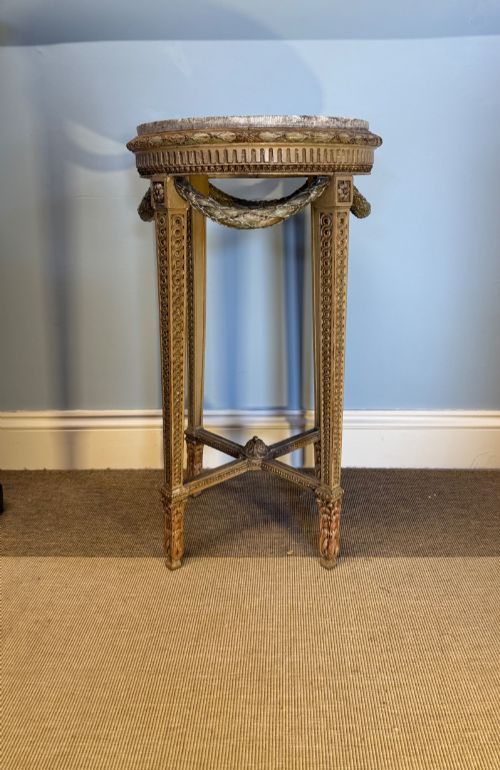
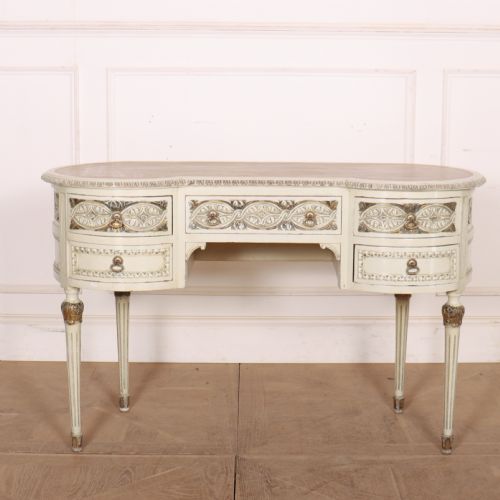


Gilded Carved Pedestal Table
These gilded carved pedestal table pieces bring sculptural presence and functional surface to a room through centuries of European design.
Gilded Carved Pedestal Table
A gilded carved pedestal table stands as a decorative centrepiece, occasional table, or plant stand, drawing the eye with its elevated platform and ornate support. The selections span from the eighteenth century through the nineteenth and twentieth centuries, capturing periods like Regency, Victorian, and the neoclassical revivals.
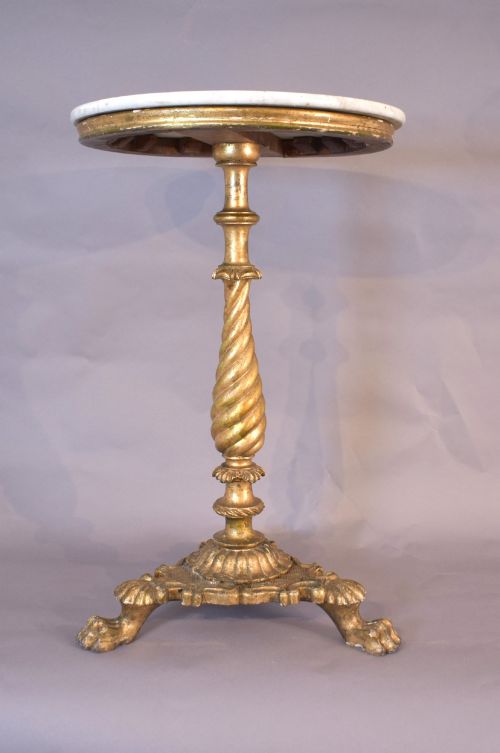
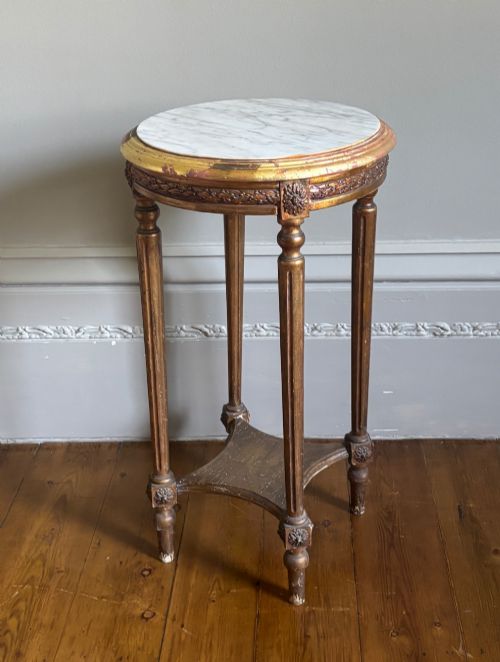
Most examples you encounter take the form of side tables, tripod tables, and urn stands, frequently paired with inset marble tops. Italian and French workshops dominate the origins, yielding pieces styled after Venetian baroque and Louis XVI aesthetics.
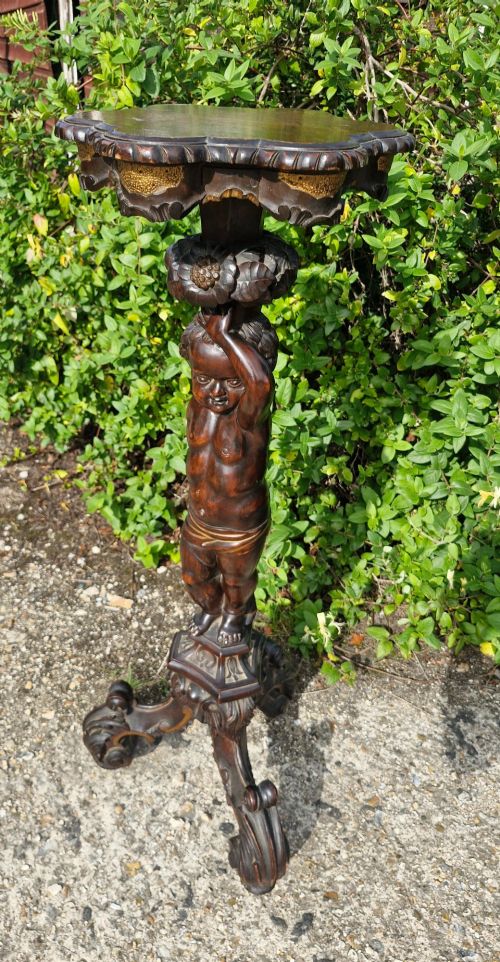
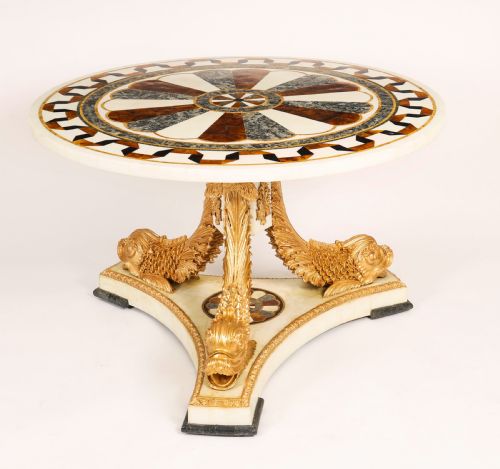
The utility of these tables extends from functional writing desks and dining surfaces to purely decorative stands for sculpture or flora. Alongside standard occasional tables, the inventory reveals specialised forms including dolphin tables and figural blackamoor supports.
Construction and gilding methods
Makers shaped these structures primarily from carved wood, lime wood, and gilt wood, applying traditional joinery suited to heavy marble tops. Gesso provided a smooth preparation layer on the timber before the application of delicate gold leaf or paint.
Surface ornamentation relies heavily on sculptural carving, executed by hand to render classical motifs, swans, and dolphins with depth. Inlaid stone work, specifically pietra dura, appears on select Italian tops, contrasting with the brilliant metallic sheen of the gilded frames.
Gilded Carved Pedestal Table Retail Price Guide 2026
Typical asking prices for gilded carved pedestal table among the pieces listed under this phrase on Sellingantiques today, from the lower quarter to the upper quarter. They describe what is for sale here now, not the wider market.
The inventory includes diverse forms ranging from French occasional tables and Italian baroque stands to English desks and Asian elephant seats.
Distinctions in craftsmanship
The refinement of the carving separates standard production from exceptional examples, as deep, crisp chisel work defines the superior pieces. The quality of the gilding itself, showing careful burnishing over gesso rather than flat paint, marks the upper tier of execution.
Materials dictate the underlying value, with heavy inset marble slabs and dense timbers offering greater stability and substance than lighter pine or composition alternatives. The harmony between the structural support and the decorative top indicates the original maker's ambition.
The Gilded Carved Pedestal Table Glossary
- Giltwood
- Timber coated with gold leaf or powder over a prepared gesso ground. This technique protects the wood while creating a luminous metallic finish.
- Gesso
- A plaster mixture applied to carved wood to create a smooth surface for gilding. It allows fine details to remain sharp under layers of gold leaf.
- Pietra dura
- An inlay technique using cut and fitted polished coloured stones to create geometric or pictorial designs. It appears frequently on fine table tops.
- Tripod table
- A small freestanding table supported by three legs branching from a central pillar. This form offers stable placement on uneven floors.
- Neoclassical
- A style drawing inspiration from the classical art and culture of ancient Greece and Rome. It emphasises symmetry, restraint, and classical motifs.
Gilded Carved Pedestal Table: Frequently Asked Questions
Where should I place a pedestal table?
These tables find natural placement in hallways, drawing rooms, or empty corners where a sculptural surface is required. Their compact footprint makes them suitable for displaying decorative objects, urns, or lamps.
Ensure the piece rests away from high traffic zones to protect delicate giltwood surfaces and fragile carved extremities from accidental knocks.
How do I clean a marble top?
Use a soft, damp cloth with mild, pH-neutral soap to wipe down the stone surface gently. Avoid acidic cleaners, vinegar, or harsh chemicals that etch and dull polished marble.
Dry the surface immediately with a clean microfibre cloth to prevent water spots and protect the surrounding gilded wooden frame from moisture damage.
Are these tables sturdy enough for daily use?
Most occasional and tripod formats serve well for holding lightweight items such as books, drinks, or small lamps. Heavier pedestal designs support substantial marble tops with good stability.
Exercise caution with dining or centre table variants if subjected to heavy loads, as centuries-old joinery requires thoughtful handling rather than heavy rough usage.
How do I identify a neoclassical design?
Look for straight lines, symmetrical balance, and motifs drawn from classical antiquity such as acanthus leaves, urns, and fluted columns. Swedish and French makers often employed these restrained geometric patterns.
Contrast this with baroque or rococo examples, which favour asymmetrical curves, dramatic movement, and exuberant carving rather than classical proportion.