

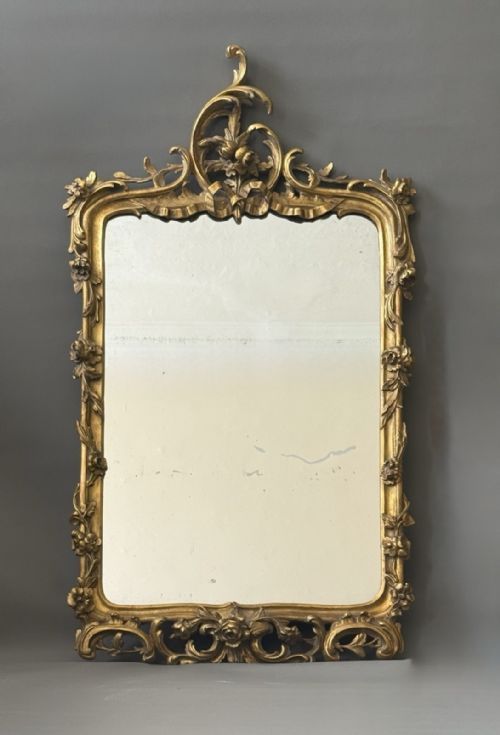
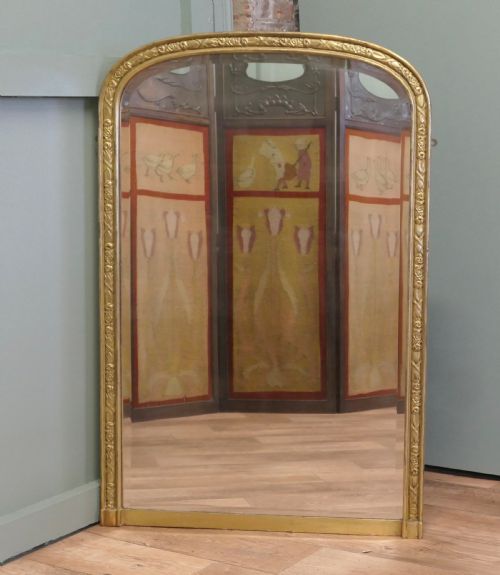
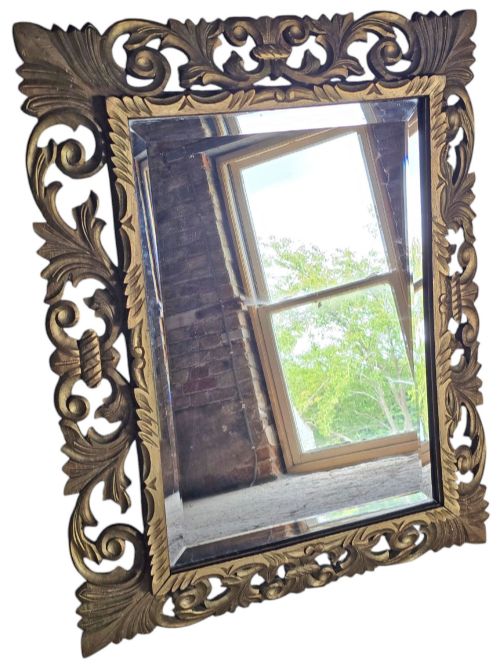
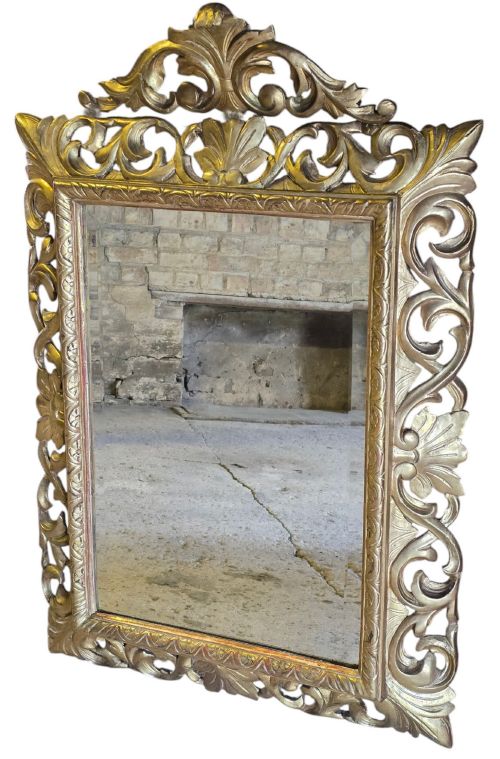
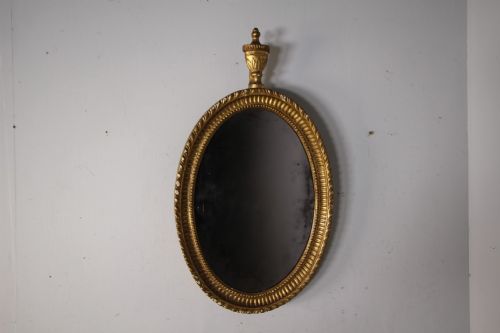
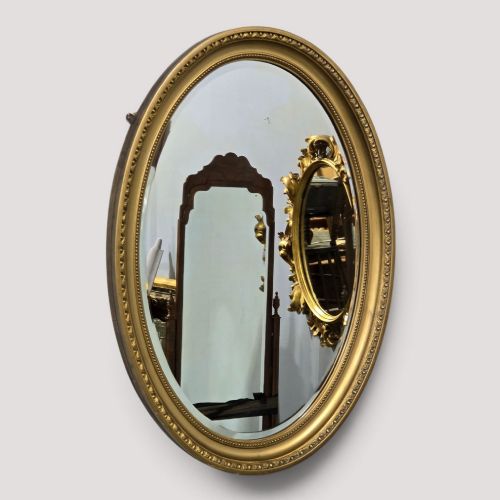
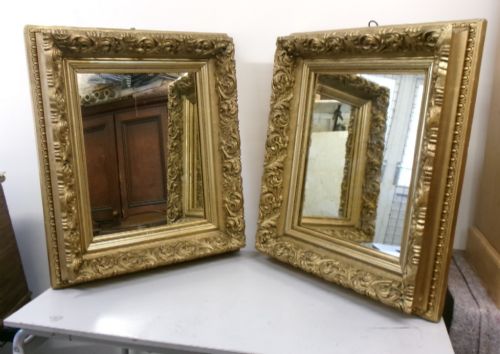


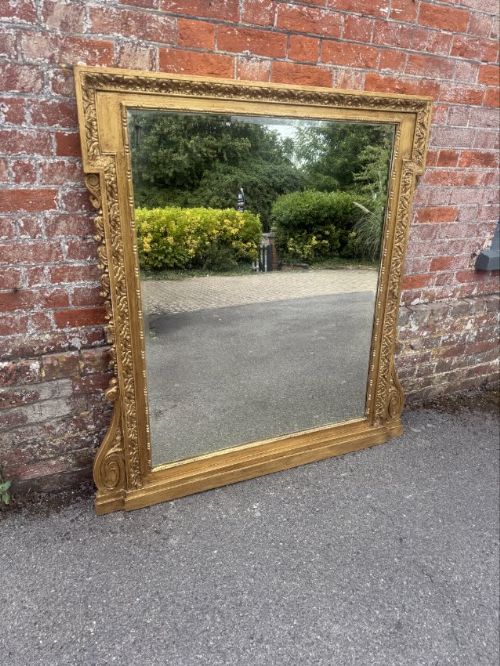
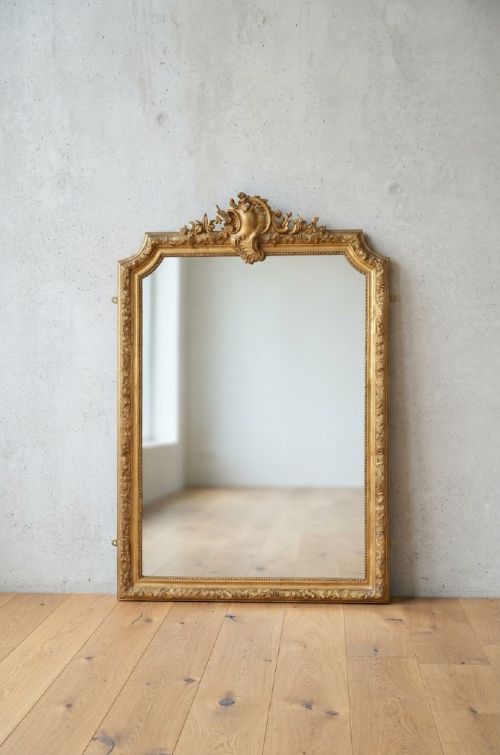
Gilded Carved Frame Mirror
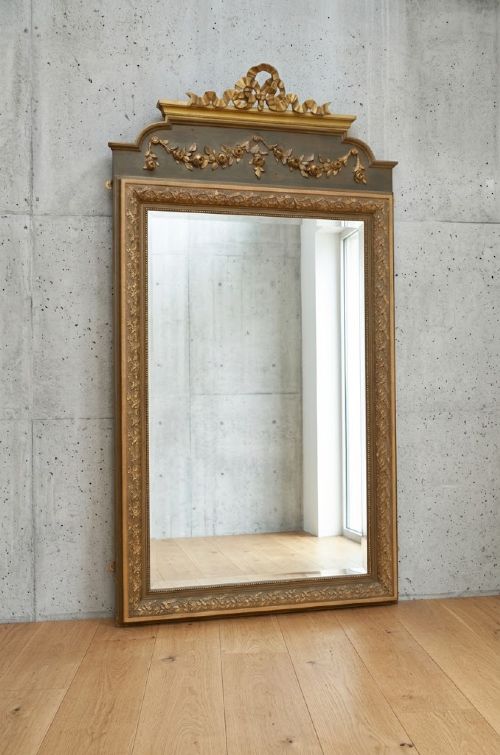
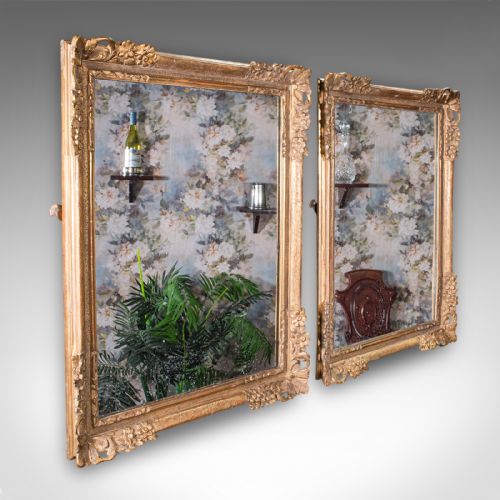
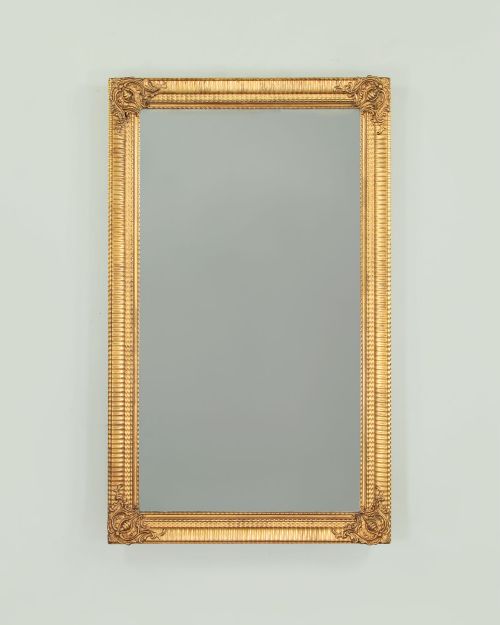
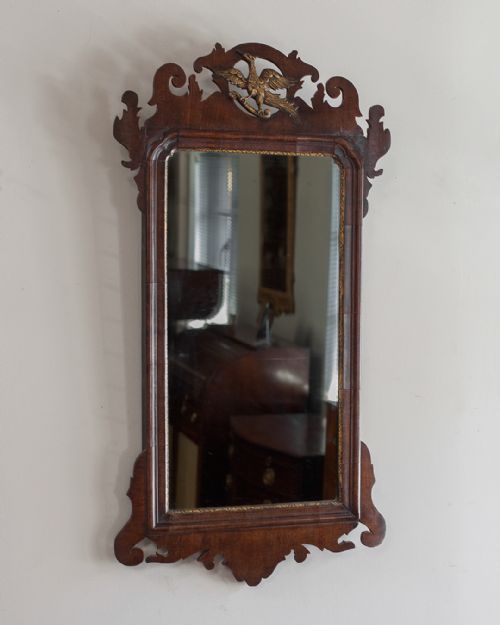
These gilded carved frame mirror pieces bring instant light and classical architectural presence into a room.
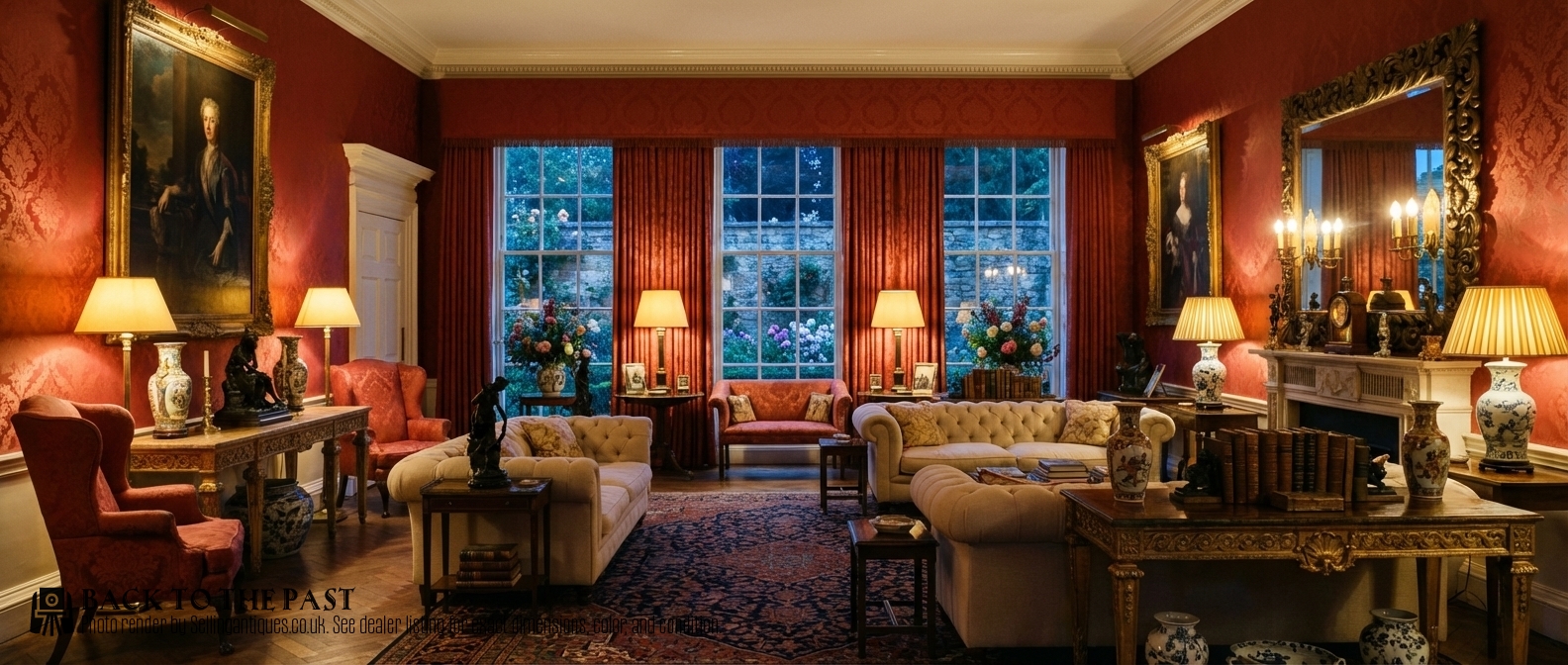
What They Are
When you search for a gilded carved frame mirror, you are looking at decorative wall pieces and large overmantel mirrors designed to reflect light and anchor a room. The selection spans wall mirrors and grander overmantel mirrors originating from the nineteenth century up to nineteen twenty.
You are most likely to meet pieces finished in giltwood and gesso, often taking the form of large cushion frames or wall mirrors influenced by Rococo Revival, Louis XVI, and French Gothic Revival styles. These objects were built to command attention in principal rooms, frequently incorporating carved details like rope motifs or twin sconces.
The historical spread reaches from the nineteenth century and the Edwardian era into nineteen twenty, showing sustained popularity for heavily carved and gilded surrounds. Whether oval or rectangular, each piece displays the distinct proportions favoured by its respective period, from neat wall versions to heavy overmantels.
How They Were Made
These pieces rely on timber frameworks built of wood, upon which layers of gesso are applied to provide a smooth, responsive bed for carving. Artisans carved intricate details directly into the wood or built them up in the gesso layer before gilding.
The surfaces are finished with thin layers of gold leaf over the prepared ground, sometimes complemented by brass elements. Glass plates, including bevelled varieties, are then fitted into the finished frames to complete the mirror.
Mirrors with twin sconces let you bounce candlelight right off the gilt surface, doubling the glow without turning on a single bulb.
What Varies in Quality
The distinction between standard examples and the finest pieces lies in the depth and crispness of the carving across the gilded frame. Superior items show hand-modelled detail in the gesso and wood that retains sharp definition rather than softening under thick later finishes.
Weight and construction scale also set pieces apart, with heavier timber frames and substantial overmantels demonstrating more ambitious joinery and more complex architectural ornamentation. The handling of the gilding itself determines how light plays across the surface over time.
The Gilded Carved Frame Mirror Glossary
- Giltwood
- Wood that has been coated with gold leaf or gold paint. This technique gives the frame its characteristic metallic brilliance and protects the timber beneath.
- Gesso
- A plaster mixture applied to wood frames as a base for carving and gilding. It provides a smooth, chalky surface that takes fine detail exceptionally well.
- Overmantel mirror
- A large mirror specifically designed to hang above a fireplace mantelpiece. These pieces often feature wide proportions and substantial decorative frames.
- Cushion frame
- A frame profile that curves outward like a pillow towards the outer edge. This volumetric style creates strong shadow lines and catches light from multiple angles.
- Rococo Revival
- A nineteenth-century design style mimicking the ornate, asymmetrical scrolling of the eighteenth century. It employs naturalistic motifs like shells, leaves, and C-scrolls.
Frequently Asked Questions
What is a gilded carved frame mirror?
A gilded carved frame mirror is a decorative wall or overmantel glass piece enclosed in a wooden frame that has been carved and covered in gold leaf or gesso.
These pieces range from neat Edwardian wall mirrors to heavy nineteenth-century overmantels styled in Louis XVI, Rococo, or Gothic revivals.
Where should I hang an overmantel mirror?
Overmantel mirrors are traditionally hung directly above a fireplace mantelpiece to reflect light and anchor the focal point of the room.
Because of their substantial weight and scale, they require secure wall fixings tied directly into the masonry or heavy studwork.
How do I date a gilded mirror?
Dating relies on examining the construction materials, the style of the carving, and the characteristics of the glass plate.
Nineteenth-century examples often feature heavier wood frames and hand-applied gesso, while Edwardian and nineteen-twenty pieces show specific revival proportions and cleaner joining techniques.
Are these mirrors heavy?
Many of these pieces are exceptionally heavy due to the dense timber frames, thick gesso layers, and large glass plates.
Large overmantels and cushion frame mirrors require robust wall brackets and professional installation to support their weight safely.