
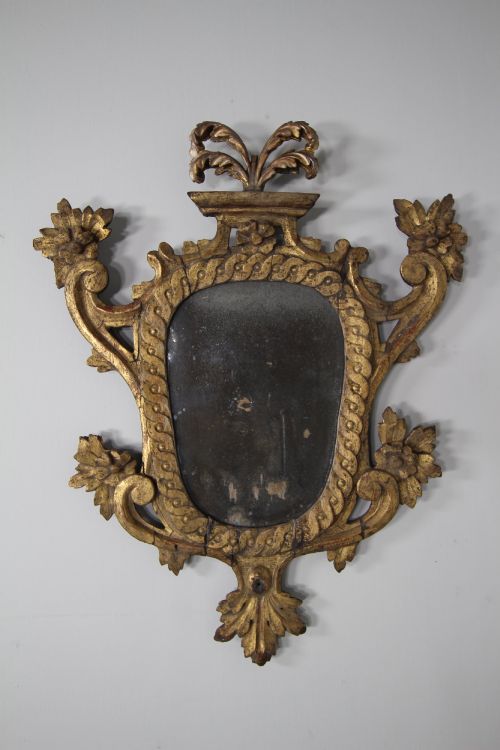
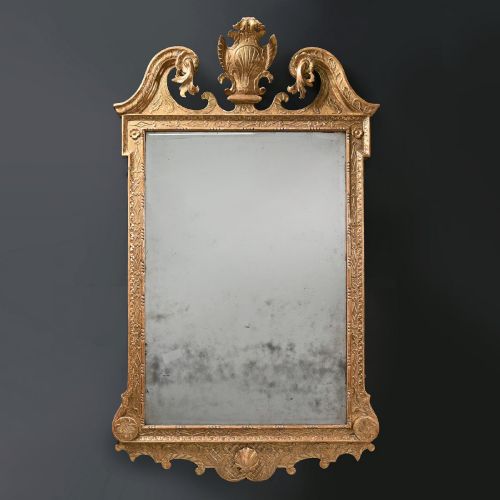


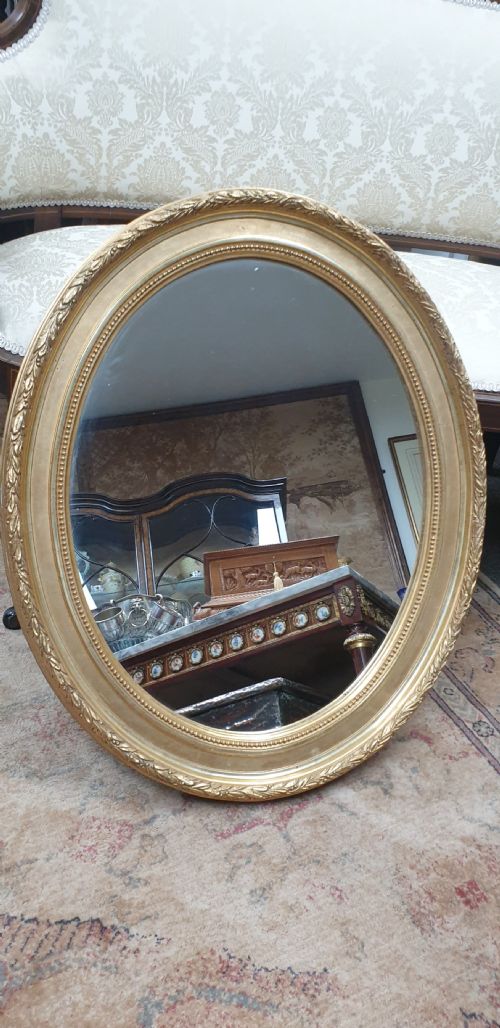


Period Gilded Looking Glass
A period gilded looking glass brings instant depth and reflective light to a room, catching the eye with centuries of craftsmanship.
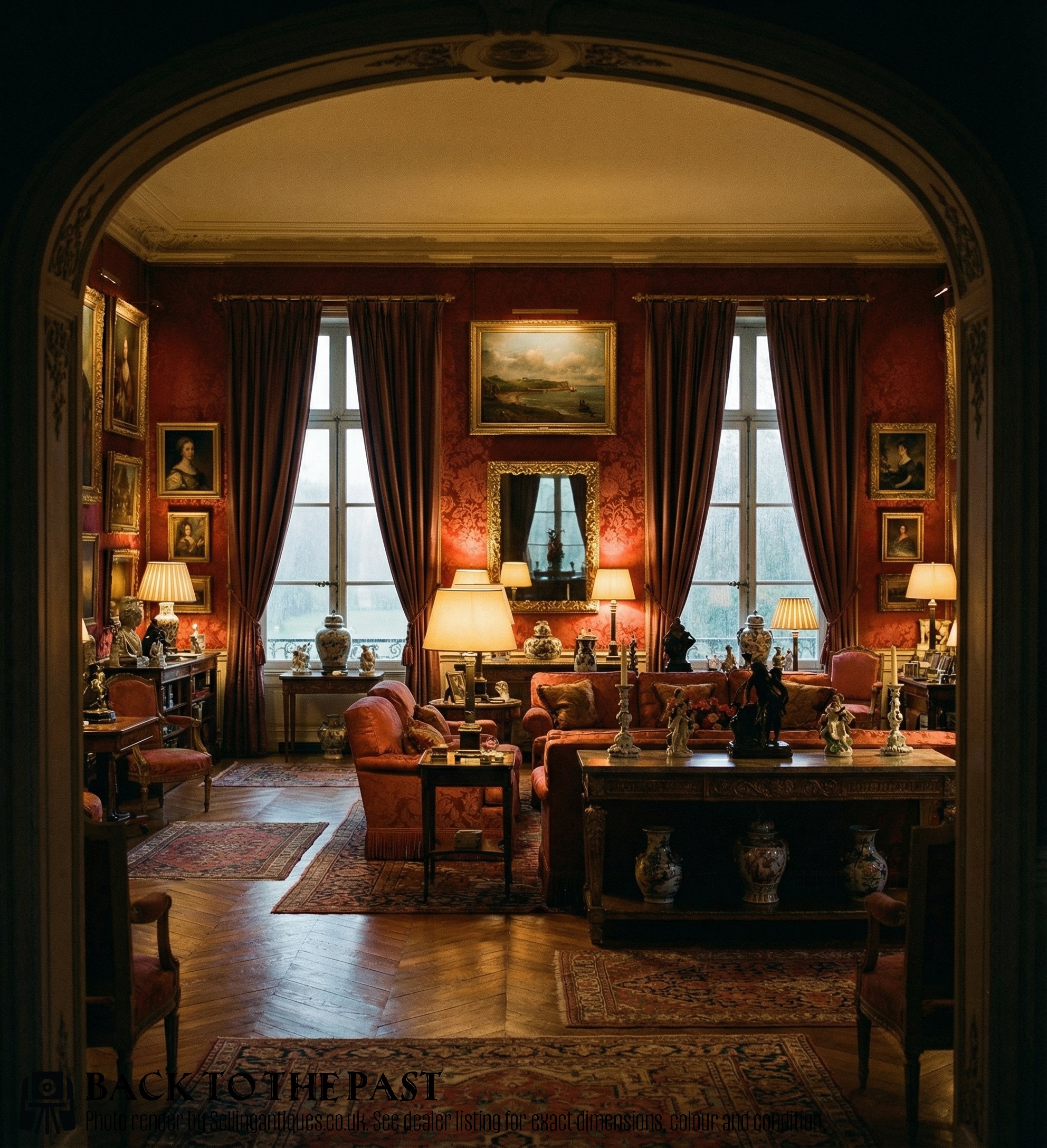
Period Gilded Looking Glass
When you search for a period gilded looking glass, you are looking at wall mirrors shaped by centuries of design, spanning the 18th century through to the Edwardian era. These pieces serve as both functional reflectors and ornamental centerpieces within historic interiors.
The version you are most likely to meet on this page is a Regency or Victorian wall mirror, often framed in gesso and giltwood. Such mirrors bring warmth and historic character to modern and traditional rooms alike.
How they were made
The construction of these mirrors relies heavily on carved timber frames coated in gesso before receiving layers of gold leaf. This traditional technique allows for intricate relief work and sharp architectural detail.
Makers also utilised walnut and ebonised wood for specific frames, pairing dark timbers with gilt accents. Mirror glass is set within these robust wooden structures, secured carefully by traditional backing boards.
Materials recorded across these items include traditional giltwood, gesso, ebonised wood, and walnut, paired with original and replacement mirror glass.
What varies in quality
The crispness of the carved gesso and the depth of the gilding separate standard pieces from the finest examples. Finer work displays sharp, undercut foliage and scrolls rather than soft, mass-produced moulding.
The integrity of the original glass plate and the stability of the underlying timber frame determine the overall standing of a piece. Well-preserved frames retain their original joinery and surface texture without excessive restoration.
The Period Gilded Looking Glass Glossary
- Giltwood
- Timber covered with a thin layer of gold leaf. This finish provides the characteristic metallic sheen seen on period frames.
- Gesso
- A plaster-like mixture applied to wood frames as a base for gilding. It allows craftsmen to carve intricate relief details before applying gold leaf.
- Rococo Revival
- A 19th-century style reviving 18th-century asymmetric scrolls and naturalistic motifs. It frequently appears on Victorian wall mirrors.
- Regency
- A style period spanning the early 19th century characterised by classical restraint and bold architectural forms. Mirrors from this era often feature clean lines and convex plates.
Period Gilded Looking Glass: Frequently Asked Questions
How do I clean a antique mirror plate?
Use a soft, dry microfiber cloth to gently remove dust from the glass surface. Avoid spraying liquid cleaner directly onto the glass, as moisture can seep behind the plate and damage the silvering.
If moisture is necessary, apply a minimal amount of mild cleaner to the cloth rather than the mirror itself, and keep liquids away from the gilt frame.
Can these mirrors go in a bathroom?
The high humidity and temperature fluctuations in bathrooms can damage gesso, giltwood, and historic mirror plates. Moisture causes the gold leaf to lift and accelerates the deterioration of the wooden frame.
It is best to place these looking glasses in dry reception rooms, hallways, or bedrooms where the environment remains stable.
How do I tell an 18th century mirror from a Victorian copy?
Examine the construction of the wooden frame and the quality of the gesso work. Earlier pieces often display hand-carved depth and older joinery techniques beneath the surface.
Victorian revival pieces tend to use machine-moulded gesso details and heavier pine backing frames that reflect 19th-century workshop practices.