

Gilded Hanging Wall Mirror
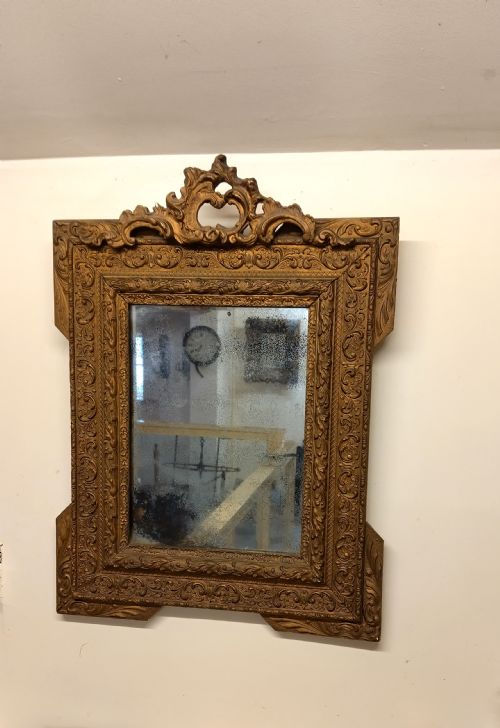
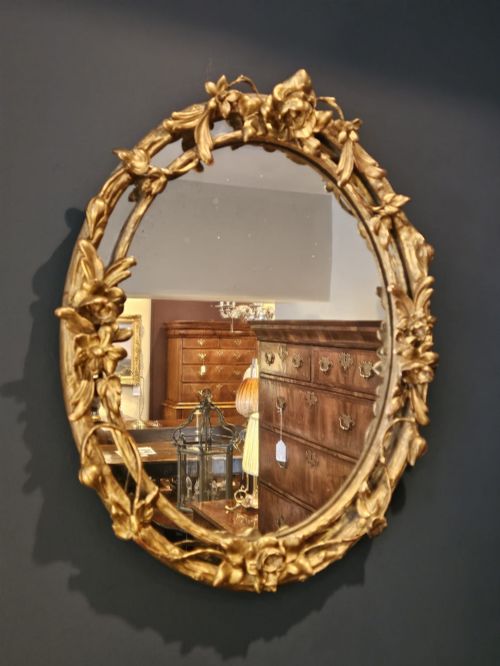
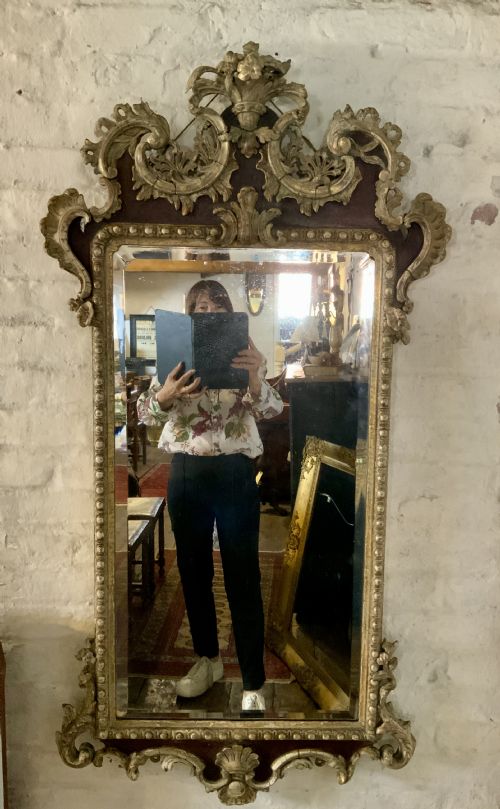
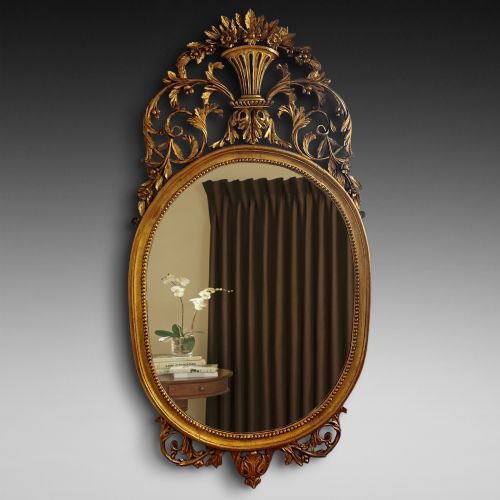
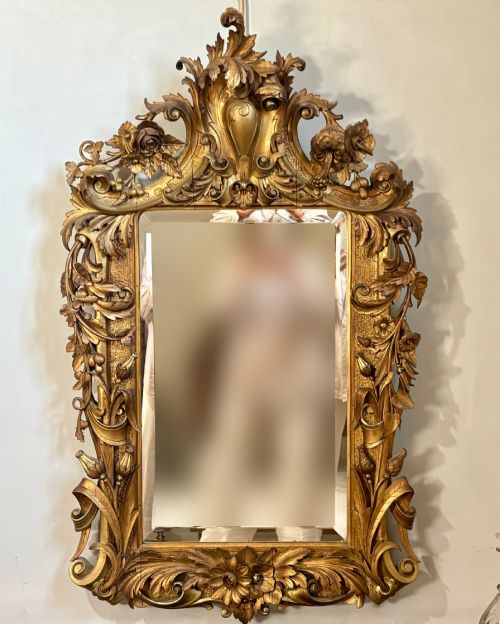
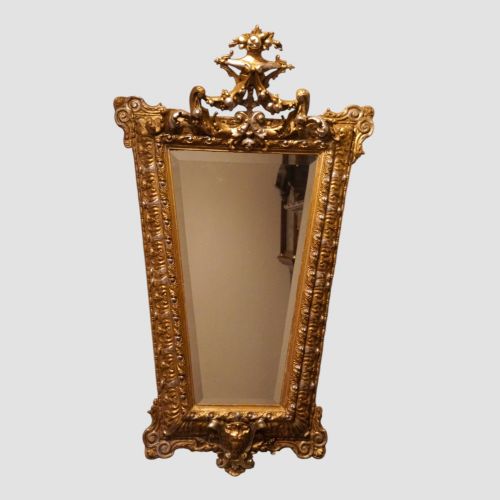
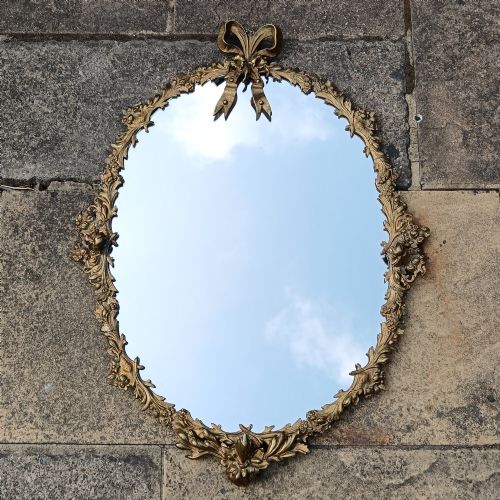
A gilded hanging wall mirror brings reflective light and carved detail into a room, spanning styles from the eighteenth century to the twentieth.
Gilded Hanging Wall Mirror
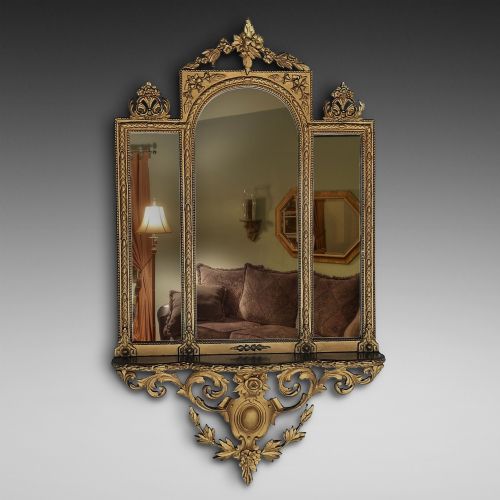
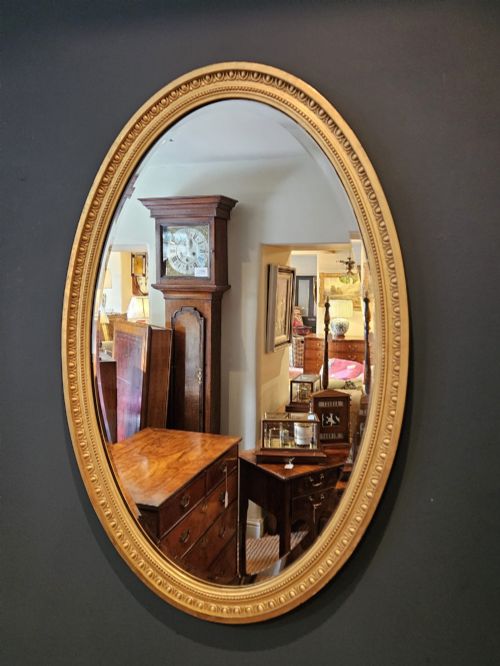
When searching for a gilded hanging wall mirror, you encounter pieces originating from eighteenth-century workshops up to the 1930s, with nineteenth-century examples appearing most frequently.
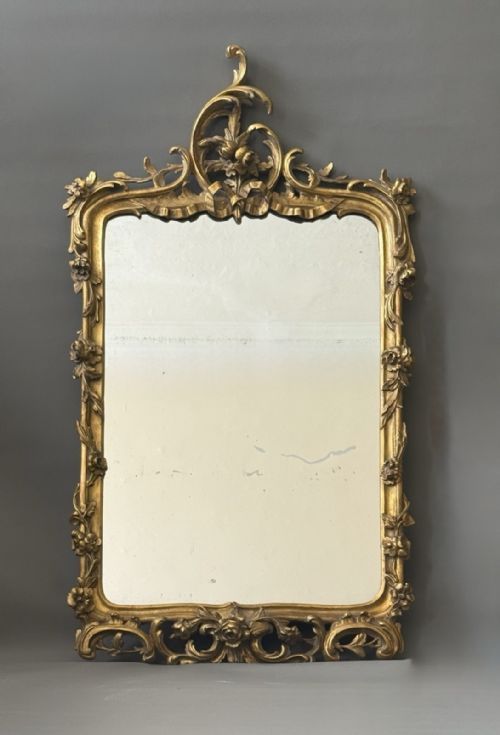
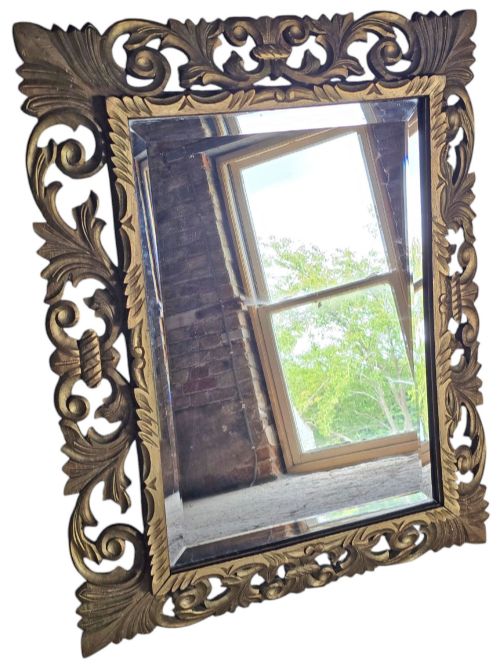
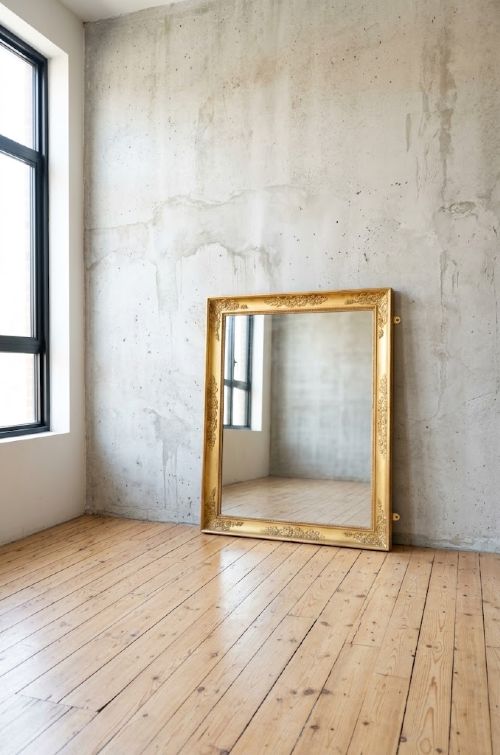
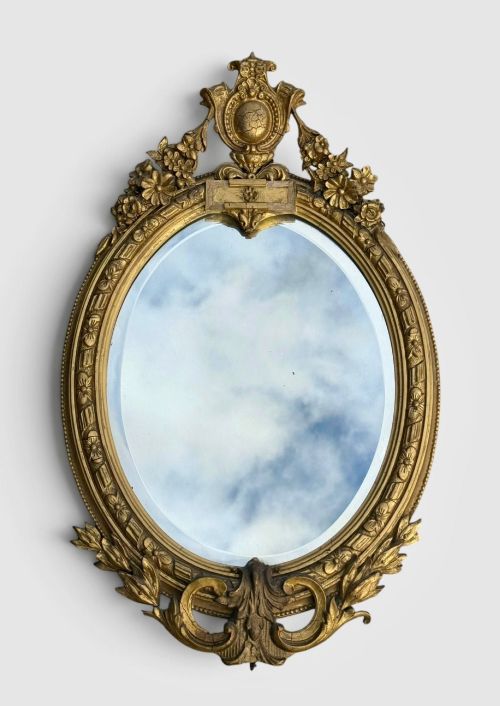
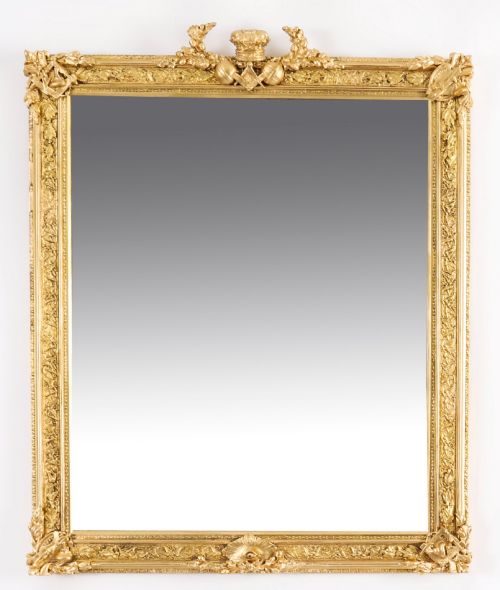
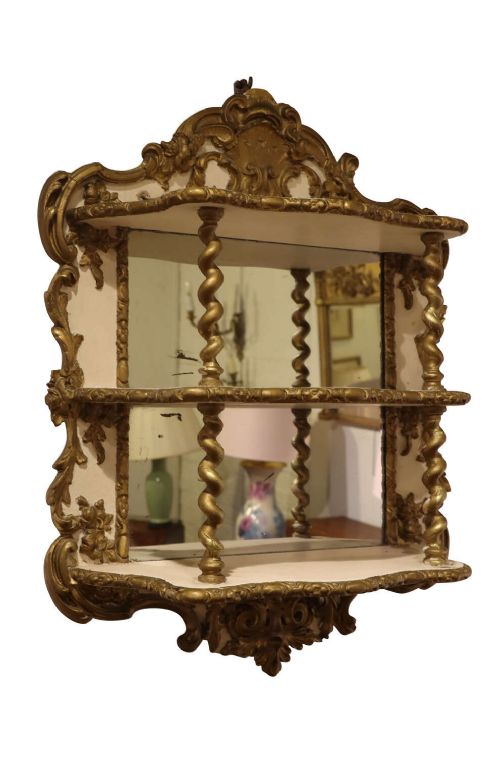
The selection includes French Rococo and Louis XVI revivals, Italian Florentine carvings, Victorian gesso pieces, and Georgian walnut frames, predominantly taking rectangular, oval, or overmantle forms.
Many incorporate decorative motifs such as floral carvings, vine details, and mythological elements, alongside console tables and wall shelves sharing the same gilt finish.
How they were made
Frames are constructed from wood such as walnut, mahogany, or timber, which provides the structural base for intricate ornamentation.
Carvers and gilders applied gesso and composition layers over the timber before finishing the surfaces with gold leaf, silver-gilt, or paint.
Mirrors utilise antique plates, engraved glass, or bevelled mirror glass held within carved or fretwork frames.
Several mirrors include unexpected Freemason insignia alongside traditional floral carvings.
What varies in quality
Quality rests upon the crispness of the carved detail in the wood and gesso, distinguishing sharply hand-carved depth from softer moulded composition.
The integrity of the gilding and the preservation or character of the original mirror plate further determine the standing of each piece.
The Gilded Hanging Wall Mirror Glossary
- Giltwood
- Wood that has been coated with gold leaf or a gold-coloured metallic finish. This surface treatment defines the primary appearance of these frames.
- Gesso
- A plaster-like mixture applied to wood frames to provide a smooth base for carving and gilding. It allows for intricate relief ornamentation.
- Overmantle
- A large mirror designed specifically to hang above a fireplace mantel. These pieces often feature extended horizontal proportions.
- Pier mirror
- A tall, narrow mirror traditionally hung on the pier wall between two windows. They reflect additional light into darker architectural spaces.
- Composition
- A moulded mixture of whiting, resin, and oil pressed into relief designs. It offers a cost-effective alternative to hand-carved wood.
Gilded Hanging Wall Mirror: Frequently Asked Questions
How do I hang a heavy antique mirror?
Heavy antique mirrors require secure wall fixings anchored directly into masonry or wall studs to support the substantial weight of the wood and glass.
Professional mirror hangers utilise heavy-duty D-rings and steel wire rated well above the actual weight of the frame.
Are the mirror plates original?
Many mirrors retain their original antique glass, which often displays characteristic foxing, light oxidation, and minor surface blemishes.
Listings occasionally note new glass or replacement plates where the original mirror degraded beyond functional use.
What is the difference between gesso and carved wood?
Carved wood involves cutting directly into the timber base to create ornamentation, resulting in sharp, distinct edges and natural grain texture.
Gesso acts as a surface layer applied over wood to build up fine relief details and decorative motifs before gilding takes place.
How do I identify a Rococo revival mirror?
Rococo revival mirrors feature asymmetrical scrolling, C-scrolls, floral garlands, and naturalistic plant motifs inspired by eighteenth-century French design.
These decorative elements reappear strongly in nineteenth- and early twentieth-century interpretations.