
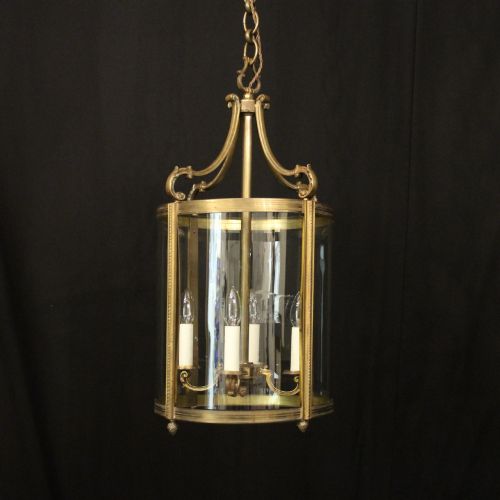
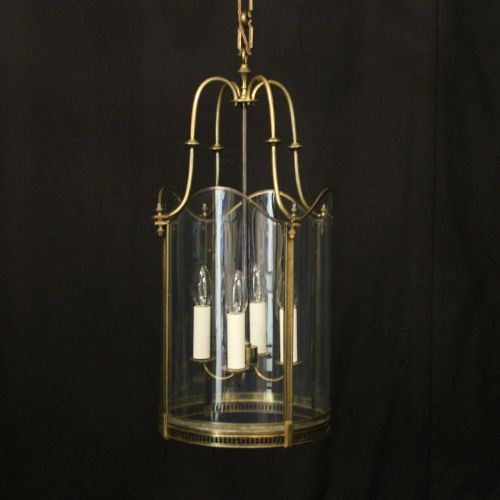
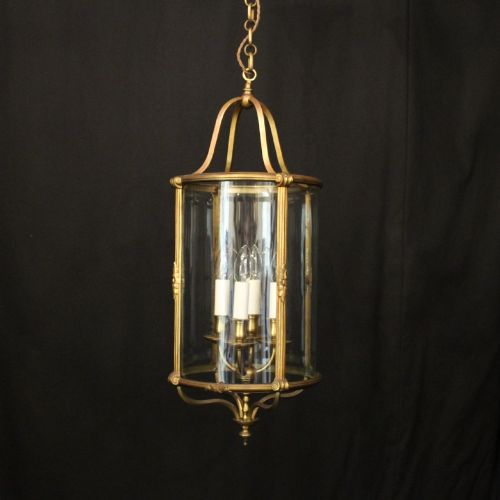
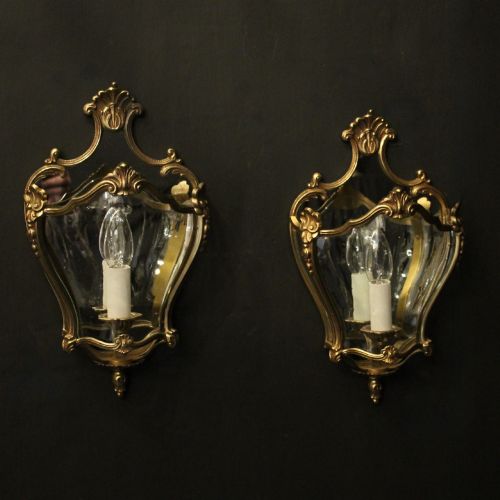
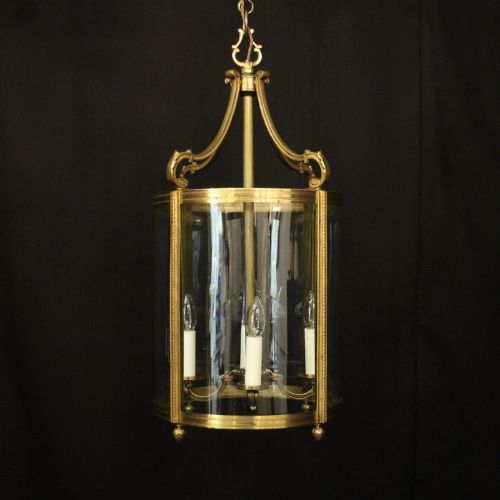


Gilded Bronze Lantern
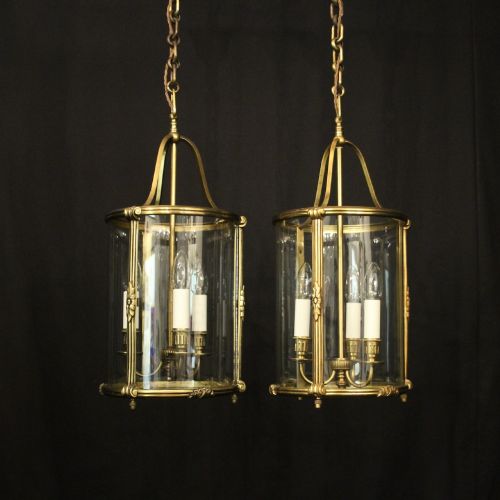
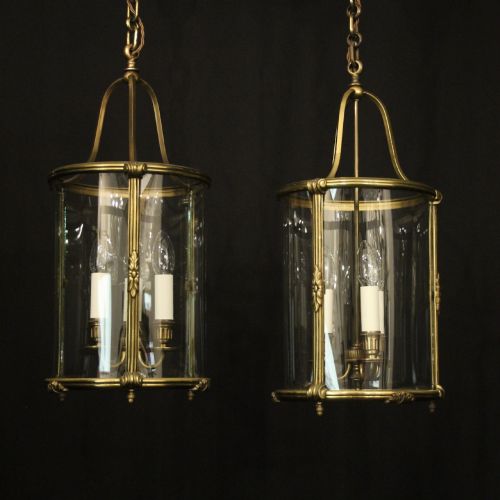
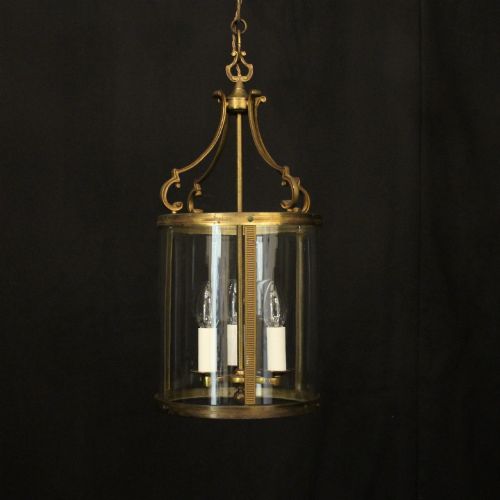
These gilded bronze lanterns are striking overhead fittings designed to illuminate entrance halls with period grandeur.

Gilded bronze lantern forms and origins
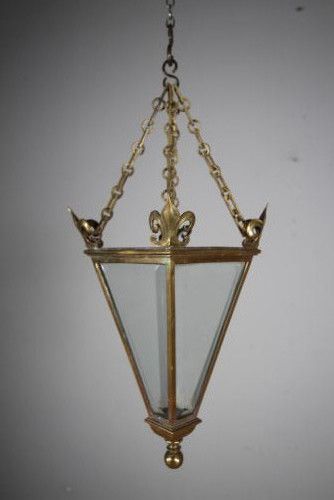
A gilded bronze lantern brings distinct French and English styling to an entrance hallway, with forms ranging from single lights to multi-bulb arrangements. Buyers searching for a gilded bronze lantern encounter ceiling lights, pendant lights, and hall lanterns predominantly originating from French workshops during the nineteenth and early twentieth centuries.
The selections span specific designs such as convex hall lanterns and pairs of matched fixtures, carrying influences from classical and revival aesthetics. Pieces date from the late nineteenth century through to the 1910 and 1920 periods, maintaining traditional ceiling suspension methods.
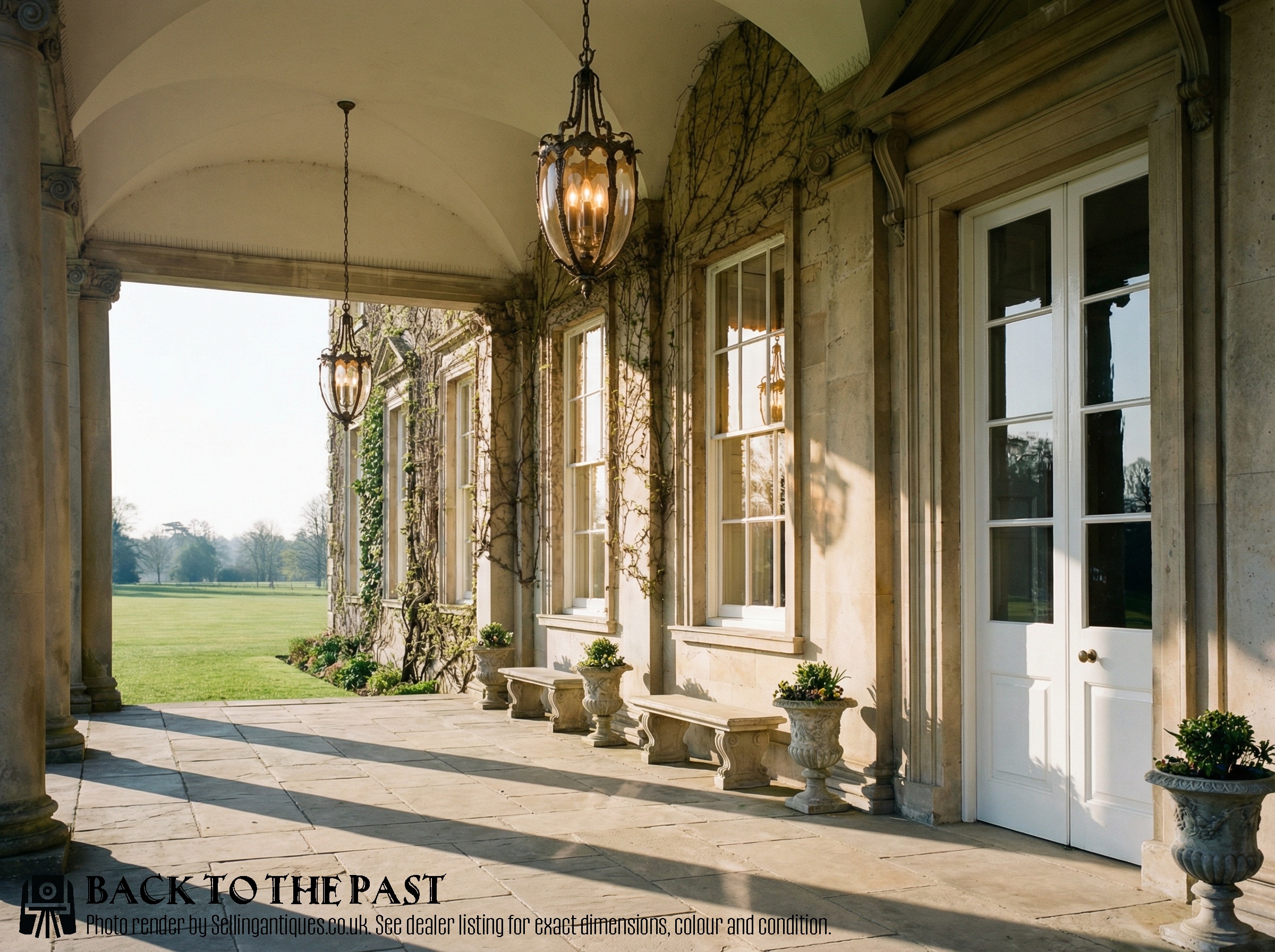
Materials and construction
Construction relies on cast bronze or brass treated with a gilt finish, paired with transparent glazing to enclose the interior light source. Artisans assembled these metal frames to support panels of glass, which frequently include heavy bevelled edges or convex curves.
Lighting configurations inside the metal framework accommodate twin arms, triple lights, or four and five light formations. Historical wiring updates allow these heavy metal fittings to integrate with contemporary electrical supplies while retaining their original structural metalwork.
Retail Price Guide 2026
Typical UK retail prices for gilded bronze lantern, calculated from the Sellingantiques database of over a million retail prices indexed since 2003. This retail price guide relies exclusively on Sellingantiques data; no external sources or auction records are used, so the figures do not describe the wider market.
Materials recorded across the archive include glass, bronze, gilt brass, and bevelled glass alongside standard gilded bronze.
Distinctions in craftsmanship
Superior examples of a gilded bronze lantern display deeply chased metalwork and substantial casting weight rather than thin stamped plates. The clarity and thickness of the glass panels, particularly on convex or bevelled designs, differentiate standard production from finer work.
The application and preservation of the gilt surface dictate the visual depth of the metal frame. Richer patination and intact silver gilding or gold leaf denote higher grade commissions from period workshops.
The Gilded Bronze Lantern Glossary
- Gilded bronze
- Metal cast and subsequently coated with a thin layer of gold or gold-coloured alloy to give a rich surface lustre. This technique protects the underlying bronze from tarnishing severely.
- Bevelled glass
- Glass panes featuring an angled edge ground down around the perimeter to catch and refract light. This treatment adds decorative depth to the lantern sides.
- Convex glass
- Curved panes that bulge outward from the metal frame, offering a rounded profile and wider distribution of interior light. This shape requires specialised glass-blowing or slumping techniques.
- Hall lantern
- A ceiling-hung lighting fixture specifically scaled for corridors, vestibules, and entrance spaces. These pieces direct illumination downward while casting light through glass panels.
- Twin arm
- An internal metal bracket holding two distinct bulb sockets or candle tubes within the lantern frame. This configuration increases the total light output.
Frequently Asked Questions
How do I hang a heavy bronze lantern safely?
Suspension requires fixing directly into ceiling joists or structural timber using suitable weight-bearing hooks and chains. The substantial mass of cast bronze demands robust hardware.
Professional installation ensures the electrical load and physical weight are supported securely without damaging plaster ceilings.
Are these lanterns suitable for low ceilings?
Most hall lanterns are proportioned with vertical drop chains or suspension loops designed for tall entrance spaces. Placing them in low-room environments may obstruct movement.
Shorter suspension setups can sometimes be achieved by adjusting the connecting chain links provided with the fixture.
Can I use modern LED bulbs inside?
Modern LED candle bulbs fit standard internal sockets while producing minimal heat compared to historical lighting methods. This protects the vintage wiring and internal metal components.
Choosing warm white output maintains the traditional amber glow associated with gilt metal fixtures.
How do I clean the glass panels?
Glass sections should be wiped gently using a soft cloth and mild glass cleaner applied directly to the cloth rather than the frame. This prevents moisture from seeping into the gilt surfaces.
Harsh chemical abrasives must be avoided to protect both the glass bevels and the surrounding metal finish.