



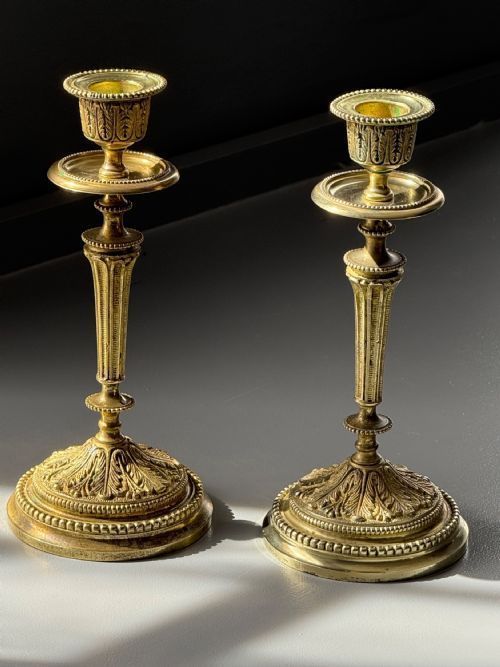
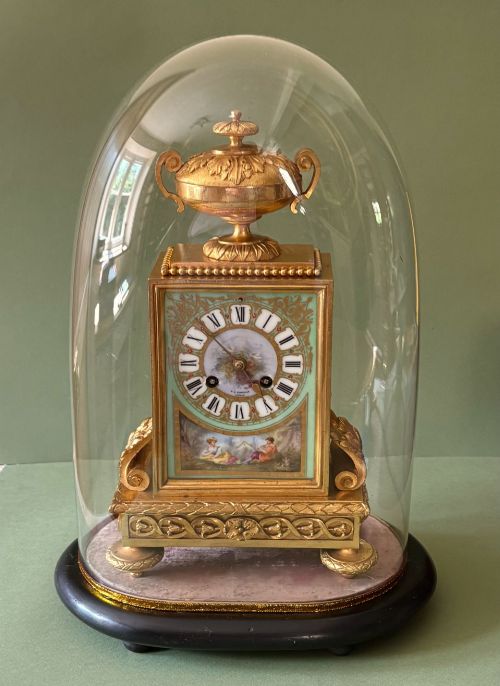
Gilded Brass Table
A gilded brass table brings a bright, warm metallic finish and a refined nineteenth-century presence to any interior.
Gilded Brass Table
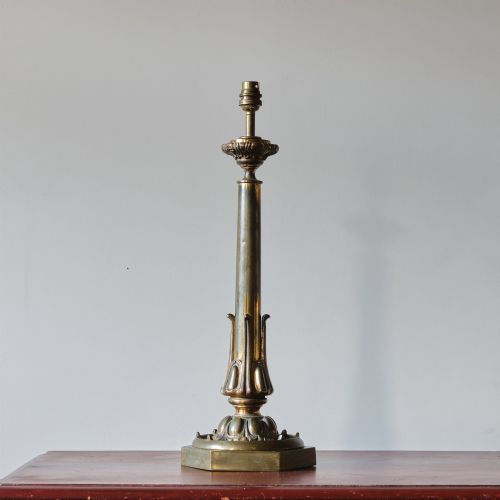
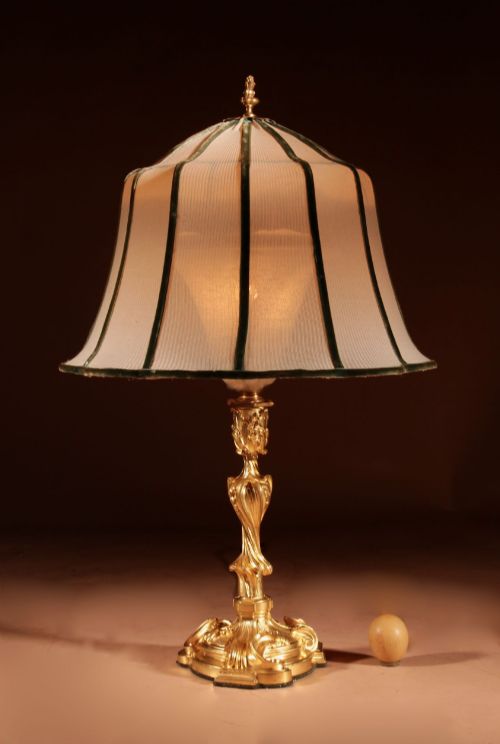
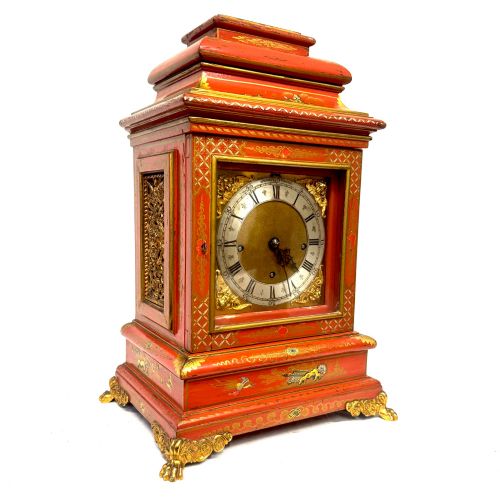
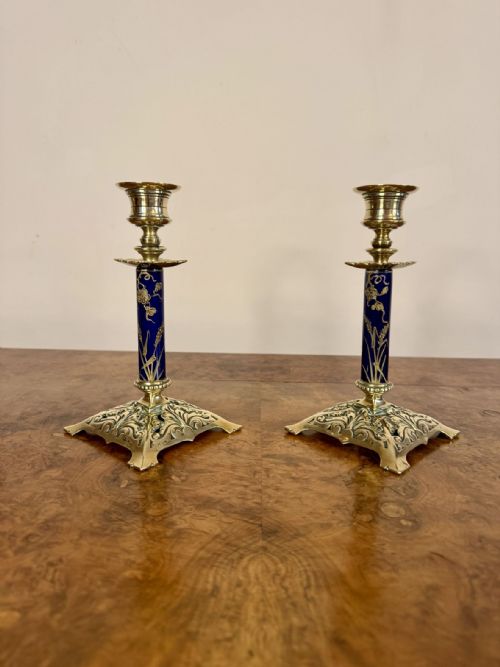
When searching for a gilded brass table, buyers encounter nineteenth-century occasional furniture, lamps, and clocks featuring polished metallic frames. The selection on this page leans heavily towards French and English periods, including Victorian, Edwardian, and Art Deco iterations.
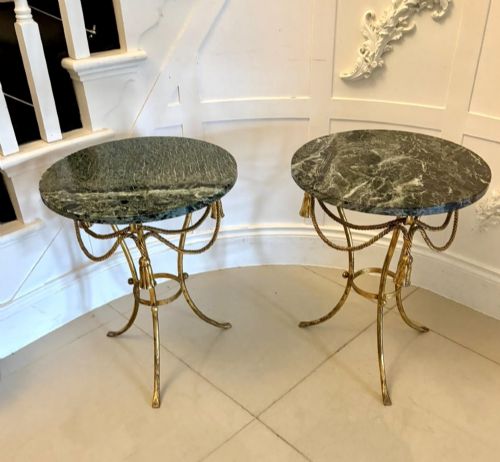
Forms range from small lamp tables with marble tops to occasional pieces in Regency and Louis XVI styles. These items often incorporate secondary materials such as porcelain, glass, and onyx alongside the primary metal framework.
Origins trace across French, English, Italian, and Swiss workshops active through the eighteen-hundreds and into the early twentieth century. Buyers will find these works span domestic lighting stands, small display surfaces, and decorative timepieces.
How they were made
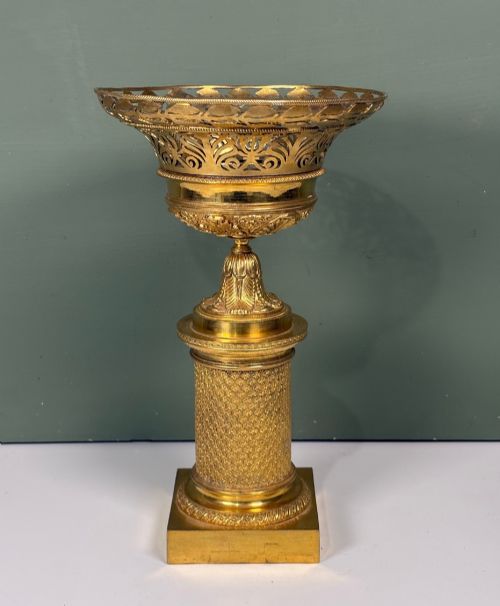
Construction relies on cast brass, bronze, and gilt metal frameworks, frequently combined with marble inserts, glass panels, and porcelain plaques. Metal components receive a layer of gilding, sometimes executed through traditional mercury or ormolu techniques to impart a rich golden lustre.
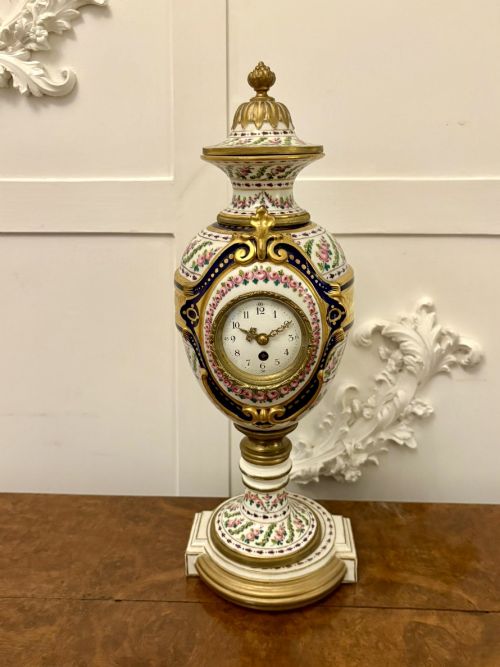
Surface ornamentation draws on French Rococo Revival, Empire, and Neoclassical vocabularies, utilising chased detailing, champlevé enamel work, and hand-painted porcelain inserts. Structural joints rely on secure mechanical fastenings suited to supporting stone tops and mounted objects.
Gilded Brass Table Retail Price Guide 2026
Typical asking prices for gilded brass table among the pieces listed under this phrase on Sellingantiques today, from the lower quarter to the upper quarter. They describe what is for sale here now, not the wider market.
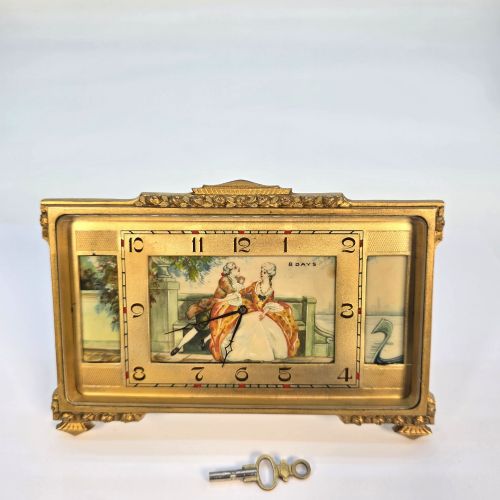
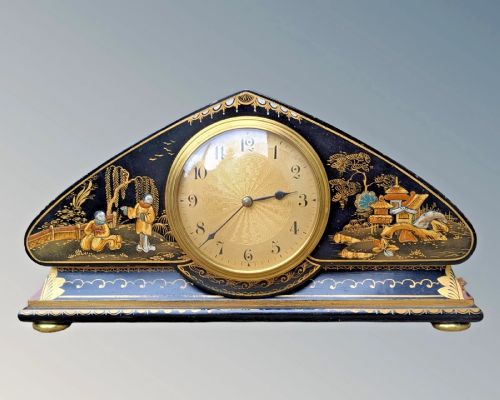
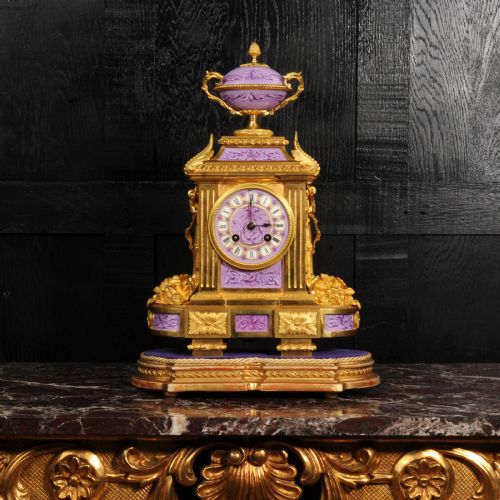
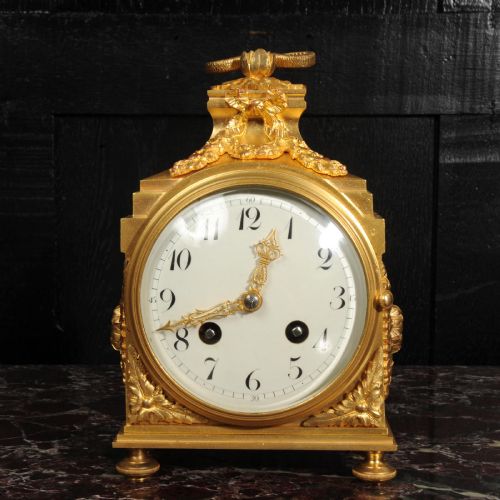
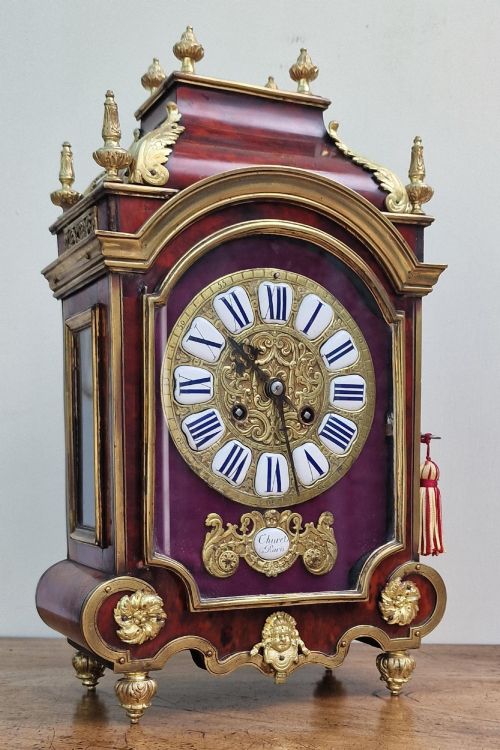
Object forms span mantel clocks, occasional tables, candelabra, and table lamps in French Neoclassical and Victorian styles.
What varies in quality
The distinction between tiers rests upon the crispness of the cast metal ornamentation and the depth of the gilding applied to the brass base. Superior examples display sharply defined chasing and hand-finishing across foliage, scrolls, and figural mounts.
Integration of materials also dictates standing, with better pieces pairing solid marbles, finely painted Sèvres porcelain, or rich timbers like mahogany and satinwood with heavy, stable metal chassis.
Achille Brocot·Thuret Paris·Canaillor of Paris·Le Roy Paris·Japy Freres
The Gilded Brass Table Glossary
- Ormolu
- Gilded bronze produced through a mercury amalgamation technique common in nineteenth-century French metalwork. This process yields a deep, lasting golden surface.
- Champlevé
- An enamelling technique where troughs are dug into a metal surface and filled with vitreous colour before firing. It creates vibrant patterns across candlesticks and clock cases.
- Louis XVI Style
- A neoclassical design movement characterised by straight lines, symmetry, and classical motifs like urns and fluting. It experienced strong revivals during the Victorian era.
- Jardinier
- A decorative stand or container designed to hold plants and flowers. These pieces often feature brass mounts and ceramic inserts.
- Regency
- An English design period spanning the early nineteenth century marked by classical restraint and influence from ancient Roman and Greek forms.
Gilded Brass Table: Frequently Asked Questions
How do I clean gilded brass safely?
Dust surfaces gently with a soft dry cloth to prevent scratching the thin metallic layer. Avoid abrasive polishes that strip away the historical gilding over time.
Keep pieces away from direct moisture and harsh chemical cleaning agents. Professional conservation is advised for heavily tarnished or delicate mounted surfaces.
What periods do these tables represent?
Most items originate from the nineteenth century, encompassing Victorian, Edwardian, and Regency eras. French and English workshops dominate the design output of this period.
Stylistic revivals such as Louis XVI and Empire remain common across the inventory. Later pieces stretch into the early twentieth century and Art Deco periods.
How were these tables used originally?
Smaller occasional tables functioned as decorative stands for lamps, porcelain urns, or reading materials in formal drawing rooms. They provided portable display surfaces within affluent domestic interiors.
Matching lamp tables and side furniture completed symmetrical room arrangements popular during the Victorian period. Their decorative presence mattered as much as their utility.
Are marble tops original to the tables?
Many nineteenth-century occasional and lamp tables feature fitted marble tops in white, rouge, or verde varieties. These stones were selected to add weight and a cool contrasting texture to the gilded metal.
Matching the stone type and edge profile helps determine period authenticity. Inspecting the underside reveals how the slab rests within the brass frame.