



Gilded Brass Fire Screen
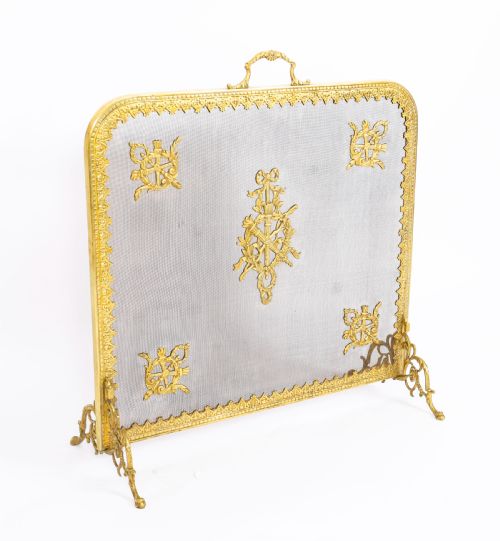
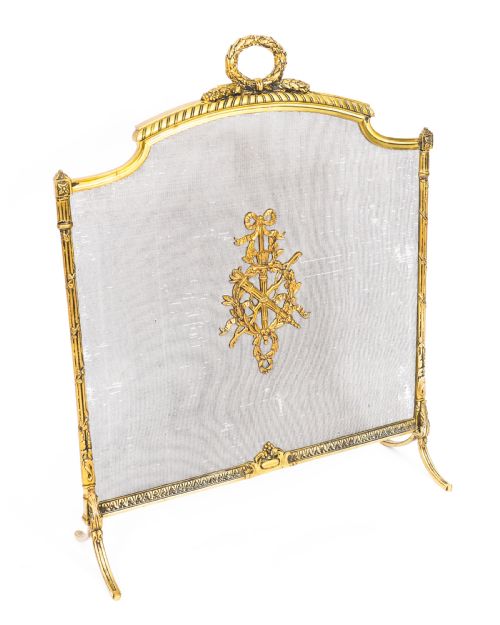
These gilded brass fire screen pieces protect a room from sudden heat while bringing French and Victorian revival elegance to the hearth.

Gilded Brass Fire Screen
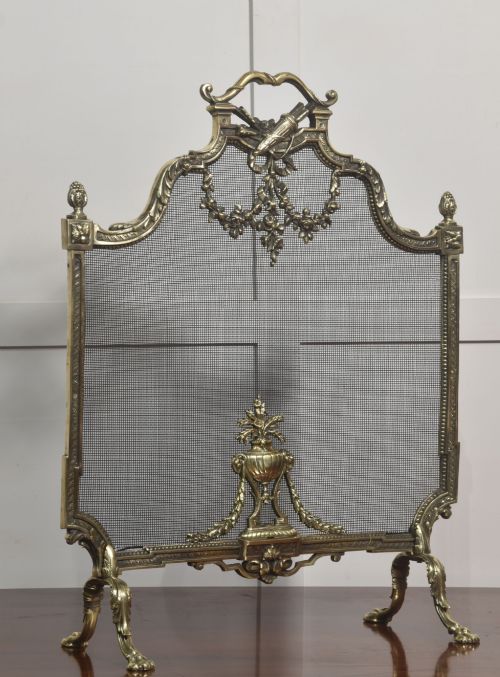
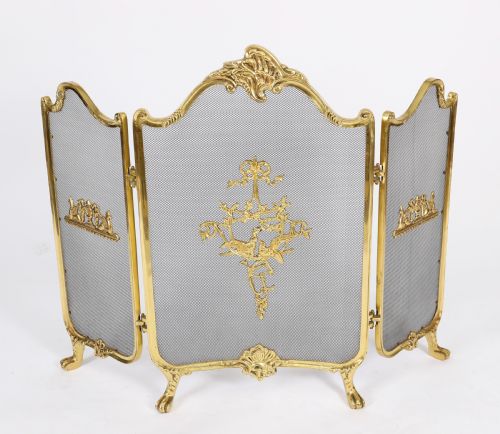
You will most commonly encounter freestanding folding designs and pole screens incorporating mesh panels or textile banners. These pieces range from elaborate cast bronze frames topped with flaming torches to simpler wire mesh guards.
The forms originate primarily from French and Victorian workshops, utilising decorative hardware and intricate metalwork to dress an inactive fireplace during warmer months.
How they were made
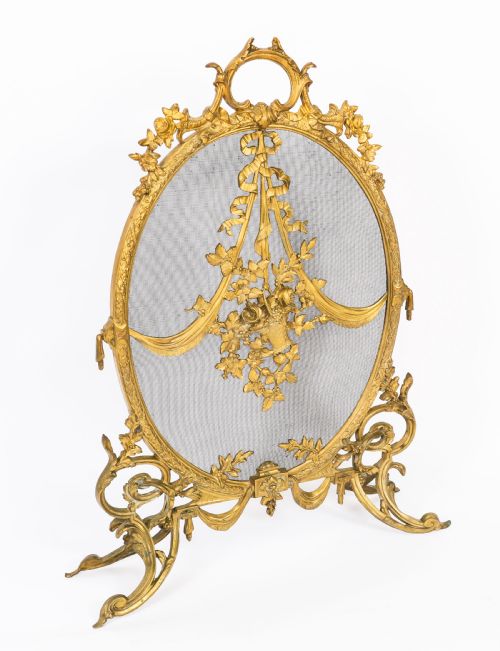
Maker workshops constructed these items using cast brass and gilt bronze, often mounting them with wire or steel mesh panels. Artisans also integrated embroidered textile banners and tapestry panels within gilded wooden or metal frames.
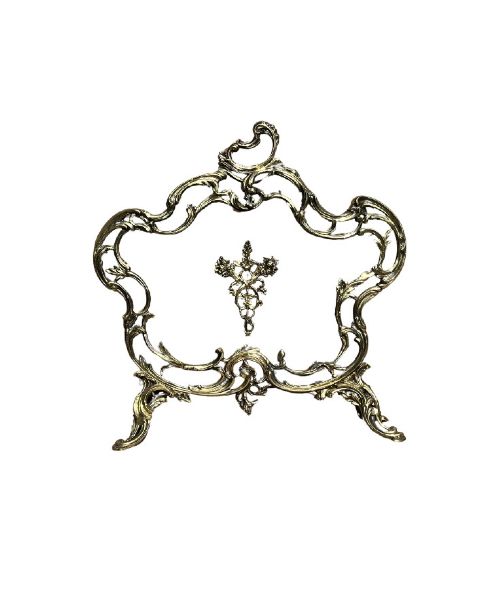
The decorative detailing relies on revivalist casting techniques, producing classical trophies, flaming torches, and asymmetrical Rococo scrollwork. Metal components received a gilt finish to catch the ambient light of the room.
Gilded Brass Fire Screen Retail Price Guide 2026
Typical asking prices for gilded brass fire screen among the pieces listed under this phrase on Sellingantiques today, from the lower quarter to the upper quarter. They describe what is for sale here now, not the wider market.
Some nineteenth-century screens were patented specifically as candle shields, designed to protect delicate complexion wax from melting near the hearth.
What varies in quality
Quality rests in the crispness of the cast bronze or brass ornamentation and the depth of the gilding. Heavier castings with sharply defined French Rococo or Empire motifs command greater presence than simpler utility guards.
The integrity of the mesh panels and the stability of the folding hinges or pole mountings also distinguish standard Victorian guards from more ambitious decorative hardware.
The Gilded Brass Fire Screen Glossary
- Gilt bronze
- Metal cast and treated with a gold-coloured finish. This material provides the rich metallic surface seen on French revival frames.
- Fire screen
- A decorative barrier placed in front of an unlit fireplace. These objects prevent stray embers from escaping and decorate the hearth.
- Pole screen
- An adjustable screen mounted on a vertical wooden or metal pole. They typically feature an embroidered panel that slides up and down.
- Mesh
- A woven metal web fitted into the centre of the screen frame. This allows warmth to pass through while containing sparks.
Gilded Brass Fire Screen: Frequently Asked Questions
What is a fire screen used for?
These screens served primarily to shield inhabitants from the intense glare and sudden heat of an open coal or wood fire. When the hearth was unlit during summer months, they provided an ornamental focal point for the room.
They also caught stray sparks and embers during active use, protecting the surrounding floor coverings. Many nineteenth-century examples functioned more as decorative furnishings than functional safety guards.
How do I date a brass fire screen?
Dating relies on stylistic clues such as the presence of French Rococo revival scrollwork or Victorian neoclassical motifs. The construction methods of the metal frame and the type of mesh used offer further chronological markers.
Nineteenth-century pieces often incorporate cast bronze mounts and specific revivalist hardware. Comparing the casting crispness to documented periods helps narrow down the decade of production.
Are pole screens different from hearth screens?
Pole screens feature a vertical stand with a sliding panel, allowing the user to adjust the height of the shield. They were traditionally moved around the room to block heat from the fire rather than resting directly on the hearth.
Hearth screens are wider, freestanding frames designed to sit permanently on the floor in front of the fireplace opening. They utilise folding panels or fixed legs for stability.
How do I care for gilt metal?
Gilt brass and bronze require gentle dusting with a soft, dry cloth to prevent the accumulation of grime. Avoid harsh chemical cleaners or abrasive polishes that can strip away the delicate gold-coloured surface layer.
Maintain stable humidity levels in the room to protect any integrated wooden frames or textile embroidery panels. Regular, careful maintenance preserves the original metallic lustre.