

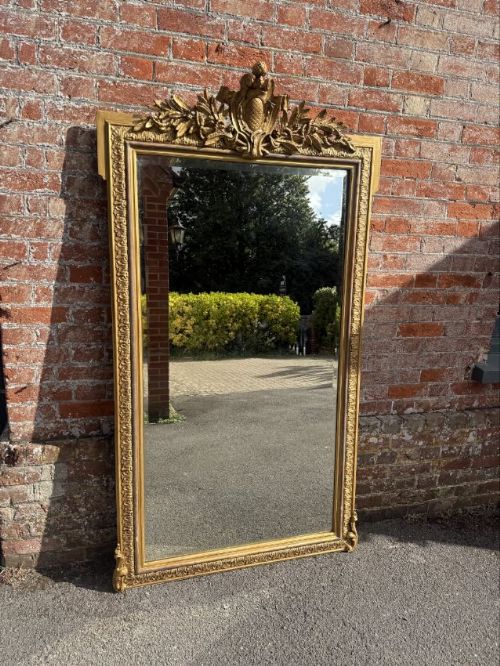
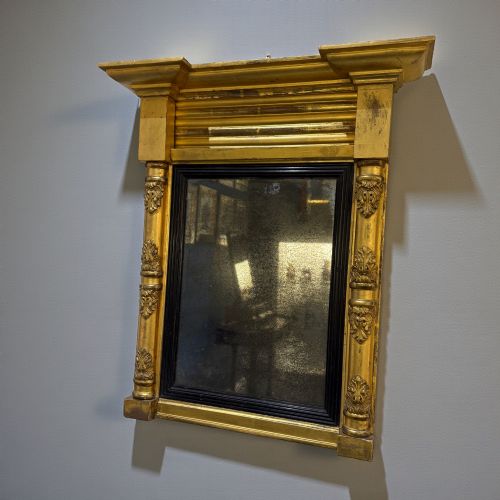
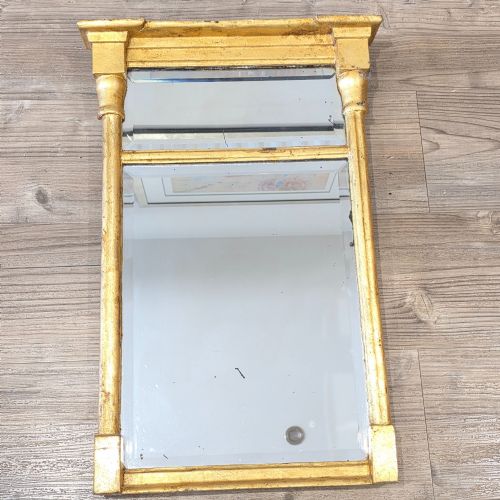

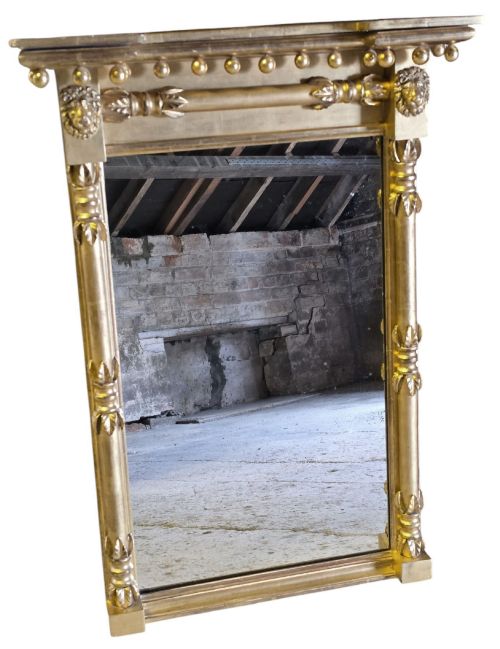


Gilded Architectural Pier Mirror
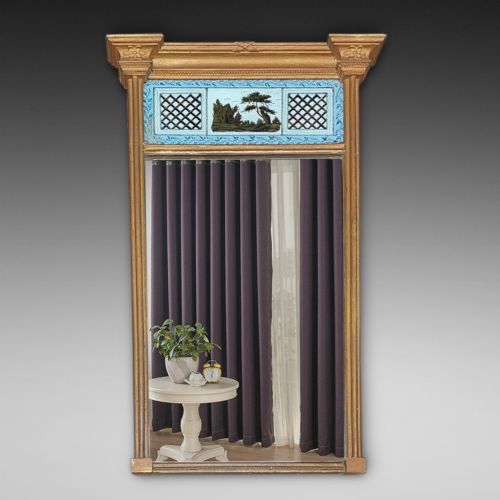
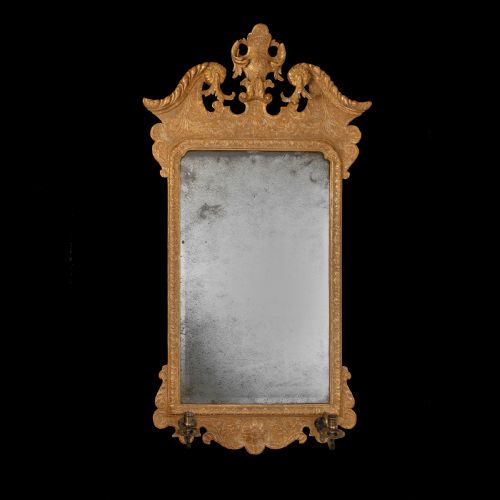
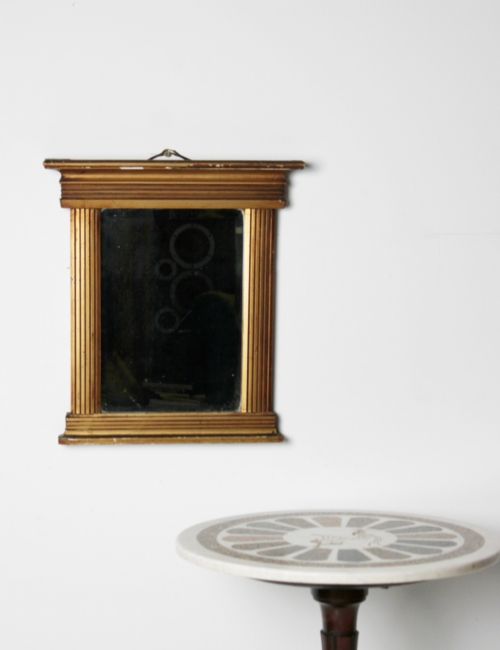
These gilded architectural pier mirrors command a room with their brilliant frames and tall proportions.

Gilded Architectural Pier Mirror
A gilded architectural pier mirror sits between windows on a pier wall, designed to reflect light and magnify space within formal reception rooms. The pieces gathered here span from the mid-eighteenth century through the Regency and Victorian eras, demonstrating enduring classical proportions.
Most examples you will encounter date from the nineteenth century, including Regency interpretations alongside later revivals in the George II and Rococo styles. These wall-hanging forms include pier mirrors, overmantels and console-paired plates executed in giltwood and walnut.
The architectural framing often incorporates verre eglomise panels, reeded mouldings and carved gesso details that anchor the glass securely. They function as both decorative statements and historical furnishings rooted in Georgian and Regency interior design.
What varies in quality
The crispness of the carved gesso and the depth of the giltwood detailing set finer pieces apart from later commercial interpretations. Hand-carved wooden enrichment demonstrates superior craftsmanship compared to moulded composition applied in mass production.
The survival of the original mirror plate, complete with its characteristic foxing and distortion, preserves the authentic character of the period. Frames that retain their primary gilding without extensive overpainting maintain greater integrity and visual depth.
Gilded Architectural Pier Mirror Retail Price Guide 2026
Typical asking prices for gilded architectural pier mirror among the pieces listed under this phrase on Sellingantiques today, from the lower quarter to the upper quarter. They describe what is for sale here now, not the wider market.
The listings span from 1750 through the Georgian, Regency, and Victorian periods, utilising giltwood, gesso, walnut, and verre eglomise.
Nosotti's
The Gilded Architectural Pier Mirror Glossary
- Giltwood
- Timber, typically pine or gesso-coated wood, covered with thin sheets of gold leaf. This finish provides a luminous and durable surface characteristic of high-status mirrors.
- Gesso
- A plaster-like mixture applied to wooden frames to create a smooth base for carving or gilding. It allows artisans to shape sharp decorative relief work.
- Verre eglomise
- A cold-painting and gilding technique on the reverse of glass panels. It frequently appears in the upper frieze of Regency pier mirrors.
- Pier glass
- A tall mirror specifically proportioned to hang on the narrow wall space between windows. These pieces were often paired with console tables beneath.
- Overmantel
- A large horizontal or vertical mirror designed to hang above a fireplace mantelpiece. They share decorative vocabularies with pier mirrors of the same period.
Gilded Architectural Pier Mirror: Frequently Asked Questions
Where should I hang a pier mirror?
These mirrors suit narrow wall spaces between windows or above low console tables where they can reflect natural light.
Ensure the wall construction supports the substantial weight of a gilded wood and glass assembly.
Are the mirror plates original?
Many eighteenth and nineteenth-century examples retain their original glass, which often shows light oxidation and foxing.
Later replacements are common due to the fragility of historic silvered glass plates.
How do I clean a giltwood frame?
Dust the carved surfaces gently with a soft, dry brush to prevent damage to the delicate gold leaf.
Avoid liquid cleaners and moisture entirely, as water lifts gesso and composition details from the timber.
What defines Regency style mirrors?
Regency mirrors feature classical restraint, often incorporating reeded columns, verre eglomise panels, and ball-accented cornices.
They reflect an early nineteenth-century shift towards archaeological Greek and Roman revival motifs.