
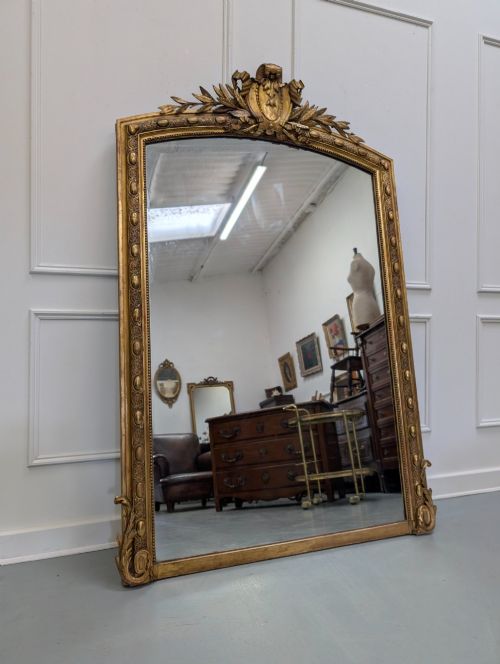
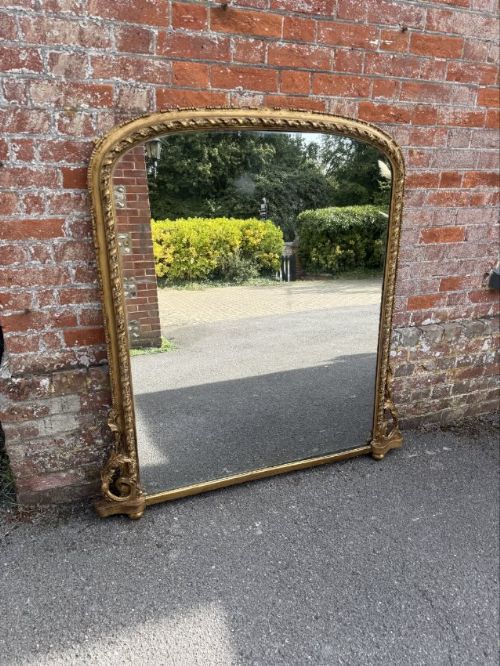
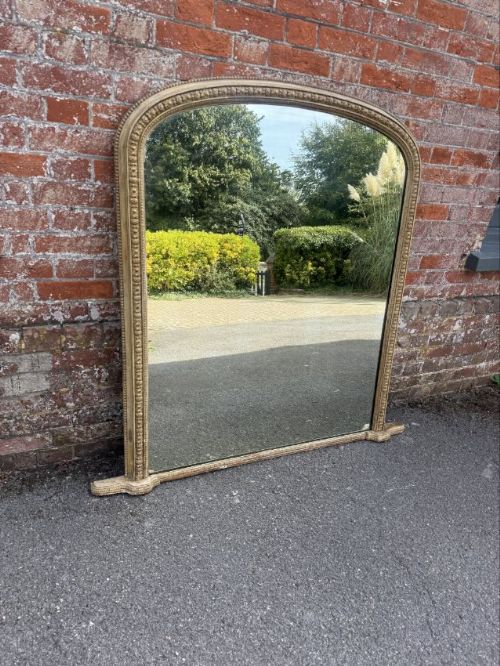
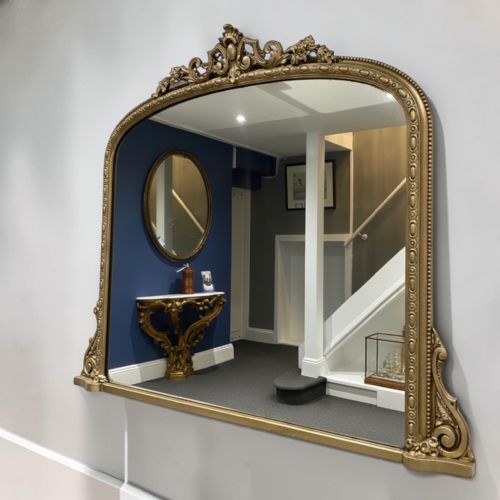


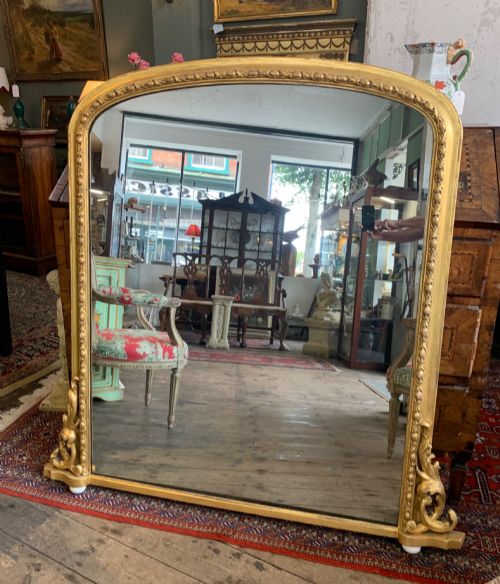
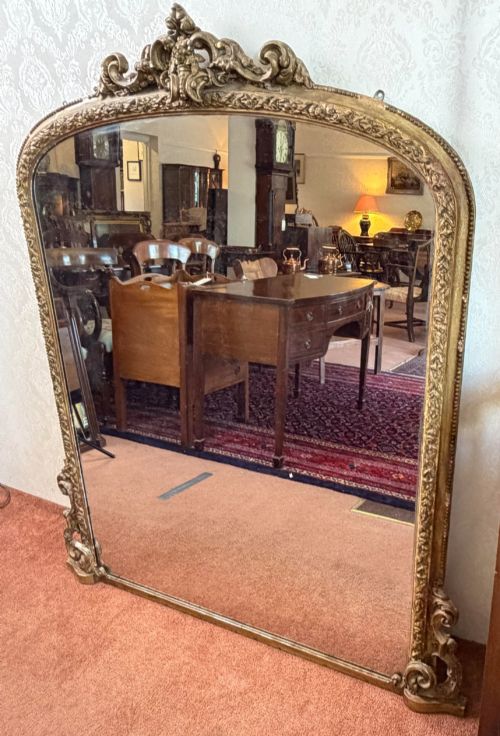
Gilded Arched Wall Mirror
A gilded arched wall mirror brings immense depth and reflective light to a room, drawing the eye naturally to its curved upper frame.
Gilded Arched Wall Mirror
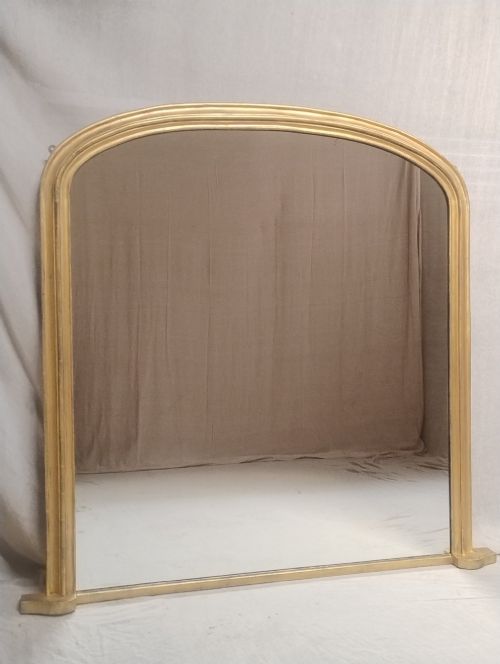
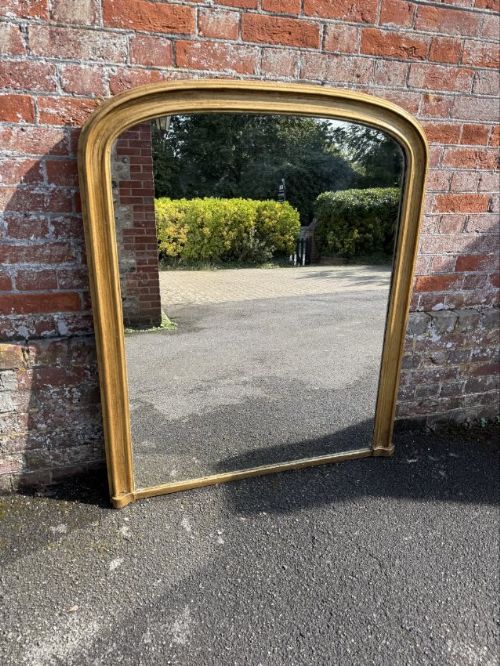
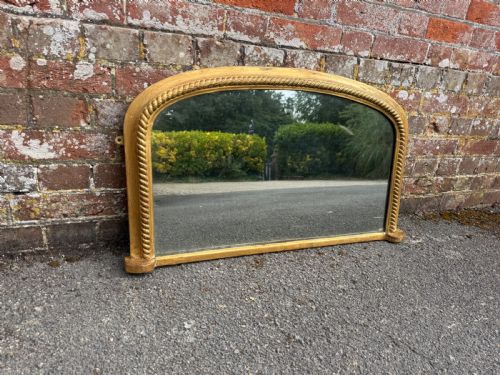
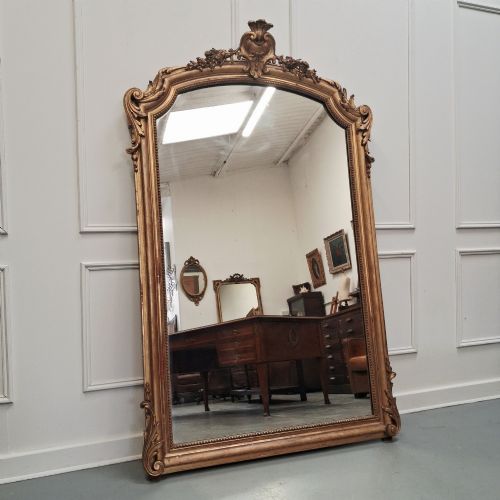
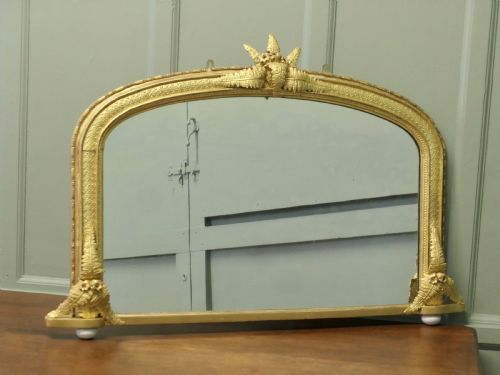
A gilded arched wall mirror is typically encountered as a grand overmantel or pier glass designed to sit above a fireplace or along a principal wall. These large statement pieces originate predominantly from the 19th century, spanning Victorian, Georgian, and French periods.
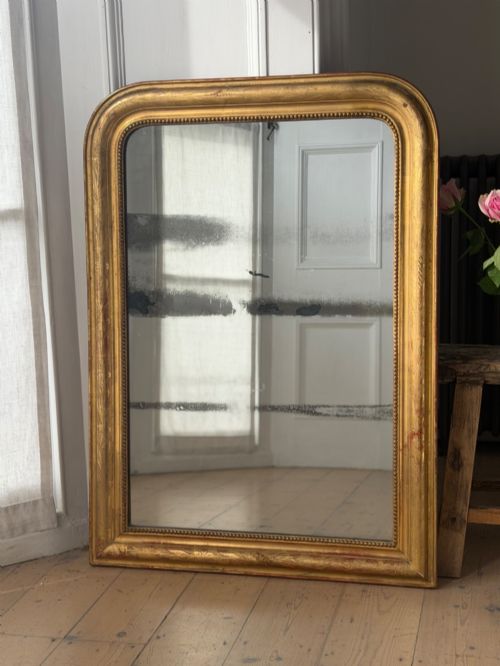
The form is defined by an arched or shaped top profile, often framed in generous dimensions intended to anchor a high-ceilinged room. English examples frequently display robust proportions, while French alternatives lean towards the refined curves of the Louis Philippe style.
Buyers seeking this phrase encounter heavy architectural glass designed to alter the perceived volume and luminosity of interior spaces. Most surviving examples bridge decorative arts and practical home furnishings from the 1800s.
How they were made
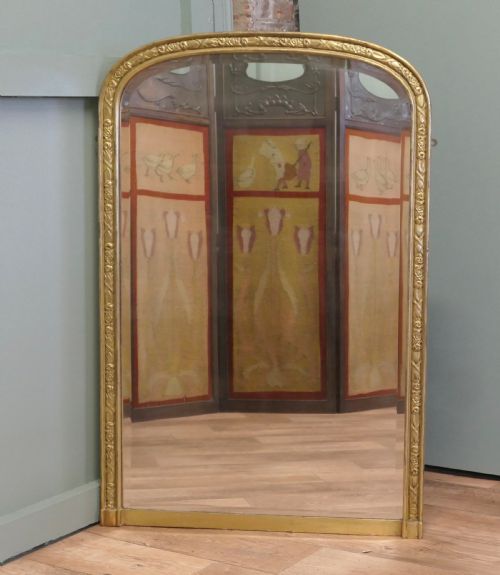
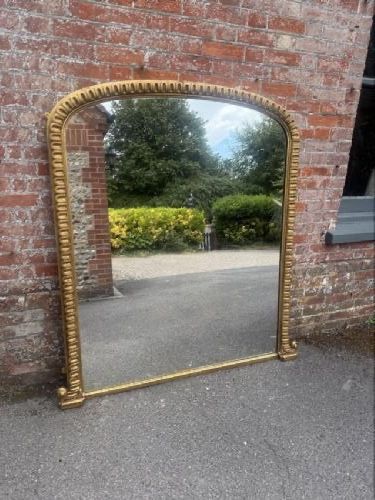
Makers constructed the structural frames using timber, applying layers of gesso to build up decorative mouldings and relief details before finishing with gold leaf or gilding. This combination provided a stable base for intricate carving work like rope twists or ribbed framing.
Glass plates were set into the carved wooden carcasses, historically utilising mirror glass that sometimes exhibits age-related foxing. The integration of wood, plaster, and gold leaf required skilled joinery to support the substantial weight of the arched panels.
Some 19th-century frames include subtle nautical rope twists, proving that Victorian craftsmen liked to bring the high seas into the drawing room.
What varies in quality
The distinction between tiers rests upon the crispness of the carved wood and gesso ornamentation, where deeply defined mouldings and well-preserved gilding indicate superior craftsmanship. Heavier, substantial frames often reflect higher structural ambition during their period of manufacture.
Originality of components also dictates standard, as pieces retaining their primary glass and uncompromised gold leaf carry greater material integrity. The fluidity of the arch and the balance of proportions separate standard utilitarian mirrors from exceptional statement objects.
The Gilded Arched Wall Mirror Glossary
- Gesso
- A plaster-like mixture applied to wood frames to create a smooth surface for subsequent gilding or carving. It allows artisans to shape intricate relief details before the application of gold leaf.
- Overmantel Mirror
- A large mirror specifically proportioned to hang on the wall directly above a fireplace mantelpiece. These pieces often feature wide horizontal or vertical dimensions to fill the chimney breast.
- Giltwood
- Wood that has been coated with gold leaf or powdered gold finish. This material creates the luminous metallic sheen characteristic of formal 19th-century frames.
- Pier Mirror
- A tall, narrow mirror designed to be positioned on the wall space between two windows. They often match the height of adjacent architectural elements in period rooms.
- Foxing
- The natural ageing process in mirror glass resulting in dark spots or mottled patches beneath the surface. This chemical alteration comes from decades of exposure to atmospheric moisture.
Gilded Arched Wall Mirror: Frequently Asked Questions
Where should an arched mirror be hung?
These mirrors are traditionally positioned above a fireplace mantelpiece to reflect light and anchor the vertical space of a room. They also function effectively as leaner mirrors against principal walls in reception rooms.
Because of their substantial weight and height, proper wall fixings or structural support are essential to secure them safely in place.
How do I identify a 19th-century gilt mirror?
Examination of the frame construction reveals clues, such as hand-carved wood beneath layers of gesso and gold leaf rather than modern synthetic compounds. The presence of heavy mirror glass with subtle imperfections or age spots is also typical of this era.
Stylistic markers like rope twist mouldings, classical architectural arches, or Louis Philippe curves further point towards 19th-century origins.
What is the difference between French and English styles?
English 19th-century examples tend to be heavy, rectilinear overmantels featuring deep carved wood, gesso, and pronounced architectural framing. They are built for robust presence in grand Victorian interiors.
French pieces, particularly Louis Philippe designs, often present simpler, cleaner arched lines with understated beaded or ribbed borders that emphasise subtle elegance.
How do I care for antique gilded frames?
Maintenance requires gentle dusting with a dry, soft brush to protect the delicate gold leaf and gesso surface from abrasion. Moisture and chemical cleaning agents should be kept away from the gilding to prevent flaking.
Glass can be cleaned sparingly with a mild glass cleaner applied to a cloth rather than sprayed directly onto the mirror plate.