


Cream and Gilt Mirror
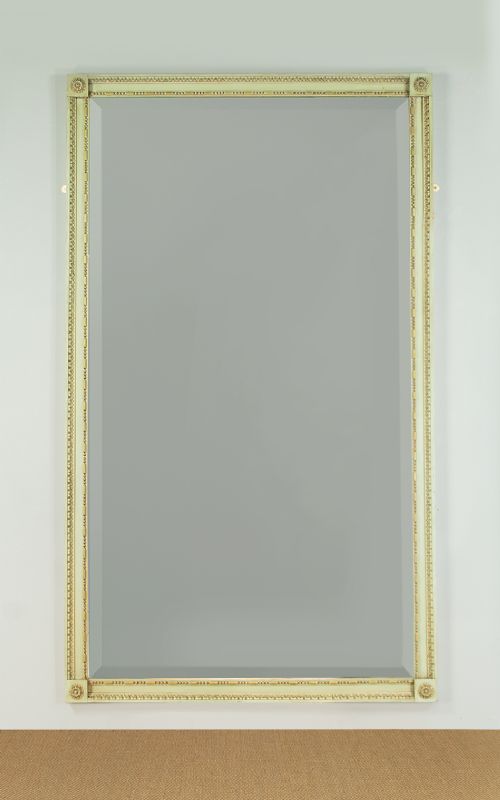
A cream and gilt mirror brings light and neoclassical elegance to a room through painted surfaces paired with reflective gold leaf.
Cream and Gilt Mirror
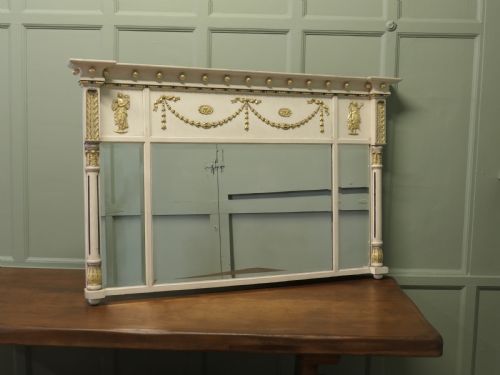
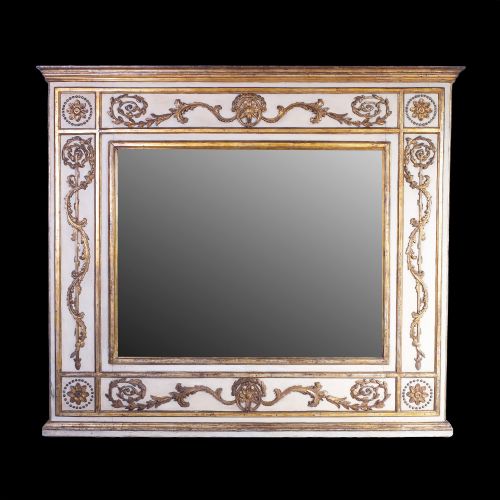
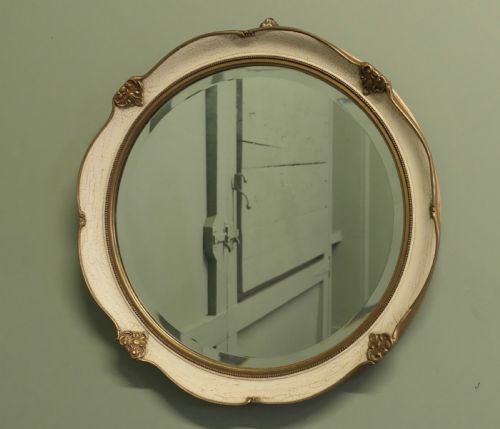
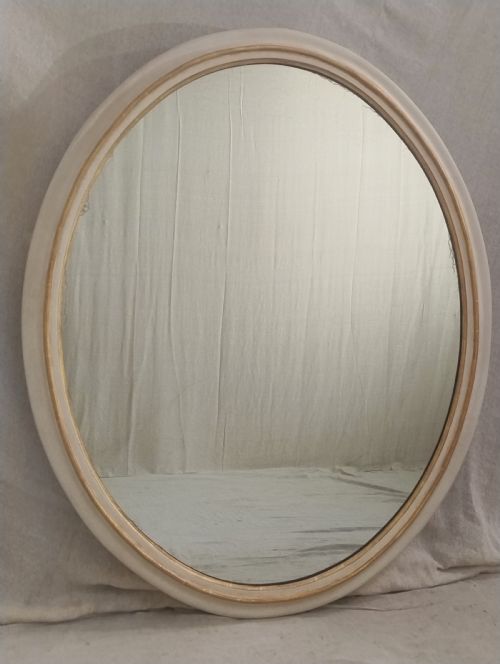
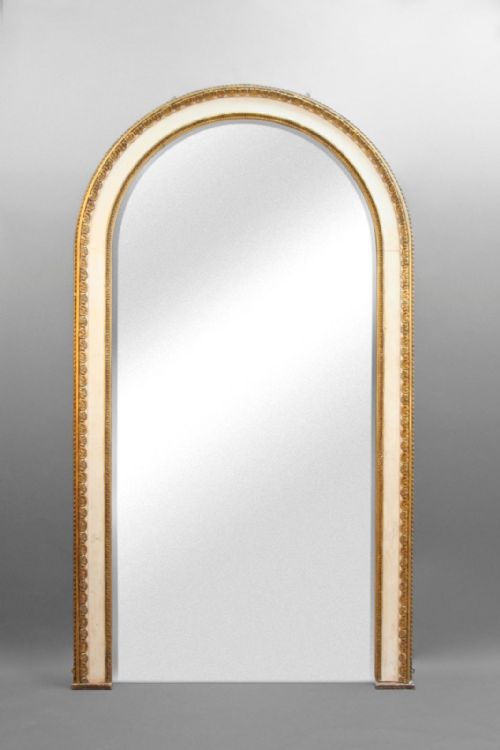
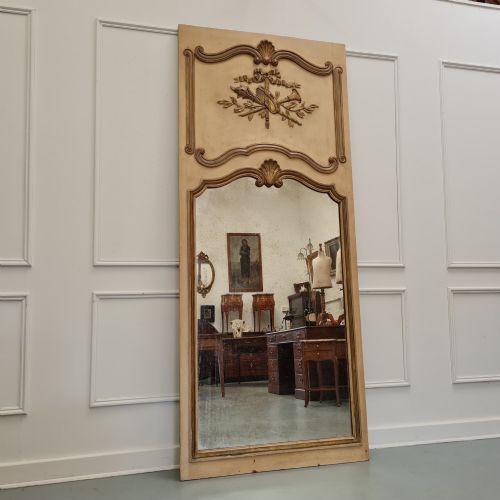
A cream and gilt mirror combines a pale painted wooden or gesso frame with gilded highlights, bringing decorative presence to nineteenth-century domestic interiors. These pieces appear frequently as tall overmantels, arched trumeaus, and round wall pieces originating from French and English workshops.
The aesthetic bridges formal classical design and softer domestic decoration through the contrast of muted cream paint against shimmering gold leaf or parcel gilt accents. Buyers encounter these mirrors in various proportions, from intimate pier glasses intended for narrow wall spaces to grand architectural overmantels designed for nineteenth-century mantelpieces.
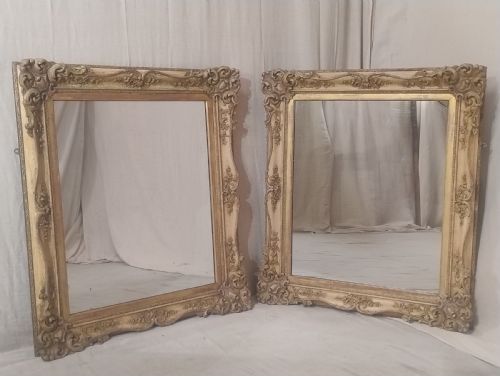
Originating largely from the nineteenth century, these objects reflect popular revival movements including Rococo, Regency, and Louis Philippe styles. Surviving examples demonstrate how period makers adapted classical motifs for domestic settings, incorporating carved wood, gesso reliefs, and pastoral paintings.
How They Were Made
Makers constructed the structural frames using timber such as pine or hardwood, applying layers of gesso to build up intricate surface details and mouldings. Artisans then carved ornamental flourishes directly into the gesso or applied applied wooden carvings before finishing the surfaces.
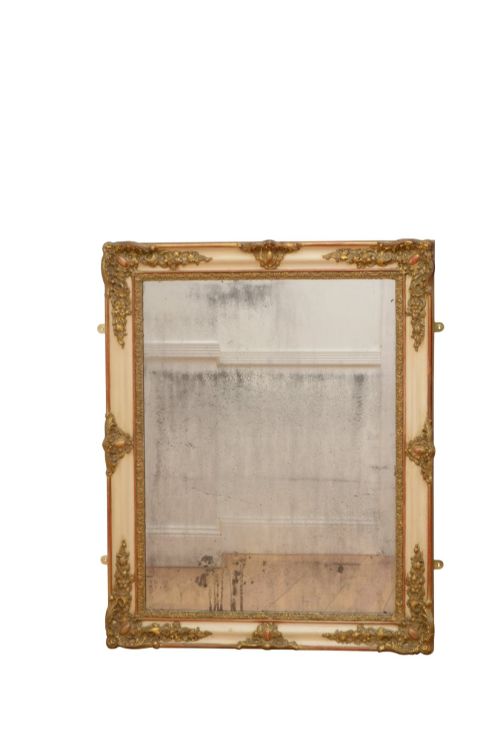
The distinctive dual finish relied on applying cream paint over the body of the frame, followed by meticulous placement of gold leaf or parcel gilding on raised reliefs and borders. Many pieces received protective varnish or distressing that has mellowed over decades into characteristic crackle or patinated finishes.
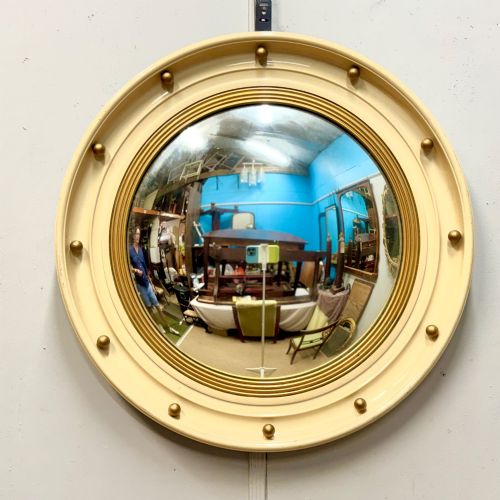
Some convex mirrors are historically known as witch's balls, once believed to ward off evil spirits from the parlour.
What Varies In Quality
Quality rests in the crispness of the gesso moulding and the depth of the hand-carved details, where superior examples display sharp, well-defined floral or architectural motifs rather than soft, indistinct edges. The integration of original gilding and integrated elements like pastoral oil paintings or trumeau panels further elevates an individual piece.
The integrity of the glass plate also dictates worth, as early mercury or convex mirror plates exhibit distinct optical depth and ageing compared to later replacements. Furthermore, original backboards and undisturbed structural joinery indicate a higher standard of preservation across nineteenth-century workshop production.
The Cream and Gilt Mirror Glossary
- Gesso
- A prepared mixture of plaster of Paris and glue used to coat wooden frames before carving and gilding. This compound allowed artisans to sculpt intricate low-relief ornamentation across the mirror border.
- Trumeau
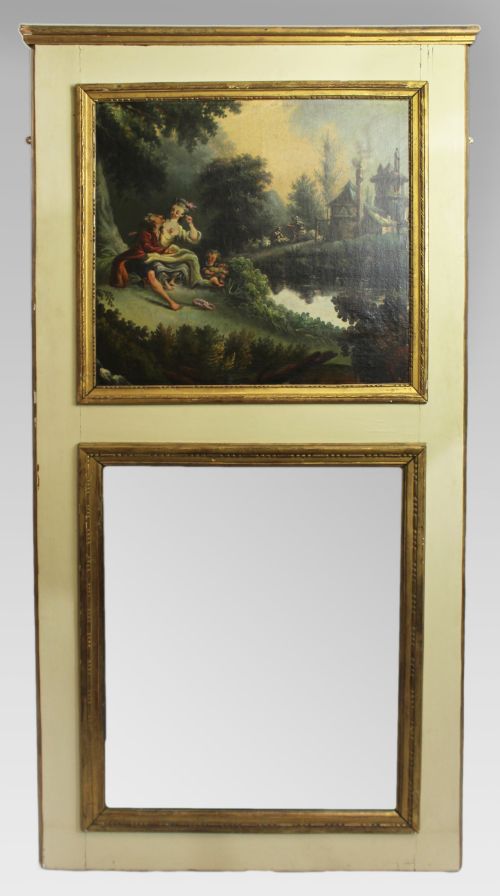
- An architectural wall mirror incorporating an upper painted panel or oil painting above the glass plate. These French decorative panels were designed to fit neatly between windows or above mantelpieces.
- Parcel Gilt
- A decorative treatment where only specific raised portions of an object are covered in gold leaf while the remainder is painted. This technique highlights carved details against the contrasting cream ground.
- Overmantel Mirror
- A wide looking glass proportioned specifically to hang above a fireplace mantel. These large horizontal pieces frequently feature arched tops and elaborate cresting.
- Convex Glass
- A curved mirror plate that provides a wide, distorted panoramic reflection of the interior space. Frequently found in round butler or witch's eye frames from the nineteenth century.
Cream and Gilt Mirror: Frequently Asked Questions
Where should I hang an overmantel mirror?
These wide horizontal mirrors sit naturally above a fireplace mantel, reflecting light and anchoring the surrounding wall space.
Ensure the width matches or stays slightly narrower than the mantel shelf for balanced visual proportions.
How do I identify a French trumeau mirror?
French trumeau mirrors feature an integrated oil painting or decorative panel positioned directly above the rectangular or arched glass plate.
They were originally manufactured to mount flush against drawing room walls between architectural openings.
What is parcel gilding on these frames?
Parcel gilding applies gold leaf selectively to the raised carved elements of the frame while leaving the recessed areas painted in cream.
This technique creates tonal contrast and emphasises the intricate gesso ornamentation.