


Gilded Porcelain Plate
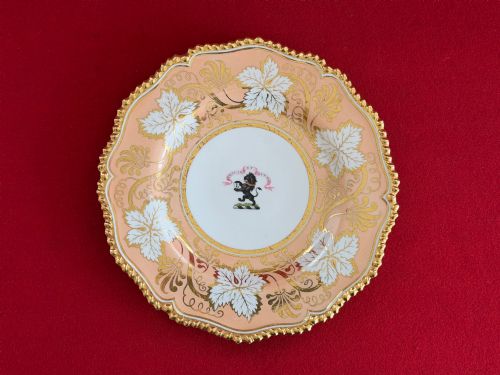
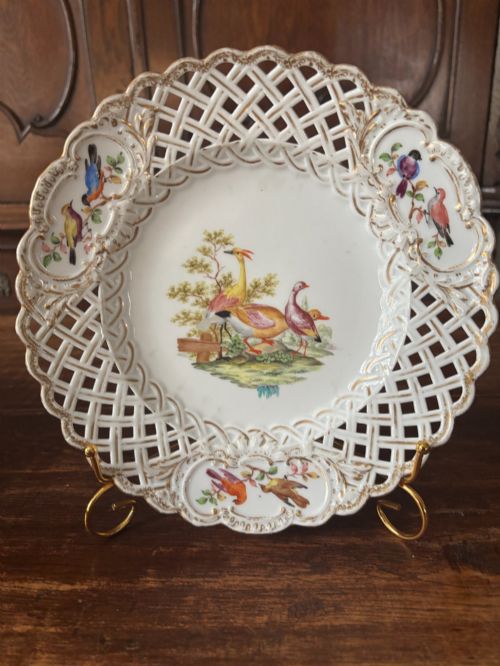
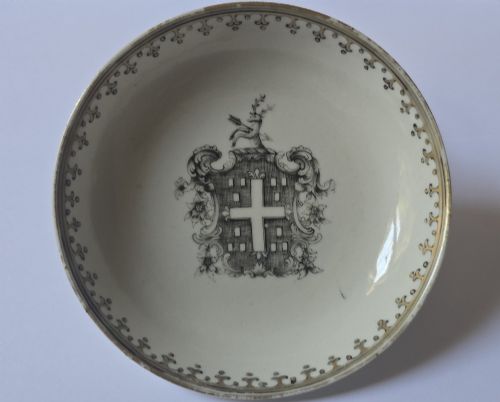
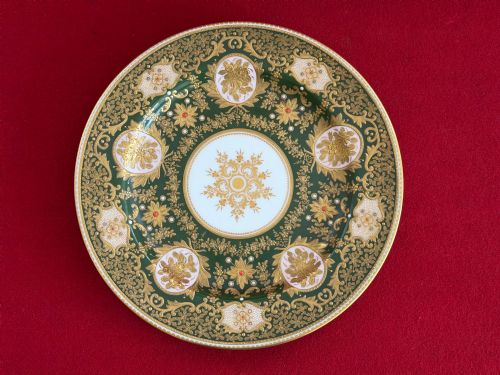
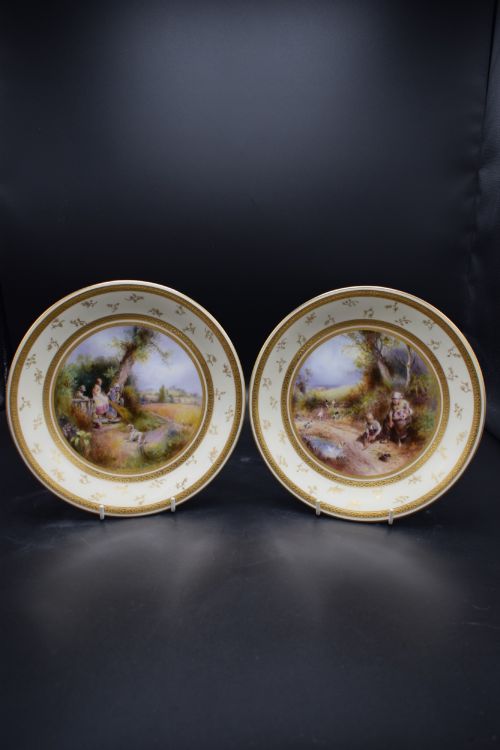
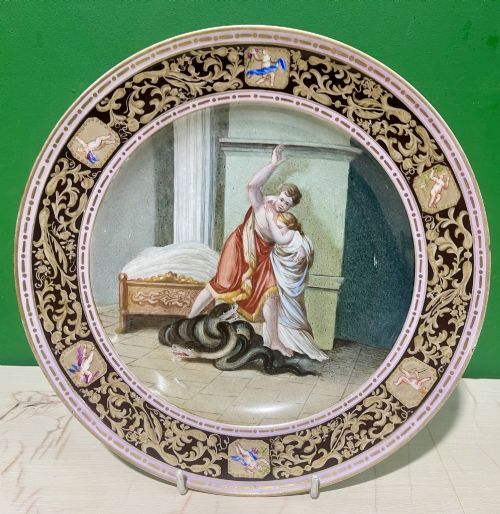
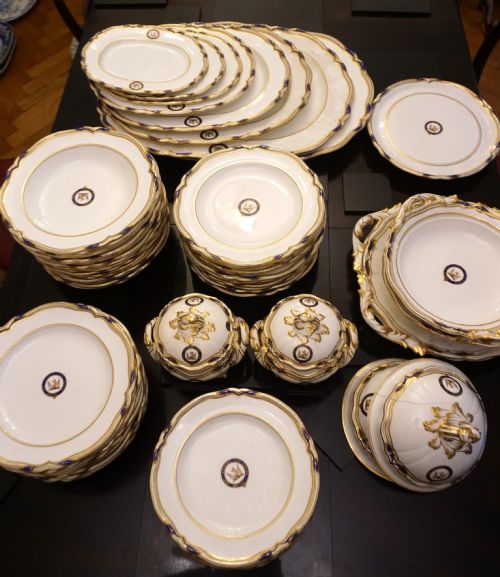
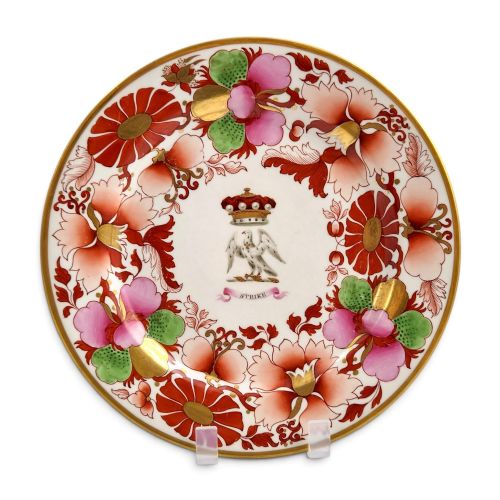
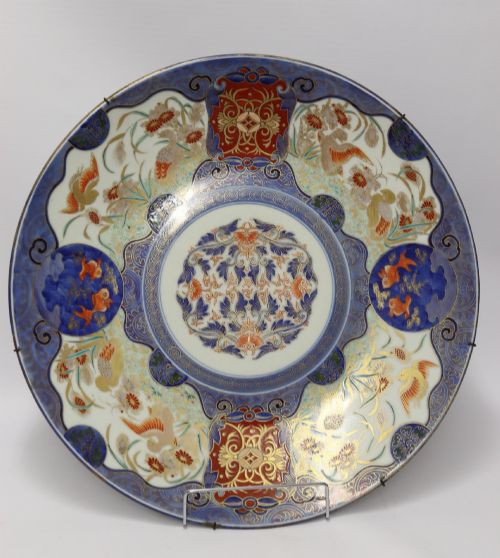
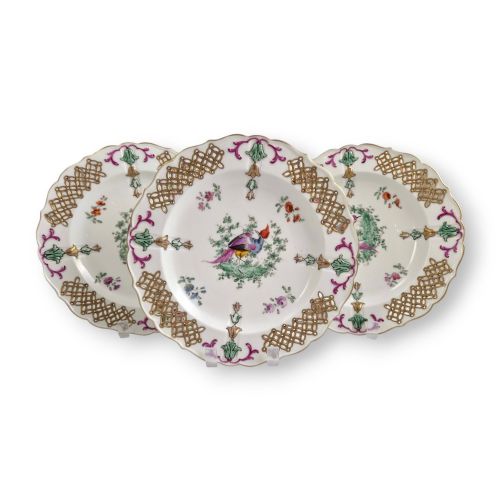
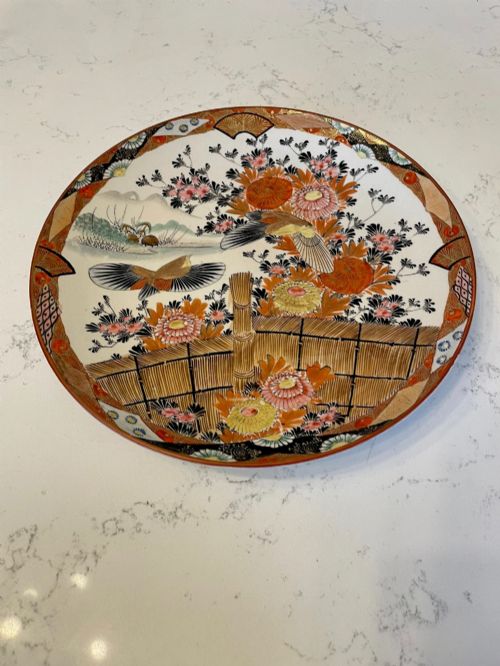
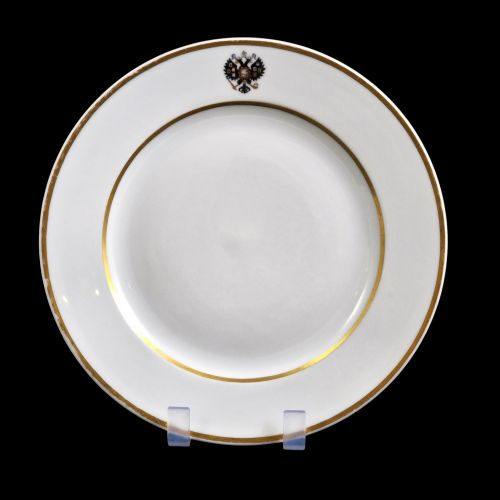
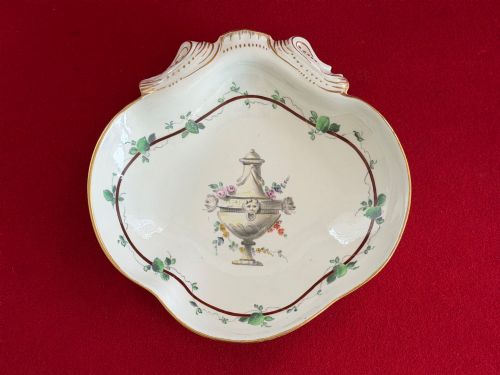
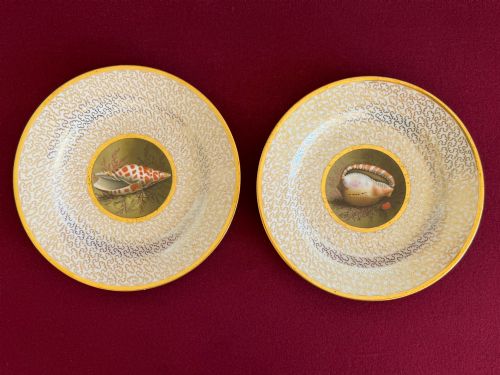
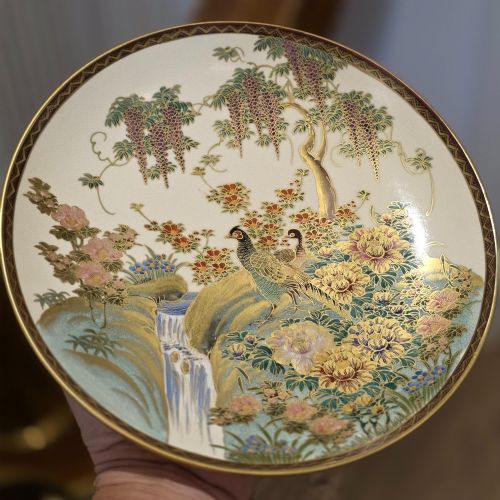
These gilded antique porcelain plate examples bring together rich hand-painted scenes, armorial crests, and metallic lustre from the Georgian, Victorian, and later periods.
Gilded Porcelain Plate
A gilded antique porcelain plate serves primarily as a decorative cabinet piece, a dessert dish, or a charger rather than daily tableware. The pieces seen here span the eighteenth, nineteenth, and early twentieth centuries, originating from English factories like Worcester and Derby, as well as continental and Japanese makers.
Most examples encountered on this page date from the Victorian era and the nineteenth century, often taking the form of cabinet plates or reticulated serving dishes. They display diverse styles ranging from Rococo Revival and Japanese Imari to classical landscape and fruit painting.
How they were made
Potters shaped hard-paste porcelain, bone china, or earthenware before applying detailed enamel pigments and hand-painted motifs such as birds, flowers, or portraits. Gold leaf, gilding, and jewel-like enamel dots were added in subsequent firings to accentuate borders, handles, and crests.
Many items underwent multiple kiln firings to fuse the metallic gilding and complex polychrome enamels securely to the ceramic body. Specialised studios then added hand-painted gilding highlights, armorial crests, or landscape scenes.
Gilded Porcelain Plate Retail Price Guide 2026
Typical asking prices for gilded porcelain plate among the pieces listed under this phrase on Sellingantiques today, from the lower quarter to the upper quarter. They describe what is for sale here now, not the wider market.
Some nineteenth-century plates disguised their aristocratic intentions with hand-painted exotic birds staring sternly past the gold-leaf border.
What varies in quality
The standard of painting largely dictates the distinction between standard production wares and exceptional cabinet pieces. Fine hand-painted details by named artists or specialised studios show greater depth and precision than transfer-printed or hastily executed patterns.
The application and preservation of the gold leaf or gilding also signal quality. Thick, burnished gilding that retains its lustre indicates superior craftsmanship compared to thin, rubbed metallic finishes.
Flight Barr And Barr·Royal Worcester·Meissen·Imperial Porcelain Factory·Royal Crown Derby
The Gilded Porcelain Plate Glossary
- Cabinet plate
- A decorative ceramic plate intended for display in a cabinet or on a wall rather than for practical dining use. These pieces often feature elaborate painted scenes or heavy gilding.
- Armorial crest
- A heraldic design painted onto porcelain to denote the family or noble house that commissioned the service. These crests frequently appear alongside detailed family mottos.
- Reticulated
- Describes ceramic ware with openwork or pierced lattice borders cut into the clay before firing. This technique requires considerable skill to prevent warping in the kiln.
- Hard-paste porcelain
- A dense, vitrified ceramic compound made from kaolin and petuntse fired at high temperatures. It resists scratching and provides a durable base for intricate enamel decoration.
- Imari
- A Japanese export porcelain style characterised by underglaze blue, iron red, and abundant gilding. European factories frequently imitated these distinct patterns during the eighteenth and nineteenth centuries.
Gilded Porcelain Plate: Frequently Asked Questions
How do I display a cabinet plate safely?
Most decorative plates feature foot rings suitable for specialised wall hangers with protective prongs, or they sit securely in deep display stands inside cabinets.
Ensure the mounting hardware distributes weight evenly without placing excessive pressure on the gilded rim.
Can I use these plates for serving food?
While these ceramics originated as functional dessert services or chargers, age and fragile overglaze gilding make daily dining use inadvisable. Hand washing in lukewarm water preserves the delicate enamels.
Harsh detergents and dishwashers will wear away the gold leaf and fine painted details over time.
How can I tell the period of a plate?
Makers' marks stamped, impressed, or painted on the underside provide the most reliable indicator of age and factory origin. Stylistic clues such as Rococo revival borders or nineteenth-century armorial motifs also help narrow down the date.
Comparing the paste and the style of hand painting against known factory timelines confirms the era of manufacture.