





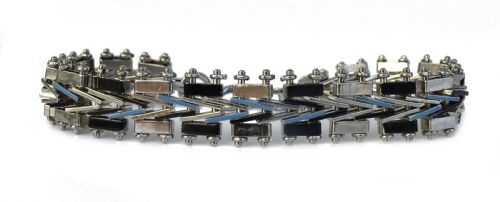


German Silver Jewellery
German silver jewellery brings together intricate metalwork and enamel from the nineteenth century into the mid-twentieth century.
German Silver Jewellery
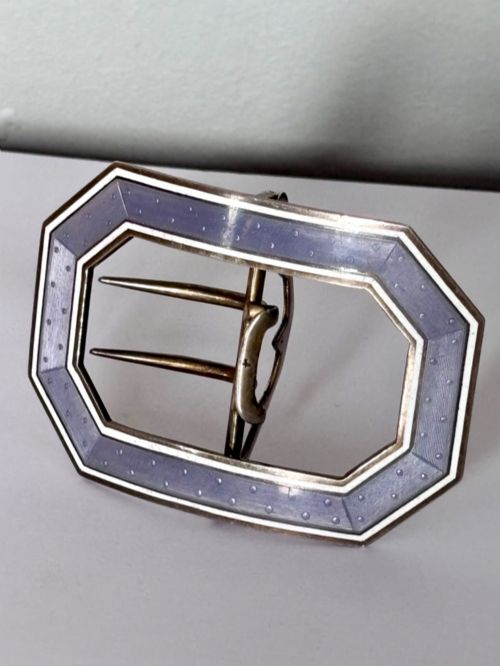
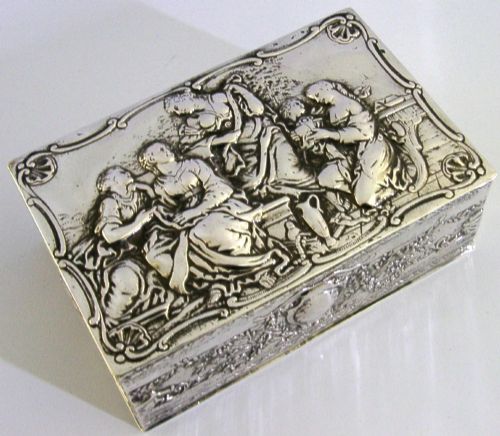
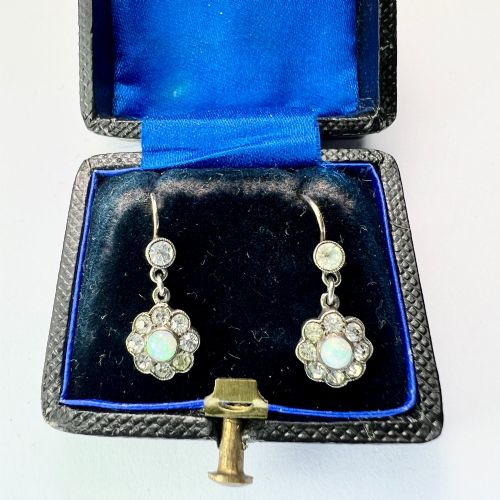
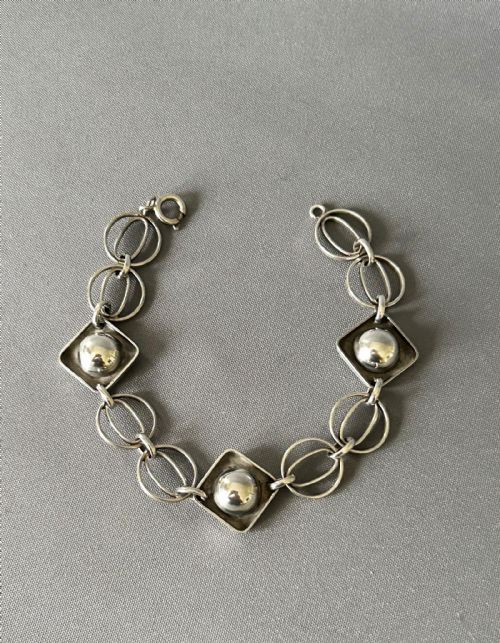
German silver jewellery encompasses a range of wearable items and tabletop pieces, including bracelets, pendants, brooches, necklaces, earrings, and trinket boxes. When exploring German silver jewellery, buyers frequently encounter works spanning from the nineteenth century through the Edwardian period into the 1930s and 1960s.
The objects take diverse forms, from panel link bracelets and dress clips to large table boxes and lockets. Art Nouveau and Jugendstil creations sit alongside Art Deco and Mid-Century Modernist pieces.
How German silver jewellery was made
Pieces combine solid silver and silver gilt with enamel work, including translucent plique-a-jour techniques. Gemstones, paste diamonds, pearls, galalith, chrome, and cut glass frequently accent the metal framework.
Construction methods range from cast and hinged metalwork for boxes and heavy cigarette cases to delicate wirework and settings for pendants and brooches.
German Silver Jewellery Retail Price Guide 2026
Typical asking prices for german silver jewellery among the pieces listed under this phrase on Sellingantiques today, from the lower quarter to the upper quarter. They describe what is for sale here now, not the wider market.
Flower fairies and snake heads hide among the enamel wings of butterflies in the early twentieth-century pendants.
What varies in quality
Quality rests in the precision of the enamel work, particularly the clarity and translucency of plique-a-jour sections within silver gilt settings. The complexity of the structural metalwork, such as intricate brickwork links or detailed figural motifs, also dictates the standard of the piece.
The selection of complementary stones and materials, from genuine pearls and opals to paste and galalith, influences the overall execution of each design.
Jakob Bengel·Levinger and Bissinger·Theodor Fahrner·Meyle and Mayer·Wilhelm Fuhner
The German Silver Jewellery Glossary
- Plique-a-jour
- An enamelling technique where enamel is applied in cells without a backing, allowing light to shine through the transparent material much like stained glass. This method appears frequently in Jugendstil and Art Nouveau pendants and brooches.
- Silver gilt
- Silver that has been coated with a thin layer of gold on its surface. Many Art Nouveau pieces utilise this finish to warm the appearance of the metal.
- Jugendstil
- The German manifestation of the Art Nouveau movement, prominent around nineteen hundred. It is characterised by organic lines and stylised floral motifs.
- Galalith
- A synthetic plastic material derived from casein, often utilised in Art Deco designs during the nineteen thirties. It provides bright colour blocks in modernist bracelets and necklaces.
- Dress clip
- An ornament featuring a hinged dual-prong clip on the reverse, designed to attach to clothing lapels or necklines. These items are typical of Art Deco metalwork.
German Silver Jewellery: Frequently Asked Questions
What periods do these pieces date from?
The selections span from the nineteenth century and Edwardian eras through the nineteen-hundreds, nineteen-tens, and nineteen-thirties, extending into mid-century modernist works.
Design characteristics shift across these decades from floral Art Nouveau and Jugendstil motifs to geometric Art Deco brickwork and modernist chrome.
How do I identify Jugendstil designs?
Jugendstil items showcase organic forms, flowing plant tendrils, and delicate plique-a-jour enamel work framed in silver or silver gilt. They often incorporate pearls or cabochon stones.
These pieces reflect the German Arts and Crafts movement of the early twentieth century, aligning closely with concurrent Art Nouveau aesthetics elsewhere in Europe.
What materials are common in Art Deco pieces?
Art Deco items frequently employ chrome, enamel, and synthetic materials like galalith alongside silver. Geometric panel links and brickwork patterns dominate the construction.
These works favour industrial aesthetics and clean lines over the natural curves found in earlier nineteenth-century and Edwardian examples.
How were trinket boxes used?
Large heavy boxes served as tabletop storage for cigarettes, small valuables, and personal trinkets. They often featured hinged lids and detailed silver or cut glass bodies.
Craftsmen produced these functional items to sit on dressing tables or desks during the early twentieth century.