




German Porcelain Centerpiece
A german porcelain centerpiece brings dramatic architectural scale and modelled figures to a dining table.
German Porcelain Centerpiece
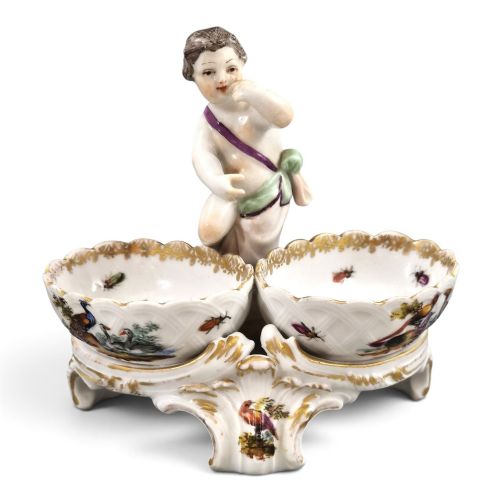
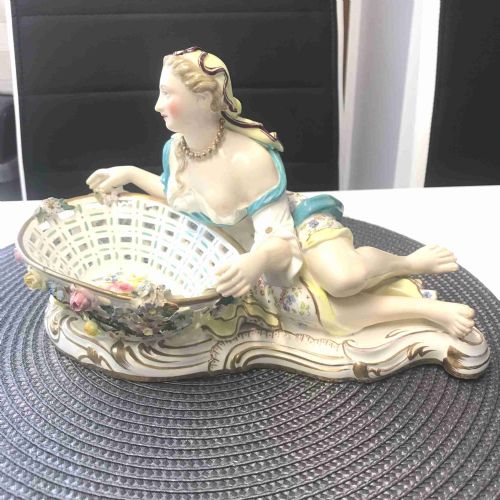
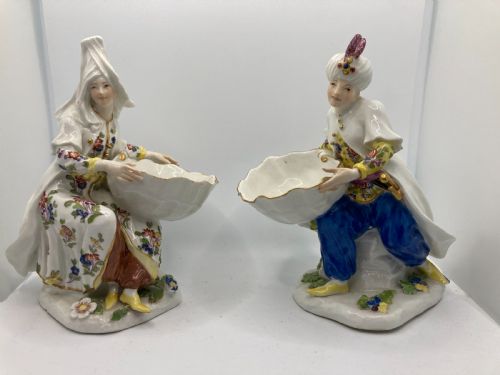
A german porcelain centerpiece is a grand table ornament designed to command attention, taking the form of large bowls, comports, and elaborate figural groups. Buyers searching for a german porcelain centerpiece encounter elaborate tiered compositions involving putti, floral encrustations, and mythological scenes.
The objects span from eighteenth-century table salts and sweetmeat baskets to substantial Edwardian and twentieth-century showpieces. Production centres across Thuringia, Saxony, and Berlin generated distinctive regional interpretations ranging from modest figural pairs to monumental musical putti arrangements.
Assessing quality and craftsmanship
The distinction between standard table wares and masterworks rests in the crispness of the modelling and the density of hand-modelled ornamentation. Pieces featuring deeply undercut figures, finely individualised facial expressions, and meticulously formed individual flower petals represent the highest tier of production.
Quality also manifests in the harmony of the hand-painting and the restraint or lavishness of the gilding. Superior works maintain structural balance despite intricate openwork baskets and multiple candelabra arms, whereas lesser examples rely on heavy, flat mouldings.
The current selection spans multiple manufacturing centres across Germany, including Thuringia, Saxony, and Berlin, covering production dates from the mid-eighteenth century to the early twentieth century.
KPM Berlin·Meissen·Volkstedt·Schierholz·Scheibe Alsbach·Sitzendorf·Carl Thieme Dresden
The German Porcelain Centerpiece Glossary
- Hard-paste porcelain
- A dense, vitrified ceramic composed of kaolin and petuntse, fired at exceptionally high temperatures. It provides the durable, bright white foundation typical of fine European works.
- Sweetmeat dish
- A small decorative vessel designed for holding confectioneries, nuts, or dried fruits during formal dining. These dishes often appear supported by figural bases or incorporated into larger arrangements.
- Putto
- A representation of a chubby, naked male child, frequently winged and modelled after classical art. They populate many figural groups playing instruments, holding baskets, or frolicking among flowers.
- Gilding
- The application of gold leaf or powdered gold suspended in a medium to ceramic surfaces. This finish is subsequently fired and burnished to create a lustrous metallic accent.
- Comport
- A raised dish or bowl mounted on a pedestal, used for serving fruit or displaying decorative objects. They serve as the central architectural anchor of formal table settings.
German Porcelain Centerpiece: Frequently Asked Questions
How were these centerpieces originally used?
These large ornamental pieces occupied the middle of formal dining tables during the eighteenth and nineteenth centuries, often accompanied by matching side pieces and sweetmeat dishes.
They functioned primarily as impressive displays of wealth and taste rather than serving vessels, frequently holding seasonal fruits, sweetmeats, or decorative floral arrangements.
How do I distinguish eighteenth-century pieces from later revivals?
Eighteenth-century examples typically display softer paste qualities, subtler hand-mixed enamel palettes, and lighter, more organic Rococo forms influenced by contemporary sculpture.
Nineteenth-century revival pieces, particularly those from the Victorian and Edwardian periods, often feature heavier hard-paste bodies, brighter synthetic colours, and more symmetrical or densely crowded compositions.
What is the best way to display a large centerpiece?
A substantial centerpiece requires a stable, standalone surface such as a large dining table, a heavy sideboard, or a dedicated display cabinet with adequate vertical clearance.
Because many examples incorporate delicate applied flowers and extended candelabra arms, placement should avoid high-traffic walkways where accidental contact might occur.
Are candelabra attachments functional?
Many figural centrepieces incorporate functional candle sockets alongside their central bowls or baskets, designed to hold wax tapers for evening dining.
When lighting candles in antique porcelain, care must be taken to prevent wax from dripping onto the glazed or gilt surfaces, which can be difficult to clean safely.