




German Jugendstil Silver Plate
German Jugendstil silver plate brings the fluid, organic lines of the continental Art Nouveau movement straight to the dining table.
German Jugendstil Silver Plate
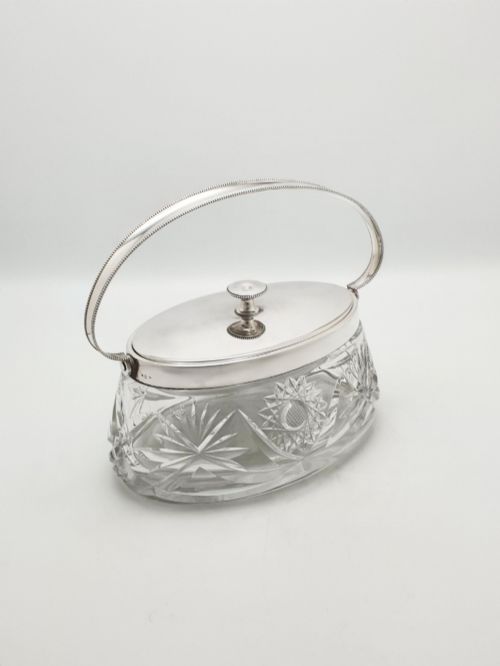
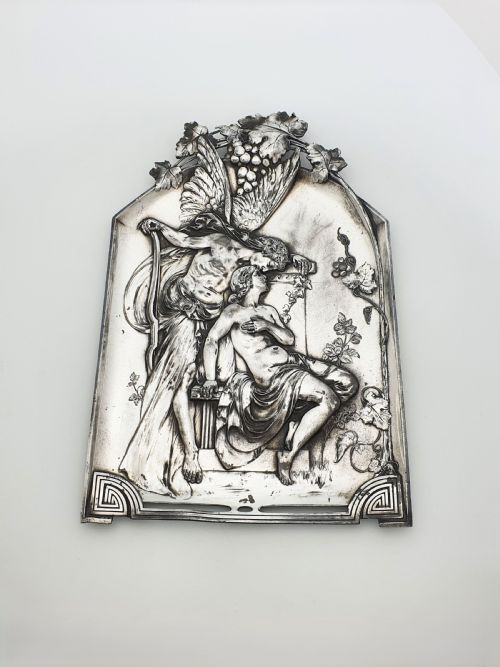
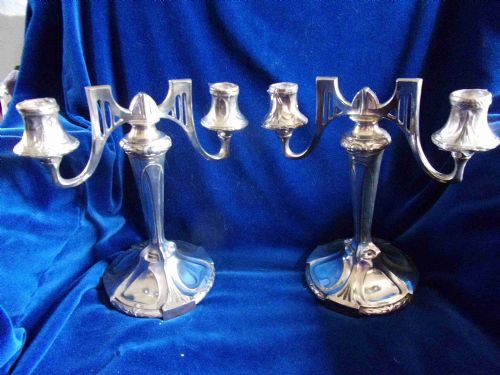
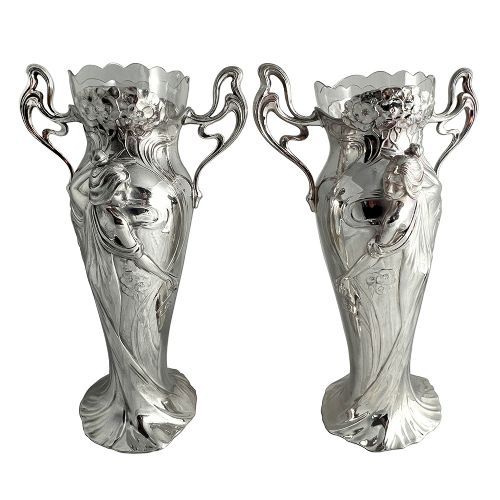
When you search for german jugendstil silver plate, you encounter items designed during the late nineteenth and early twentieth centuries, spanning periods from the eighteen-nineties through the nineteen-twenties. The selection centres on decorative and functional domestic objects such as vases, candelabra, centrepieces, biscuit barrels, mantel clocks, and wall plaques.
Most examples originate from the period around nineteen hundred, capturing the peak of the Jugendstil aesthetic in Germany. These works often merge metalwork with glass or incorporate figural motifs like maidens into everyday tableware.
How they were made
The construction of these pieces relies heavily on base metal or Britannia metal coated with a layer of silver plate or finished as silvered pewter. Artisans frequently combined this metalwork with cut glass or green glass, utilising original liners for items such as hors d'oeuvres dishes and biscuit boxes.
The manufacture employed specialised casting and plating techniques to achieve the characteristic fluid contours and detailed figural ornamentation associated with the movement.
Figural designs frequently incorporate maiden motifs into vases, decanters, and candelabra alongside practical items like cake slices and coffee spoons.
What varies in quality
Quality in these items is determined by the crispness of the casting and the preservation of the original surface finish, whether silver plate or silvered pewter. Pieces that retain their original cut glass or green glass liners command greater interest.
The sophistication of the design, particularly in figural elements such as maiden candelabra or decanters, distinguishes standard production items from more ambitious workshop creations.
WMF Germany
The German Jugendstil Silver Plate Glossary
- Jugendstil
- The German counterpart to the Art Nouveau movement, named after the Munich art magazine Die Jugend. It is characterised by sinuous, plant-derived lines and dynamic asymmetry.
- Silver Plate
- A base metal substrate coated with a thin layer of silver through electroplating or older immersion methods. This technique allowed intricate decorative forms to be produced more affordably than solid silver.
- Britannia Metal
- A specific type of pewter alloy composed primarily of tin, antimony, and copper. It provides a bright, durable surface that takes plating well.
- Silvered Pewter
- Pewter treated with a silver coating or surface finish to emulate solid silver. It is frequently seen on figural candlesticks and vases from this era.
- Tazza
- An elevated cup or shallow bowl resting on a pedestal foot. These objects were typically used for serving fruit or confections.
German Jugendstil Silver Plate: Frequently Asked Questions
How do I clean german jugendstil silver plate?
Clean these items gently using warm water and a mild, non-abrasive soap, avoiding harsh dips that can strip the plating.
Dry them thoroughly with a soft cloth to protect the metal and any integrated glass components.
Are original glass inserts important?
Original glass liners and inserts contribute significantly to the completeness and desirability of items like biscuit boxes and hors d'oeuvres dishes.
Finding pieces that retain their matched green or cut glass elements ensures the object remains in its intended configuration.
What is the difference between silver plate and silvered pewter?
Silver plate typically involves applying a silver coating over a base metal or Britannia metal core, while silvered pewter uses a tin alloy base treated to look like silver.
Both materials were standard during the period to achieve complex Jugendstil forms without the weight and cost of solid silver.
How can I tell the date of a piece?
Dating relies on stylistic markers of the Jugendstil and Art Nouveau movements, which peaked around nineteen hundred. Surviving hallmarks or stamped workshop marks also help narrow the production era between the eighteen-nineties and the nineteen-twenties.