


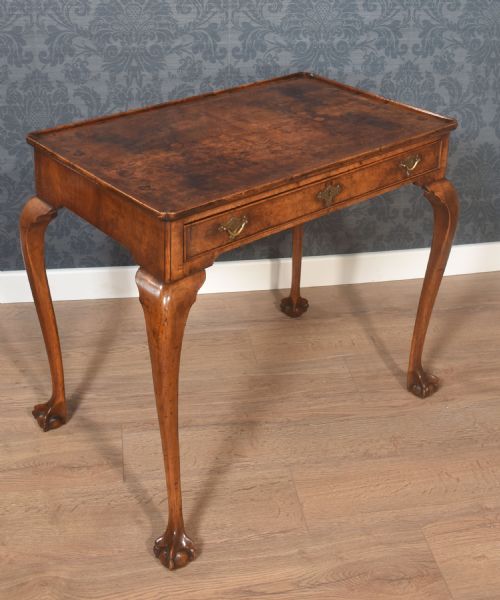


Antique Silver Side Dish
These antique silver side dish pieces are table silver and serving vessels designed to hold food, bringing period craftsmanship directly to your dining room.
Antique Silver Side Dish
When you search for an antique silver side dish, you encounter a selection of serveware, chargers, wall plates, soup tureens, and serving dishes spanning the Georgian, Victorian, and Edwardian periods. The inventory includes silver plated entree dishes, asparagus dishes, floral chargers, and hors d'oeuvres dishes alongside silver tables intended for display or service.
The material range extends beyond solid silver to embrace silver plate, EPNS, brass, metal, copper, mahogany, figured walnut, boxwood, and solid silver gilt. Styles traverse Georgian, George II, George III, Irish Georgian, Regency, Victorian, Edwardian, and Jugendstil designs, showing a variety of forms produced across different centuries.
How they were made
Many of these items utilise silver plating techniques or electroplated nickel silver applied over base metals, while others take the form of solid silver gilt with engraved coats of arms. Serveware pieces frequently incorporate fitted glass liners or heavy metal covers designed for functional dining use.
The furniture pieces associated with this category utilise timber construction methods, featuring carved mahogany, figured walnut, and boxwood details. These tables and serving vessels demonstrate period cabinetmaking and metalworking traditions ranging from German Jugendstil workshops to English and Irish makers.
The inventory combines serving dishes in silver plate and metal with wooden silver tables in mahogany and figured walnut.
What varies in quality
The standard of an antique silver side dish depends on the crispness of its floral or chased decoration and the integrity of its plating or solid metal construction. Pieces retaining original glass liners or matching covers demonstrate higher degrees of completeness.
Furniture examples gain distinction through the quality of timber figure, such as figured walnut and carved mahogany, alongside the depth of period hand-carving. The distinction between standard production and top-tier items rests in the precision of execution and the survival of original components.
The Antique Silver Side Dish Glossary
- Silver plate
- A thin layer of silver fused or deposited onto a base metal such as copper or brass. This technique allowed makers to produce domestic items that had the appearance of solid silver at a lower cost.
- EPNS
- Electroplated nickel silver, a common base metal alloy coated with silver through an electrolytic process. It became widely utilised for tableware and serveware during the nineteenth and twentieth centuries.
- Charger
- A large decorative plate or dish placed underneath other courses or utilised for presentation purposes. In period dining, these items were often wrought in metal with engraved armorial bearings.
- Silver table
- A specific form of occasional table originating in the seventeenth and eighteenth centuries, designed to hold tea service equipment or silver display pieces. Irish examples in mahogany frequently feature distinct carved ornament.
- Jugendstil
- The German manifestation of the Art Nouveau movement, prominent around nineteen-ten. It is characterised by stylised organic motifs and flowing linear forms seen in decorative metalwork.
Antique Silver Side Dish: Frequently Asked Questions
What is an antique silver side dish used for?
These pieces served to present food, asparagus, entrees, or hors d'oeuvres at formal dining tables during the eighteenth, nineteenth, and early twentieth centuries.
Today, collectors utilise them as functional serveware or decorative display items within a traditional or modern interior setting.
How do I identify a Georgian piece?
Georgian items typically display the stylistic characteristics associated with the reigns of the Georges, spanning the eighteenth and early nineteenth centuries. Look for classical proportions, period hand-chasing, and regional variations such as Irish mahogany construction.
Matching the materials and stylistic motifs against documented examples helps confirm the period of manufacture.
What is the difference between solid silver and silver plate?
Solid silver items are composed throughout of precious metal, whereas silver plated pieces feature a thin coating of silver over a base metal foundation. Electroplated nickel silver acts as a common alternative substrate in later nineteenth and twentieth century production.
Examination of the metal composition reveals which technique the maker utilised.
How do I care for silver plated serveware?
Maintain silver plated dishes by cleaning them with appropriate non-abrasive silver cleaning products designed to preserve the plated surface. Avoid harsh scrubbing that might wear through the thin silver layer to the base metal underneath.
Store items in dry conditions to prevent tarnishing and protect any accompanying glass liners from damage.