



Edwardian Silver Plated Server
These pieces for an edwardian silver plated server bring formal dining from the early twentieth century directly to the modern table.
Edwardian Silver Plated Server
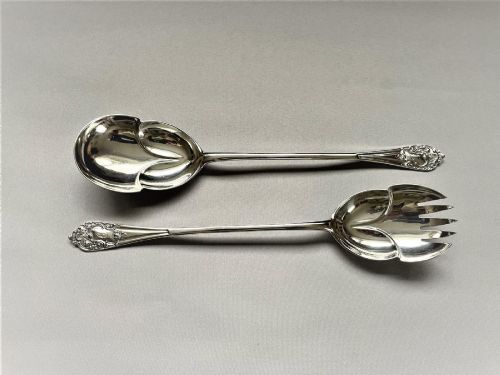
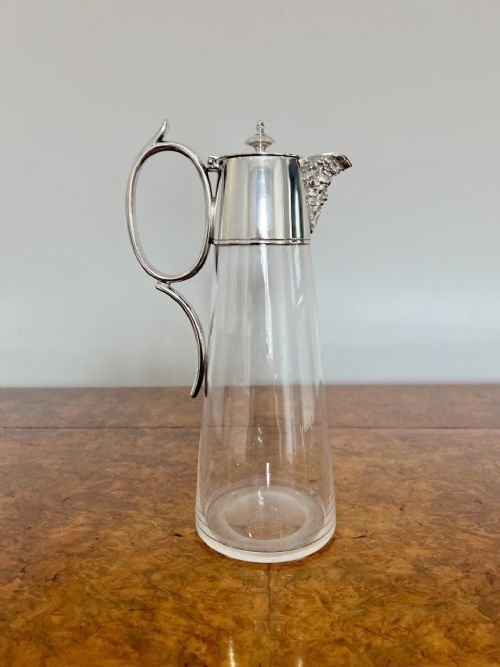
An edwardian silver plated server encompasses a wide variety of dining table accessories, including fish servers, asparagus tongs, and claret jugs designed for formal presentation. The versions most commonly encountered on this page date from the Edwardian period and the surrounding decades of the late nineteenth and early twentieth centuries.
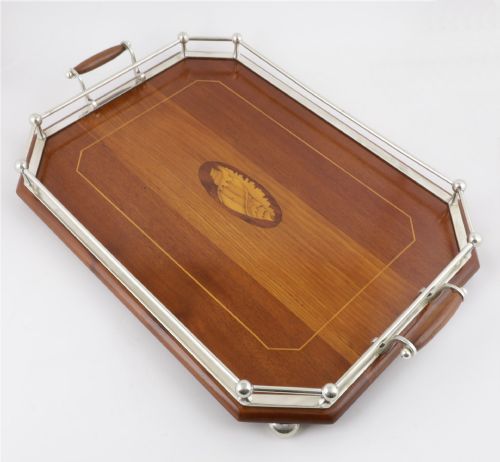
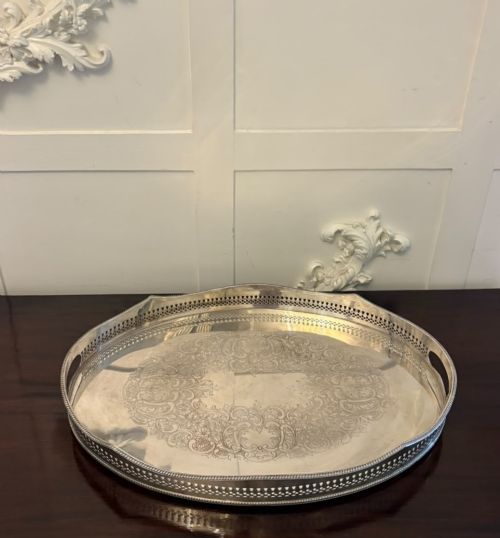
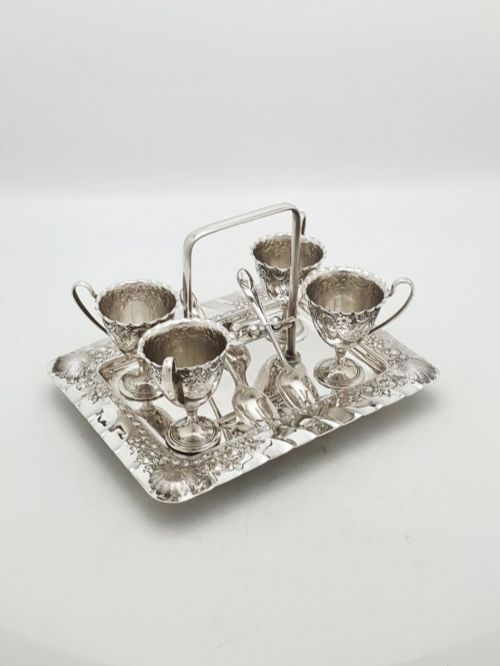
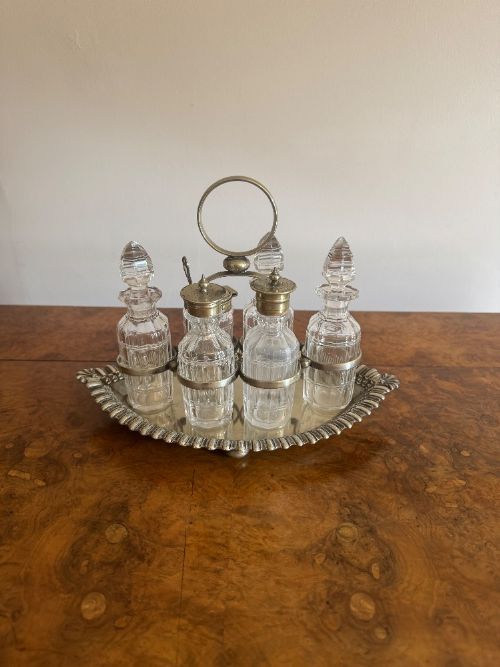
The forms span from large gallery trays and entrée dishes to specialist pieces like egg cruet sets, food warmers, and Stilton scoops. These items reflect the elaborate hospitality and specific culinary courses of middle and upper class dining households of the era.
How They Were Made
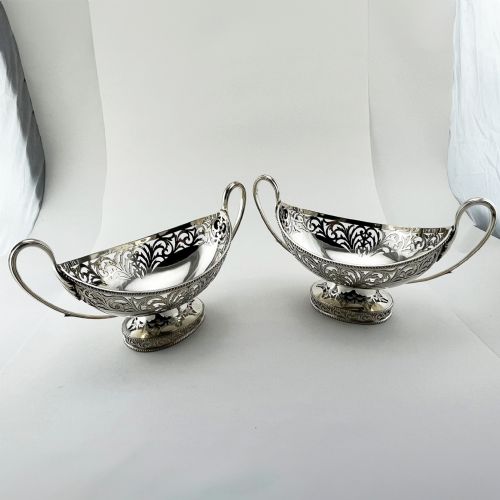
Manufacturers utilised electroplated nickel silver as the primary base metal, applying a layer of silver over a durable alloy core. This technique allowed workshops to produce complex forms at a fraction of the cost of solid silver.
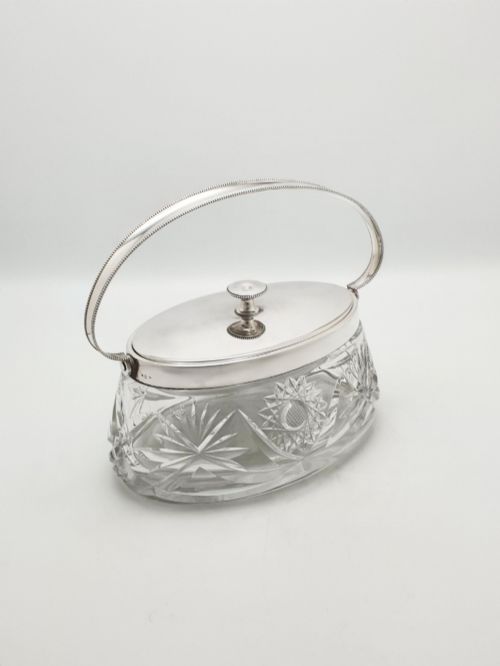
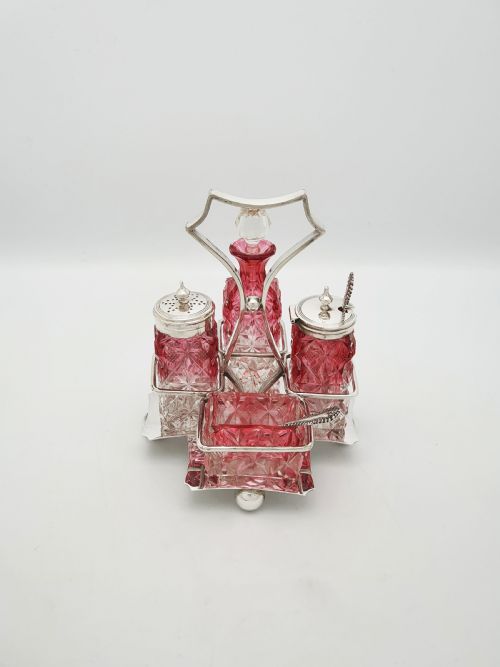
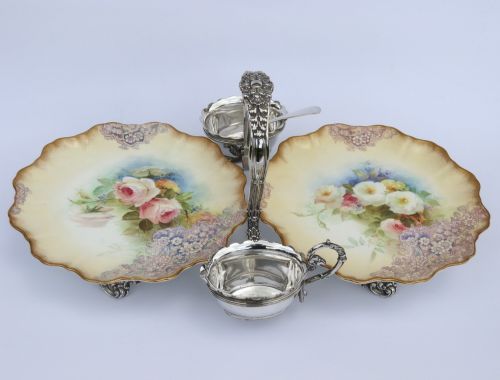
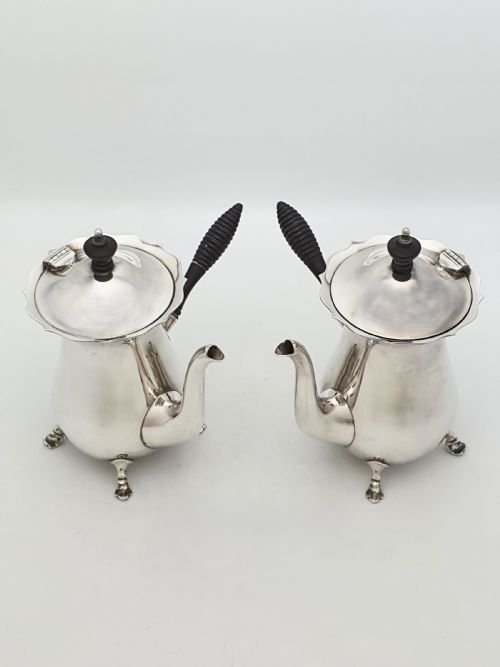
Many items incorporate cut glass, cranberry glass, or ceramic liners housed within pierced or embossed metal mounts. Handles were frequently fashioned from alternative materials such as polished wood, antler, or detailed metalwork.
Listings feature items spanning from the eighteen-sixties through the nineteen-twenties, combining silver plate, cut glass, and ceramic elements.
What Varies in Quality
The standard of an edwardian silver plated server depends heavily upon the crispness of the chasing, embossing, and engraved detail on the metal surfaces. Pieces featuring substantial gauge base metal hold their plating and structural integrity far longer under handling and cleaning.
The integration of secondary materials like original cut glass inserts, fitted wooden bases, or matching companion utensils elevates the standing of an object. Maker attribution also plays a role, with established firms employing heavier gauge mounts and superior finishing techniques.
Mappin and Webb·Walker and Hall·Thomas Bradbury·F Cobb·Waring and Gillows·Doulton Burslem
The Edwardian Silver Plated Server Glossary
- Electroplated nickel silver
- A base alloy of copper, nickel, and zinc coated with a thin layer of pure silver through an electrolytic process. This method became the dominant manufacturing technique for domestic tableware during the Victorian and Edwardian eras.
- Entrée dish
- A covered serving vessel used for presenting main courses or side dishes at the dining table. They frequently include detachable handles and fitted warming stands.
- Cruet set
- A matched collection of bottles or containers holding condiments, vinegar, oil, or spices, held within a dedicated metal frame or stand.
- Claret jug
- A pouring vessel designed for wine, typically featuring a blown glass body with an ornate silver plated mount, hinged lid, and handle.
- Stilton scoop
- A specialist utensil featuring a long, curved blade designed for digging into hard cheeses. They often include turned bone, wood, or ivory handles.
Edwardian Silver Plated Server: Frequently Asked Questions
How were these servers used?
These items were deployed during multi-course formal dinners to portion and serve specific foods like fish, asparagus, and desserts.
Hosts relied on dedicated utensils and dishes to maintain presentation standards across each distinct stage of the meal.
How do I clean silver plate?
Maintenance requires gentle washing in warm soapy water followed by thorough drying with a soft cloth to protect the underlying metal.
Harsh abrasive dips or aggressive scrubbing should be avoided to prevent wearing through the thin silver layer down to the base nickel alloy.
Can I use these for daily dining?
Many of these pieces remain fully functional for modern entertaining, though older plating benefits from careful handling and hand washing rather than machine cycles.
Items containing glass liners or delicate wooden components require particular attention during use and storage.
How do I identify Edwardian pieces?
Edwardian items typically display lighter, more restrained decorative motifs compared to the heavier ornamentation of preceding Victorian designs.
Maker marks, registration numbers, and specific stylistic cues such as Art Nouveau influences help narrow down the production timeframe.