






German Brass Clock
A german brass clock brings precise continental engineering and heavy brass dials into a room, offering both reliable timekeeping and period craftsmanship.
German Brass Clock
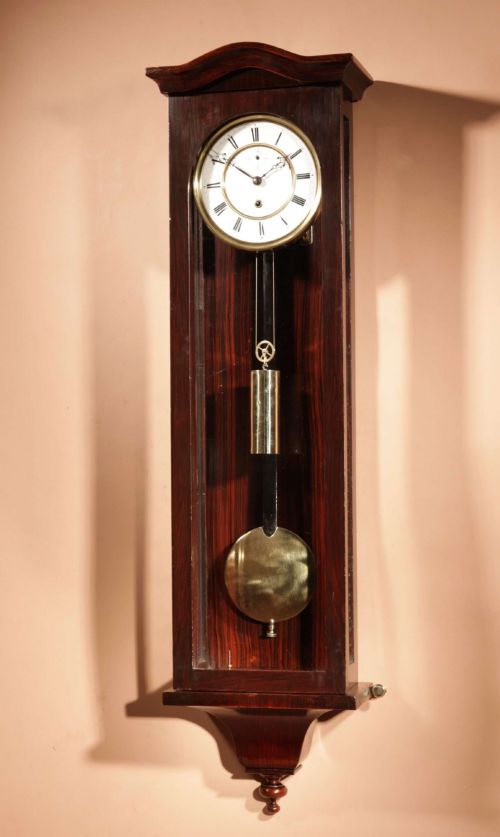
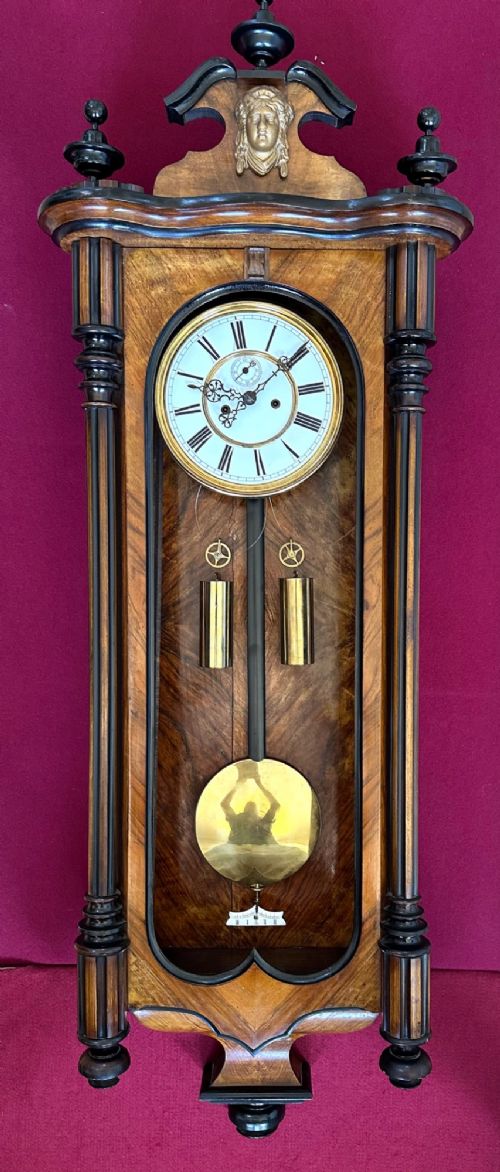
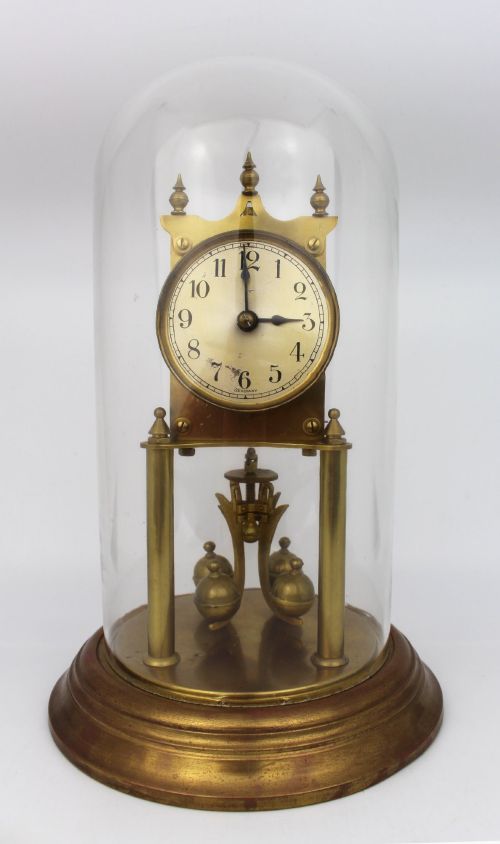
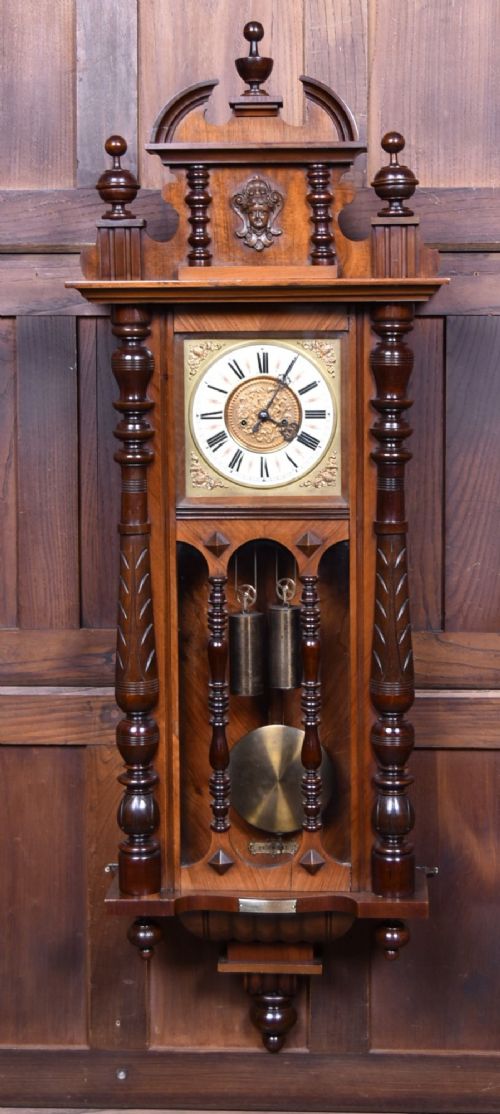
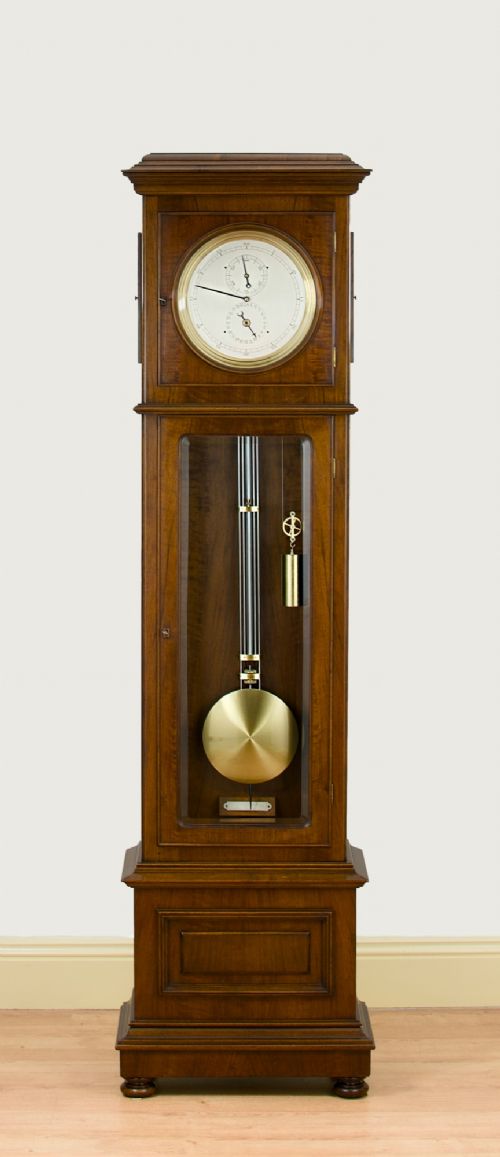
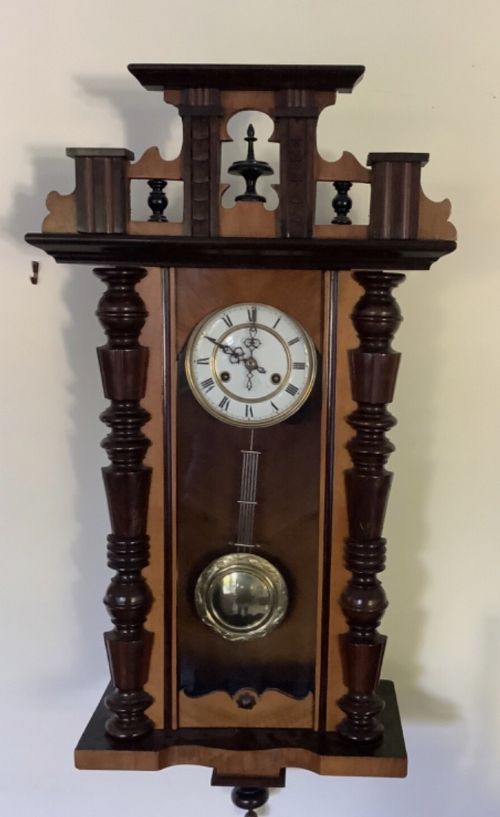
A german brass clock spans domestic forms including wall clocks, mantel clocks, desk clocks, and large longcase examples from the nineteenth and twentieth centuries. Buyers encounter diverse regional expressions, from Black Forest regulators to refined Vienna styles and traditional horology.
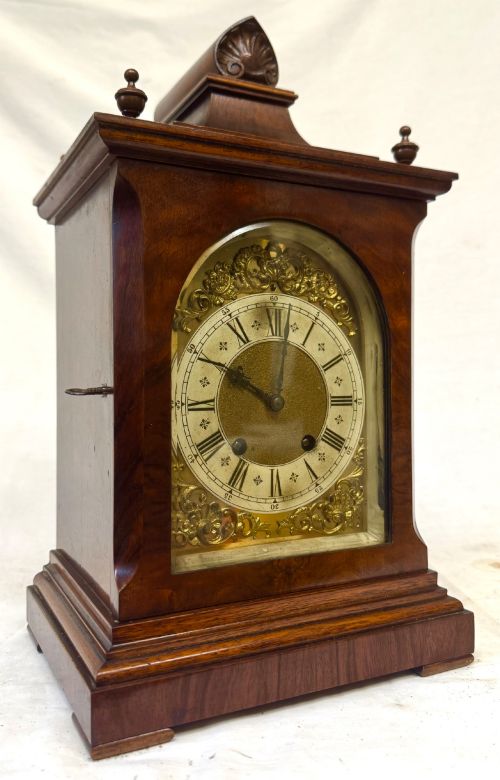
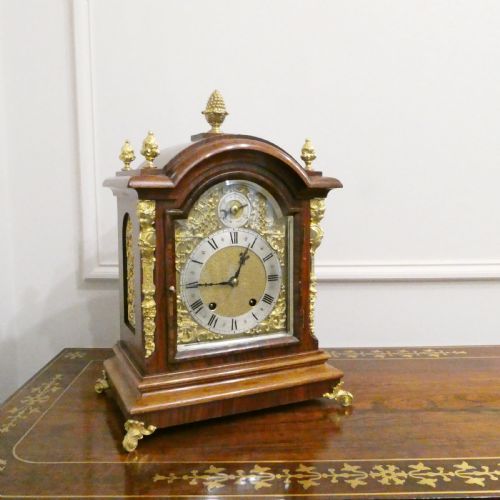
Makers and workshops across Germany applied rigorous standards to movement construction, housing them in timber frames accented with brass bezels, dials, and pendulum bobs. Collectors find everything from modest anniversary clocks to grand musical bracket clocks.
How they were made
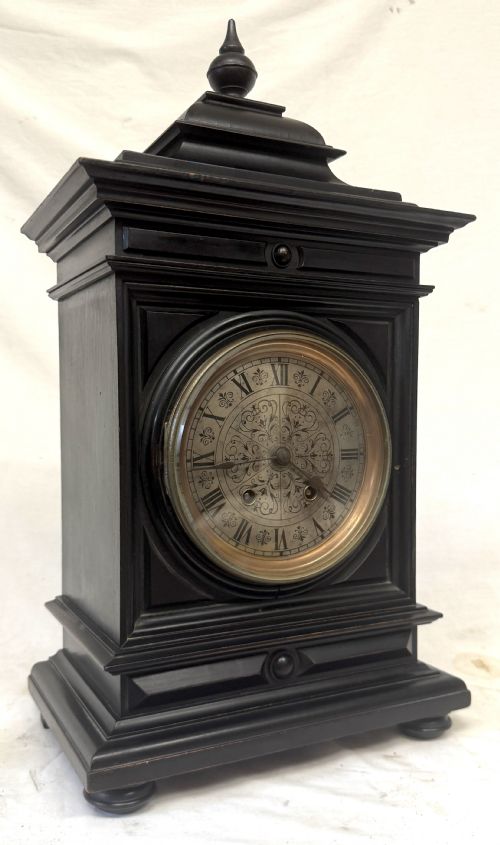
Clockmakers housed mechanical movements inside cases built from walnut, mahogany, oak, and ebonised wood, often incorporating glass panels to display the pendulum and gears. Brass formed the core of the dials, bezels, and intricate backplates, while ormolu provided decorative gilt accents.
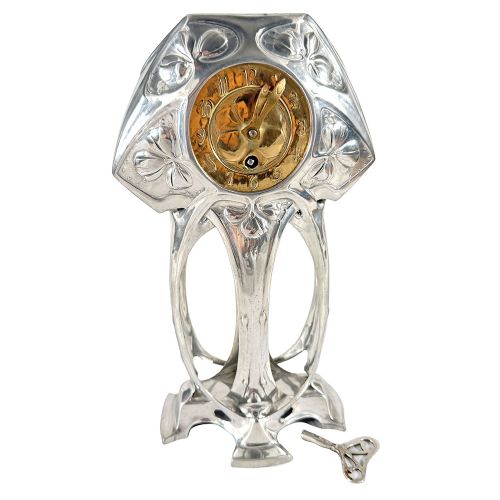
Dials combined brass chapter rings with enamel numerals or silvered surfaces, paired with finely pierced hands. Cases featured hand-carved wooden details, polished wood veneers, and pewter mounts, particularly in pieces styled during the Art Nouveau period.
What varies in quality
Quality rests in the precision of the movement and the integrity of the cabinet work, distinguishing mass production from workshop output by named makers. Finer examples display crisp casting on brass components, substantial timber selection, and complex striking trains.
The degree of preservation in the enamel dials, silvered chapters, and original wood finish dictates the standing of an individual piece. Superior craftsmanship shows in the smooth operation of multi-train movements and the refined balance of architectural case proportions.
Lenzkirch·Winterhalder & Hofmeier·Gustav Becker·Schneckenburger·Philipp Haas·Junghans·Kienzle·Schatz
The German Brass Clock Glossary
- Regulator
- A precision pendulum clock designed for high accuracy and typically housed in a tall wall case. These movements often feature a gridiron pendulum to compensate for temperature changes.
- Ting Tang
- A striking mechanism that sounds two different notes on the quarters, typically utilising two hammers and two gongs. This system provides a distinctive chime without a full hour melody.
- Anniversary clock
- A torsion pendulum timekeeper designed to run for a year on a single winding, often protected beneath a glass dome. It relies on a slowly rotating suspension spring rather than a traditional anchor escapement.
- Vienna Regulator
- A weight-driven wall clock style originating in Austria and widely adopted by German makers. They are known for long wooden cases and exceptionally clear, high-grade movements.
German Brass Clock: Frequently Asked Questions
How do I wind a mechanical german brass clock?
Use the designated key on the winding arbors in the dial face, turning gently until resistance meets the spring or weight. Avoid over-winding to protect the internal brass gears.
Ensure the clock hangs level or sits steady on a flat surface to keep the pendulum beating in even intervals. Regular attention keeps the mechanical train operating smoothly.
What is a ting tang striking movement?
A ting tang mechanism strikes two notes on the quarter hours before the main hour strike sounds. It uses a dual hammer setup acting on gongs or bells.
This system was common in nineteenth-century bracket and mantel clocks produced by German workshops. It offers an audible marker of time without playing full tunes.
Where were these clocks originally placed?
Wall clocks and regulators hung in prominent reception rooms or hallways where visitors could hear the chime. Smaller mantel and desk versions rested on living room surfaces.
Grandfather clocks stood in entrance halls to serve households as the primary timekeeper. Their placement depended on the need for daily or weekly winding access.
How do I identify an Art Nouveau german brass clock?
Art Nouveau examples display flowing organic lines, stylised floral motifs, and pewter or brass mounts rather than strict geometric symmetry. These designs emerged around nineteen hundred.
Look for distinctive cabinet woodwork paired with contrasting metalwork accents on the dial or frame. Makers like Philipp Haas embraced this decorative vocabulary.