



Georgian X Frame Chair
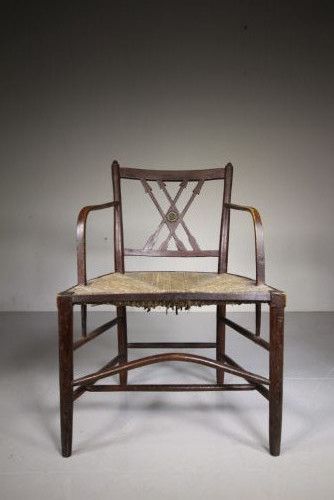
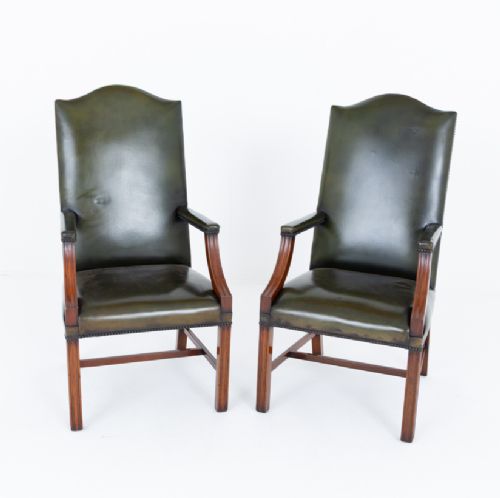
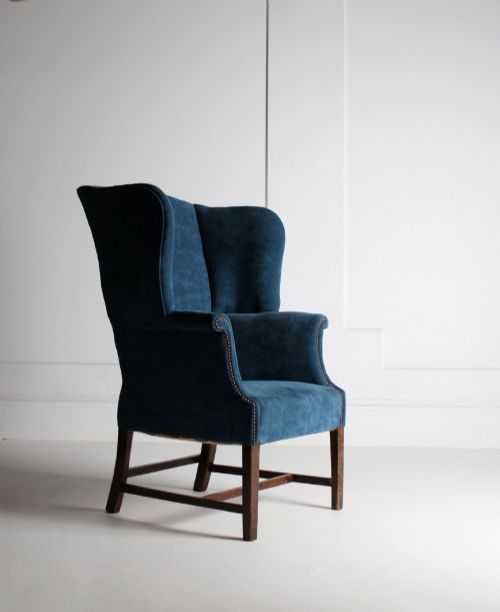
A georgian x frame chair brings architectural form and library seating together, offering substantial armchairs and stools shaped by classic cross-frame geometry.
Georgian X Frame Chair
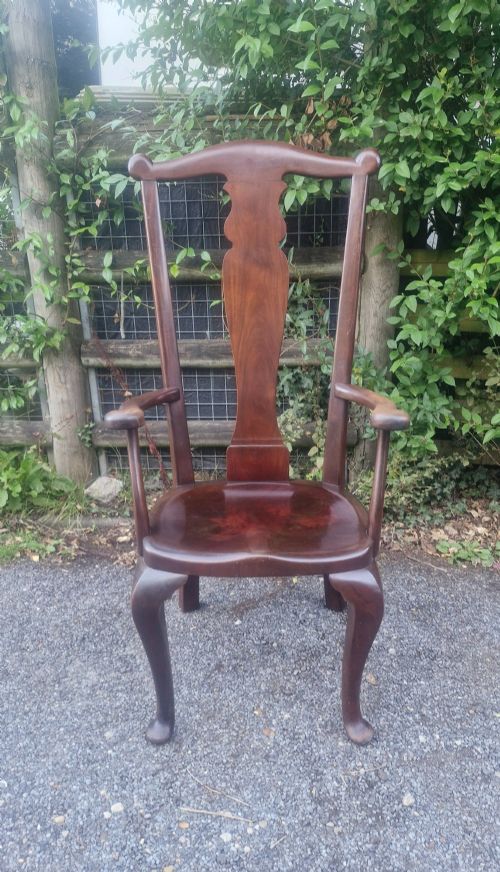
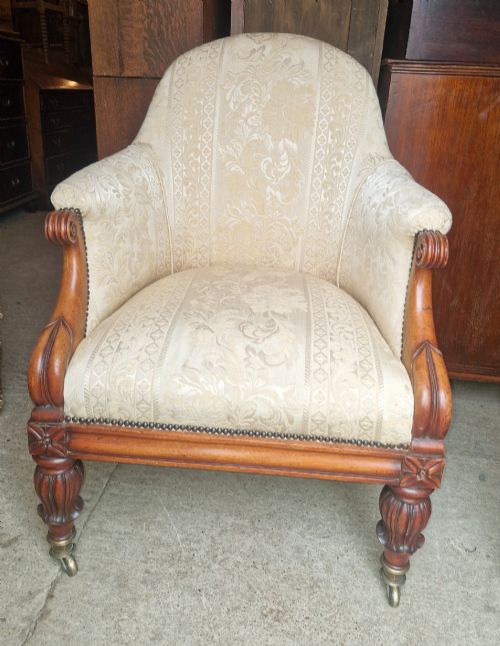
A georgian x frame chair search brings up library chairs, stools, and open armchairs spanning the Georgian, Regency, and later revival periods. Most examples meet buyers as library chairs or stools utilising the distinct cross-frame or curule geometry.
The materials recorded in these listings show timber frames shaped into armchairs, carver chairs, and window seats. Pieces date from the eighteenth century through the nineteenth century and into Edwardian and later revivals.
Materials and Construction
Makers built these frames primarily from mahogany and walnut, occasionally employing elm and ash in country-made pieces. Timber sections were shaped to form the intersecting supports characteristic of the form.
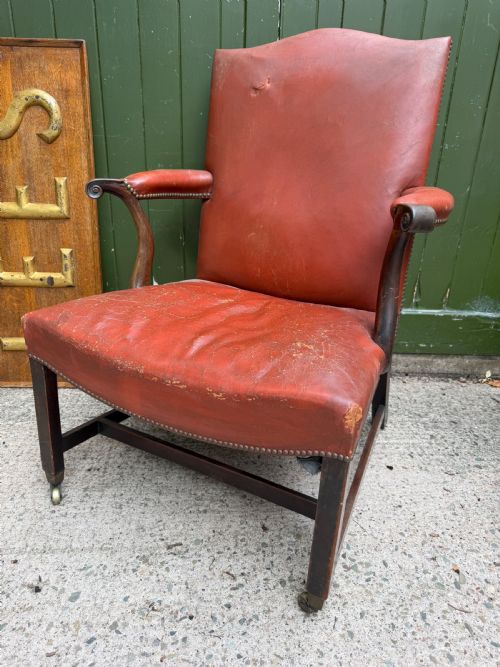
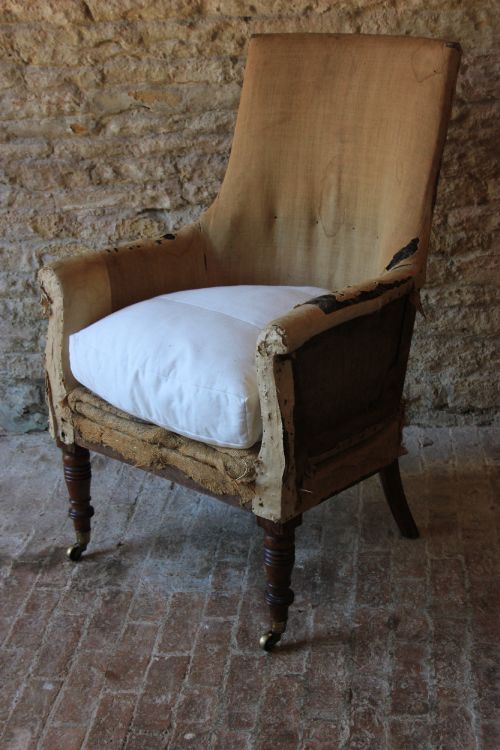
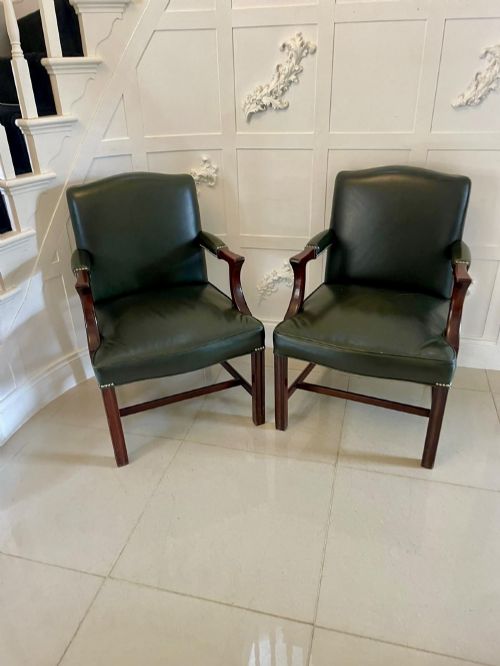
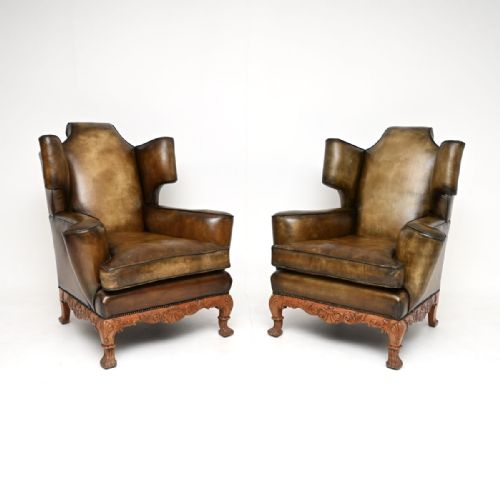
Upholstery materials include leather, velvet, fabric, and hessian, secured over padded seats and backs. Brass details and simulated rosewood finishes appear on select Regency examples.
Among the heavy mahogany and leather, one stray watercolour preserves a three-month-old infant gazing out from the Regency period.
Judging the Workmanship
The distinction between standard examples and finer pieces lies in the crispness of the timber framing and the proportions of the cross-members. Strong joinery at the intersections determines the structural integrity of the frame under weight.
Surface finish and the quality of the upholstery materials separate workshop standards. Original timber patination and traditional stuffing methods elevate the standing of an individual chair or stool.
Gillows
The Georgian X Frame Chair Glossary
- X-frame
- A chair or stool constructed with intersecting diagonal legs forming an X shape from the side elevation. This ancient form provides inherent structural strength.
- Curule
- A classical style of X-framed seating originating from Roman magistrates' chairs. It denotes a curule-form base adapted for library chairs and stools.
- Gainsborough chair
- A wide, upholstered armchair with open padded arms, a square back, and short legs, popular during the eighteenth century. These typically use mahogany frames.
- Bergere
- An enclosed upholstered armchair with wooden framing exposed around the back and sides. Caning or upholstery fills the sides of these comfortable seats.
- Carver chair
- An armchair designed to match a set of dining chairs, usually placed at the head of the table. They share the decorative style of the smaller dining chairs.
Georgian X Frame Chair: Frequently Asked Questions
Where should a library chair go?
These chairs suit studies, libraries, and sitting rooms where their architectural frames can be viewed from multiple angles. They pair well with writing desks and reading tables.
Position them away from direct heat sources to protect the mahogany or walnut frames and the leather or fabric upholstery from drying out.
How do I care for leather upholstery?
Clean leather surfaces gently with a dry or slightly damp cloth to remove dust. Avoid harsh chemical cleaners that strip natural oils.
Apply a suitable leather balsam periodically to maintain suppleness and prevent cracking on nineteenth-century hide.
Are X-frame stools comfortable?
Stools with cross-frames provide sturdy, compact seating often used as footstools or window seats. Their padded tops offer firm support.
Their open frame design keeps rooms feeling spacious while adding a classical decorative element.
How do I spot a revival piece?
Revival pieces often date from the Edwardian era or the 1920s, mimicking earlier Georgian and Regency proportions. Timber density and internal framing methods usually signal the later date.
Examine the secondary woods and screw types used in the construction to confirm whether a piece belongs to the eighteenth century or a later revival.