
Georgian Writing Side Table
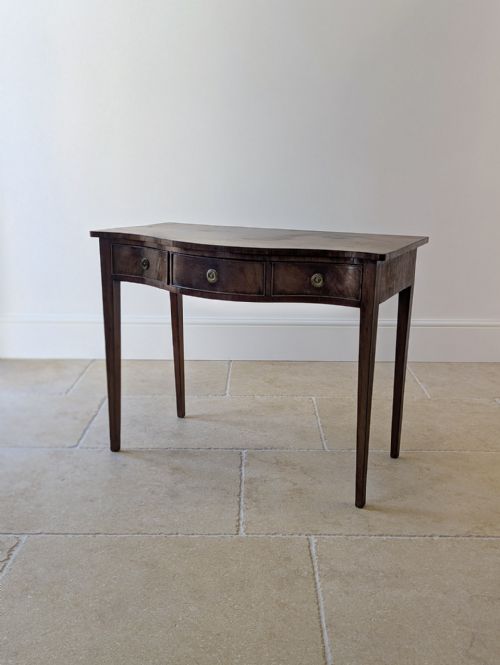
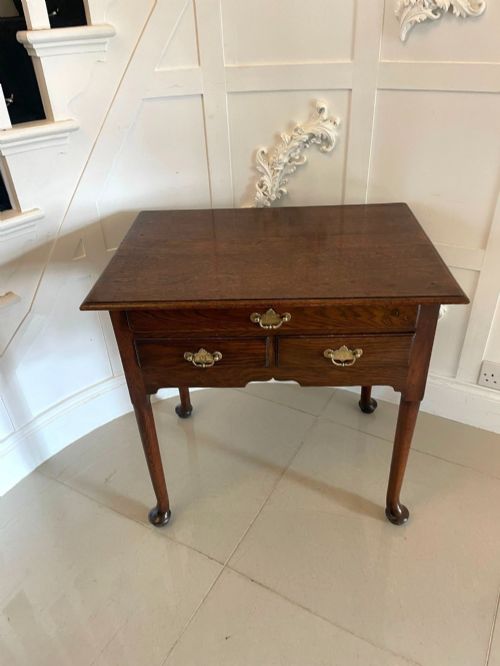
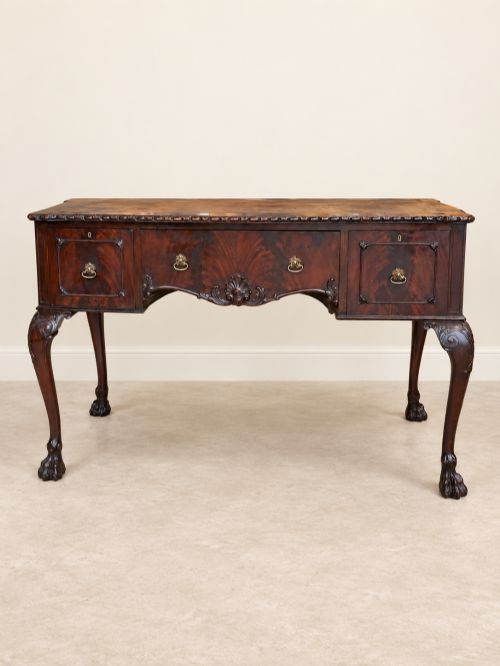
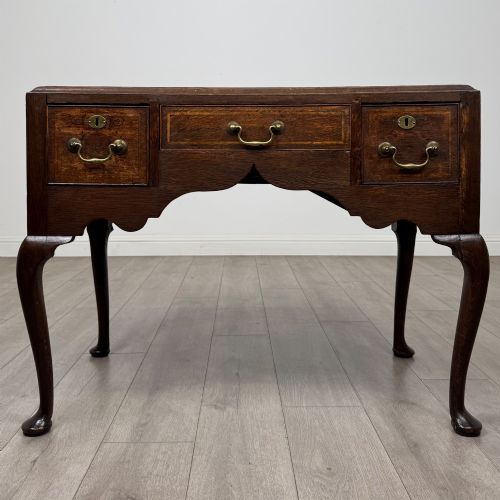
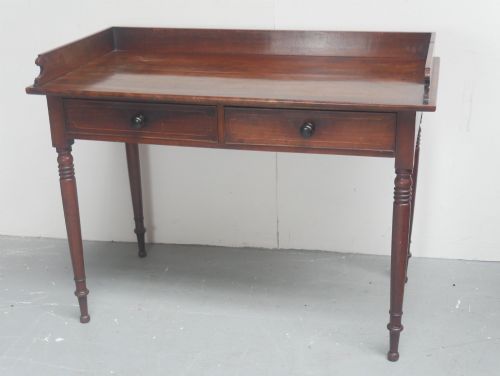
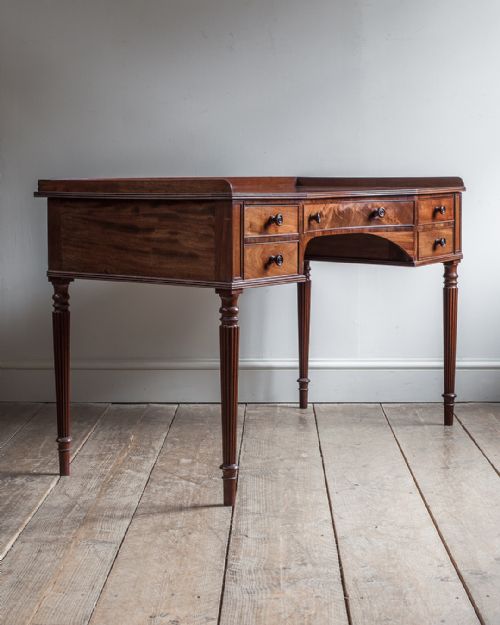
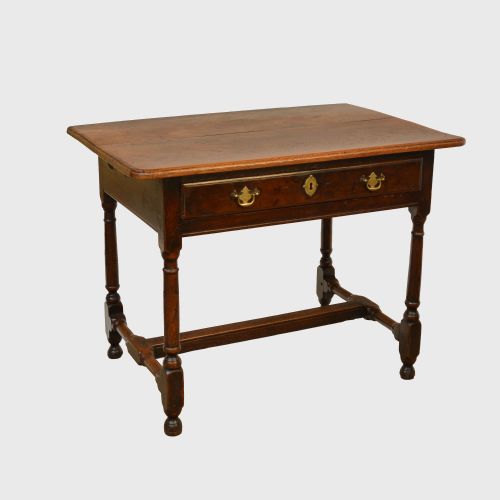
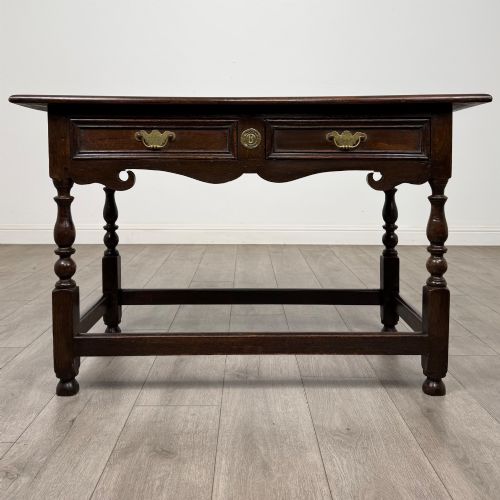
When you search for a georgian writing side table, you are looking at domestic timber furniture built to handle correspondence, personal grooming, and practical surface tasks.
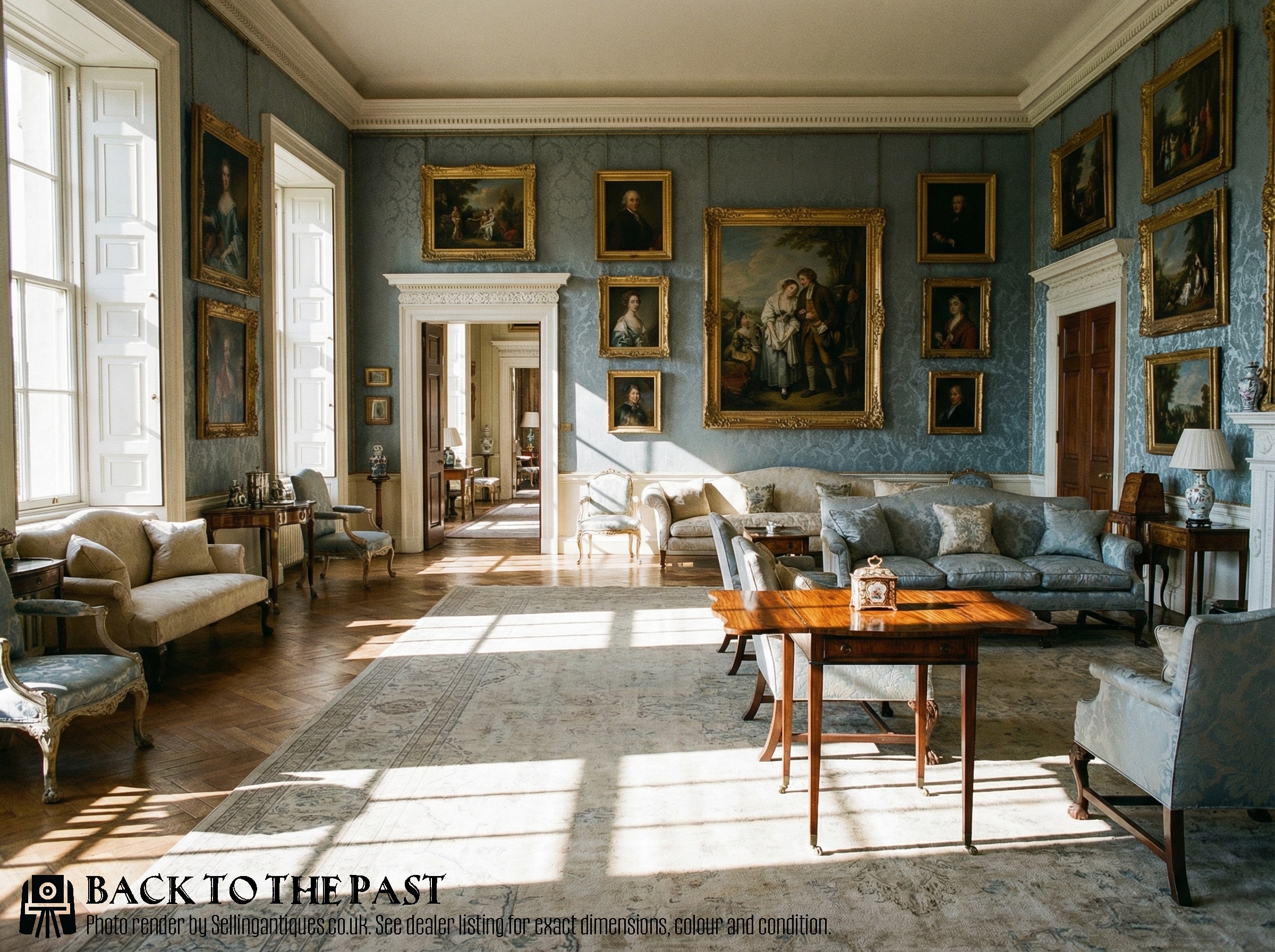
Georgian Writing Side Table
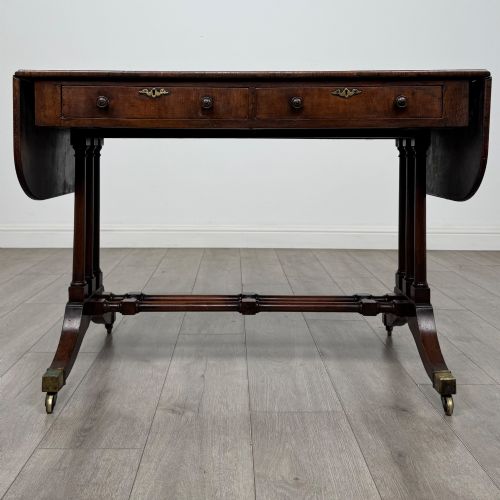
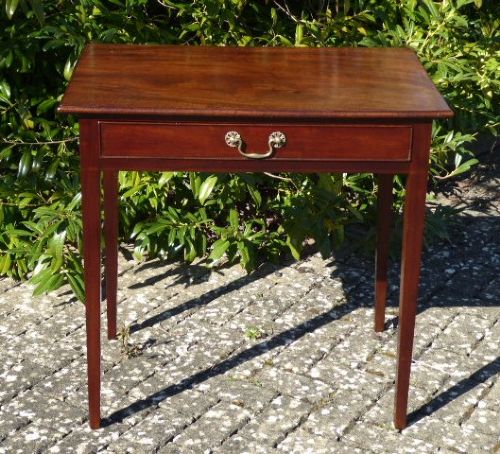
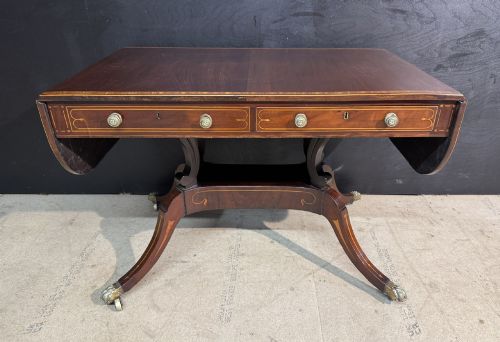
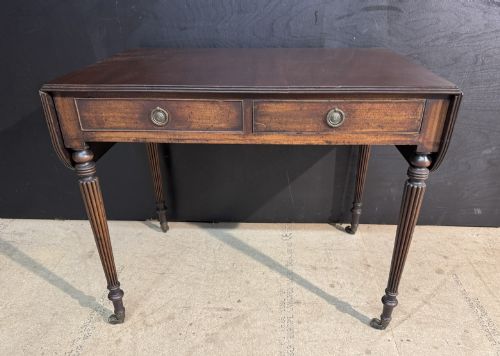
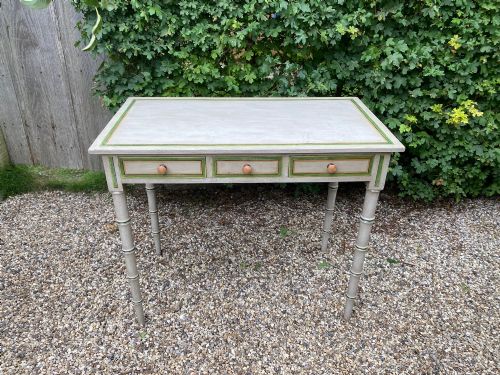
A georgian writing side table serves multiple functions, appearing in archives and current listings as a lowboy, dressing table, sofa table, or compact desk fitted with drawers for papers and small utensils. These versatile items bridge the gap between formal library furniture and informal domestic use around the home.
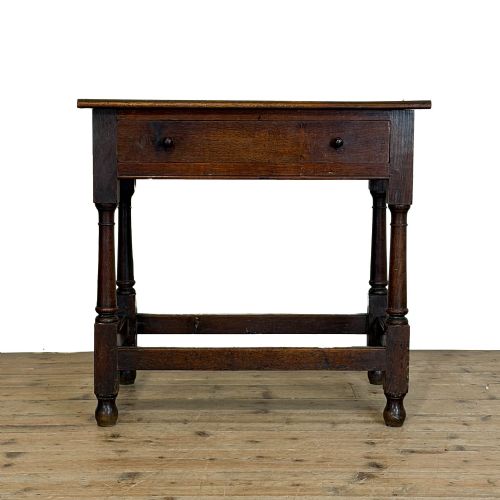
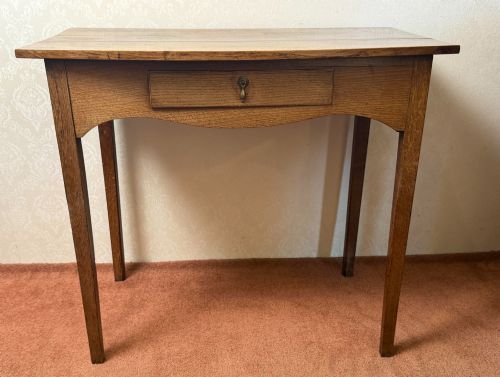
The pieces on this page span the eighteenth and nineteenth centuries, alongside later revivals, displaying regional English provincial workshop traditions as well as finer metropolitan cabinet-making. Oak, mahogany, and walnut forms dominate the selection, often featuring single or multiple fitted drawers beneath a flat top.
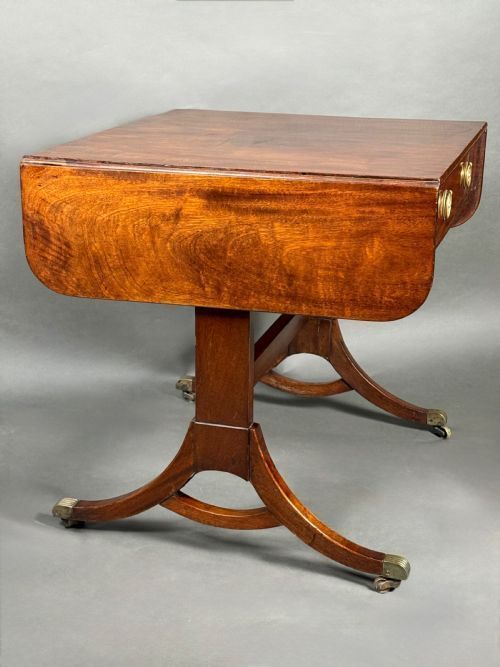
Buyers encounter everything from straightforward country oak lowboys with straightforward lines to elegant flame mahogany and inlaid sofa tables with drop leaves. Each variation reflects the specific domestic requirements of its original period, whether intended for a grand parlour or a modest bedchamber.
How they were made
Cabinet-makers relied heavily on native and imported timbers, selecting sturdy oak and elm for provincial pieces while reserving figured mahogany, burr walnut, and flame mahogany veneers for high-status examples. Secondary woods like pine frequently form the internal drawer linings and carcass backs.
Construction techniques combine traditional hand-cut dovetails for drawer boxes with mortise and tenon frames that give these tables their structural stability. Surfaces are often finished with polished leather writing inserts, marquetry details, or subtle string inlay framing the drawer fronts.
Several tables include hidden compartments inside their small drawers for stashing love letters away from prying eyes.
What varies in quality
The timber selection dictates much of the visual appeal, separating standard boards from striking flame mahogany or figured burr walnut with rich natural grain patterns. Finer pieces demonstrate superior figure matching across drawer fronts and top surfaces.
Joinery execution and hardware choices reveal the maker's hand, from meticulously cut dovetails and smooth drawer runners to original brass drop handles and escutcheons. Subtle proportions, crisp inlay work, and uncompromised secondary woods set the finest workshop output apart from simpler provincial items.
The Georgian Writing Side Table Glossary
- Lowboy
- A small oak or mahogany table with one or more rows of drawers, traditionally used as a dressing table or side table in eighteenth-century rooms. These pieces typically stand on slender cabriole or straight legs.
- Sofa table
- A rectangular occasional table designed to stand in front of a sofa, featuring drop leaves on either side and usually a pair of frieze drawers. They gained popularity during the Regency and late Georgian periods.
- Partners desk
- A large freestanding desk finished on both sides to allow two people to work face-to-face, often featuring pedestals with banks of drawers. They represent the more substantial end of writing furniture.
- Dovetail
- A joint formed by interlocking wedge-shaped fingers, used extensively in drawer construction to ensure durable corners without relying on metal fasteners. Hand-cut variations help date older furniture.
- Marquetry
- The decorative craft of applying small pieces of veneer to a structure to form intricate pictorial or geometric patterns. It appears on select eighteenth-century tables to create ornamental surfaces.
Georgian Writing Side Table: Frequently Asked Questions
What is the difference between a lowboy and a writing table?
A lowboy is a compact table with drawers traditionally used for dressing or side storage, while a writing table is specifically proportioned for sitting and writing correspondence.
In practice, many eighteenth-century pieces served both functions interchangeably depending on the room they occupied.
How do I use a drop leaf sofa table today?
Sofa tables work well behind sofas or as freestanding side consoles against a living room wall with the leaves dropped.
Raising the leaves provides an instant surface for lamps, books, or writing when extra room is needed.
How can I tell a genuine Georgian piece from a later revival?
Genuine pieces show period-appropriate tool marks, timber shrinkage, and hand-cut joinery within the drawer linings and internal framing.
Revival pieces from later centuries often feature machine-sawn components and standardised hardware that differ from eighteenth-century workshop practices.
Where should I place an antique writing table in a modern home?
These tables fit easily into hallways as console surfaces, bedrooms as dressing desks, or studies as compact writing stations.
Their shallow depth allows them to sit comfortably against walls without dominating the floor space.