
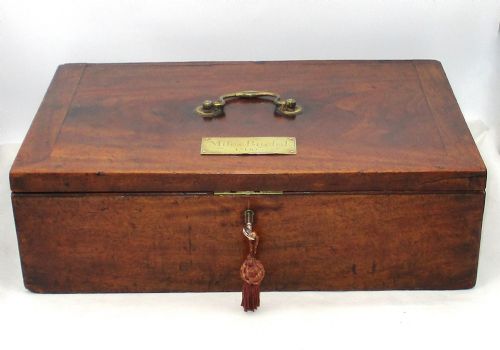
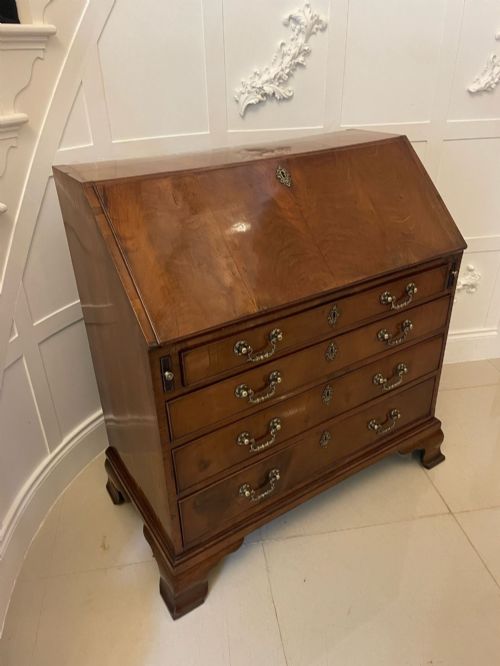
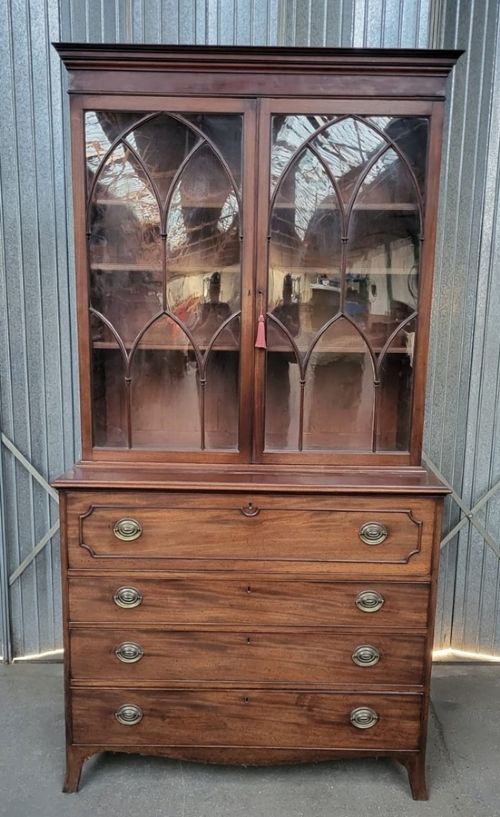
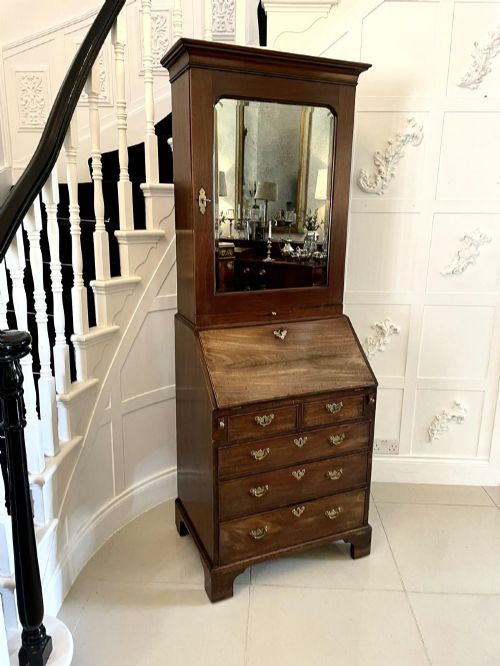

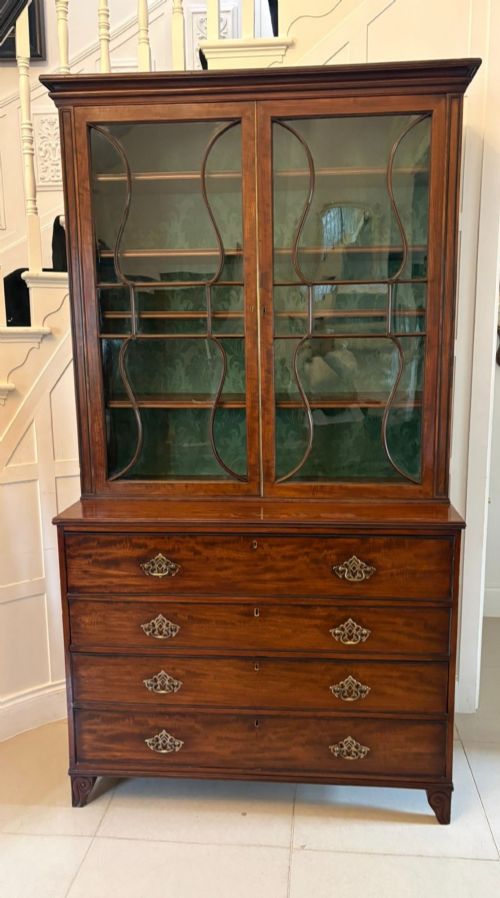
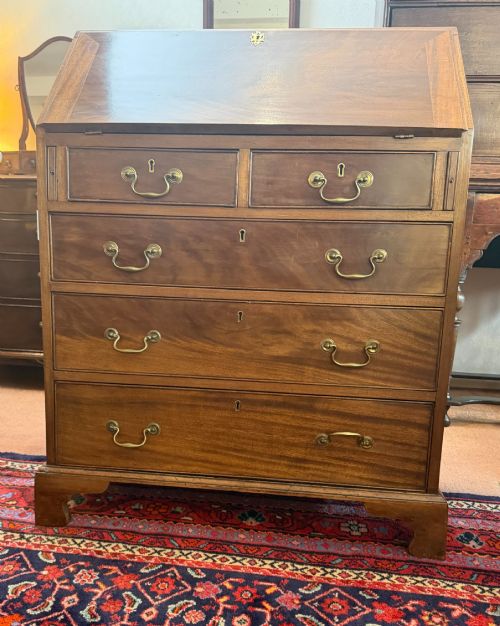
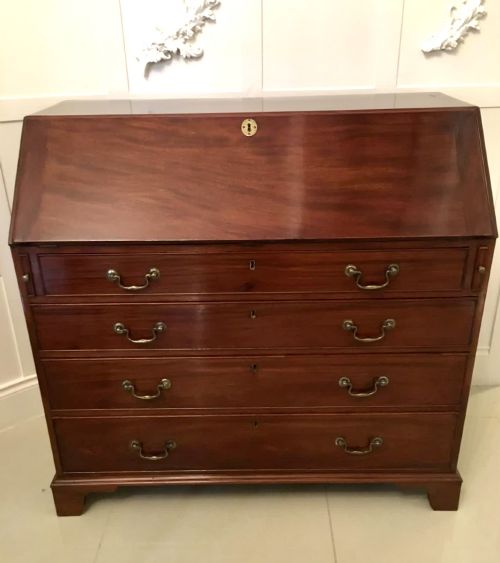
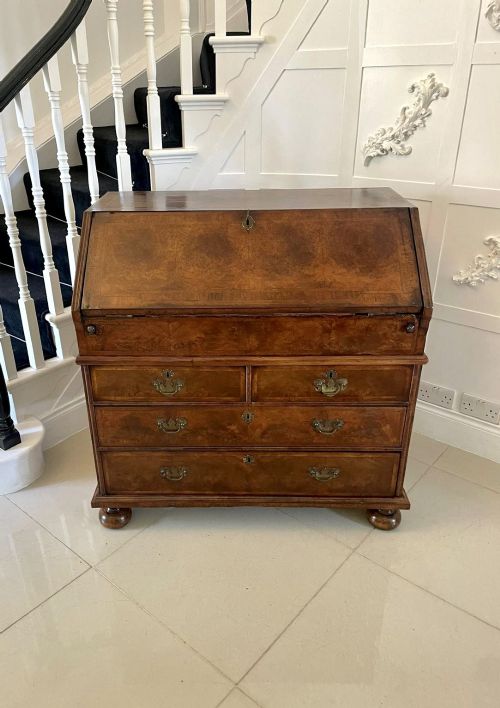
Georgian Writing Chest
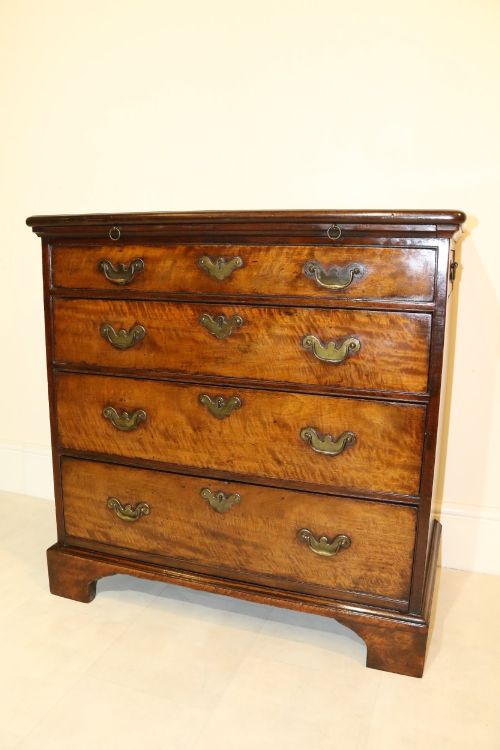
A georgian writing chest combines generous drawer storage with a fitted writing surface, offering practical workspace and refined period timber in one piece of furniture.
Georgian Writing Chest
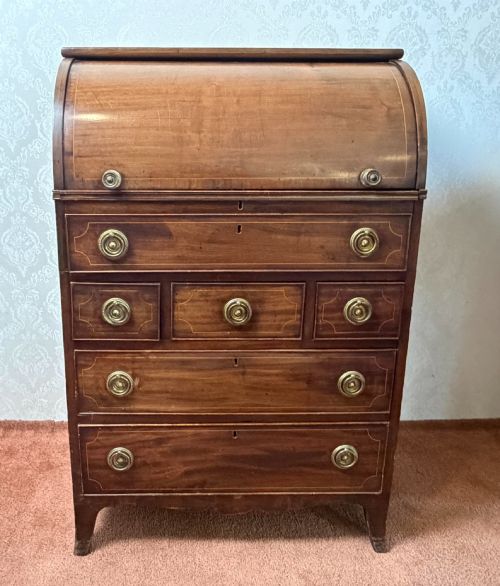
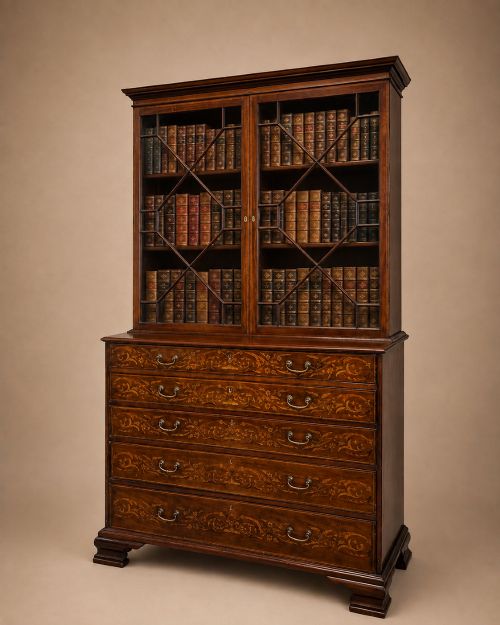
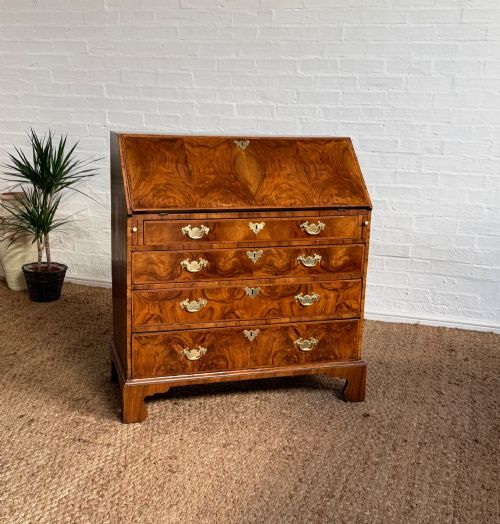
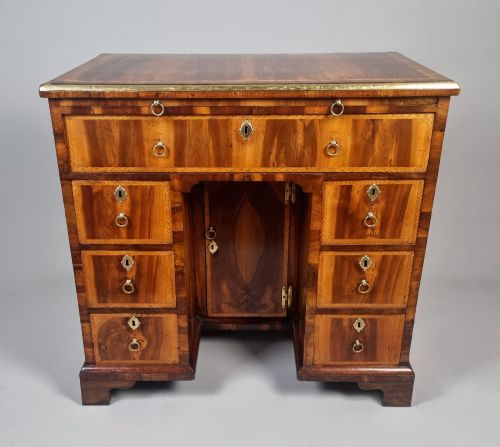
A georgian writing chest encompasses fall-front bureaux, secretaire bookcases, and chest of drawers variants fitted with integrated writing compartments, spanning the seventeenth through the nineteenth centuries.
The pieces on this page originate predominantly from the Georgian, Regency, and Queen Anne periods, reflecting changing domestic requirements for correspondence and record-keeping.
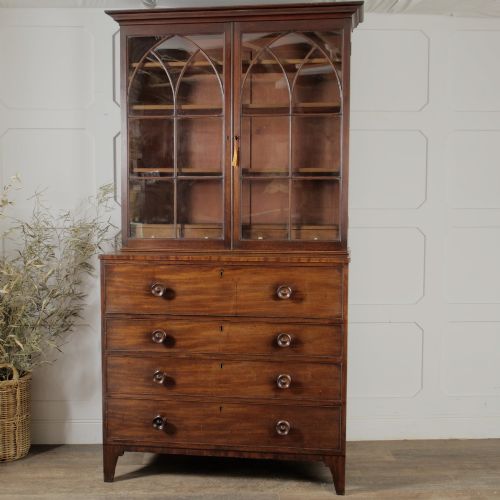
Buyers frequently encounter mahogany, walnut, and oak examples, ranging from compact bachelor chests to large secretaire bookcases with glazed upper doors.
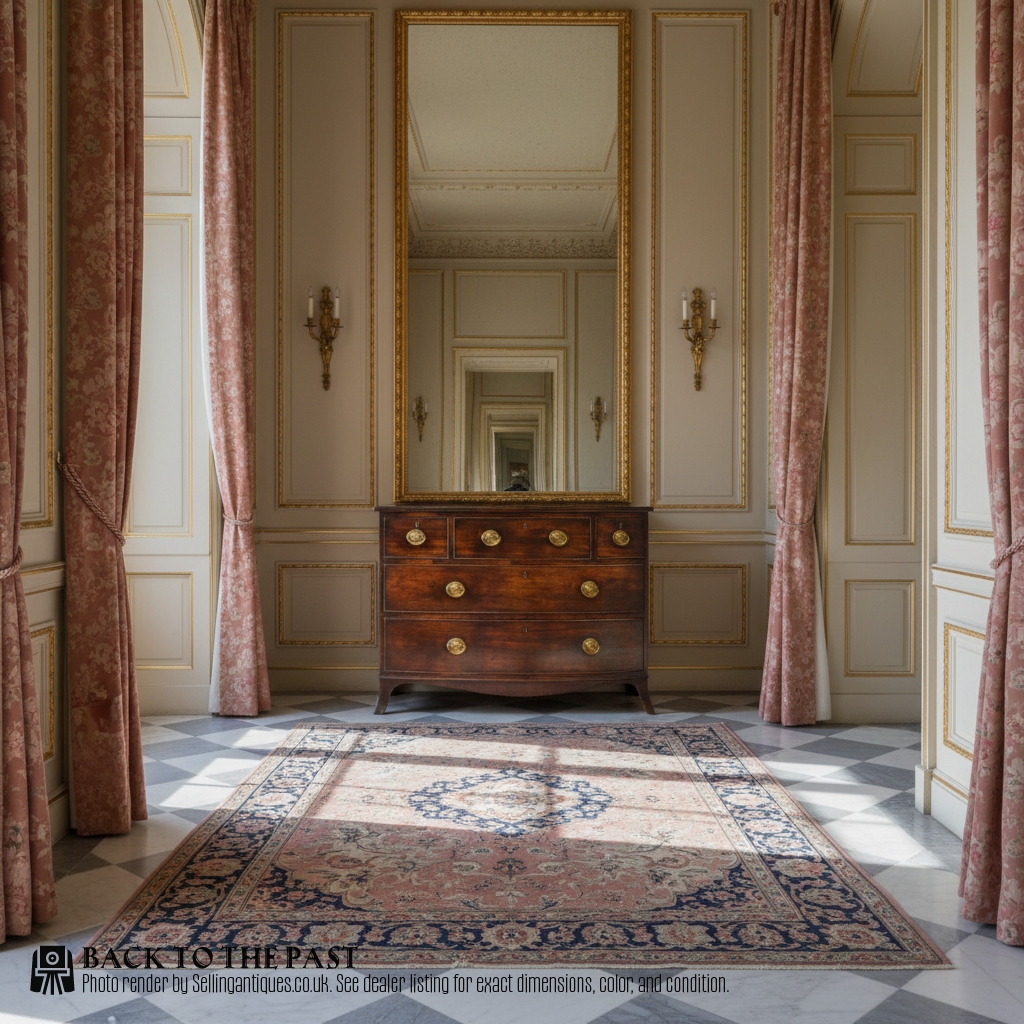
How They Were Made
Cabinetmakers utilised native and imported timbers, selecting figured mahogany, burr walnut, and sturdy oak for carcass construction, often enhanced by herringbone inlay and decorative veneers.
Interiors relied on intricate small drawers, pigeonholes, and leather or baize writing surfaces, whilst brass handles and escutcheons secured the exterior drawers and drop-front mechanisms.
Listings feature oak, walnut, mahogany, and rosewood constructions spanning the 17th, 18th, and 19th centuries.
What Varies in Quality
The distinction between standard and superior examples rests on the selection of timber figures, the intricacy of the internal pigeonholes and small drawers, and the retention of original brass hardware.
Proportion, timber matching across drawer fronts, and the crispness of cabinet joints differentiate provincial pieces from sophisticated metropolitan workshops.
The Georgian Writing Chest Glossary
- Bureau
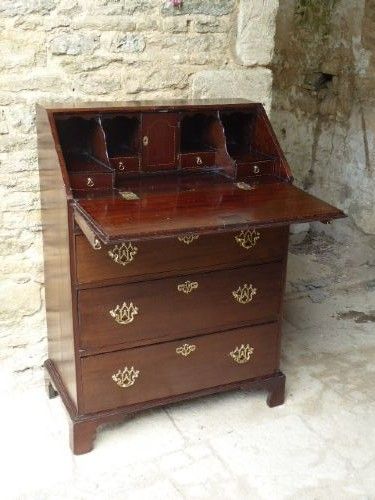
- A desk featuring a sloping fall-front that opens to reveal a fitted interior of pigeonholes and small drawers. It sits atop a chest of working drawers.
- Secretaire
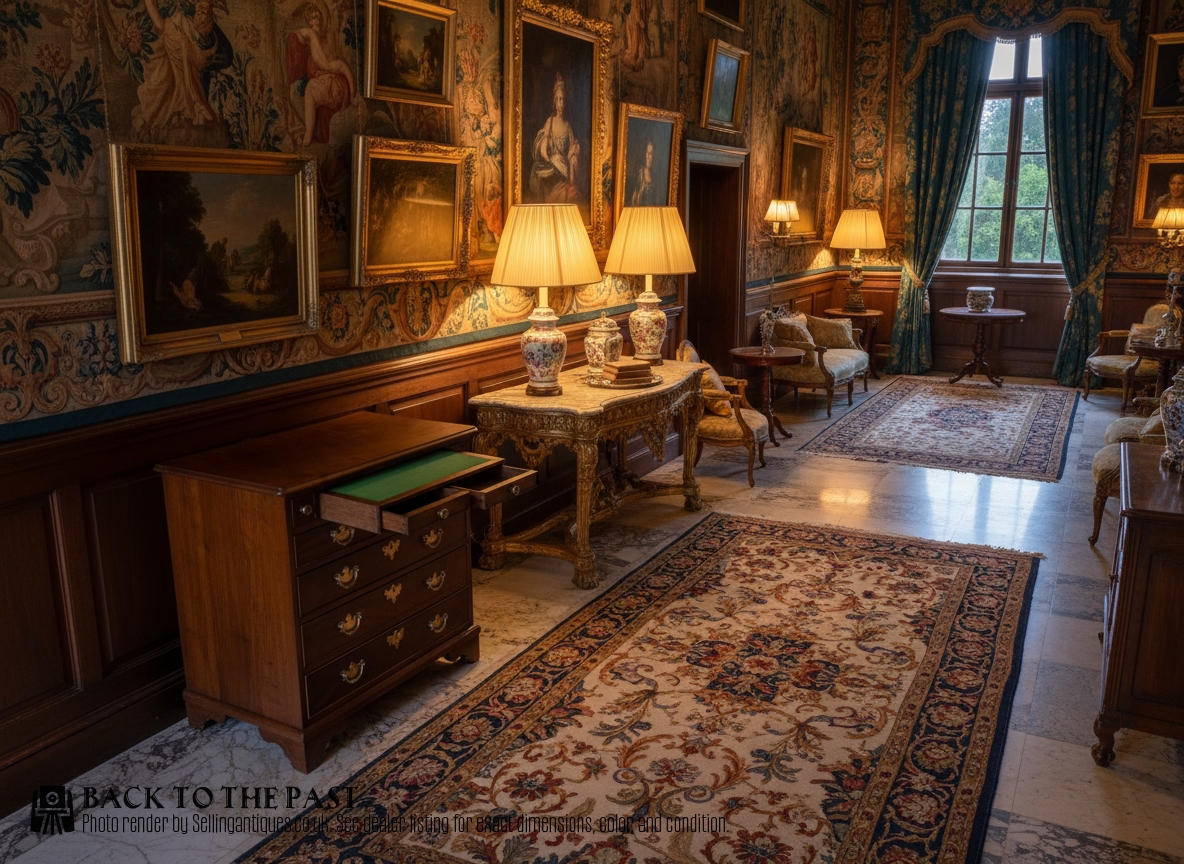
- A cabinet or chest incorporating a drawer that pulls out or folds down to form a writing surface with internal compartments. It conceals the writing function behind a unified drawer front.
- Escritoire
- A tall writing cabinet, often dating from the late seventeenth or early eighteenth century, featuring a drop-down writing flap supported by brackets.
- Bachelor Chest
- A small, compact chest of drawers equipped with a folding top or sliding writing board for correspondence. These pieces suited smaller chambers and bedchambers.
- Tambour
- A sliding shutter formed of narrow vertical strips of wood glued to a canvas backing, used to enclose desk compartments.
Georgian Writing Chest: Frequently Asked Questions
What is a georgian writing chest?
A georgian writing chest is a dual-purpose piece of furniture that combines a chest of drawers with a dedicated writing surface, such as a drop-front bureau or a pull-out secretaire drawer.
These items allowed individuals to store personal documents and household accounts while providing a stable surface for ink and quill work in eighteenth and nineteenth-century homes.
Where should I place a writing chest in my home?
These pieces suit studies, living rooms, and large hallways where their compact footprint and functional storage can be utilised daily.
Ensure the room maintains stable humidity and keep the timber away from direct heat sources to protect the antique veneers and leather writing surfaces.
How do I care for the leather writing surface?
Clean the leather gently with a dry or barely damp cloth, avoiding harsh modern chemical cleaners that can strip the historic dye and finish.
Apply a microcrystalline wax or specialised leather balsam periodically to maintain suppleness and prevent the material from drying out.