

Drop Front Desk Chest
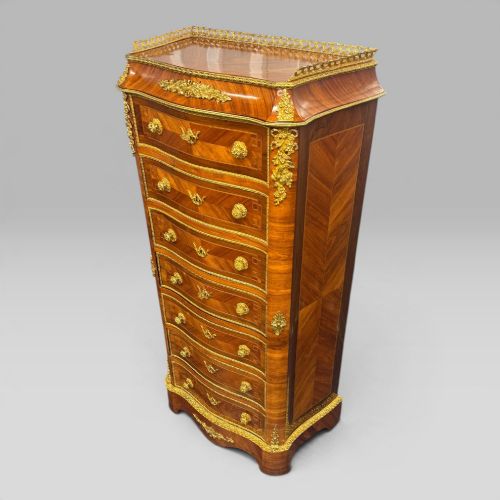
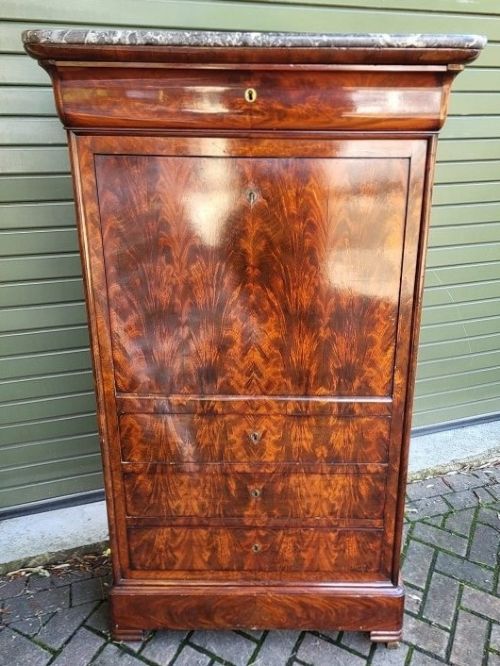
Drop front desk chest options combine the utility of a writing surface with concealed drawers, spanning periods from the seventeenth century onward.
Drop Front Desk Chest
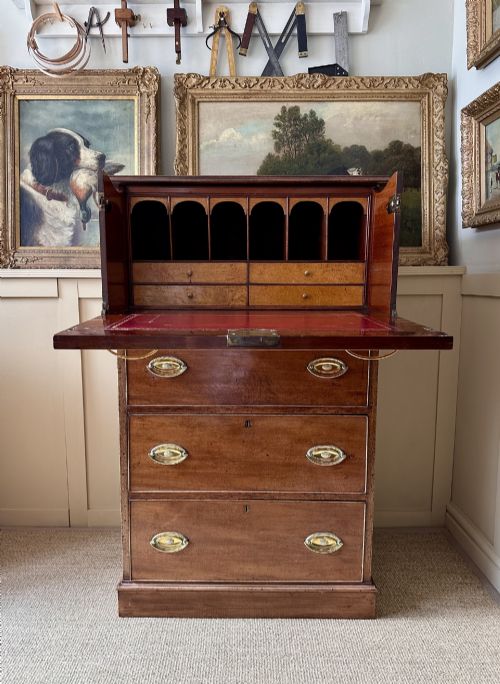
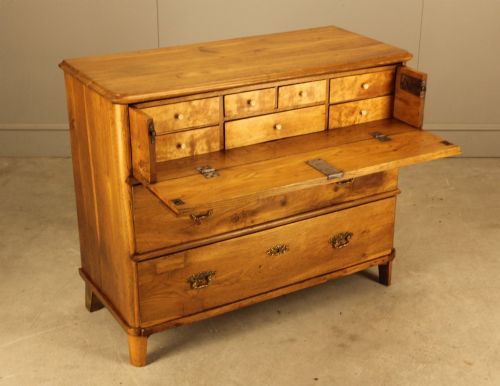
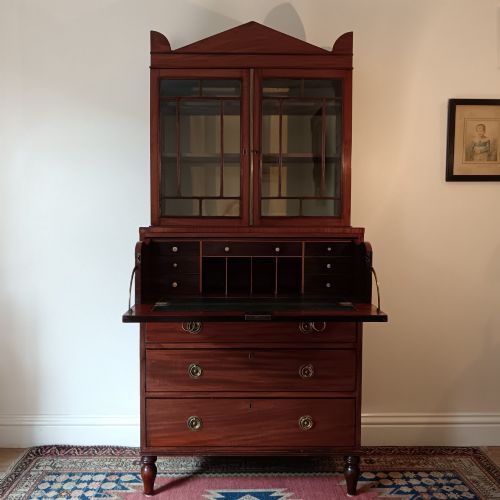
A drop front desk chest serves as a dual-purpose writing surface and storage unit, appearing across periods from the seventeenth century through to the Edwardian era. These pieces incorporate a hinged writing flap that lowers to reveal fitted pigeonholes and small drawers.
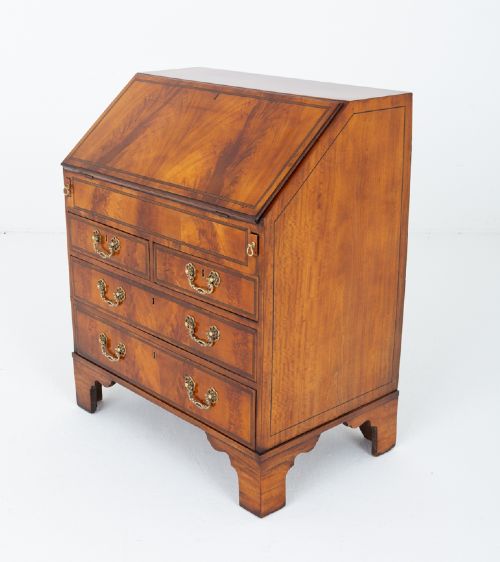
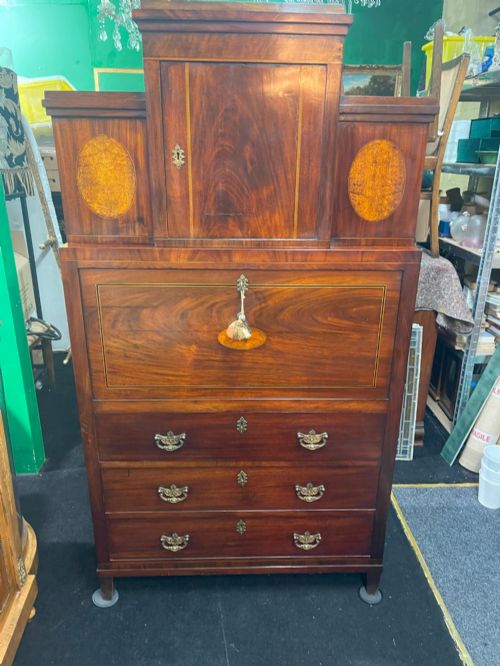
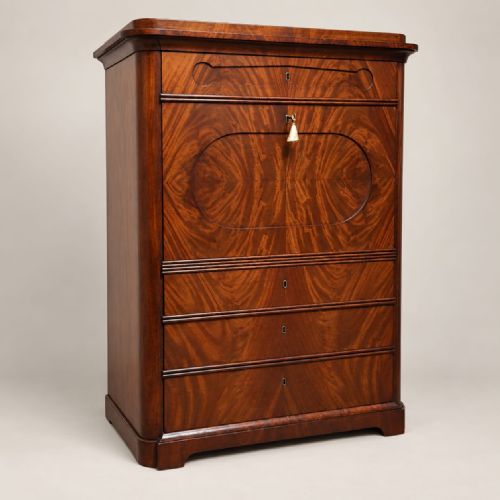
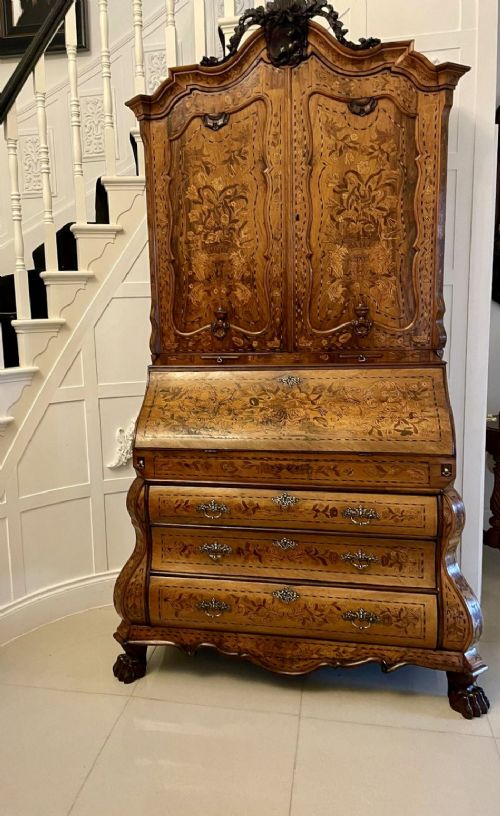
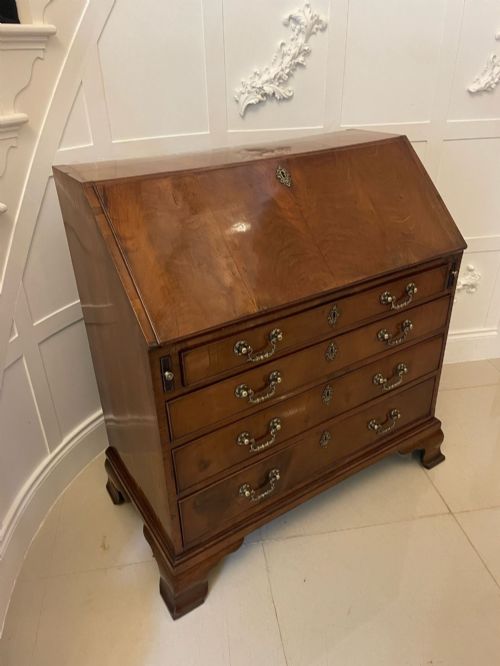
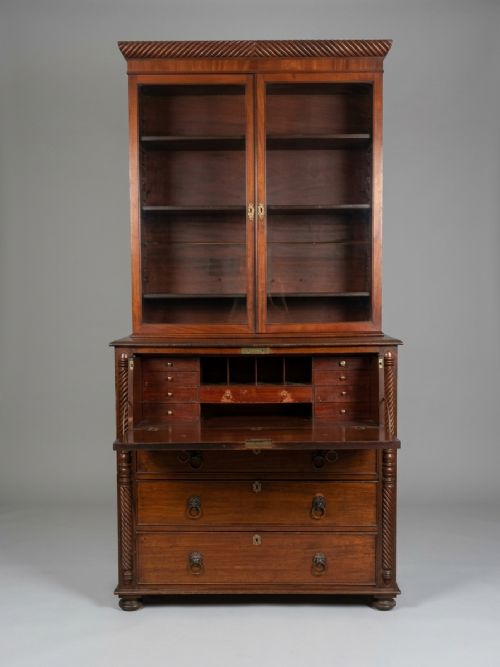
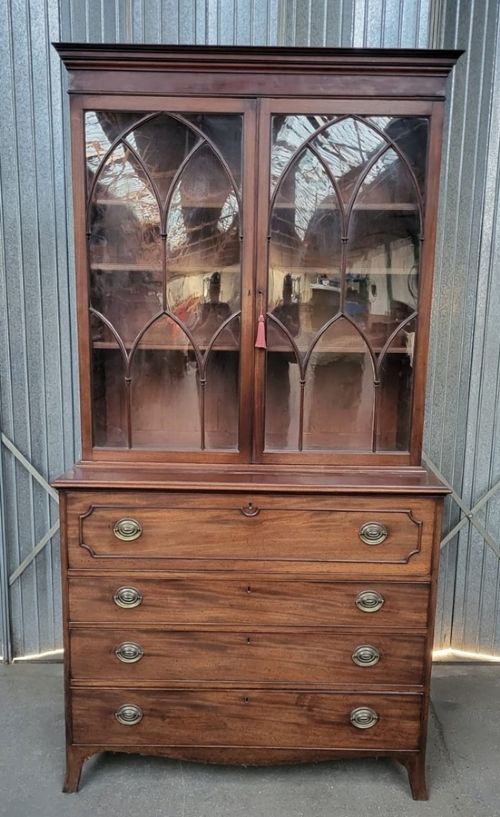
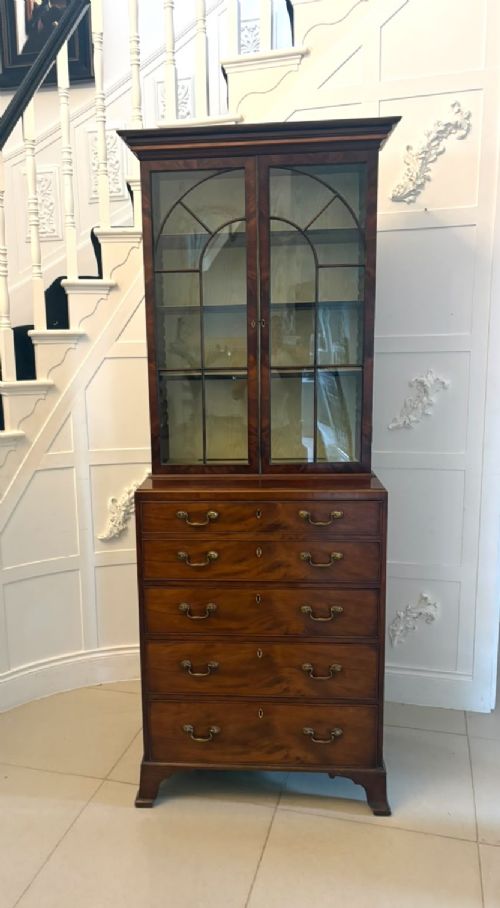
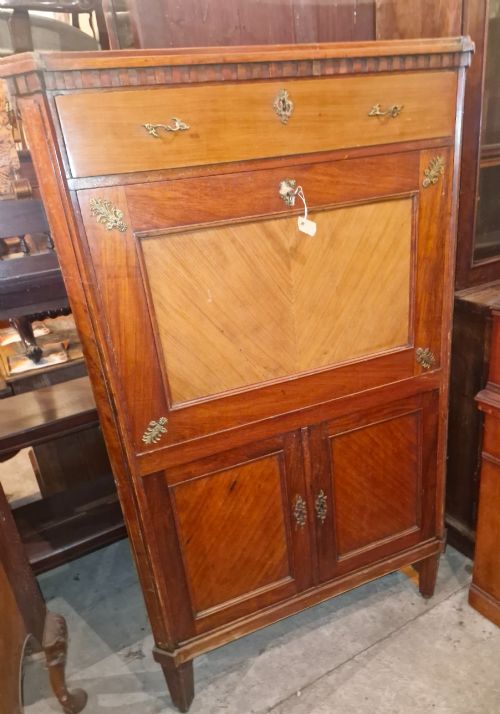
The version most commonly encountered on this page is the mahogany or walnut bureau from the Georgian era, alongside taller secretaire bookcases and nineteenth-century Continental examples. Oak variants from the seventeenth and Edwardian periods also feature regularly in the selection.
Materials and construction methods
Cabinet makers utilised dense native and imported timbers, predominantly mahogany, walnut, and oak, often finished with figural veneers such as burr walnut or masur birch. Secondary timbers like pine appear within internal drawer construction.
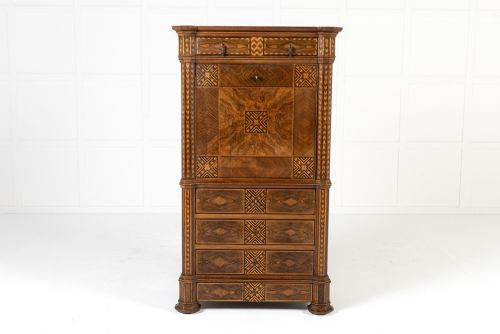
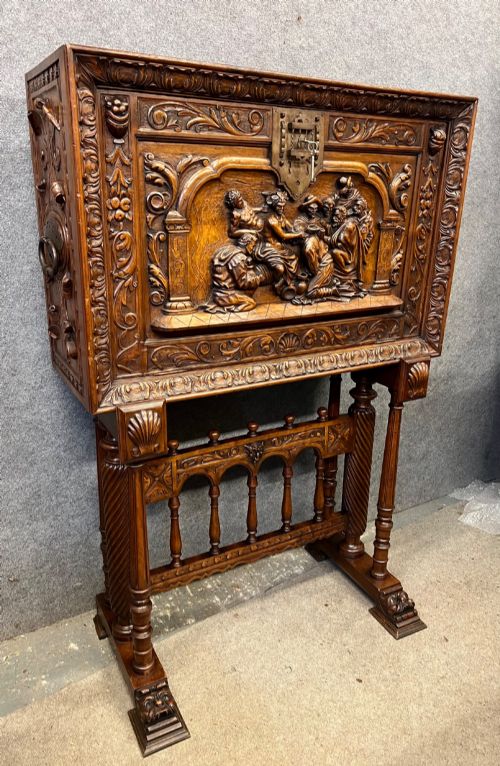
Surface decoration relies on traditional techniques including herringbone inlay, floral marquetry, and carved linenfold panels. Brass handles and escutcheons secure the drawers and fall front flaps across Georgian and Victorian iterations.
Drop Front Desk Chest Retail Price Guide 2026
Typical asking prices for drop front desk chest among the pieces listed under this phrase on Sellingantiques today, from the lower quarter to the upper quarter. They describe what is for sale here now, not the wider market.
Some secretaire cabinets conceal hidden compartments behind sliding pigeonholes, designed for letters of utmost discretion.
Distinctions in quality
The standard of timber selection largely dictates the standing of a piece, with highly figured grains and matched veneers marking out superior examples. Internal configuration also separates standard production from finer work, particularly where secret compartments and intricate pigeonholes are present.
The integrity of the structural joinery around the fall front hinge mechanism and the matching of drawer linings determine the lasting execution of the desk. Early examples retain original brass hardware and surface patination that reflect the age of the timber.
George Oakley
The Drop Front Desk Chest Glossary
- Bureau
- A desk with a sloping hinged lid that covers a fitted interior of drawers and pigeonholes. It typically sits atop a chest of drawers.
- Secretaire
- A piece of furniture containing a writing drawer or fold-down writing flap. It often disguises a desk within the form of a chest or bookcase.
- Escritoire
- A writing cabinet or desk, frequently dating from the seventeenth or eighteenth century, featuring a fall-front writing surface.
- Marquetry
- Decorative veneer work formed by pieces of differently coloured wood or other materials fitted into a background. This technique creates floral or geometric patterns on the surface.
- Herringbone
- A V-shaped pattern of inlay work utilised on walnut furniture borders during the seventeenth and early eighteenth centuries.
Drop Front Desk Chest: Frequently Asked Questions
What is a drop front desk chest?
A drop front desk chest is a traditional form of cabinet furniture that combines a chest of drawers with a hinged writing surface. When closed, the piece appears as a standard chest or cabinet, but lowering the front flap reveals an arrangement of small drawers and pigeonholes.
These pieces were utilised for correspondence and storage in domestic settings. The selection on this page includes seventeenth-century examples up to twentieth-century interpretations.
How do I identify a Georgian bureau?
Georgian bureaus typically employ mahogany or walnut timbers, often featuring hand-cut dovetails within the drawer construction and traditional brass hardware. The interior fittings generally consist of solid wood pigeonholes and small concealed compartments.
Stylistic markers include bracket feet or ogee feet, alongside cross-banded veneers on the fall front flap. The proportions tend to remain relatively shallow compared to later Victorian iterations.
Where were secretaire bookcases used?
Secretaire bookcases were housed in studies, libraries, and principal reception rooms of larger homes. They served a dual function by storing books behind upper glazed doors while providing a private writing desk below.
The upper section allowed for the display of volumes, while the fall front desk kept writing materials and correspondence neatly concealed from visitors.
How do I care for antique walnut furniture?
Antique walnut furniture requires placement away from direct heat sources and strong sunlight to prevent timber shrinkage and veneer lifting. Maintaining a stable indoor climate preserves the finish and structural integrity of the wood.
Applying a traditional beeswax polish helps nourish the grain and protects the surface patination. Avoid silicone-based sprays, which can penetrate the pores of older finishes.