

Georgian Wooden Trinket Box
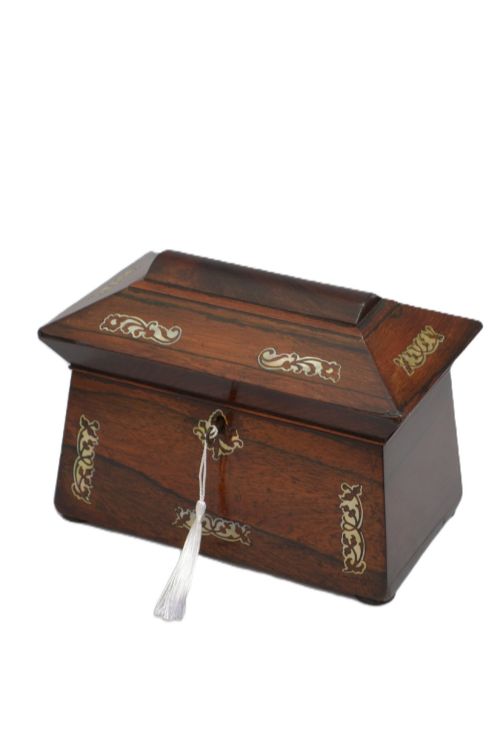
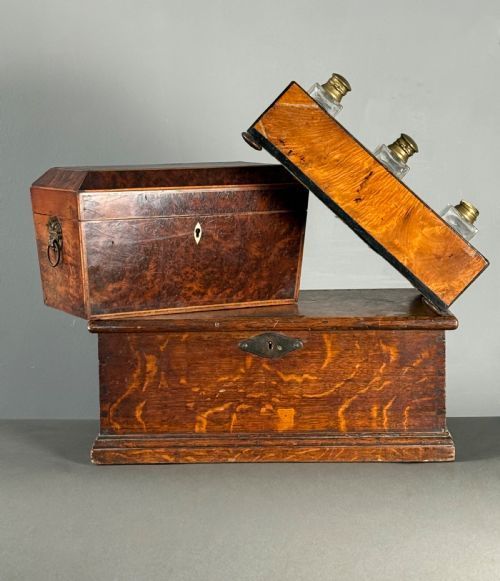
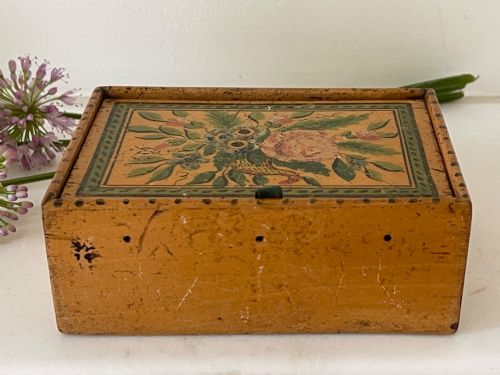
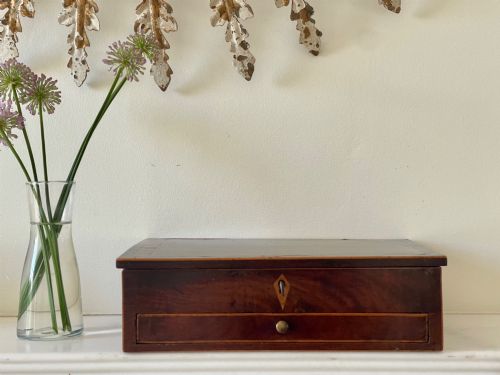
A georgian wooden trinket box brings small treasures together with the rich grain and warm polish of centuries past.
Georgian Wooden Trinket Box
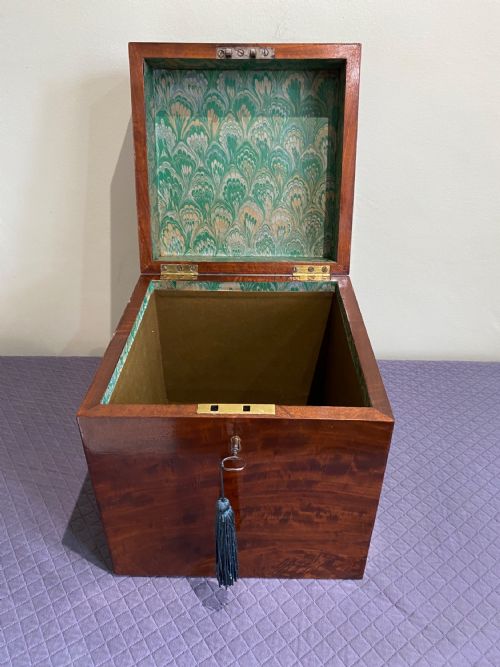
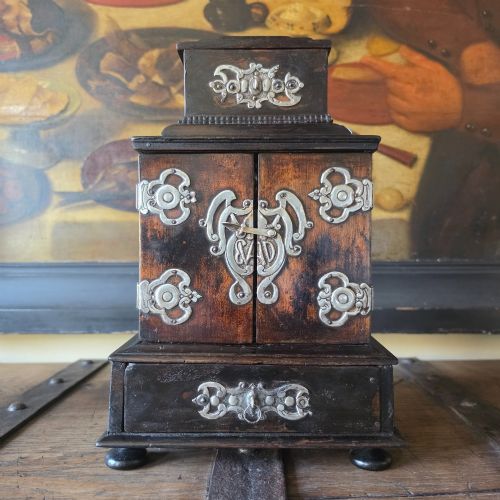
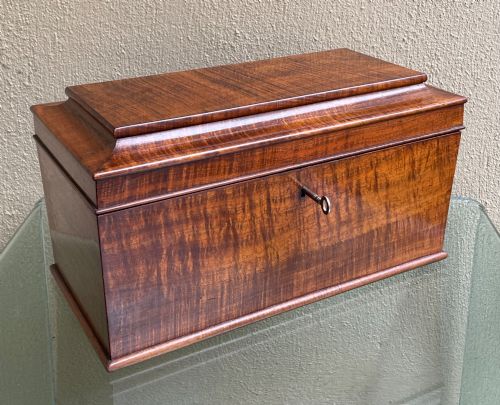
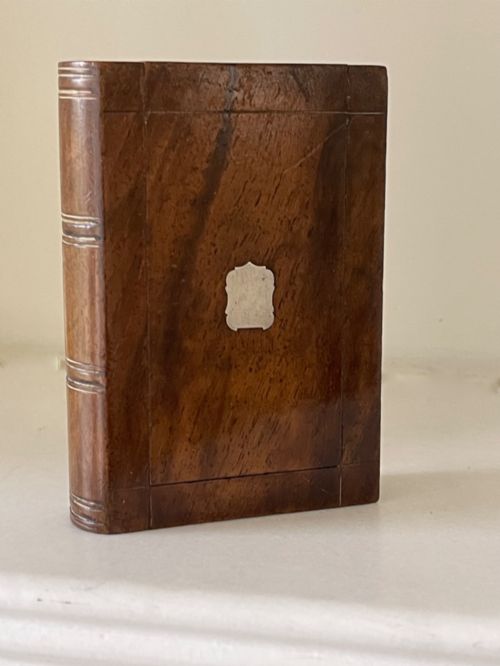
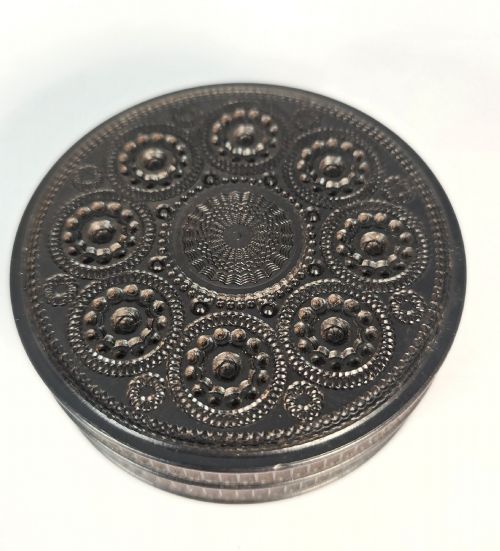
A georgian wooden trinket box encompasses everything from tea caddies and snuff boxes to small jewellery cabinets and miniature chests of drawers. These containers served domestic purposes in period homes, holding dry leaves, tobacco, letters, or personal valuables.
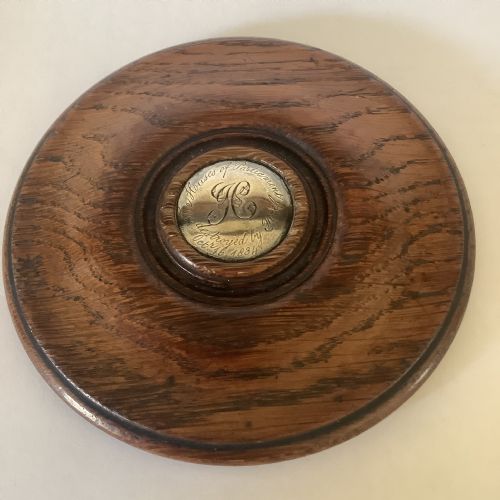
The pieces on this page span the Georgian and Regency eras, alongside related 18th century and 19th century works. Mahogany, rosewood, oak, and walnut form the primary bodies, often shaped into octagons, domes, or simple rectangles.
Tea caddies and jewellery boxes dominate the selection, reflecting the high status of tea and personal adornment in historical households. Smaller pocket snuff boxes and miniature furniture pieces also appear frequently among the listings.
How they were made
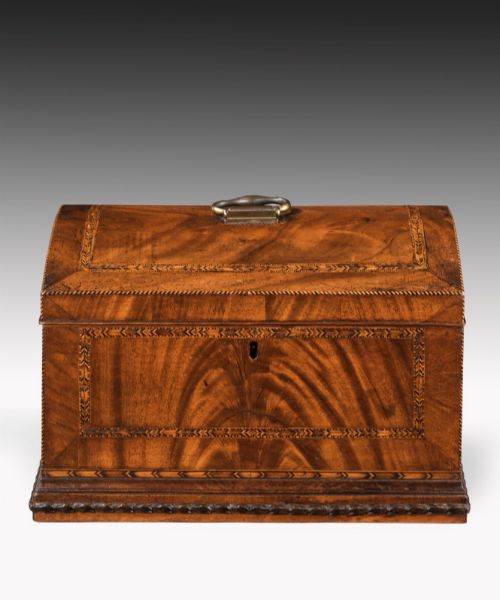
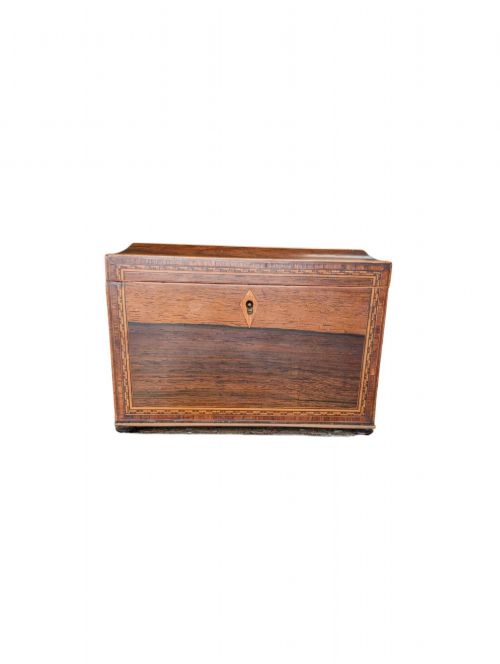
Cabinetmakers utilised dense hardwoods such as mahogany, rosewood, and walnut, selecting cuts with pronounced flame or burr figures. Boxwood, ebony, and bone provided sharp contrasts through stringing, parquetry, and inlaid motifs.
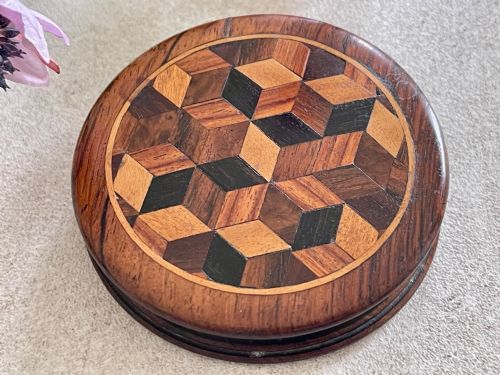
Specialised techniques like pen work, engine turning, and surface lacquering decorated the exteriors of snuff boxes and document caskets. Tunbridge ware integrated tiny mosaic wood tiles to picture buildings and geometric patterns across lids and panels.
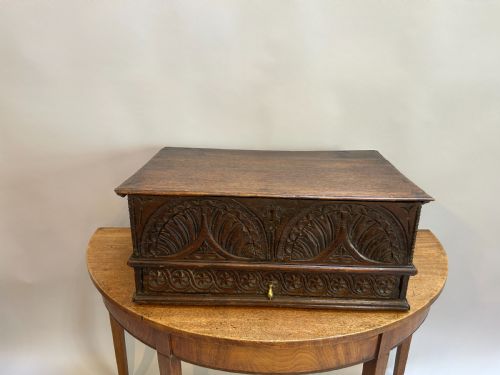
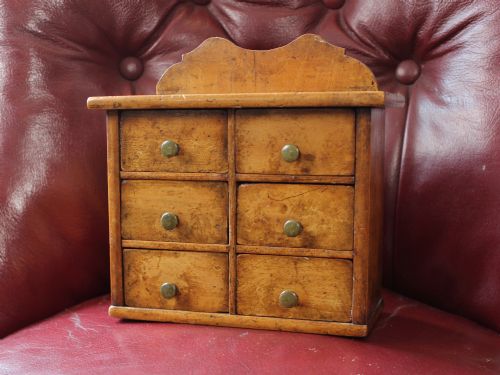
The inventory spans the Georgian and Regency periods, stretching from mid-eighteenth-century bible boxes to late-nineteenth-century spice drawers.
What varies in quality
The selection of timber dictates much of the visual merit, with burr yew, flame mahogany, and figured rosewood commanding greater visual presence. Grain selection that wraps harmoniously around corners demonstrates a higher tier of cabinetmaking.
The intricacy of inlay, the crispness of brass stringing, and the survival of original interior fittings separate standard containers from exceptional pieces. Surface patination achieved through decades of handling also distinguishes superior examples.
G Cobb
The Georgian Wooden Trinket Box Glossary
- Tea caddy
- A small lidded container designed to store loose tea leaves securely. These vessels often featured internal compartments and locking lids to protect expensive leaves.
- Snuff box
- A pocket-sized container used to hold ground tobacco for inhalation. Examples range from simple turned wood to intricate pieces decorated with specimen woods or pen work.
- Tunbridge ware
- A distinct form of British woodworking originating from Kent, characterised by mosaics made from thousands of tiny tinted wood blocks. These formed detailed geometric or pictorial scenes.
- Burr yew
- A knotted, highly figured wood growth taken from the yew tree. Cabinetmakers prized it for its swirling grain patterns on small luxury boxes.
- Parquetry
- A geometric mosaic of wood pieces used for decorative veneer on box lids and panels. It relies on contrasting timber tones to create optical depth.
Georgian Wooden Trinket Box: Frequently Asked Questions
What were wooden boxes used for?
Historical wooden boxes stored valuable commodities like tea, tobacco snuff, sewing implements, and personal letters. Their secure compartments protected delicate items from moisture and theft in the home.
Larger caskets held jewellery and documents, while miniature chests served as apprentice pieces or desktop storage for small keepsakes.
How do I date a wooden box?
Dating relies on timber choices, construction methods, hardware styles, and decorative techniques. Georgian pieces frequently feature solid mahogany or walnut with hand-cut dovetails and brass escutcheons.
Regency examples often introduce exotic veneers like rosewood, brass inlay, and more refined interior compartments lined with paper or silk.
How do I clean an antique box?
Dust wooden boxes gently with a dry, soft cloth to prevent scratching the polished surface. Avoid modern chemical sprays or excessive water, which can lift old veneers and damage historic finishes.
Microcrystalline wax applied sparingly can nourish dry wood and protect the surface without altering the accumulated patina of the piece.
What is Tunbridge ware?
Tunbridge ware involves arranging thousands of tiny, naturally coloured wood strips into intricate geometric or pictorial mosaics. Craftsmen glued these assemblies together before slicing them thinly to veneer box lids.
Floral motifs, castles, and butterflies appear frequently, showcasing exceptional woodworking skill from nineteenth-century English workshops.
Why do some boxes have locks?
Tea, sugar, and spices were luxury goods of immense value in eighteenth and nineteenth-century households. Servants and household members were routinely excluded from accessing stores without supervision.
Precious letters, jewellery, and personal funds also required secure containment in shared domestic spaces.