
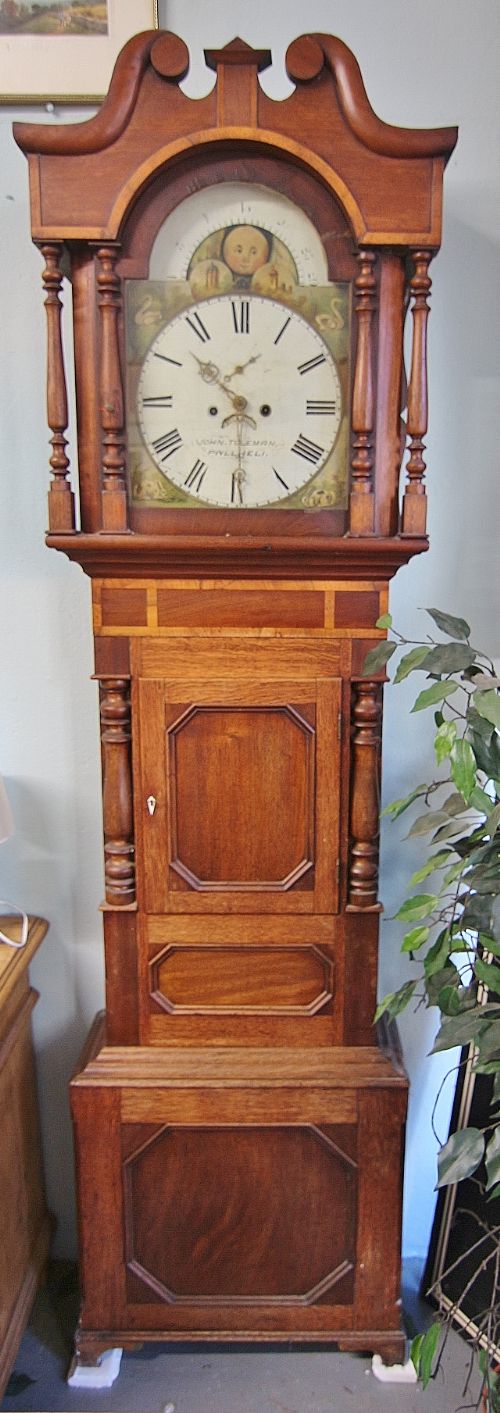
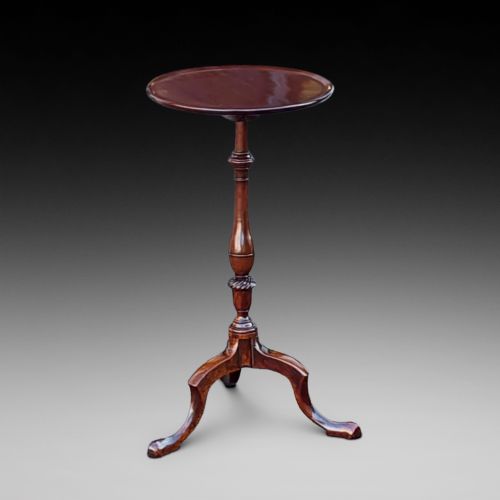
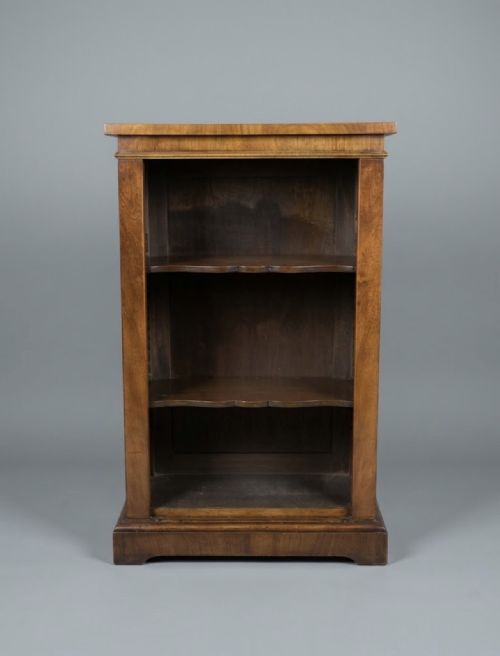
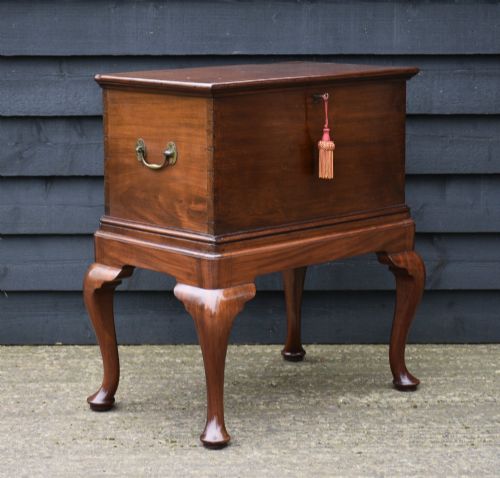
Georgian Wooden Stand
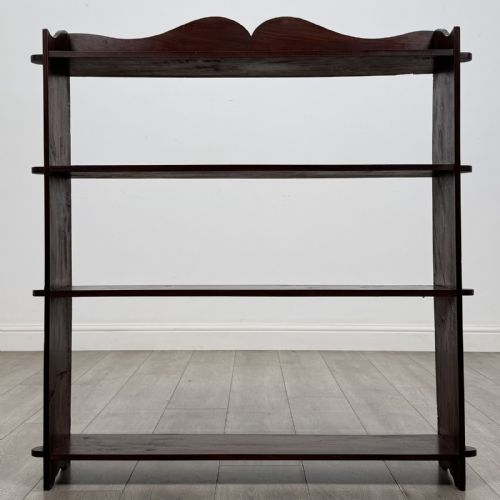
A georgian wooden stand is a sturdy, traditional piece of furniture built to hold books, plants, candles, or trays in period rooms.
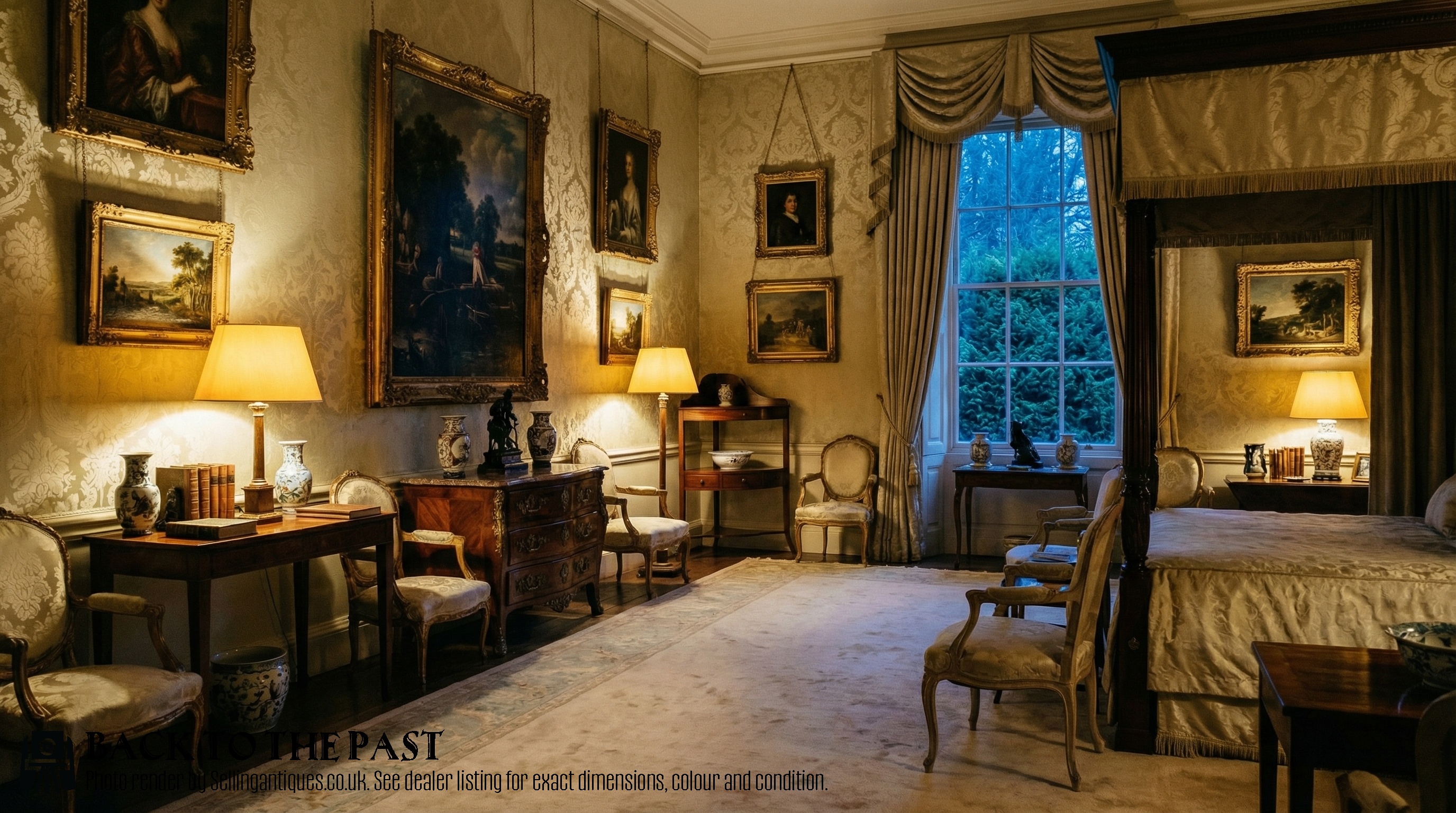
Georgian Wooden Stand
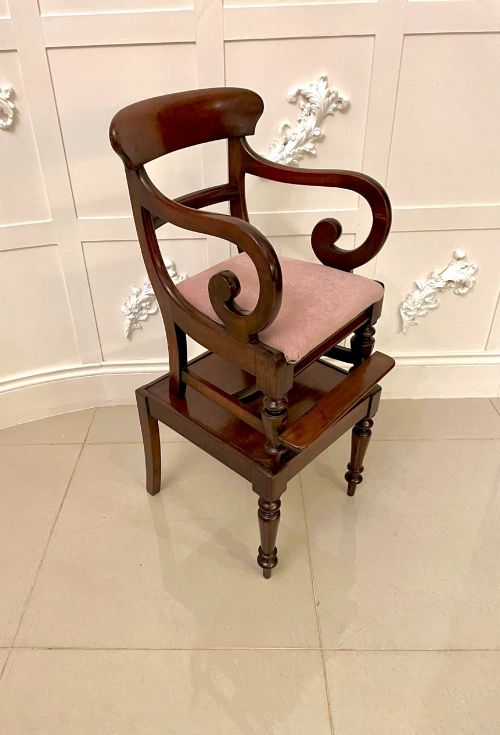
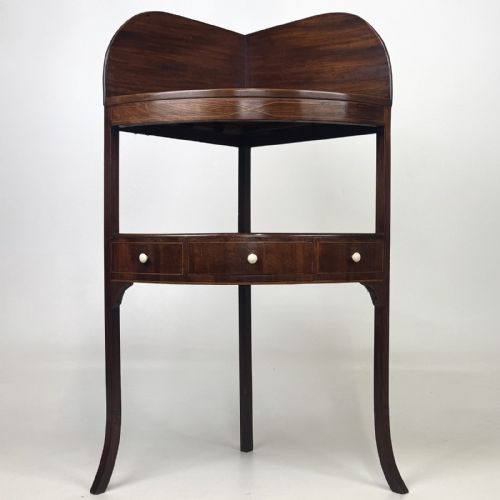
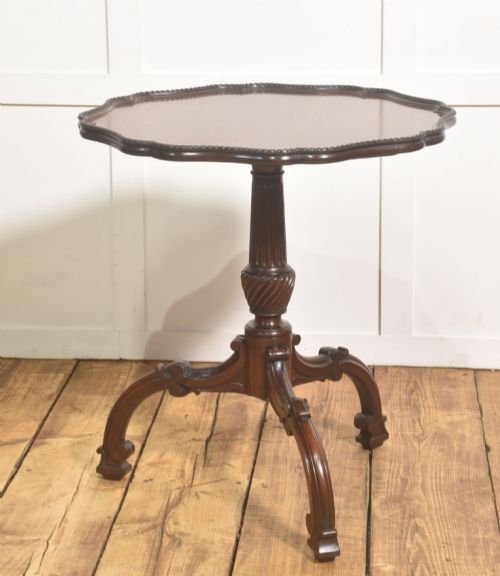
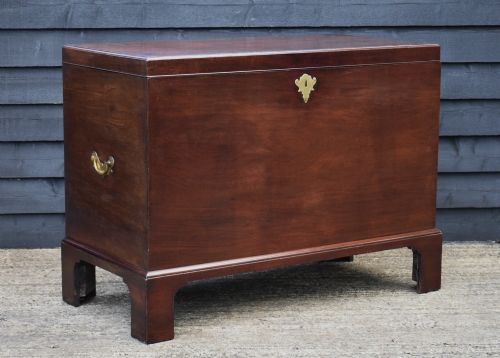
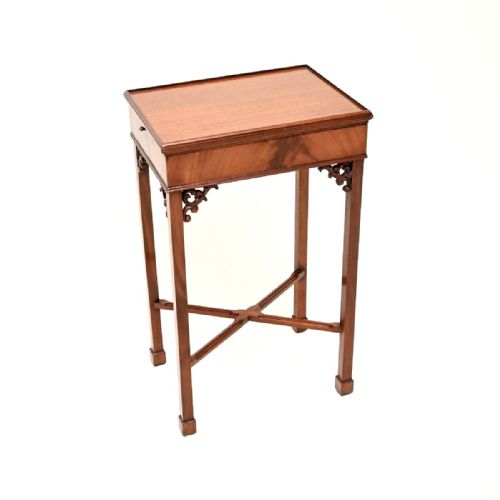
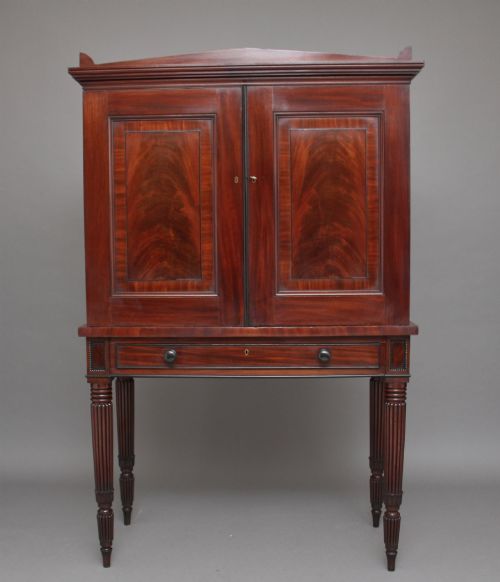
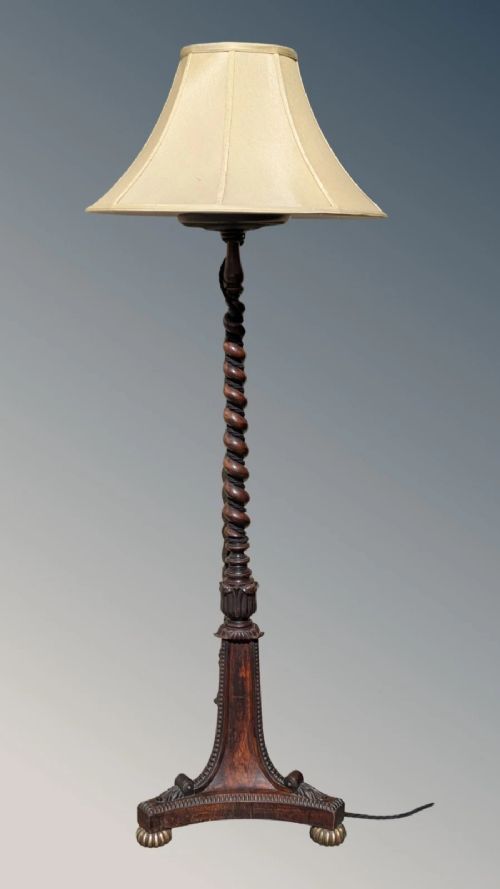
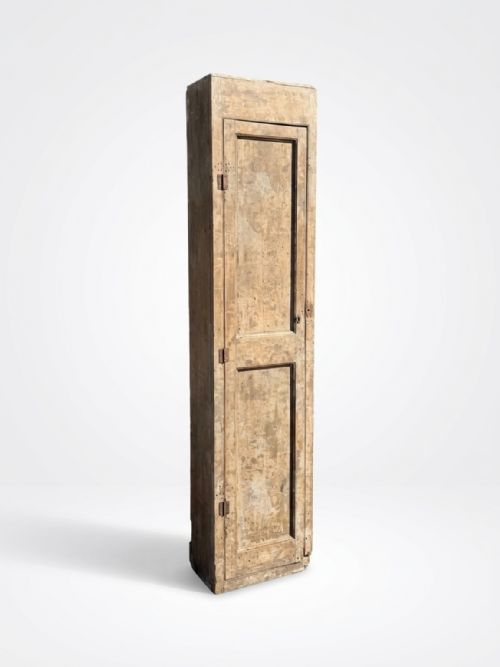
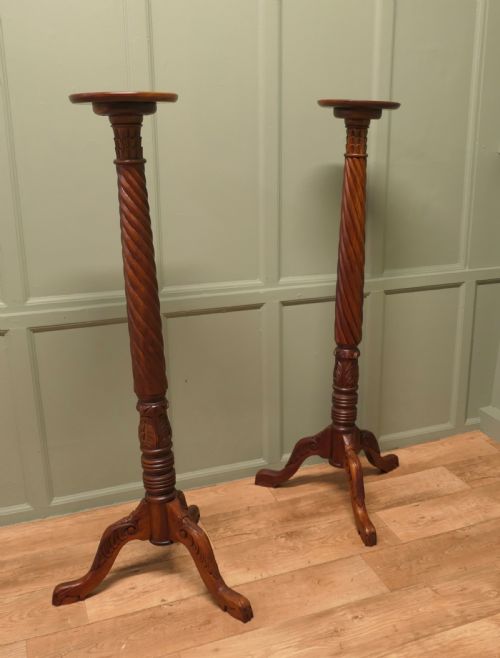
A georgian wooden stand encompasses a variety of practical furniture forms, including wine tables, torchere stands, butlers' tray stands, and bedside cabinets. These pieces served specific domestic purposes in eighteenth and nineteenth century interiors, holding drinks, lighting, or serving implements.
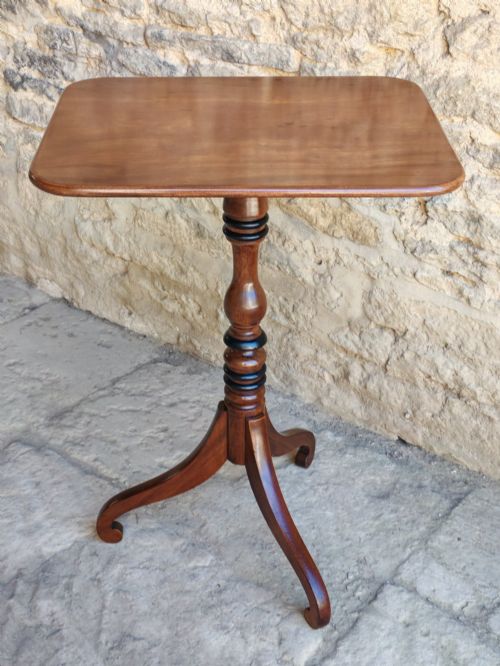
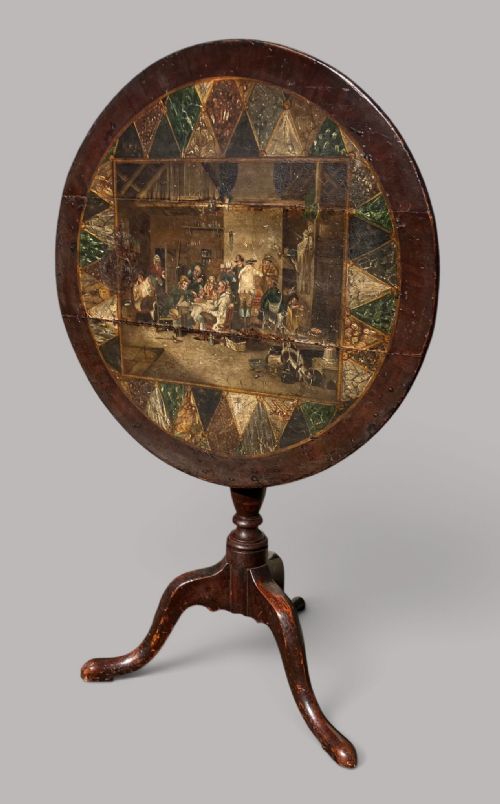
Mahogany is the primary timber encountered across these items, alongside walnut, oak, fruitwood, elm, and satinwood. Many examples utilise tripod bases, tilting tops, or fitted stands to support trays and boxes.
While genuine Georgian and Regency pieces form the core of the evidence, related items span the eighteenth to the early twentieth centuries, including later revivals and associated cabinet work.
Materials and construction
Makers relied heavily on dense hardwoods like mahogany and walnut, frequently selecting flame mahogany veneers or incorporating fruitwood, oak, and satinwood for contrast and structure. Brass fixtures and glass components appear alongside timber elements in specific forms.
Joinery methods reflected the functional demands of each object, from turned tripod legs supporting tilt-top wine tables to framed stands designed to securely hold removable wooden trays or chests.
Listings feature mahogany, walnut, oak, satinwood, and fruitwood across various stands, tables, and chests.
Assessing craftsmanship and finish
Quality rests in the selection of timber figures, such as flame mahogany or figured walnut, and the crispness of turned or carved details on pillars and tripod legs. Superior pieces demonstrate refined proportions and stable, well-fitted joinery that endures centuries of use.
The integration of secondary timbers and the retention of original surfaces, patination, and hardware distinguish finer examples from later reproductions or heavily restored pieces.
The Georgian Wooden Stand Glossary
- Torchere
- A tall ornamental stand designed specifically to support a candelabrum or lamp. These elevated wooden supports often feature slender carved shafts and tripod bases.
- Tilt-top table
- A small occasional table with a mechanism that allows the wooden top to pivot vertically when not in use. This clever design saved valuable floor space in period rooms.
- Butlers tray on stand
- A portable wooden tray with hinged or panelled sides, resting upon a separate folding or fixed wooden base. They were used for serving refreshments.
- Tripod table
- A small freestanding table supported by a central pillar resting on three legs. This construction ensured stability on uneven historical floorboards.
- Canterbury
- A low wooden stand featuring partitions for holding sheet music, books, or magazines. Many examples include a small drawer at the base.
Georgian Wooden Stand: Frequently Asked Questions
What is a georgian wooden stand used for?
These versatile stands served numerous domestic functions, from holding wine glasses and candles to supporting reading materials or decorative plants.
Their compact sizes allowed them to be easily moved around reception rooms as needed.
How do I identify a genuine period piece?
Examine the timber selection, construction methods, and overall patination to determine age and authenticity.
Genuine pieces often display hand-cut joinery and signs of genuine historical wear on high-use areas.
Are tilt-top tables stable?
Period tilt-top tables rely on a balanced central catch and three supporting legs to maintain steadiness during everyday use.
The mechanism should lock the top firmly in the horizontal position when displayed.
Where should I place a torchere stand?
These tall stands suit corners or empty wall spaces where height and vertical interest are required in a room.
They traditionally held candles or lamps to illuminate dark architectural corners.