
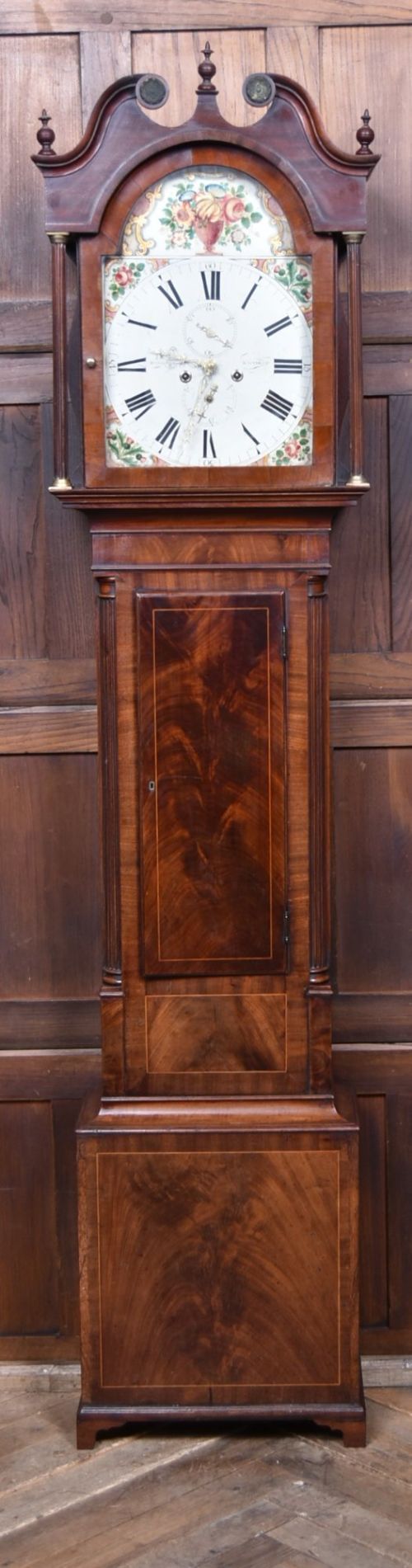
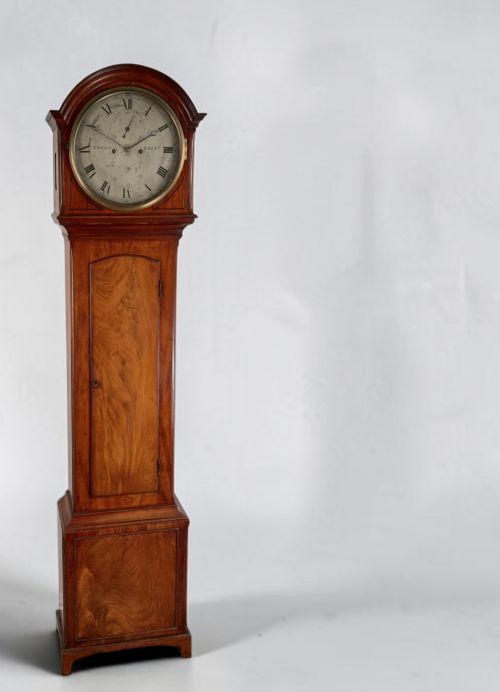
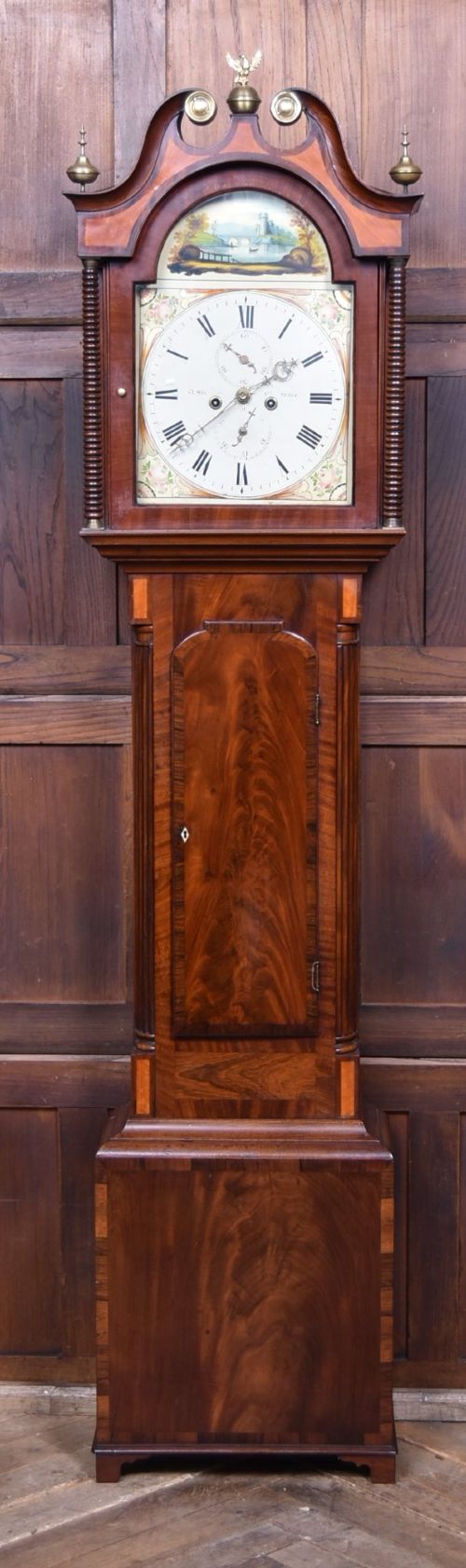
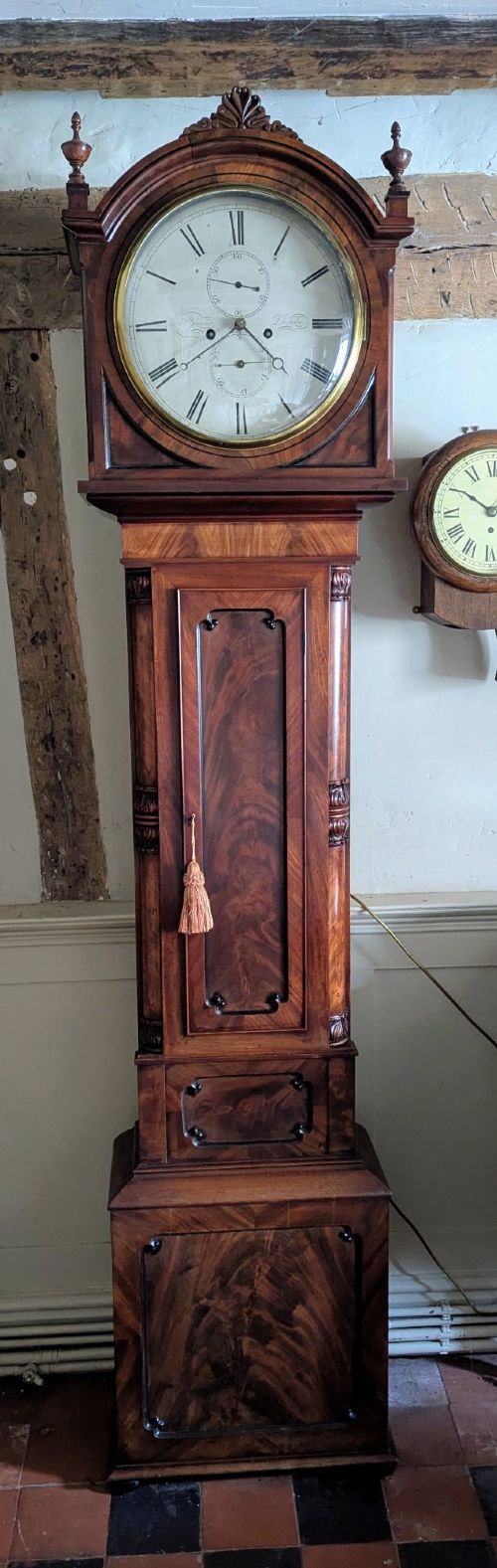
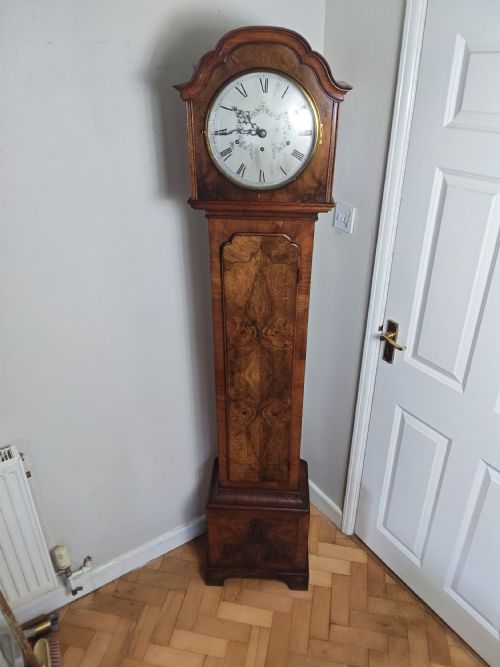
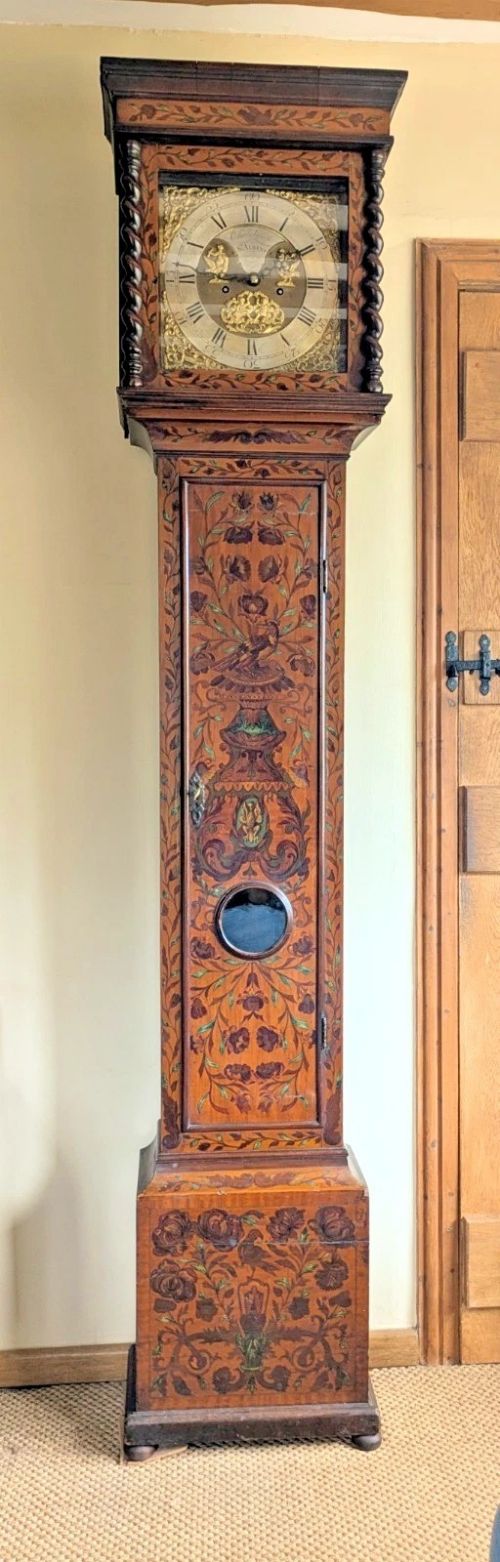
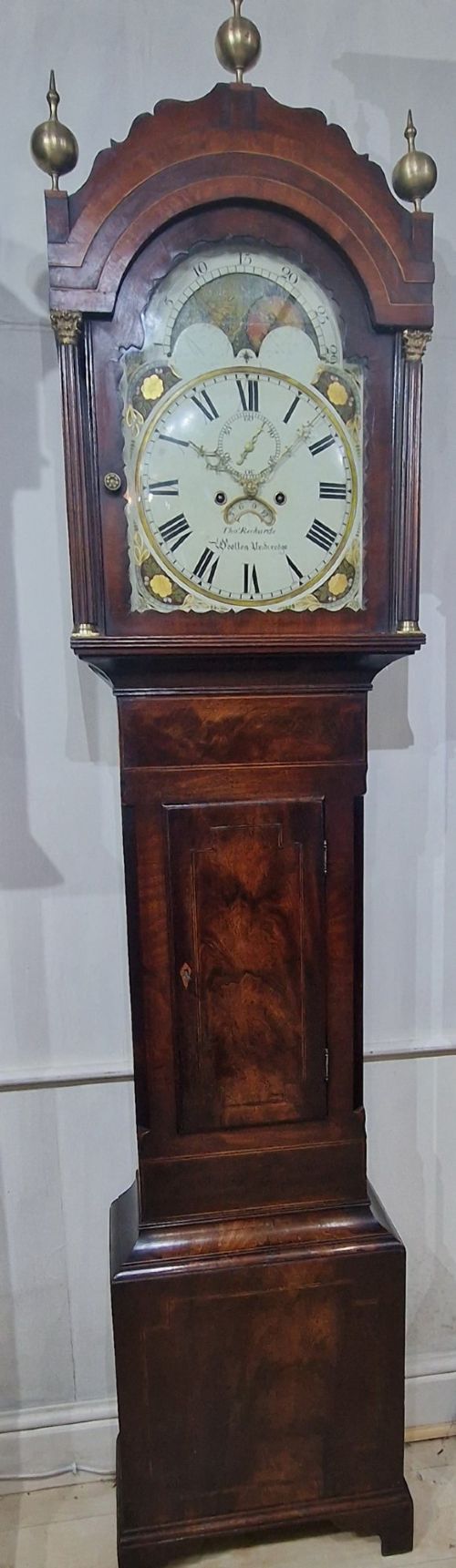


Georgian Wooden Longcase Clock
A georgian wooden longcase clock stands as a towering piece of functional furniture, bringing mechanical precision and architectural presence into a room.
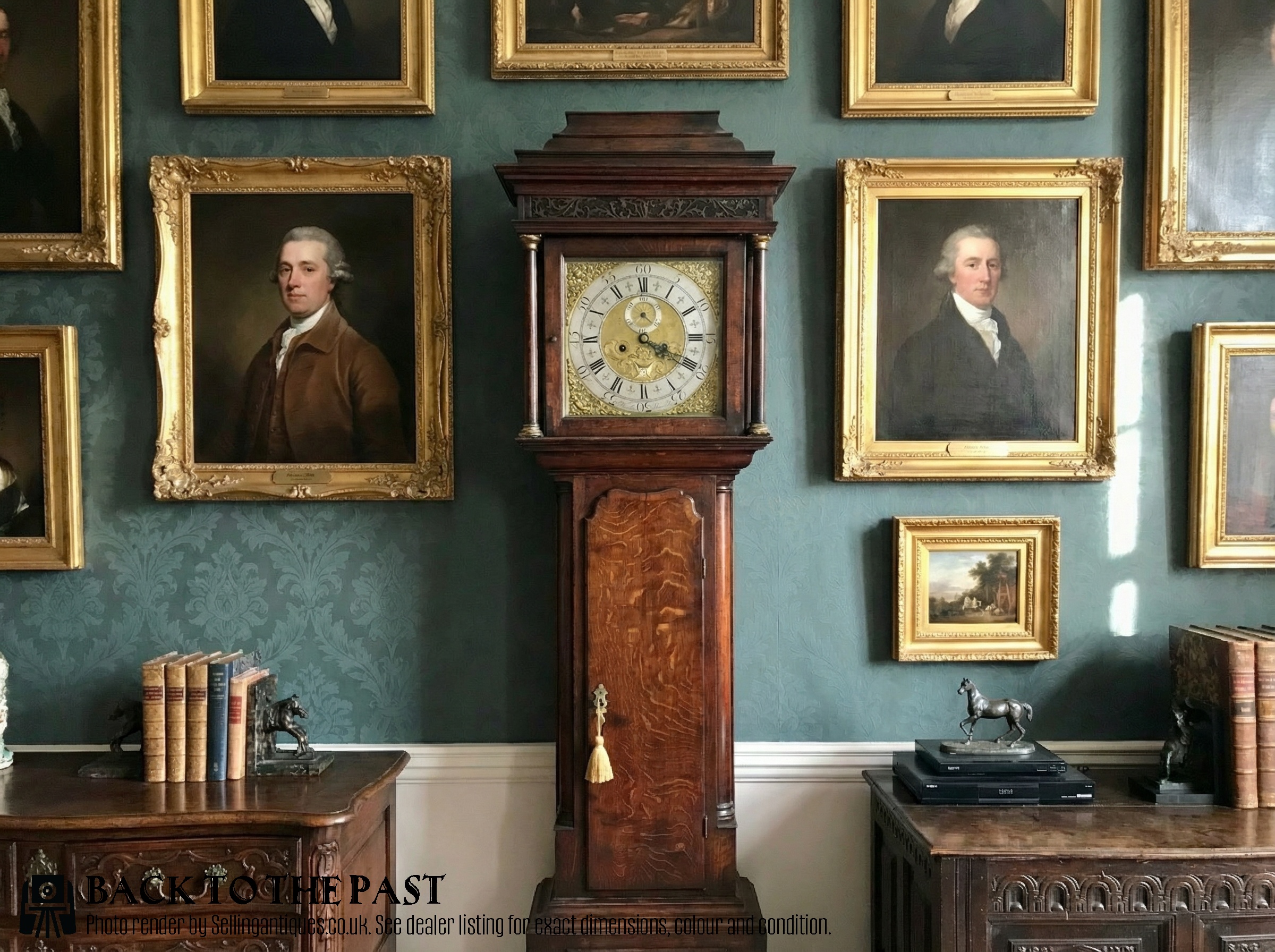
Georgian Wooden Longcase Clock
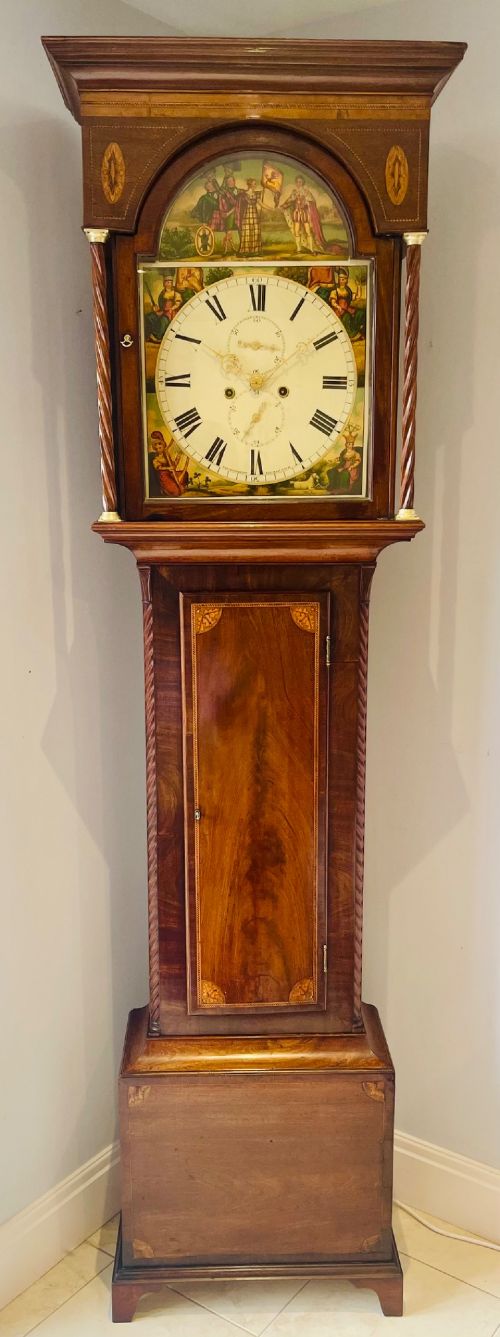
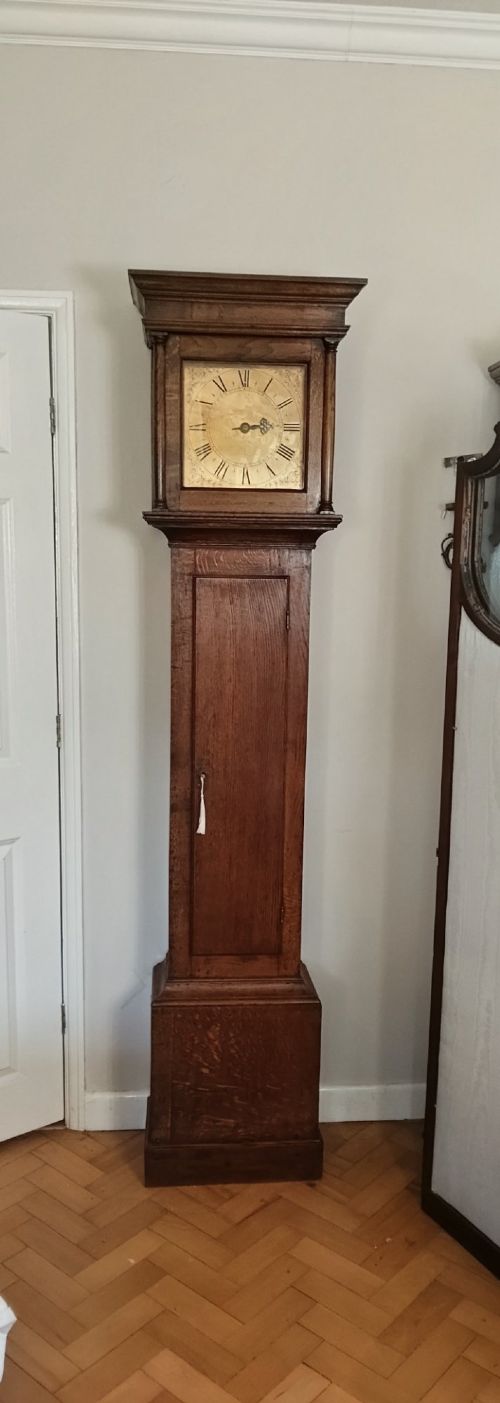
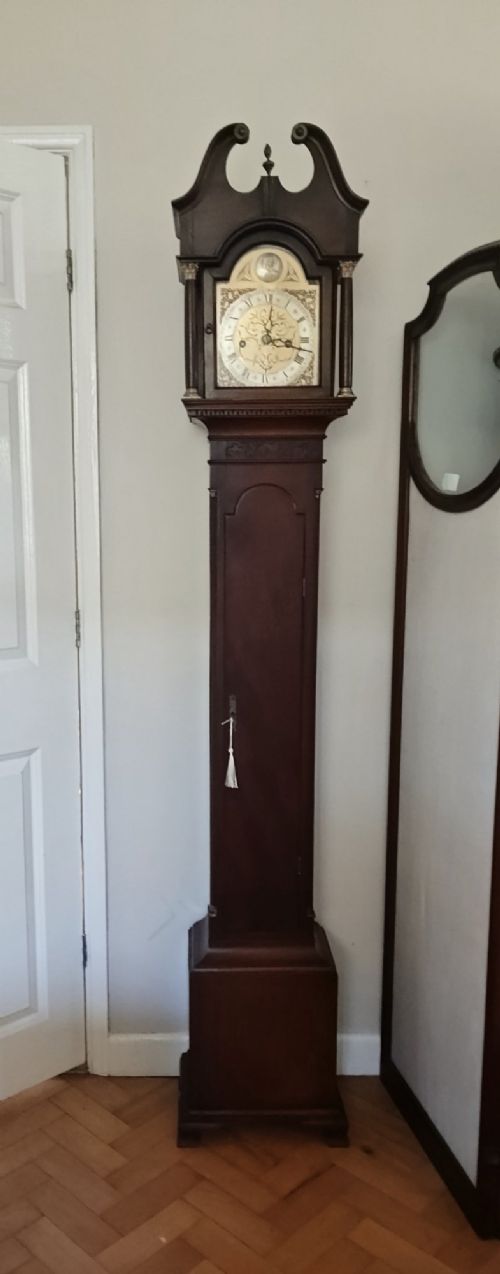
A georgian wooden longcase clock takes the form of a tall floor-standing timepiece enclosed in a timber case, designed to house a weight-driven movement and pendulum. The examples encountered on this page span the 18th century, the Georgian era itself, and subsequent 19th-century interpretations up to the 1930s.
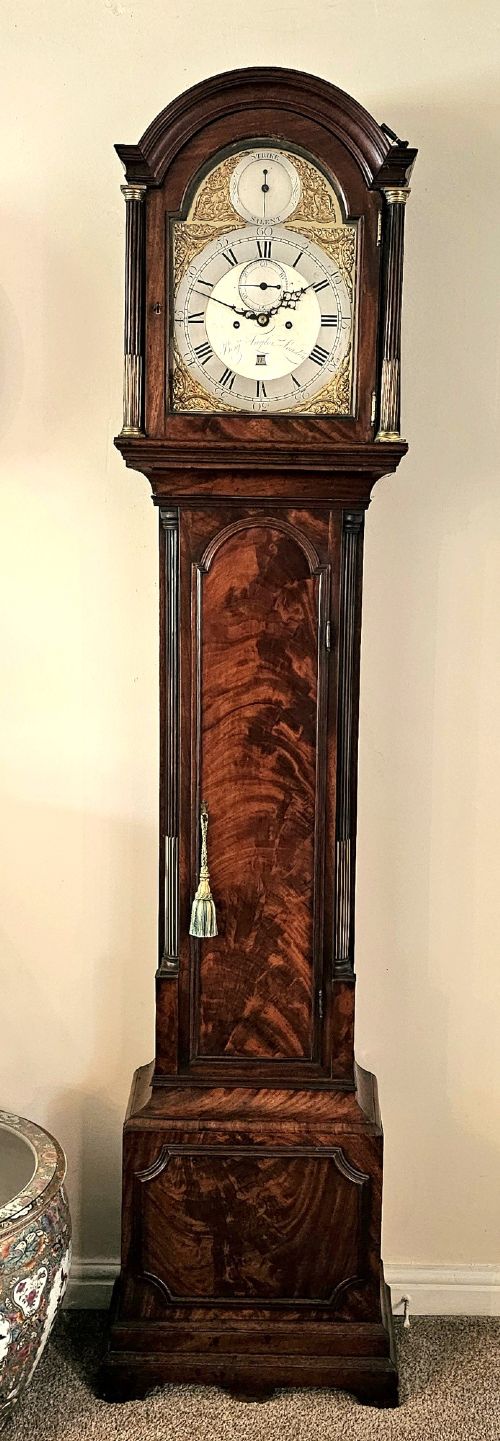
Most pieces appear in regional timbers such as oak and mahogany, often incorporating walnut, flame mahogany, or marquetry details. Makers from both English towns and Scottish burghs signed these works, producing standard proportions alongside smaller variants known as grandmother clocks.
Regional diversity shapes the selection, ranging from provincial oak cases to sophisticated London mahogany designs with arched dials and rolling moon phases. Dial materials shift between brass and painted iron, reflecting the chronological span from early George III periods into the Victorian age.
Construction and Materials
Cabinetmakers built the tall housings using solid timbers and veneers, employing mahogany, oak, and walnut selected for grain pattern and colour. Crossbanding and marquetry inlay ornament the surfaces of finer specimens, requiring precise joinery to maintain the vertical alignment of the trunk and hood.
Clockmakers constructed the internal movements in brass and steel, pairing them with brass or painted iron dials marked with numerals and maker signatures. Glass protects the dial face within the hinged hood door, while weights suspended on lines provide the motive power for eight-day or shorter durations.
Some provincial makers equipped their tall clocks with rocking seesaw automata above the dial to entertain anyone waiting for the hour to strike.
Judging Quality and Craftsmanship
Quality rests upon the architectural proportions of the wooden case and the crispness of any carving, inlay, or crossbanding applied to the mahogany or oak. Better examples exhibit balanced cornices, well-fitted hood doors, and timber selected for consistent figure rather than patched grain.
The sophistication of the dial work distinguishes different tiers of manufacture, separating plain brass faces from engraved plates or rolling moon mechanisms signed by notable regional makers. Movement execution similarly marks the grade, where clean brass train wheels and precise dampening separate standard utility pieces from musical or eight-day regulators.
Hendrie Ogg Dunfermline·Green of Edinburgh·D Straiton Montrose·Benjamin Taylor·Charles Louch St Albans·Wotton Under Edge·Benjamin Peers Chester·Edward Upjohn Exon·James Coster Henley·John Banks Oldham·Garman Meonstoke·Samuel Young Nantwich
The Georgian Wooden Longcase Clock Glossary
- Longcase clock
- A tall pendulum clock enclosed in a wooden case that stands directly on the floor. These pieces are also frequently referred to as grandfather clocks.
- Grandmother clock
- A smaller, more slender version of the traditional longcase clock, typically produced in later periods. They occupy less floor space while retaining the weight-driven movement.
- Crossbanding
- A decorative border technique where thin strips of veneer are laid across the grain of the primary wood. This method frames the panel edges of mahogany or walnut cases.
- Rolling moon
- A mechanical display behind an arched dial aperture that tracks the phases of the lunar cycle. It rotates slowly via gearwork connected to the clock movement.
- Marquetry
- The art of applying pieces of veneer to a structure to form decorative patterns or pictorial scenes. Floral and geometric motifs appear across 18th-century cabinetwork.
Georgian Wooden Longcase Clock: Frequently Asked Questions
What is a longcase clock?
A longcase clock is a tall, weight-driven timepiece housed in a protective wooden trunk with a base and an upper hood enclosing the dial. The pendulum hangs suspended inside the main body, regulated by descending lead or iron weights.
These pieces served as the primary domestic timekeepers in homes for centuries. Their towering height allowed for long pendulum drops, which improved timekeeping accuracy.
How do grandfather and grandmother clocks differ?
Grandfather clocks are the standard full-sized tall case timepieces, while grandmother clocks are scaled-down, shorter variants. Grandmother clocks were often built during the 20th century to fit modern ceiling heights.
Despite the difference in scale, both types utilise similar weight-driven mechanics and pendulum systems. The smaller format provides the visual presence of a traditional tall clock in compact rooms.
How do you wind an eight day clock?
An eight-day longcase clock requires winding approximately once a week by inserting a crank key into the winding holes on the dial face. Turning the key draws the internal weights back up toward the top of the trunk.
Care must be taken not to overwind the mechanism when the weights reach their upper limit. Regular winding ensures the pendulum maintains a consistent arc for accurate timekeeping.
Where should you place a longcase clock?
A longcase clock requires a stable, vibration-free interior wall where the wooden case can stand completely vertical. Placing the trunk on an even floor ensures the pendulum swings with an even beat.
Avoiding damp areas and direct sunlight protects the mahogany, oak, or walnut veneer from warping or fading. Securing the case to the wall using mounting brackets prevents accidental tipping.