

Georgian Wooden Corner Cabinet
These pieces turn awkward room angles into useful display space, offering the quintessential storage solution for period interiors.
Georgian Wooden Corner Cabinet
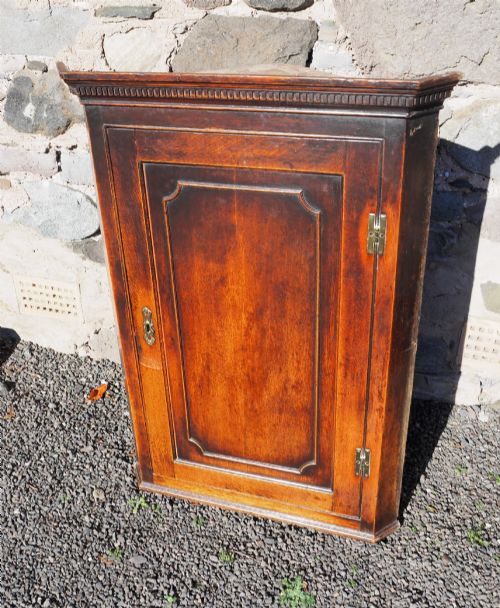
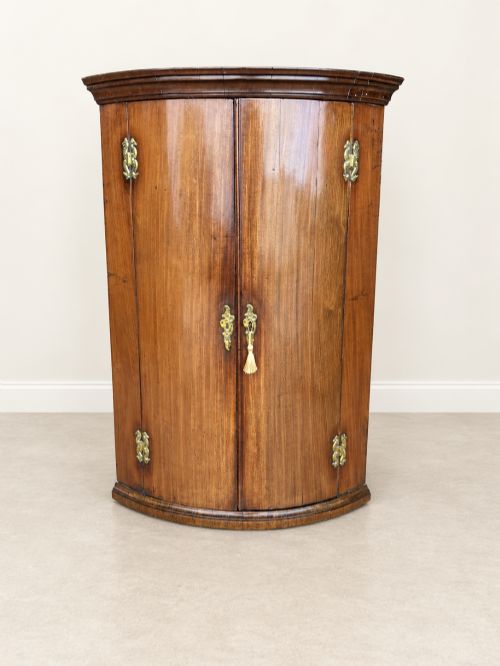
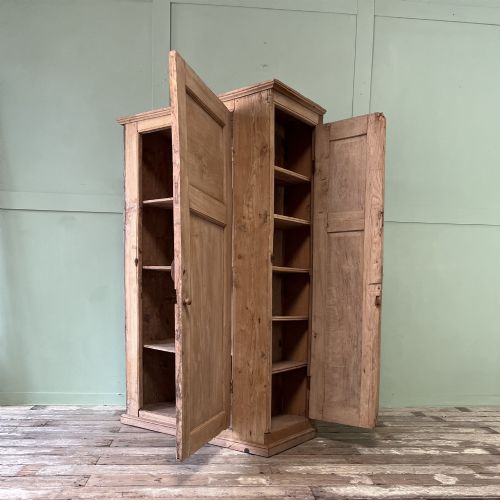
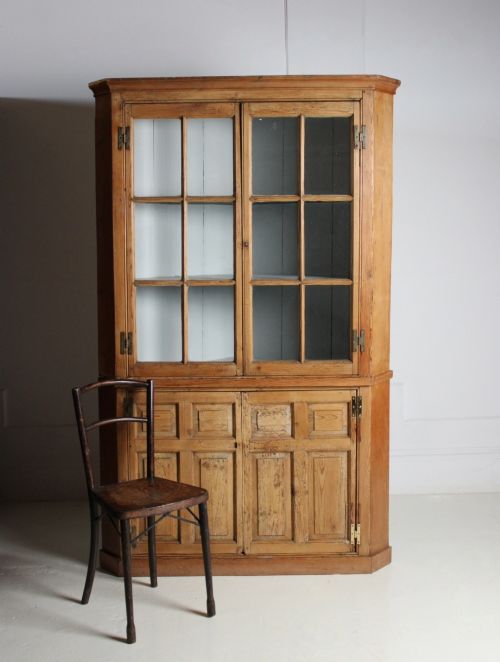
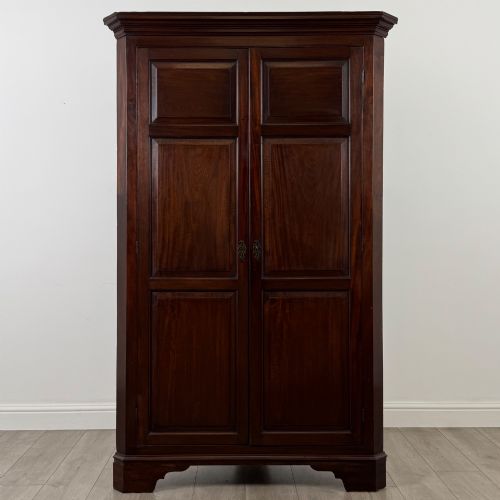
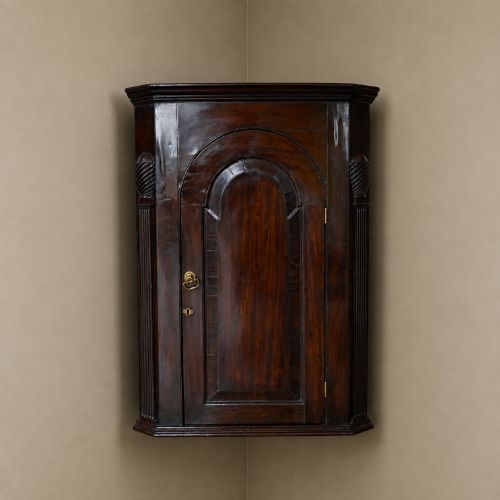
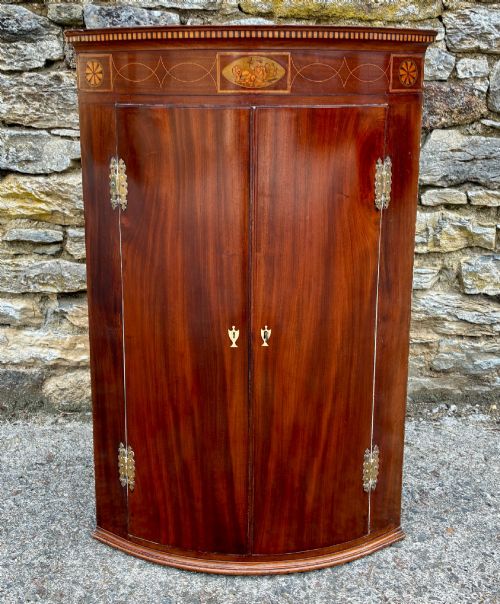
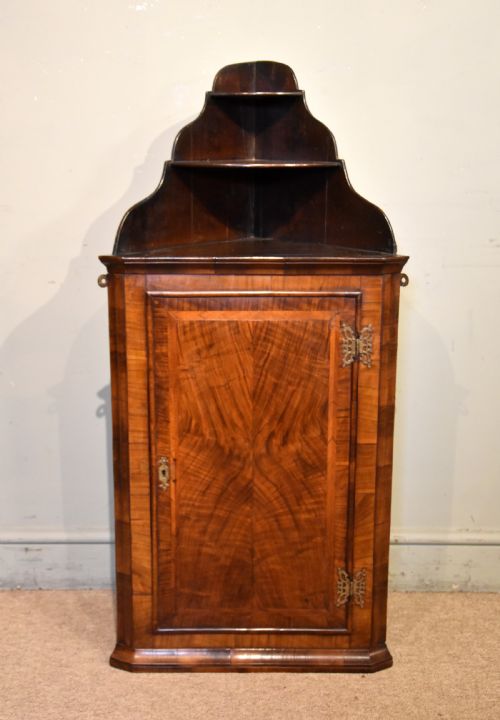
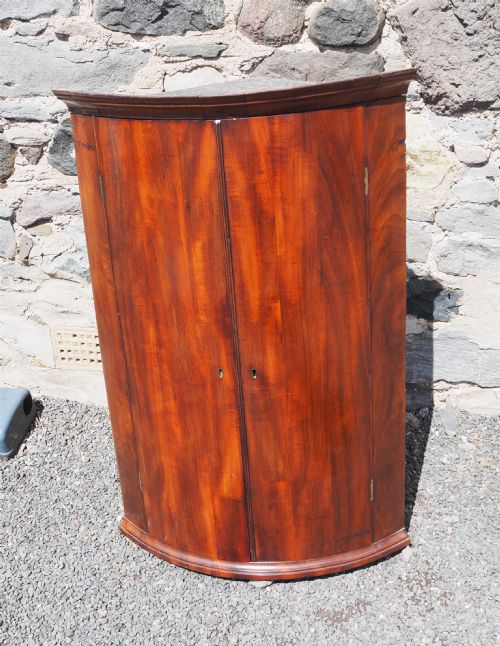
A georgian wooden corner cabinet is a specialised storage piece designed to fit neatly into the ninety-degree junction of two walls. The selection here leans heavily towards wall-hanging and floor-standing varieties, utilising otherwise neglected space in period rooms.
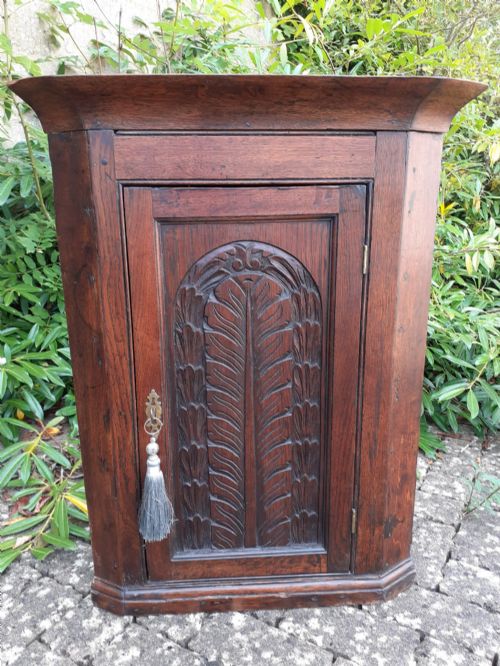
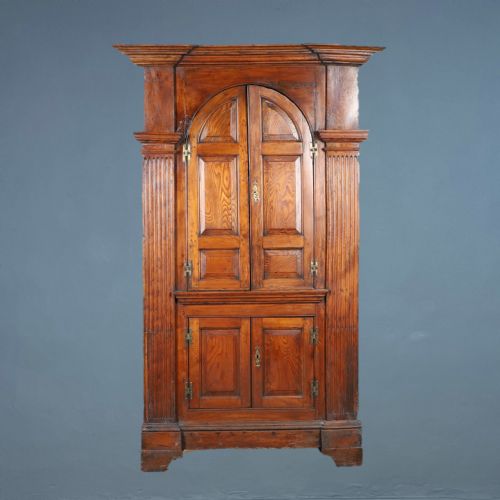
Most examples you will encounter date from the eighteenth century or reflect later revivals, executed in timbers such as oak, mahogany, and elm. Buyers frequently find hanging wall cupboards with panelled doors alongside taller, freestanding architectural models intended for display.
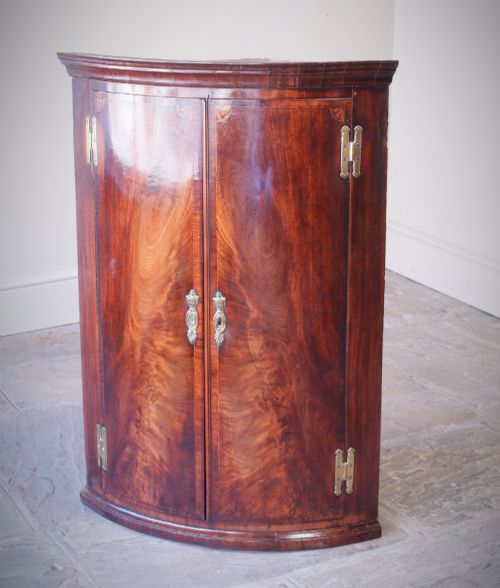
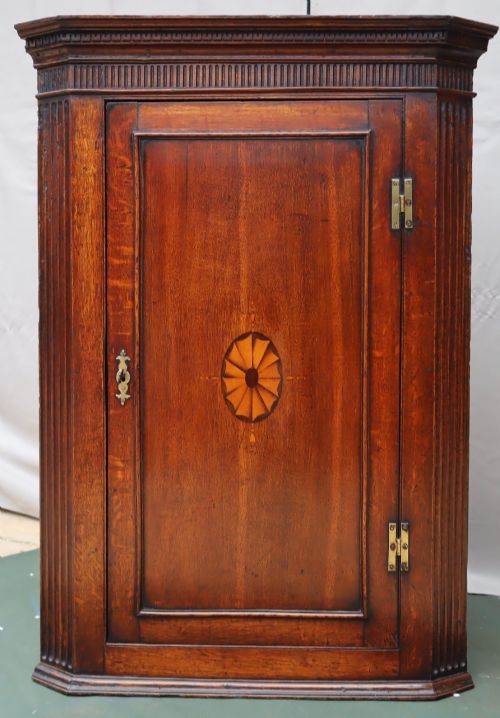
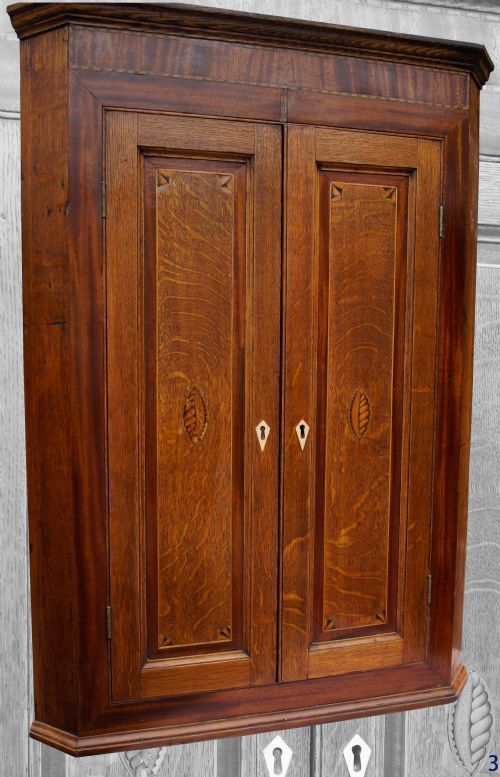
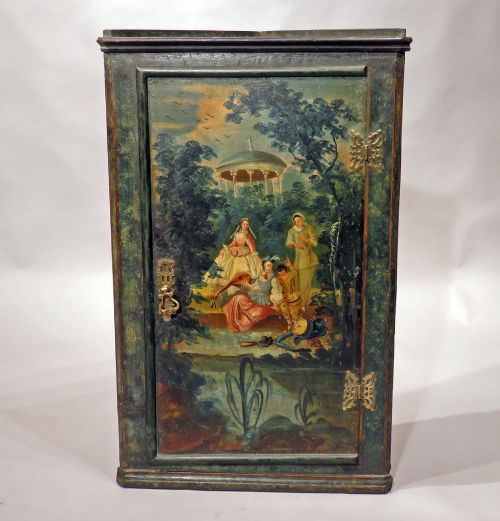
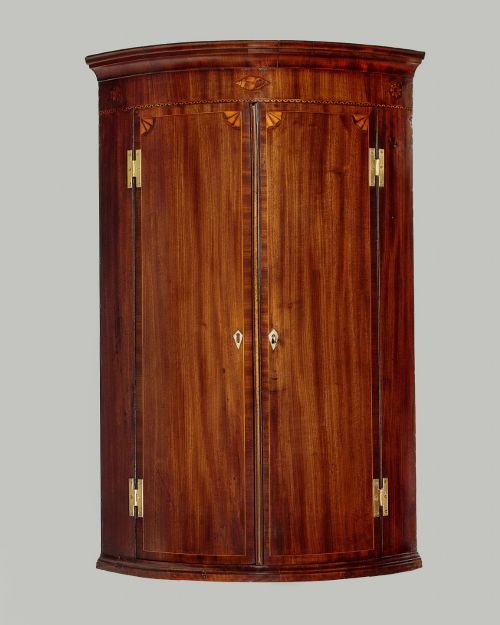
The form ranges from simple vernacular country pieces to refined urban furniture featuring bow fronts and inlaid details. Each version provides compact storage while introducing period character to a dining room, hallway, or study.
How they were made
Cabinetmakers constructed these cupboards using native and imported hardwoods, selecting oak, elm, and pine for sturdy carcases, and figuring mahogany, walnut, or plum pudding mahogany for decorative exterior surfaces. Panels were frequently fielded or constructed with timber shrinkage in mind, ensuring the structure remained stable over centuries in fluctuating household temperatures.
Joinery techniques relied on dovetails for drawer construction and mortise and tenon joints for the frame, while hanging cupboards incorporated strong internal battens to bear the weight against plaster walls. Decorative flourishes included boxwood stringing, marquetry, and architectural pediments carved directly from the solid timber rather than applied in cheap composition.
Georgian Wooden Corner Cabinet Retail Price Guide 2026
Typical asking prices for georgian wooden corner cabinet among the pieces listed under this phrase on Sellingantiques today, from the lower quarter to the upper quarter. They describe what is for sale here now, not the wider market.
Several cupboards hide secret drawers behind their main shelves for stashing valuable trinkets.
What varies in quality
The distinction between ordinary and exceptional examples rests primarily on the choice of timber and the sophistication of the surface grain. Plum pudding mahogany, finely figured walnut, and rich red walnut distinguish high-end urban commissions from plain pine or utilitarian country oak.
Subtleties of proportion and architectural detailing set finer pieces apart, such as broken arch pediments, crossbanded borders, and original brass H-hinges or escutcheons. Cabinets retaining their early glass panes and undisturbed painted interiors command greater appreciation among purists.
The Georgian Wooden Corner Cabinet Glossary
- Bow front
- A convex curved cabinet front that projects outward from the corner, popular during the late eighteenth century. This curved profile required skilled woodwork to shape the solid timber or veneers.
- Hanging corner cupboard
- A wall-mounted storage unit fitted with internal brackets or fixing points to secure it safely into a room corner. These pieces save floor space while keeping contents at eye level.
- Standing corner cabinet
- A tall floor-standing piece of furniture that occupies a corner from skirting board to cornice. They often feature multiple tiers or double doors for extensive storage.
- Broken arch pediment
- An architectural top moulding that turns back on itself before reaching the centre, frequently leaving space for a central plinth or finial. This classical detail elevates the formality of larger standing cupboards.
- Stringing
- Thin inlaid lines of contrasting wood, such as boxwood, used to edge drawer fronts and door panels. It provides a crisp linear boundary to decorative veneer work.
Georgian Wooden Corner Cabinet: Frequently Asked Questions
Where should I hang a wall cabinet?
These cupboards need solid masonry or secured wall studs to bear their substantial weight safely.
Position them at a height that allows comfortable access to the interior shelves without obstructing room movement.
How do I clean the interior?
Dust the wood gently with a dry, soft cloth to protect aged surfaces and original painted finishes.
Avoid modern chemical polishes that can degrade historic beeswax or damage dry timber.
Are the keys usually original?
Many historic locks remain in place, though matching period keys can sometimes be sourced separately.
Functioning locks add charm, but many owners simply use the brass knobs or pulls to open the doors.
Can these hold heavy china?
Sturdy oak and mahogany shelves easily support standard dinner services and glassware.
Check the stability of fixed internal support cleats before loading older wall-hung units with heavy ceramics.